English

Mughal Architecture
A distinctive architectural style that developed in the Indian subcontinent under the patronage of the Mughal…
Reads at Grades 6–8 Listens at Grades 4–8
Print & create
Answer keys·No prep·Free with an account
28 worksheets · answer keys · full story · quiz · Ages 10-12 · CEFR B2
Plus adds 164,000+ more stories in 27 languages, audio for every one, and printables for all of them.
Just want Mughal Architecture?

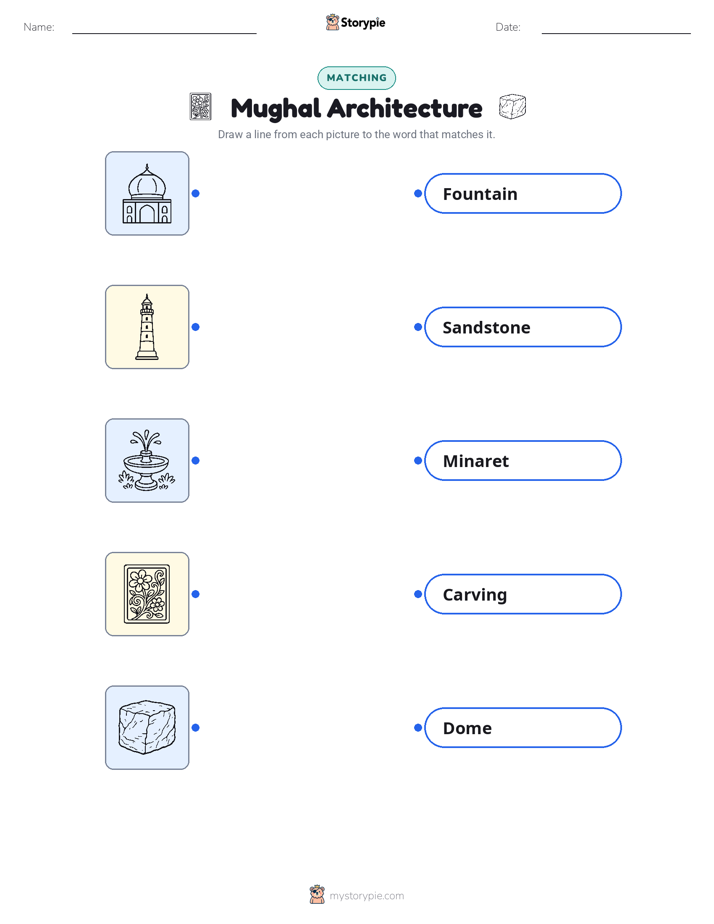
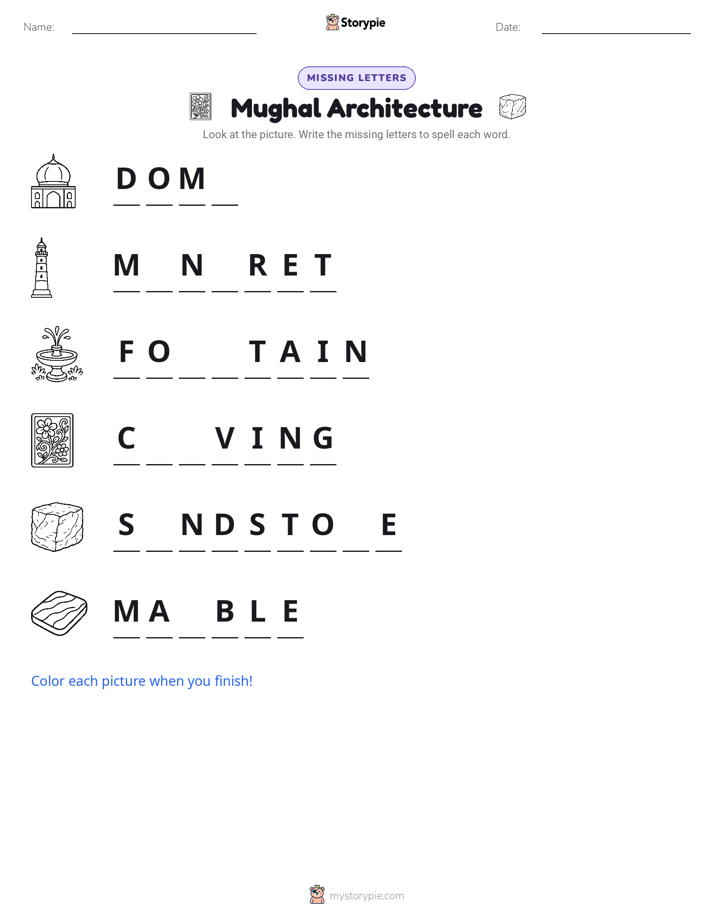
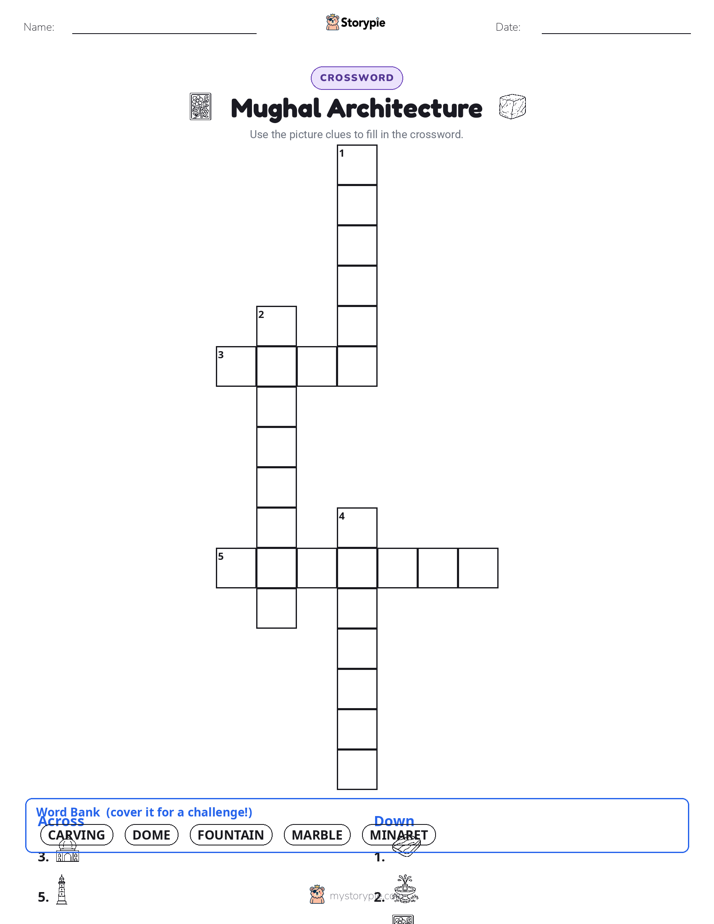
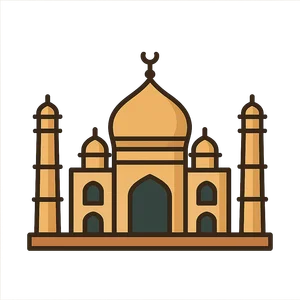
Have you ever seen a building that seems like it was pulled from a dream? A building with a grand, pearl-white dome that swells against a bright blue sky, flanked by slender towers that reach for the clouds like curious fingers. Have you walked through gardens so perfectly balanced that they bring a feeling of deep peace, where fountains whisper secrets into quiet pools and water flows in clean, straight channels? My walls are not plain; they are covered in carvings of flowers and curling vines, so delicate and lifelike you might expect to smell their fragrance. I am a beautiful blend of ideas, a conversation between the elegance of Persia, the traditions of Central Asia, and the vibrant artistry of India. I am the physical form of a story that unfolded over centuries. I am Mughal Architecture, and my story is carved in stone across the Indian subcontinent.
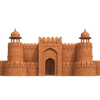
My story begins with a king who missed his home. In the year 1526, a great leader named Babur came from Central Asia to India and founded the Mughal Empire. While he admired the new lands he commanded, his heart longed for the cool, structured gardens of his homeland. So, he created something new in India, a special kind of garden called a 'charbagh,' which means 'four gardens.' It was a space divided into four perfect quadrants by flowing water channels, meant to represent the four gardens of Paradise. This was my very first breath, a whisper of order and beauty. I truly began to take shape with the tomb for Babur’s son, the second emperor, Humayun. Built around the year 1565, his tomb was a magnificent statement. It was a massive building made of rich red sandstone, crowned by a huge, gleaming white marble dome. It was the first of its kind in India and became a model for many of my grandest creations to come. My foundations grew even stronger under the next emperor, Akbar, who reigned from 1556 to 1605. He was a powerful ruler and a tremendous builder. He gave me a strong, masculine look, using deep red sandstone to build mighty fortresses like the Agra Fort and even an entire new capital city, Fatehpur Sikri, filled with palaces, mosques, and public halls.
The Stone Dream of the Mughals
Have you ever seen a building that seems like it was pulled from a dream? A building with a grand, pearl-white dome that swells against a bright blue sky, flanked by slender towers that reach for the clouds like curious fingers. Have you walked through gardens so perfectly balanced that they bring a feeling of deep peace, where fountains whisper secrets into quiet pools and water flows in clean, straight channels? My walls are not plain; they are covered in carvings of flowers and curling vines, so delicate and lifelike you might expect to smell their fragrance. I am a beautiful blend of ideas, a conversation between the elegance of Persia, the traditions of Central Asia, and the vibrant artistry of India. I am the physical form of a story that unfolded over centuries. I am Mughal Architecture, and my story is carved in stone across the Indian subcontinent.
My story begins with a king who missed his home. In the year 1526, a great leader named Babur came from Central Asia to India and founded the Mughal Empire. While he admired the new lands he commanded, his heart longed for the cool, structured gardens of his homeland. So, he created something new in India, a special kind of garden called a 'charbagh,' which means 'four gardens.' It was a space divided into four perfect quadrants by flowing water channels, meant to represent the four gardens of Paradise. This was my very first breath, a whisper of order and beauty. I truly began to take shape with the tomb for Babur’s son, the second emperor, Humayun. Built around the year 1565, his tomb was a magnificent statement. It was a massive building made of rich red sandstone, crowned by a huge, gleaming white marble dome. It was the first of its kind in India and became a model for many of my grandest creations to come. My foundations grew even stronger under the next emperor, Akbar, who reigned from 1556 to 1605. He was a powerful ruler and a tremendous builder. He gave me a strong, masculine look, using deep red sandstone to build mighty fortresses like the Agra Fort and even an entire new capital city, Fatehpur Sikri, filled with palaces, mosques, and public halls.
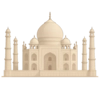
My true golden age, the time when I became most famous for my elegance and grace, arrived with the emperor Shah Jahan. He reigned from 1628 to 1658, and he loved me not with red stone, but with pure white marble. It was during his time that my most beloved creation was born: the Taj Mahal. Many people think it is a palace, but it is actually a tomb, a monument built to express an emperor’s undying love for his wife, Mumtaz Mahal, after she passed away. Its construction began in 1631 and took over two decades to complete. I was designed with perfect symmetry, meaning if you split me down the middle, both sides would be an exact mirror image. My brilliant white marble skin seems to change color with the light of the day, glowing pink at sunrise, shining brightly at noon, and looking almost translucent in the moonlight. My walls are not just plain marble; they are decorated with a delicate technique called 'pietra dura,' where thin slices of precious and semi-precious gemstones like lapis lazuli, jade, and turquoise are carefully inlaid to form swirling floral patterns. But the Taj Mahal was not the only masterpiece of this era. Shah Jahan also commissioned the vast Red Fort in Delhi, with its grand halls for public and private audiences, and the great Jama Masjid, one of the largest mosques in all of India, its domes and minarets rising over the bustling city.
My story continued, though my style began to change. The emperor Aurangzeb, who ruled from 1658 until 1707, was a more serious and devout ruler. He built the grand Badshahi Mosque in Lahore, one of my last truly massive and awe-inspiring projects, with its vast courtyard and towering minarets. After the Mughal Empire eventually declined and fell around the year 1857, my story did not end. My domes, arches, and delicate details had made such an impression that my style continued to influence other kinds of architecture across India and beyond for centuries. Today, I am no longer just for emperors. People from every corner of the world travel to see my creations. The Taj Mahal, Humayun’s Tomb, and the forts at Agra and Delhi are all protected as UNESCO World Heritage sites, treasured by all of humanity. I am more than just beautiful buildings; I am a story of love, power, faith, and the incredible things that can happen when different cultures and ideas meet. I stand as a timeless reminder that beauty, crafted with skill and passion, can connect people across centuries and continents, telling a story that never truly ends.
Wow facts
About
A distinctive architectural style that developed in the Indian subcontinent under the patronage of the Mughal emperors from the 16th to the 19th century, known for its symmetry, ornate decoration, and fusion of Persian, Islamic, and Indian elements.
Take a Quiz
Question 1 of 5
What is the main idea of this story?
Explore next




Want to do even more?
Go beyond exploring. Unlock tools that turn every story into real learning.

Storypie Plus for families
Full stories, quizzes, and printables. Nights and car rides, sorted.
- Unlimited audio stories
- Create Mode: your child stars in the story
- Offline downloads
- Printable worksheets & coloring pages

Why Storypie for Schools
Students engaged. Prep in seconds. Evenings back to you.
- Worksheets & Quizzes
- Classroom Management
- Formative Assessment
- Custom Curriculum & Lesson Plans
- 27 Languages

Why Storypie for Homeschool
Curriculum done. They'll ask for more. Hours back in your day.
- Worksheet Generator
- First-Person Audio Stories
- Built-in Comprehension Quizzes
- Custom Curriculum & Lesson Plans
- Print & Go Activities