English

Mughal Architecture
A distinctive architectural style that developed in the Indian subcontinent under the patronage of the Mughal…
Reads at Grades K-2 Listens at K–3
Print & create
Answer keys·No prep·Free with an account
28 worksheets · answer keys · full story · quiz · Ages 6-8 · CEFR A2
Plus adds 164,000+ more stories in 27 languages, audio for every one, and printables for all of them.
Just want Mughal Architecture?

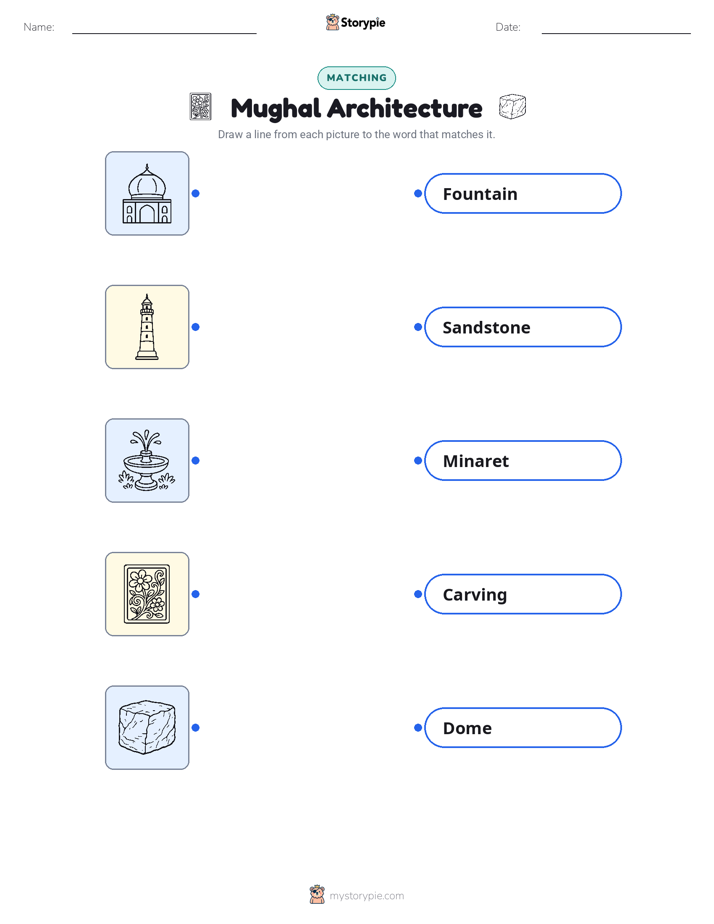
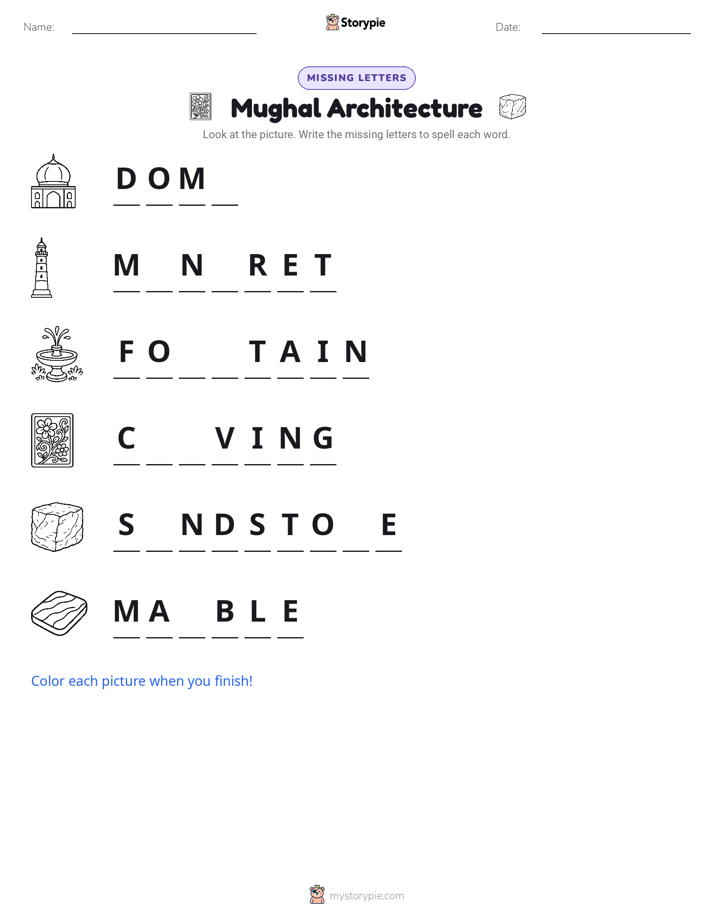
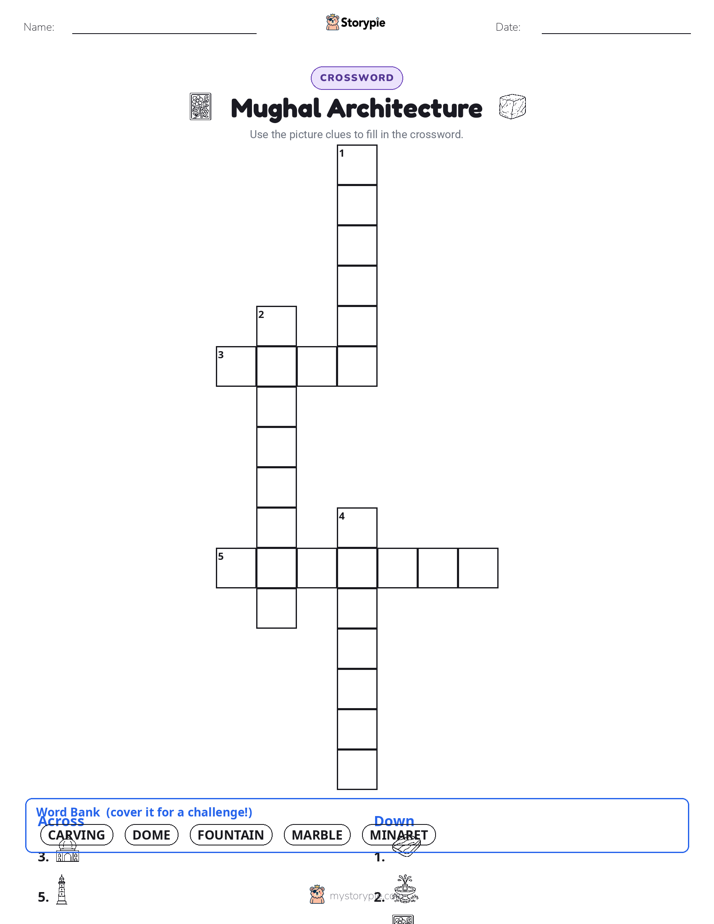
Have you ever seen a building that looks like a giant, sparkling jewel? I create huge, round roofs called domes that look like shiny white onions against the blue sky. I build tall, skinny towers called minarets that reach for the clouds. My walls aren't plain; they are decorated with beautiful carvings of flowers and swirly patterns, sometimes made from precious stones. I love to be surrounded by peaceful, perfect gardens with bubbling fountains and straight paths. I am Mughal Architecture, and I am a special way of building that tells a story of great emperors from long ago in India.
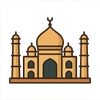
My story began a very long time ago, back in 1526, when an emperor named Babur came to India. He brought ideas with him from places like Persia and Central Asia. He especially loved gardens, and he began by creating wonderful, symmetrical gardens called charbagh, which means 'four gardens.' As his family, the Mughal emperors, ruled, I grew and changed. Babur's grandson, Akbar, who ruled from 1556, loved to mix different styles together. He used strong, red sandstone to build amazing forts and even a whole new city, Fatehpur Sikri. Then came Emperor Shah Jahan, who ruled from 1628. He wanted everything to be perfectly beautiful, so he used gleaming white marble. He built my most famous creation, the Taj Mahal, starting in 1632, as a loving tribute to his wife, Mumtaz Mahal. It is a building that looks like a dream.
Even though the Mughal Empire ended many years ago, I am still standing tall for everyone to see. Millions of people from all over the world come to visit my beautiful buildings like the Taj Mahal, the Red Fort, and Humayun's Tomb. When they look up at my giant domes, my pointy arches, and my delicate stone flowers, they feel a sense of wonder. I show everyone how mixing ideas from different cultures can create something new and amazing. I hope I inspire you to notice the beauty in the buildings around you and maybe even dream of creating something wonderful yourself one day.
The Story of the Jewel-Box Buildings
Have you ever seen a building that looks like a giant, sparkling jewel? I create huge, round roofs called domes that look like shiny white onions against the blue sky. I build tall, skinny towers called minarets that reach for the clouds. My walls aren't plain; they are decorated with beautiful carvings of flowers and swirly patterns, sometimes made from precious stones. I love to be surrounded by peaceful, perfect gardens with bubbling fountains and straight paths. I am Mughal Architecture, and I am a special way of building that tells a story of great emperors from long ago in India.
My story began a very long time ago, back in 1526, when an emperor named Babur came to India. He brought ideas with him from places like Persia and Central Asia. He especially loved gardens, and he began by creating wonderful, symmetrical gardens called charbagh, which means 'four gardens.' As his family, the Mughal emperors, ruled, I grew and changed. Babur's grandson, Akbar, who ruled from 1556, loved to mix different styles together. He used strong, red sandstone to build amazing forts and even a whole new city, Fatehpur Sikri. Then came Emperor Shah Jahan, who ruled from 1628. He wanted everything to be perfectly beautiful, so he used gleaming white marble. He built my most famous creation, the Taj Mahal, starting in 1632, as a loving tribute to his wife, Mumtaz Mahal. It is a building that looks like a dream.
Even though the Mughal Empire ended many years ago, I am still standing tall for everyone to see. Millions of people from all over the world come to visit my beautiful buildings like the Taj Mahal, the Red Fort, and Humayun's Tomb. When they look up at my giant domes, my pointy arches, and my delicate stone flowers, they feel a sense of wonder. I show everyone how mixing ideas from different cultures can create something new and amazing. I hope I inspire you to notice the beauty in the buildings around you and maybe even dream of creating something wonderful yourself one day.
Wow facts
About
A distinctive architectural style that developed in the Indian subcontinent under the patronage of the Mughal emperors from the 16th to the 19th century, known for its symmetry, ornate decoration, and fusion of Persian, Islamic, and Indian elements.
Take a Quiz
Question 1 of 4
Which emperor built the famous Taj Mahal?
Explore next




Want to do even more?
Go beyond exploring. Unlock tools that turn every story into real learning.

Storypie Plus for families
Full stories, quizzes, and printables. Nights and car rides, sorted.
- Unlimited audio stories
- Create Mode: your child stars in the story
- Offline downloads
- Printable worksheets & coloring pages

Why Storypie for Schools
Students engaged. Prep in seconds. Evenings back to you.
- Worksheets & Quizzes
- Classroom Management
- Formative Assessment
- Custom Curriculum & Lesson Plans
- 27 Languages

Why Storypie for Homeschool
Curriculum done. They'll ask for more. Hours back in your day.
- Worksheet Generator
- First-Person Audio Stories
- Built-in Comprehension Quizzes
- Custom Curriculum & Lesson Plans
- Print & Go Activities