English

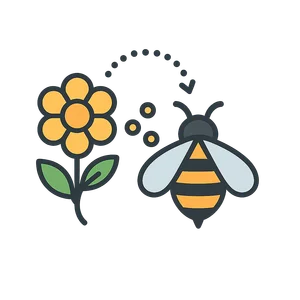
Pollination
Pollination is the process of transferring pollen from a flower's male part to its female part…
Reads at Grades 3–5 Listens at Grades 1–5
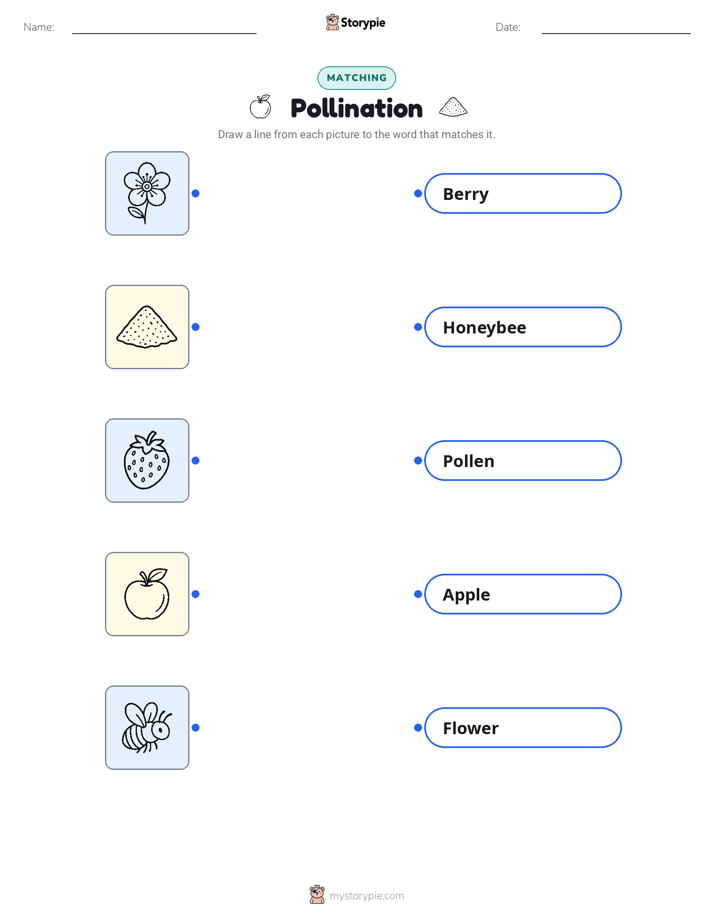
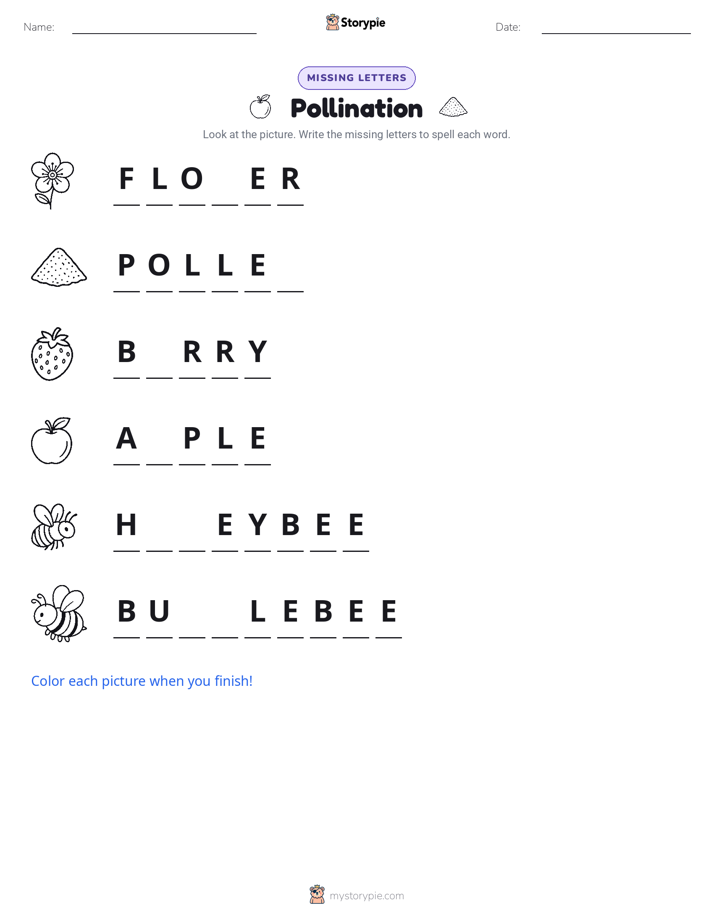
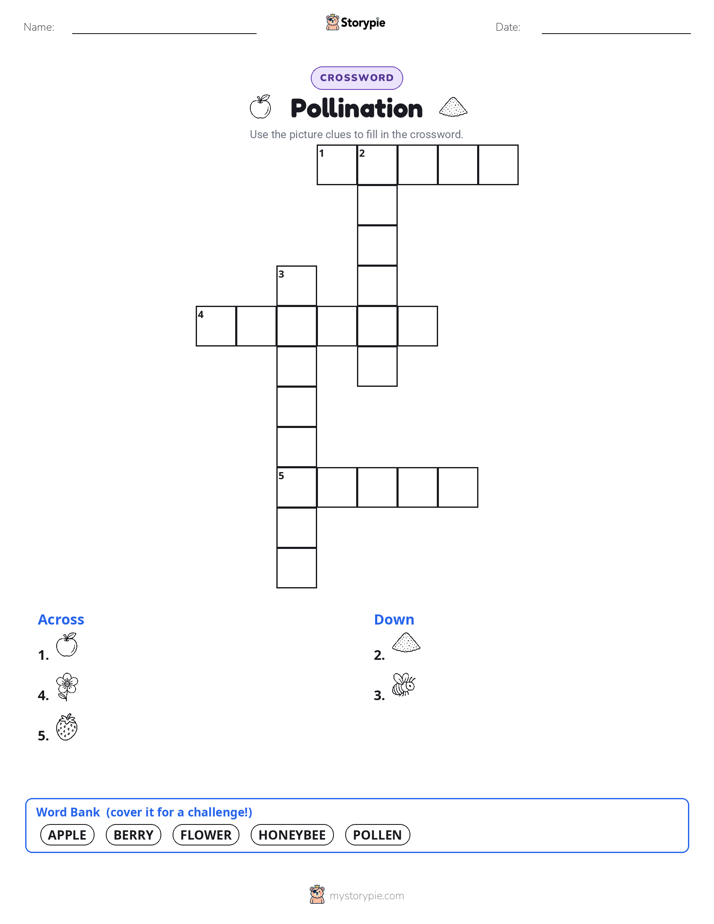
Print & create
Answer keys·No prep·Free with an account
28 worksheets · answer keys · full story · quiz · Ages 8-10 · CEFR B1
Plus adds 164,000+ more stories in 27 languages, audio for every one, and printables for all of them.
Just want Pollination?
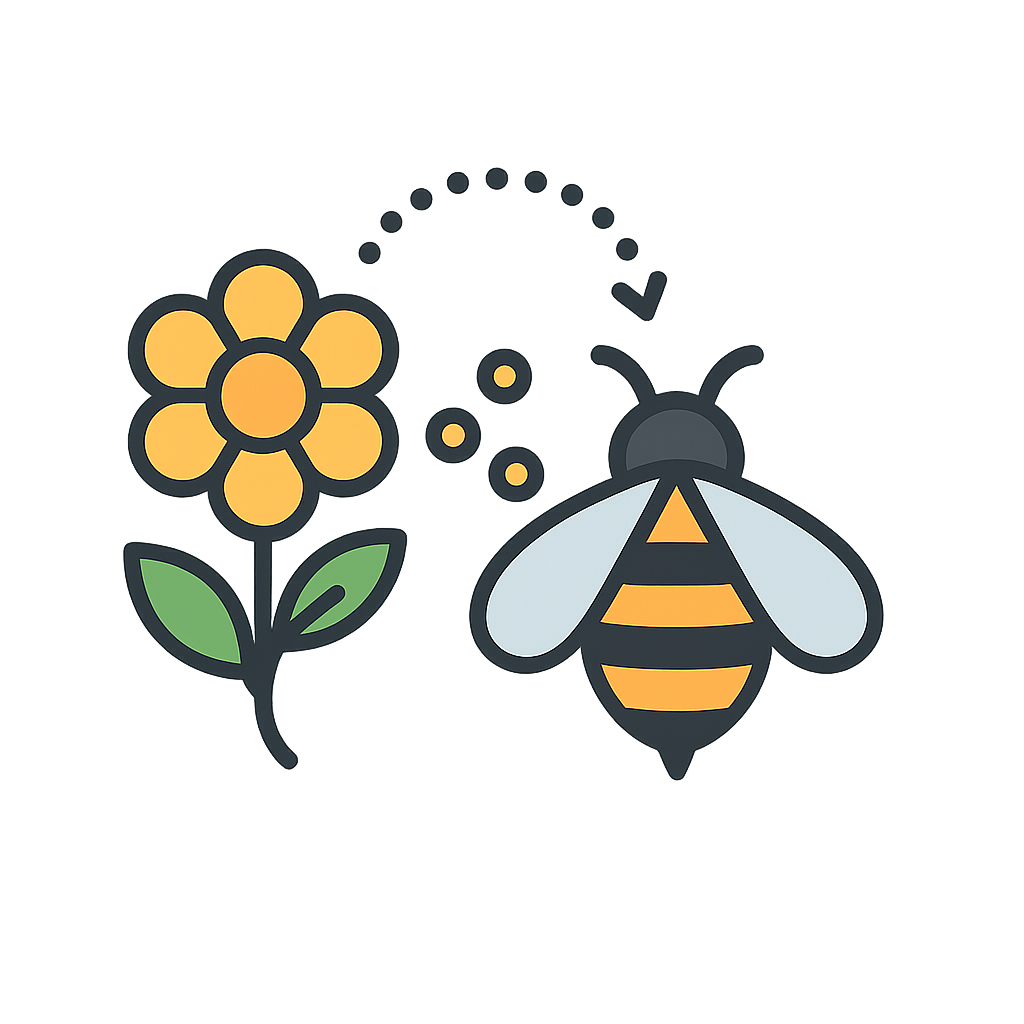
Have you ever looked at a tiny green bud on a strawberry plant and wondered how it transforms into a big, juicy, red berry. Or have you stood in a field of towering sunflowers and thought about how each giant head makes hundreds of tasty seeds. It might seem like magic, but it’s really my special job. I am like a secret messenger service for plants. I help them give each other a special kind of handshake so they can make fruits and seeds. It all starts with a magical, golden dust that you might have seen inside a flower. My job is to make sure that dust gets from one flower to another. But I can't do it alone. I have a whole delivery team to help me. My best helpers are fuzzy bees who zoom from blossom to blossom, and colorful butterflies that dance on the breeze. Graceful hummingbirds with their whirring wings and even night-flying bats join in. They are all part of my team, carrying that special dust to make sure plants can grow the food that everyone loves to eat. I am Pollination, and I help feed the world.
For a very, very long time, humans saw me at work but didn’t understand my secrets. They knew that something special had to happen for their plants to make food, but they couldn't see me. Can you imagine a time before people knew how fruits grew. Way back in the 9th century BCE, clever people in ancient Assyria noticed that their date palm trees needed a little help. To get a big harvest of sweet dates, they would climb the tall trees and gently shake the dust from one flower onto another. They were doing my job by hand. Centuries passed, and people were still curious. A German scientist named Rudolf Jakob Camerarius was like a plant detective. In the year 1694, he made a huge discovery. He figured out that flowers have male and female parts, and that the golden dust, which he called pollen, was the key. He realized the pollen had to travel for a seed to be made. Then, in the mid-1700s, another scientist named Joseph Gottlieb Kölreuter spent hours and hours watching my bee friends. He saw them buzzing from flower to flower, covered in pollen, and realized they were my most important partners. Finally, a man named Christian Konrad Sprengel wrote a whole book in 1793 revealing what he called 'The Secret of Nature Discovered.' He explained how flowers use their bright colors and sweet smells to invite insects to help me. Years later, on October 2nd, 1862, the famous scientist Charles Darwin read his book and was amazed, celebrating the discovery of my secret partnership with the animal kingdom.
The Secret Handshake of Flowers
Have you ever looked at a tiny green bud on a strawberry plant and wondered how it transforms into a big, juicy, red berry. Or have you stood in a field of towering sunflowers and thought about how each giant head makes hundreds of tasty seeds. It might seem like magic, but it’s really my special job. I am like a secret messenger service for plants. I help them give each other a special kind of handshake so they can make fruits and seeds. It all starts with a magical, golden dust that you might have seen inside a flower. My job is to make sure that dust gets from one flower to another. But I can't do it alone. I have a whole delivery team to help me. My best helpers are fuzzy bees who zoom from blossom to blossom, and colorful butterflies that dance on the breeze. Graceful hummingbirds with their whirring wings and even night-flying bats join in. They are all part of my team, carrying that special dust to make sure plants can grow the food that everyone loves to eat. I am Pollination, and I help feed the world.
For a very, very long time, humans saw me at work but didn’t understand my secrets. They knew that something special had to happen for their plants to make food, but they couldn't see me. Can you imagine a time before people knew how fruits grew. Way back in the 9th century BCE, clever people in ancient Assyria noticed that their date palm trees needed a little help. To get a big harvest of sweet dates, they would climb the tall trees and gently shake the dust from one flower onto another. They were doing my job by hand. Centuries passed, and people were still curious. A German scientist named Rudolf Jakob Camerarius was like a plant detective. In the year 1694, he made a huge discovery. He figured out that flowers have male and female parts, and that the golden dust, which he called pollen, was the key. He realized the pollen had to travel for a seed to be made. Then, in the mid-1700s, another scientist named Joseph Gottlieb Kölreuter spent hours and hours watching my bee friends. He saw them buzzing from flower to flower, covered in pollen, and realized they were my most important partners. Finally, a man named Christian Konrad Sprengel wrote a whole book in 1793 revealing what he called 'The Secret of Nature Discovered.' He explained how flowers use their bright colors and sweet smells to invite insects to help me. Years later, on October 2nd, 1862, the famous scientist Charles Darwin read his book and was amazed, celebrating the discovery of my secret partnership with the animal kingdom.
All of those amazing discoveries from long ago are super important for you today. In fact, about one out of every three bites of food you take is thanks to me and my pollinator pals. Think about crunchy apples, nutty almonds, sweet chocolate, and the pumpkins you carve for Halloween. None of them would exist without me. My work is also essential for keeping our whole planet healthy. I help plants make seeds, which grow into new trees that clean the air we breathe. The fruits and berries I help create are also food for birds, bears, and other animals. You can be one of my helpers, too. You don't need to be a scientist. You can help my bee and butterfly friends by planting flowers they love in a garden, a park, or even in a small pot on a balcony. Every time you see a fuzzy bee land on a colorful petal or a butterfly flutter by, you are watching my amazing magic at work. You are watching me make the world more beautiful and a whole lot more delicious.
Wow facts
About
Pollination is the process of transferring pollen from a flower's male part to its female part, which enables fertilization and the production of seeds, crucial for plant reproduction and global food supplies.
Take a Quiz
Question 1 of 5
In the story, Pollination calls its helpers a 'delivery team.' What does this phrase mean?
Explore next


Want to do even more?
Go beyond exploring. Unlock tools that turn every story into real learning.

Storypie Plus for families
Full stories, quizzes, and printables. Nights and car rides, sorted.
- Unlimited audio stories
- Create Mode: your child stars in the story
- Offline downloads
- Printable worksheets & coloring pages

Why Storypie for Schools
Students engaged. Prep in seconds. Evenings back to you.
- Worksheets & Quizzes
- Classroom Management
- Formative Assessment
- Custom Curriculum & Lesson Plans
- 27 Languages

Why Storypie for Homeschool
Curriculum done. They'll ask for more. Hours back in your day.
- Worksheet Generator
- First-Person Audio Stories
- Built-in Comprehension Quizzes
- Custom Curriculum & Lesson Plans
- Print & Go Activities