English

Samurai
The Samurai were the military nobility and officer caste of medieval and early-modern Japan from the 12th…
Reads at Grades 6–8 Listens at Grades 4–8
Print & create
Answer keys·No prep·Free with an account
28 worksheets · answer keys · full story · quiz · Ages 10-12 · CEFR B2
Plus adds 102,000+ more stories in 27 languages, audio for every one, and printables for all of them.
Just want Samurai?
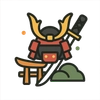
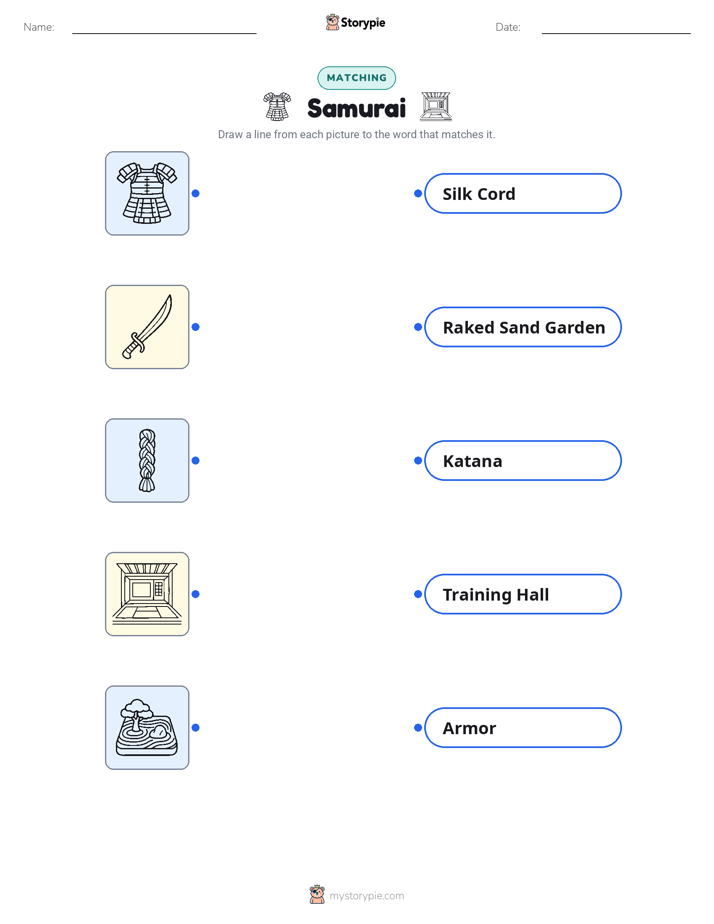
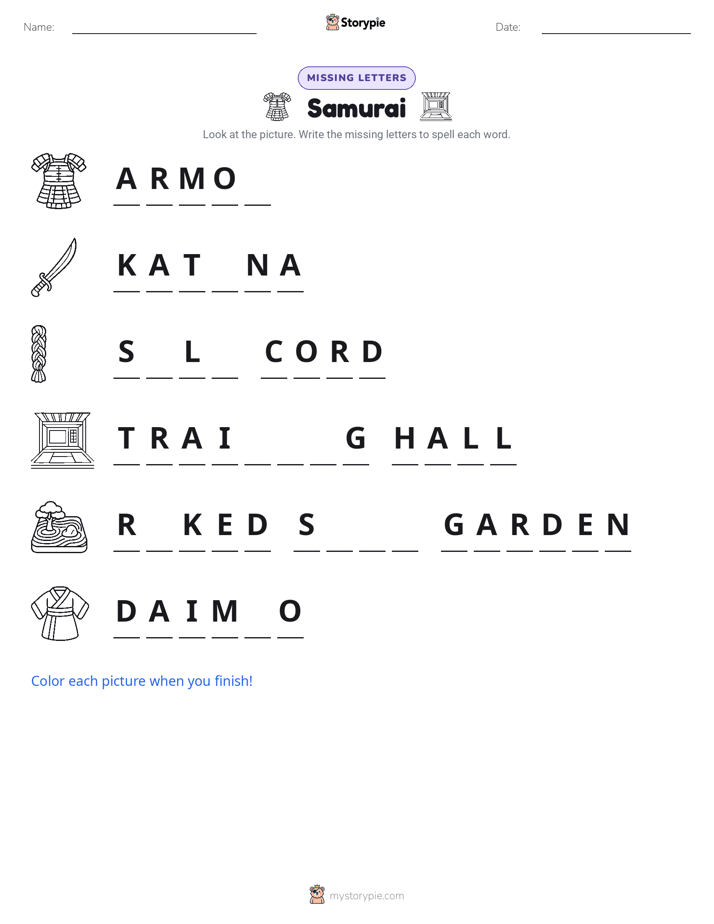
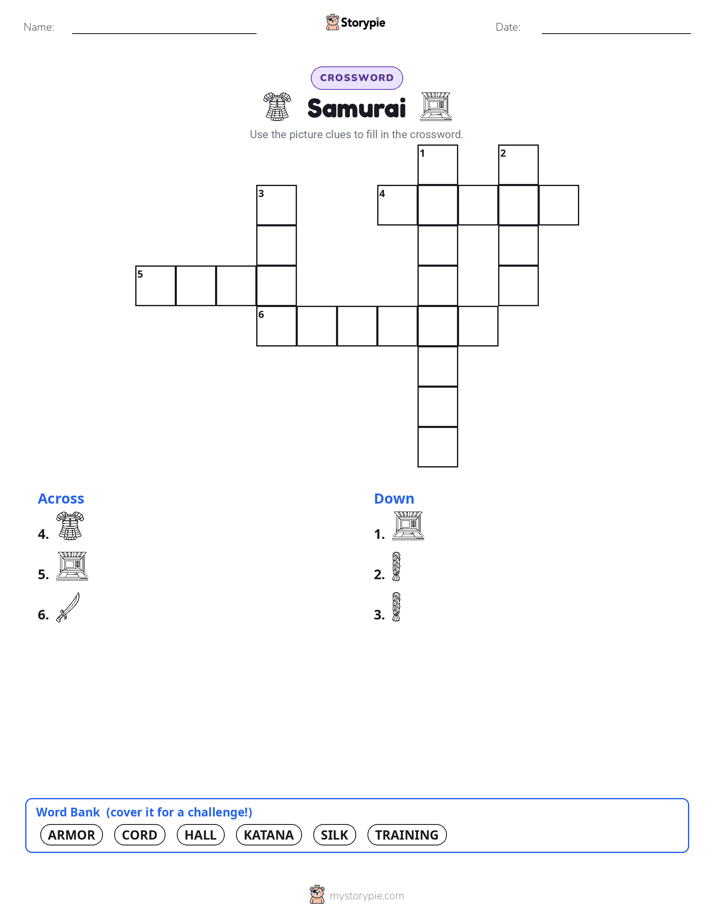
Imagine the quiet focus before a battle. Feel the weight of lacquered armor plates tied together with silk cords, a solid shield for the body. Sense the perfect, cold balance of a curved steel blade held in your hands. I am the silent discipline in a training hall, the calm mind in a garden of raked sand, and the unshakeable promise made to a powerful lord, a daimyo. I am a pledge to protect, to serve, and to live by a code of conduct more demanding than any written law. Before nations had vast armies, I was the shield and the sword of Japan. For centuries, I was the very heart of the country's warrior class, a symbol of strength and dedication. They called me Samurai.
My story begins long ago, during Japan's Heian period, which lasted from 794 to 1185. My name comes from the old word 'saburau', which means 'to serve'. In those early days, I was exactly that: a servant. Wealthy nobles and landowners in the countryside hired warriors like me to guard their estates because the emperor's central government in the capital was often too far away to help. As the years passed, the power of the nobles grew, and so did mine. The great Genpei War, a massive civil war that shook the entire country, was my turning point. When it ended in 1185, one of the most powerful warrior leaders, Minamoto no Yoritomo, rose to the top. On August 21st, 1192, he was granted the title of shogun and established a new military government called the Kamakura shogunate. For the first time, Japan was ruled not by court nobles, but by its warriors. I was no longer just a servant; I was the foundation of society itself.
The Way of the Warrior
Imagine the quiet focus before a battle. Feel the weight of lacquered armor plates tied together with silk cords, a solid shield for the body. Sense the perfect, cold balance of a curved steel blade held in your hands. I am the silent discipline in a training hall, the calm mind in a garden of raked sand, and the unshakeable promise made to a powerful lord, a daimyo. I am a pledge to protect, to serve, and to live by a code of conduct more demanding than any written law. Before nations had vast armies, I was the shield and the sword of Japan. For centuries, I was the very heart of the country's warrior class, a symbol of strength and dedication. They called me Samurai.
My story begins long ago, during Japan's Heian period, which lasted from 794 to 1185. My name comes from the old word 'saburau', which means 'to serve'. In those early days, I was exactly that: a servant. Wealthy nobles and landowners in the countryside hired warriors like me to guard their estates because the emperor's central government in the capital was often too far away to help. As the years passed, the power of the nobles grew, and so did mine. The great Genpei War, a massive civil war that shook the entire country, was my turning point. When it ended in 1185, one of the most powerful warrior leaders, Minamoto no Yoritomo, rose to the top. On August 21st, 1192, he was granted the title of shogun and established a new military government called the Kamakura shogunate. For the first time, Japan was ruled not by court nobles, but by its warriors. I was no longer just a servant; I was the foundation of society itself.
To be me was to follow a strict philosophy called Bushido, or 'The Way of the Warrior'. This wasn't just a set of rules for battle; it was a guide for living an honorable life. It taught seven key virtues: integrity, courage, compassion, respect, honesty, honor, and loyalty. A warrior’s honor was his most prized possession, more valuable than life itself. My ultimate symbol was the katana, a long, curved sword with a single, razor-sharp edge. It was seen as an extension of my very soul, crafted with incredible skill and care. But my training went far beyond the sword. I practiced calligraphy, writing beautiful characters with ink and brush. I wrote poetry, capturing a single moment in just a few lines. I learned the precise, calm movements of the tea ceremony. This ideal was called 'bunbu ryodo', the way of the pen and the sword together. It meant a true warrior must be both strong and wise, a scholar and a fighter. This became especially important during the long peace of the Edo Period, from 1603 until 1868, when my role shifted from fighting on battlefields to serving as an administrator and leader in a stable society.
My time as the ruling class of Japan came to an end. In 1868, a new era called the Meiji Restoration began. The emperor was restored to power, and Japan began to modernize at an incredible speed, adopting technology and ideas from the West. The age of shoguns, daimyo, and sword-wielding warriors was over. My official status was abolished by the government in the 1870s, and I was told to put down my swords. But did I truly disappear? No. An idea is harder to defeat than any army. My spirit—the intense dedication to discipline, the tireless pursuit of excellence, and the profound sense of honor—lived on. You can see it today in the discipline of martial arts like Kendo and Judo, which grew from my traditions. You can feel it in the focus of artists and the dedication of business leaders. My story is told in books, movies, and games all over the world, inspiring people with tales of courage and loyalty. I am an echo in time, a timeless reminder that the greatest strength is not found in a sword, but in mastering oneself and living a life of purpose.
Wow facts
About
The Samurai were the military nobility and officer caste of medieval and early-modern Japan from the 12th century to their abolition in the 1870s. They followed a strict code of honor and were known for their skill in swordsmanship.
Take a Quiz
Question 1 of 5
What was the main turning point that shifted the Samurai from being hired guards to the ruling class of Japan?
Explore next




Want to do even more?
Go beyond exploring. Unlock tools that turn every story into real learning.

Storypie Plus for families
Full stories, quizzes, and printables. Nights and car rides, sorted.
- Unlimited audio stories
- Create Mode: your child stars in the story
- Offline downloads
- Printable worksheets & coloring pages

Why Storypie for Schools
Students engaged. Prep in seconds. Evenings back to you.
- Worksheets & Quizzes
- Classroom Management
- Formative Assessment
- Custom Curriculum & Lesson Plans
- 27 Languages

Why Storypie for Homeschool
Curriculum done. They'll ask for more. Hours back in your day.
- Worksheet Generator
- First-Person Audio Stories
- Built-in Comprehension Quizzes
- Custom Curriculum & Lesson Plans
- Print & Go Activities