English

Shinto
Shinto is the traditional, indigenous faith of Japan…
Reads at Grades 6–8 Listens at Grades 4–8
Print & create
Answer keys·No prep·Free with an account
28 worksheets · answer keys · full story · quiz · Ages 10-12 · CEFR B2
Plus adds 102,000+ more stories in 27 languages, audio for every one, and printables for all of them.
Just want Shinto?
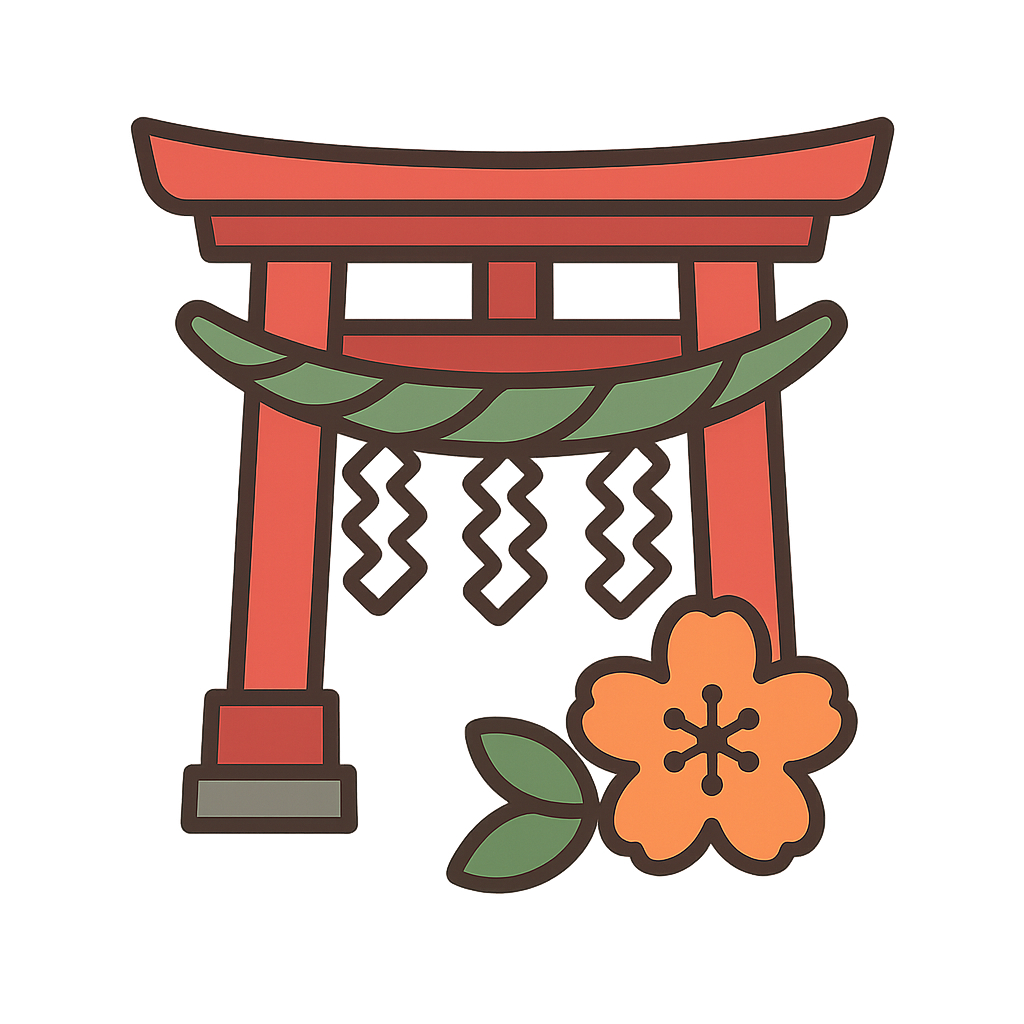
Have you ever stood in a forest so old the trees seem to whisper secrets to one another. Or have you felt the thunderous power of a waterfall as it crashes into a pool below, sending a cool mist onto your face. Perhaps you have felt the gentle, life-giving warmth of the rising sun and felt a sense of peace. In those moments of awe, you have felt my presence. I am the invisible current that flows through everything, the understanding that a spirit, a divine essence, lives in all things. People call these spirits ‘kami,’ and they can be found in a majestic mountain, a winding river, a weathered old stone, or even in the ancestors whose memories guide you. I am the quiet respect you feel for the world around you, the unspoken bond that connects you to the land, to your community, and to the generations that came before. I am the feeling that the world is alive with wonders, both seen and unseen. I am Shinto, the way of the kami.
My beginnings are as ancient as the Japanese islands themselves, stretching back thousands of years, long before anyone thought to write my stories down. During what historians call the Yayoi period, which began around 300 BCE, farming communities and powerful clans lived by my principles without ever calling me by name. They built shrines to honor the local kami that watched over them—the spirit of the forest that provided wood, the spirit of the river that gave them water, or the spirit of a great ancestor who founded their family. I was not a formal religion with a holy book; I was simply a natural part of life, woven into the daily rhythms of planting rice, celebrating harvests, and honoring family. Then, in the 6th century CE, a new set of ideas arrived from the Asian mainland. It was called Buddhism, a different path to understanding the world. To help people understand the distinction between the traditional ways and this new one, they finally gave me a name. They called me Shinto, which means ‘the way of the gods,’ so I could stand alongside ‘Butsudo,’ the way of the Buddha. For a long, long time, we existed together peacefully, and many people found wisdom in following both paths, seeing no conflict between honoring the kami of a local shrine and praying in a Buddhist temple.
The Way of the Kami
Have you ever stood in a forest so old the trees seem to whisper secrets to one another. Or have you felt the thunderous power of a waterfall as it crashes into a pool below, sending a cool mist onto your face. Perhaps you have felt the gentle, life-giving warmth of the rising sun and felt a sense of peace. In those moments of awe, you have felt my presence. I am the invisible current that flows through everything, the understanding that a spirit, a divine essence, lives in all things. People call these spirits ‘kami,’ and they can be found in a majestic mountain, a winding river, a weathered old stone, or even in the ancestors whose memories guide you. I am the quiet respect you feel for the world around you, the unspoken bond that connects you to the land, to your community, and to the generations that came before. I am the feeling that the world is alive with wonders, both seen and unseen. I am Shinto, the way of the kami.
My beginnings are as ancient as the Japanese islands themselves, stretching back thousands of years, long before anyone thought to write my stories down. During what historians call the Yayoi period, which began around 300 BCE, farming communities and powerful clans lived by my principles without ever calling me by name. They built shrines to honor the local kami that watched over them—the spirit of the forest that provided wood, the spirit of the river that gave them water, or the spirit of a great ancestor who founded their family. I was not a formal religion with a holy book; I was simply a natural part of life, woven into the daily rhythms of planting rice, celebrating harvests, and honoring family. Then, in the 6th century CE, a new set of ideas arrived from the Asian mainland. It was called Buddhism, a different path to understanding the world. To help people understand the distinction between the traditional ways and this new one, they finally gave me a name. They called me Shinto, which means ‘the way of the gods,’ so I could stand alongside ‘Butsudo,’ the way of the Buddha. For a long, long time, we existed together peacefully, and many people found wisdom in following both paths, seeing no conflict between honoring the kami of a local shrine and praying in a Buddhist temple.
For countless generations, my stories were not read from a book but were carried on the breath of storytellers, passed from parent to child around the hearth. But as the nation of Japan grew more unified, its rulers decided that these important tales needed to be preserved in a more permanent form. In the 8th century CE, the imperial court commissioned scholars to create an official record of the nation’s history and my myths. On January 28th, 712, a book called the ‘Kojiki,’ or ‘Record of Ancient Matters,’ was completed. Just eight years later, on June 15th, 720, another volume called the ‘Nihon Shoki,’ or ‘Chronicles of Japan,’ appeared. In their pages, you can read how the divine beings Izanagi and Izanami stood on the floating bridge of heaven and dipped a jeweled spear into the churning sea below. The drops that fell from the spear formed the very first island of Japan. From these two deities came many other kami, including the most revered of all: Amaterasu Omikami, the glorious goddess of the sun. These texts established that Amaterasu was the direct ancestor of Japan’s imperial family. This created a profound and lasting connection between me, the identity of the nation, and its line of emperors, cementing my place at the heart of Japanese culture.
Like a river that flows through different landscapes, my path has not always been the same. For most of my history, I was a personal and local practice, focused on community festivals and individual reverence. But my role underwent a dramatic change during a period called the Meiji Restoration, which began in 1868. The new government wanted to modernize Japan and create a strong, unified national identity. To do this, they made me the official state religion. Shrines were organized under a government system, and my teachings were used to promote loyalty to the emperor and the nation. This was a very different purpose for me, one that was more political than spiritual. However, this chapter came to a close after the end of World War II on September 2nd, 1945. The official state status was dissolved, and I was separated from the government. This change allowed me to return to my true nature, to once again become a personal and community-focused path. I could focus on what I have always done best: helping people feel a connection to nature and the kami, and encouraging them to live with purity, sincerity, and a grateful heart.
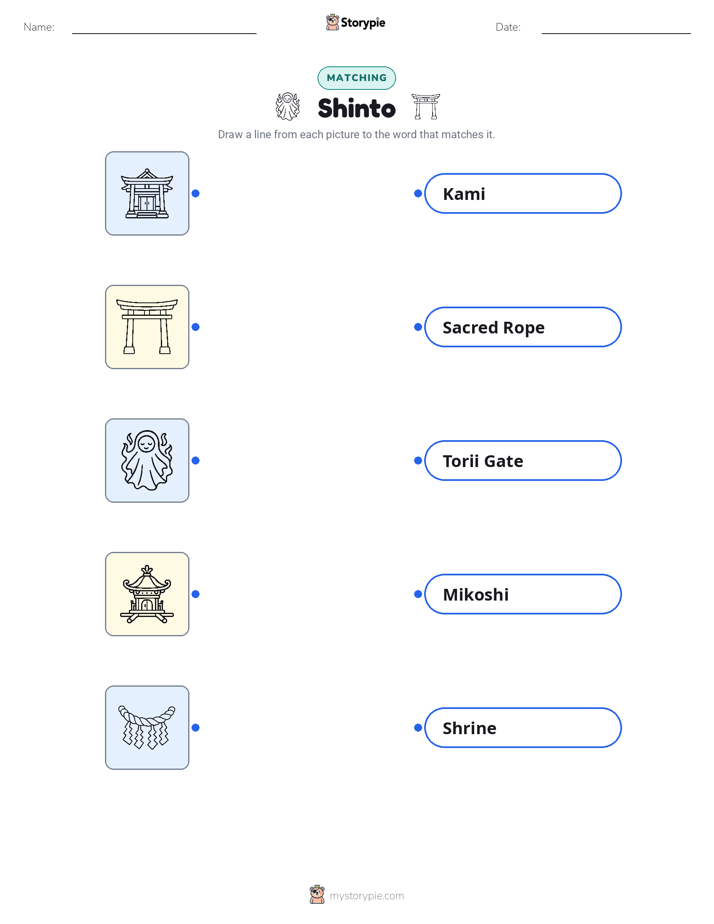
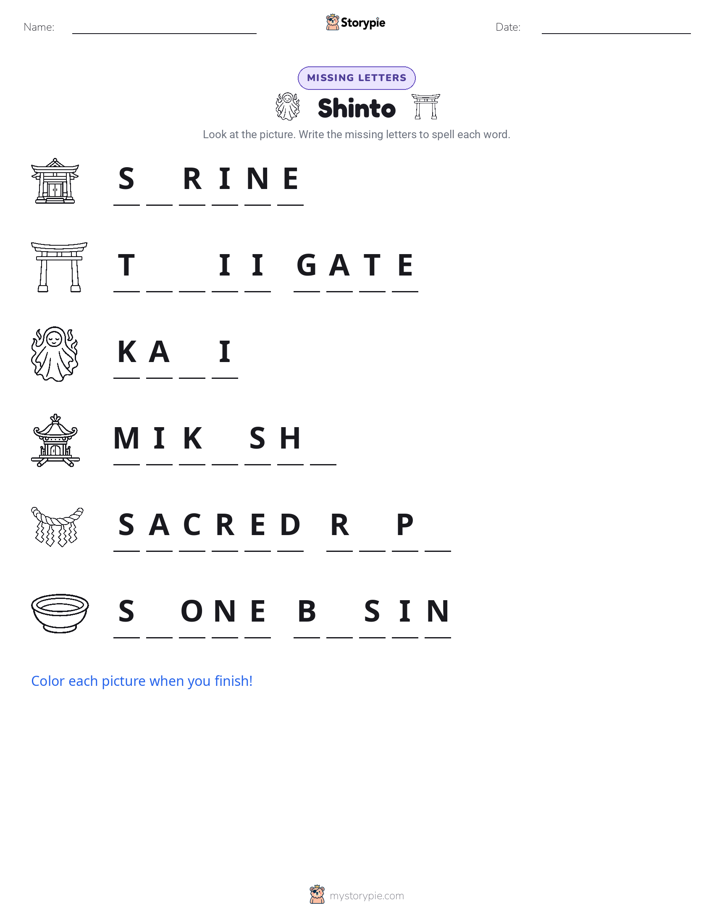
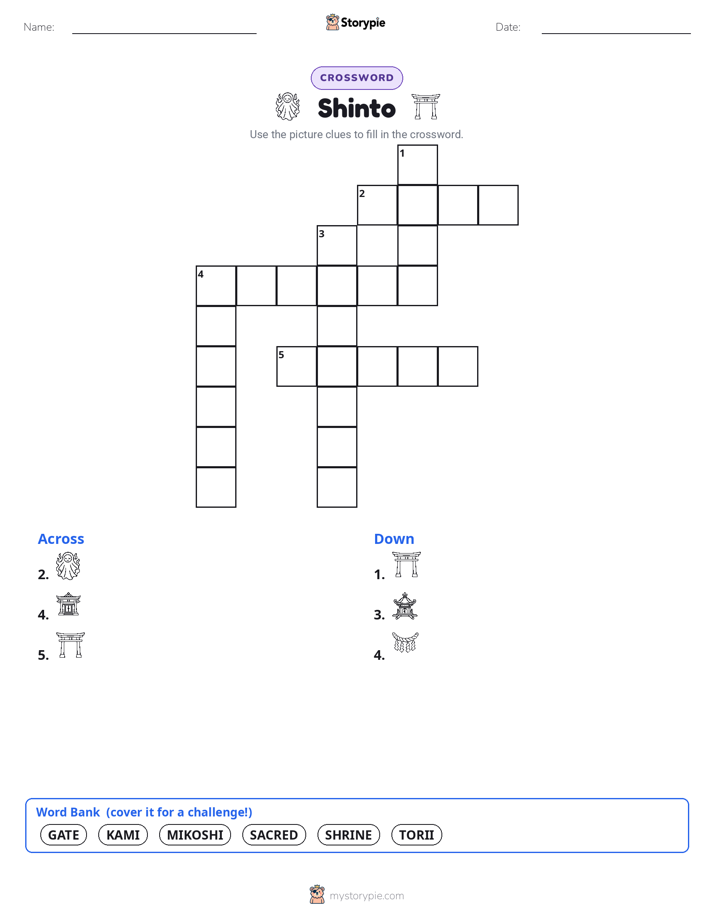
Even in a world of skyscrapers and bullet trains, you can still find me. I am in the vibrant, joyful energy of a local festival, a ‘matsuri,’ where people carry a portable shrine, or ‘mikoshi,’ through the streets to honor their local kami. You can see me in the quiet moments when millions of families visit a shrine, or ‘jinja,’ on New Year’s Day to pray for health and good fortune in the year ahead. I am there in the simple, graceful ritual of a traditional Shinto wedding, and in the act of purifying your hands and mouth with water from a stone basin before entering a sacred space. My spirit lives in the deep respect shown to a centuries-old tree wrapped with a sacred rope, acknowledging the kami that dwells within. I am not just a collection of ancient stories or a relic from the past. I am a living, breathing path that continues to offer people a way to find harmony with the natural world, their community, and the purest parts of themselves, reminding everyone that the world around us is filled with sacred wonders waiting to be noticed.
Wow facts
About
Shinto is the traditional, indigenous faith of Japan, a set of beliefs and practices centered on the worship of kami (divine spirits) found in nature, ancestors, and objects.
Take a Quiz
Question 1 of 5
What was the primary reason Shinto was finally given a name in the 6th century CE?
Explore next


Want to do even more?
Go beyond exploring. Unlock tools that turn every story into real learning.

Storypie Plus for families
Full stories, quizzes, and printables. Nights and car rides, sorted.
- Unlimited audio stories
- Create Mode: your child stars in the story
- Offline downloads
- Printable worksheets & coloring pages

Why Storypie for Schools
Students engaged. Prep in seconds. Evenings back to you.
- Worksheets & Quizzes
- Classroom Management
- Formative Assessment
- Custom Curriculum & Lesson Plans
- 27 Languages

Why Storypie for Homeschool
Curriculum done. They'll ask for more. Hours back in your day.
- Worksheet Generator
- First-Person Audio Stories
- Built-in Comprehension Quizzes
- Custom Curriculum & Lesson Plans
- Print & Go Activities