English

Solstice
The solstice is an astronomical event occurring twice a year when the Sun reaches its highest or lowest point…
Reads at Grades 6–8 Listens at Grades 4–8
Print & create
Answer keys·No prep·Free with an account
28 worksheets · answer keys · full story · quiz · Ages 10-12 · CEFR B2
Plus adds 164,000+ more stories in 27 languages, audio for every one, and printables for all of them.
Just want Solstice?
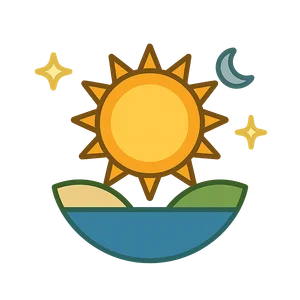
Have you ever felt it. That one summer afternoon that stretches on forever, when the golden light refuses to fade and the air buzzes with endless possibility. The sun hangs high and defiant, painting the world in warm colors long after it should have gone to bed. Or perhaps you know my other face. The quiet winter day when shadows grow long before you’ve had your fill of light, and the evening rushes in like a soft, cozy blanket, urging you inside toward the warmth of a fire. I am that moment of extreme, the peak of light and the depth of darkness. I am a turning point, a cosmic pause when the entire planet seems to hold its breath, balanced on the edge of a new season. For a brief instant, the great star that warms your world appears to stop its steady climb or descent across the sky. It reaches its highest or lowest point and just for a moment, it hangs there. I am the reason for the longest day of light and the longest night of darkness. I am the Solstice, and I happen twice a year, marking the moment the sun seems to stand still in the sky.
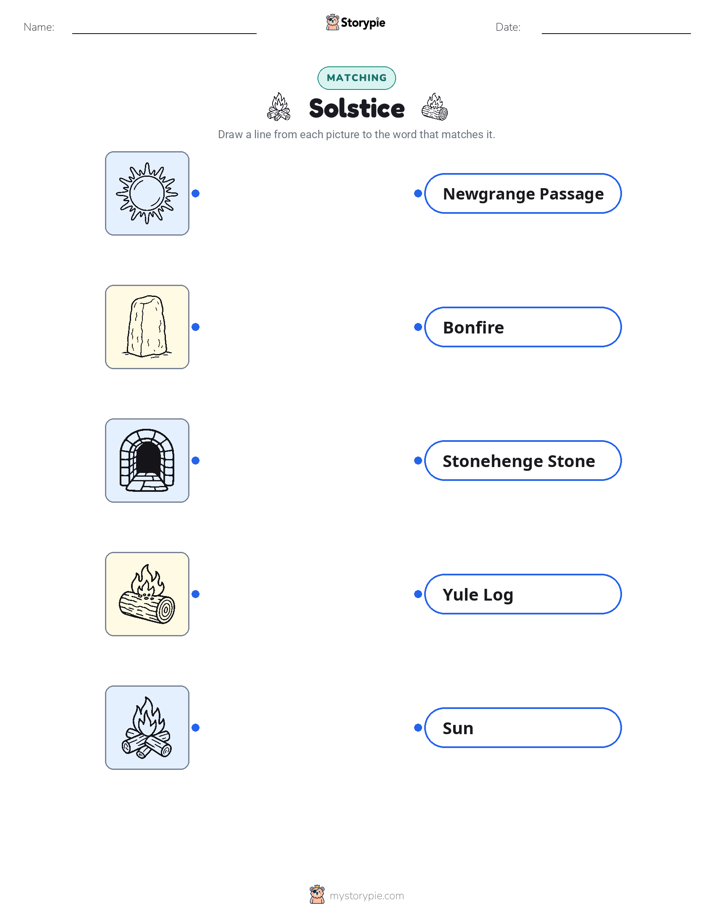
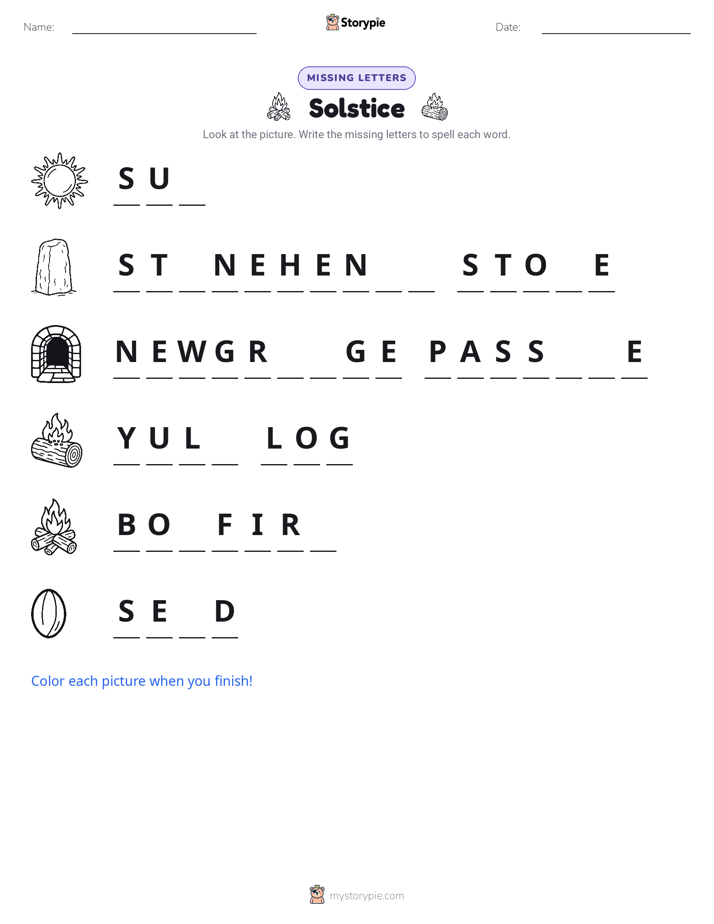
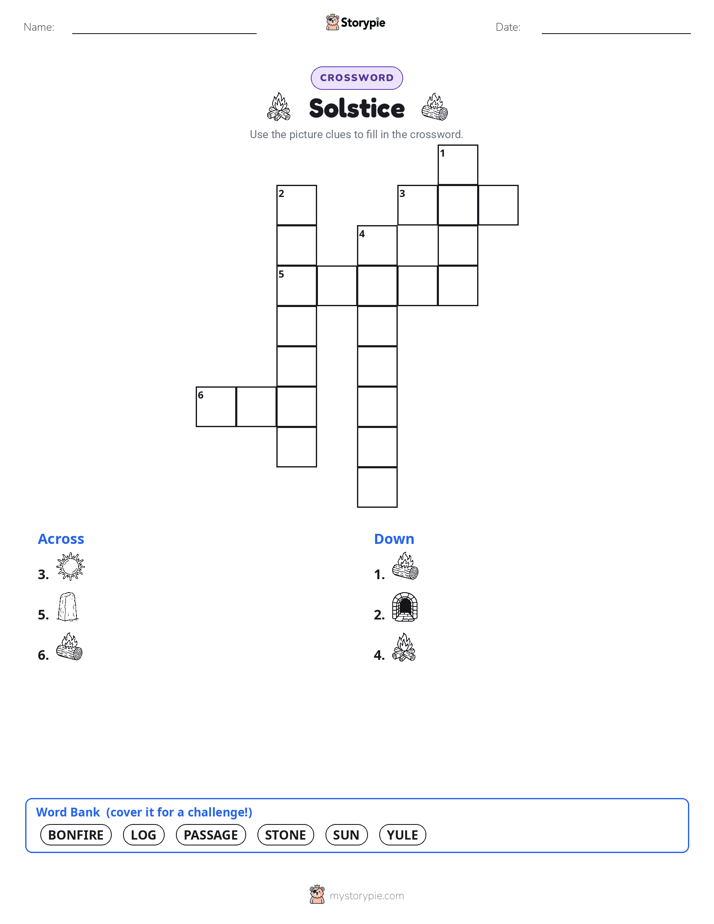
Long before your cities rose and your books were written, people knew me intimately. Their lives depended on me. Thousands of years ago, during the Neolithic era, survival was a dance with the seasons. Ancient farmers needed to know the perfect time to plant their seeds and the right moment to harvest their crops. They had no calendars like yours, so they looked to the sky. They watched the sun's daily journey, noticing how its path shifted, rising and setting in different places along the horizon as the year progressed. They saw that this celestial journey was not random but a predictable, powerful cycle. And in their wisdom, they decided to build magnificent structures to track my arrival. In Ireland, around 3200 BCE, they built a great earthen mound called Newgrange. They were brilliant engineers. They designed a long, narrow passage leading to a chamber deep inside the tomb, and they angled it perfectly. For just a few days around my winter arrival, the first rays of the rising sun pierce the darkness, flooding the chamber with golden light. Farther away, in what is now England, others began an even more ambitious project. From around 3000 BCE to 1600 BCE, they raised the giant stones of Stonehenge, aligning them with breathtaking precision. On the morning of my summer appearance, the sun rises directly over the Heel Stone, casting a perfect shadow into the heart of the circle. At my winter coming, the setting sun aligns flawlessly between the tallest trilithons. These were not just piles of rock; they were sacred calendars, celestial observatories, and places of immense ceremony, all built to honor my power and the rhythm I bring to the world.
The Day the Sun Stood Still
Have you ever felt it. That one summer afternoon that stretches on forever, when the golden light refuses to fade and the air buzzes with endless possibility. The sun hangs high and defiant, painting the world in warm colors long after it should have gone to bed. Or perhaps you know my other face. The quiet winter day when shadows grow long before you’ve had your fill of light, and the evening rushes in like a soft, cozy blanket, urging you inside toward the warmth of a fire. I am that moment of extreme, the peak of light and the depth of darkness. I am a turning point, a cosmic pause when the entire planet seems to hold its breath, balanced on the edge of a new season. For a brief instant, the great star that warms your world appears to stop its steady climb or descent across the sky. It reaches its highest or lowest point and just for a moment, it hangs there. I am the reason for the longest day of light and the longest night of darkness. I am the Solstice, and I happen twice a year, marking the moment the sun seems to stand still in the sky.
Long before your cities rose and your books were written, people knew me intimately. Their lives depended on me. Thousands of years ago, during the Neolithic era, survival was a dance with the seasons. Ancient farmers needed to know the perfect time to plant their seeds and the right moment to harvest their crops. They had no calendars like yours, so they looked to the sky. They watched the sun's daily journey, noticing how its path shifted, rising and setting in different places along the horizon as the year progressed. They saw that this celestial journey was not random but a predictable, powerful cycle. And in their wisdom, they decided to build magnificent structures to track my arrival. In Ireland, around 3200 BCE, they built a great earthen mound called Newgrange. They were brilliant engineers. They designed a long, narrow passage leading to a chamber deep inside the tomb, and they angled it perfectly. For just a few days around my winter arrival, the first rays of the rising sun pierce the darkness, flooding the chamber with golden light. Farther away, in what is now England, others began an even more ambitious project. From around 3000 BCE to 1600 BCE, they raised the giant stones of Stonehenge, aligning them with breathtaking precision. On the morning of my summer appearance, the sun rises directly over the Heel Stone, casting a perfect shadow into the heart of the circle. At my winter coming, the setting sun aligns flawlessly between the tallest trilithons. These were not just piles of rock; they were sacred calendars, celestial observatories, and places of immense ceremony, all built to honor my power and the rhythm I bring to the world.
My arrival has always been a reason to gather, to feast, and to find hope. As civilizations grew, they created festivals to celebrate my turning points. In the mighty Roman Empire, my winter arrival was marked by Saturnalia, a week-long festival in December filled with pure joy. It was a time when rules were relaxed, and homes were decorated with greenery. People exchanged gifts, enjoyed enormous feasts, and celebrated the promise that light and warmth would soon return to the world after the longest night. Far to the north, among the Norse and Germanic tribes of Europe, my winter visit was known as Yule. During this cold, dark time, they would light enormous bonfires, their flames leaping into the night sky as if to lend strength to the weakened sun. They would bring a massive log, the Yule log, into their homes to burn for many days, a symbol of light, warmth, and life continuing through the harshest part of the year. These celebrations, though different in their details, shared a common spirit. They were a powerful recognition of the natural world's cycle of darkness and light. I gave people a reason to come together, to find hope in the deepest winter, and to give thanks for the abundance of summer. I was a reminder that even after the longest night, the sun always returns.
My secret, the reason for my very existence, isn't magic, but a beautiful piece of cosmic science. Your planet, Earth, doesn't sit perfectly straight as it journeys around the sun. It has a permanent lean, an axial tilt of about 23.5 degrees. Imagine the Earth as a spinning top that is always tilted to one side. As it orbits the sun over the course of a year, this tilt means that sometimes the Northern Hemisphere is leaning most directly toward the sun, and other times the Southern Hemisphere is. I am the exact moment of that maximum lean. The Summer Solstice is when your part of the world is tilted most directly toward the sun, giving you the longest period of daylight. The Winter Solstice is when you are tilted farthest away, giving you the longest night. It’s that simple, elegant tilt that creates your seasons and brings me to you twice a year. Today, I am a beautiful reminder of our planet's amazing journey through space. I connect you to the ancient builders of Newgrange and the sky-watchers at Stonehenge. Every time you enjoy a long summer evening or cozy up on a dark winter night, you are part of a rhythm as old as humanity itself. I am a promise that light will always return and that there is a perfect, predictable balance to our incredible universe.
Wow facts
About
The solstice is an astronomical event occurring twice a year when the Sun reaches its highest or lowest point in the sky at noon, resulting in the longest and shortest days of the year.
Take a Quiz
Question 1 of 5
What is the main idea of the story told by the Solstice?
Explore next




Want to do even more?
Go beyond exploring. Unlock tools that turn every story into real learning.

Storypie Plus for families
Full stories, quizzes, and printables. Nights and car rides, sorted.
- Unlimited audio stories
- Create Mode: your child stars in the story
- Offline downloads
- Printable worksheets & coloring pages

Why Storypie for Schools
Students engaged. Prep in seconds. Evenings back to you.
- Worksheets & Quizzes
- Classroom Management
- Formative Assessment
- Custom Curriculum & Lesson Plans
- 27 Languages

Why Storypie for Homeschool
Curriculum done. They'll ask for more. Hours back in your day.
- Worksheet Generator
- First-Person Audio Stories
- Built-in Comprehension Quizzes
- Custom Curriculum & Lesson Plans
- Print & Go Activities