English

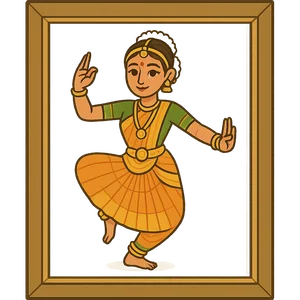
Bharatanatyam
Bharatanatyam is a major form of Indian classical dance that originated in the temples of Tamil Nadu.
Reads at Grades 3–5 Listens at Grades 1–5
Print & create
Answer keys·No prep·Free with an account
28 worksheets · answer keys · full story · quiz · Ages 8-10 · CEFR B1
Plus adds 164,000+ more stories in 27 languages, audio for every one, and printables for all of them.
Just want Bharatanatyam?
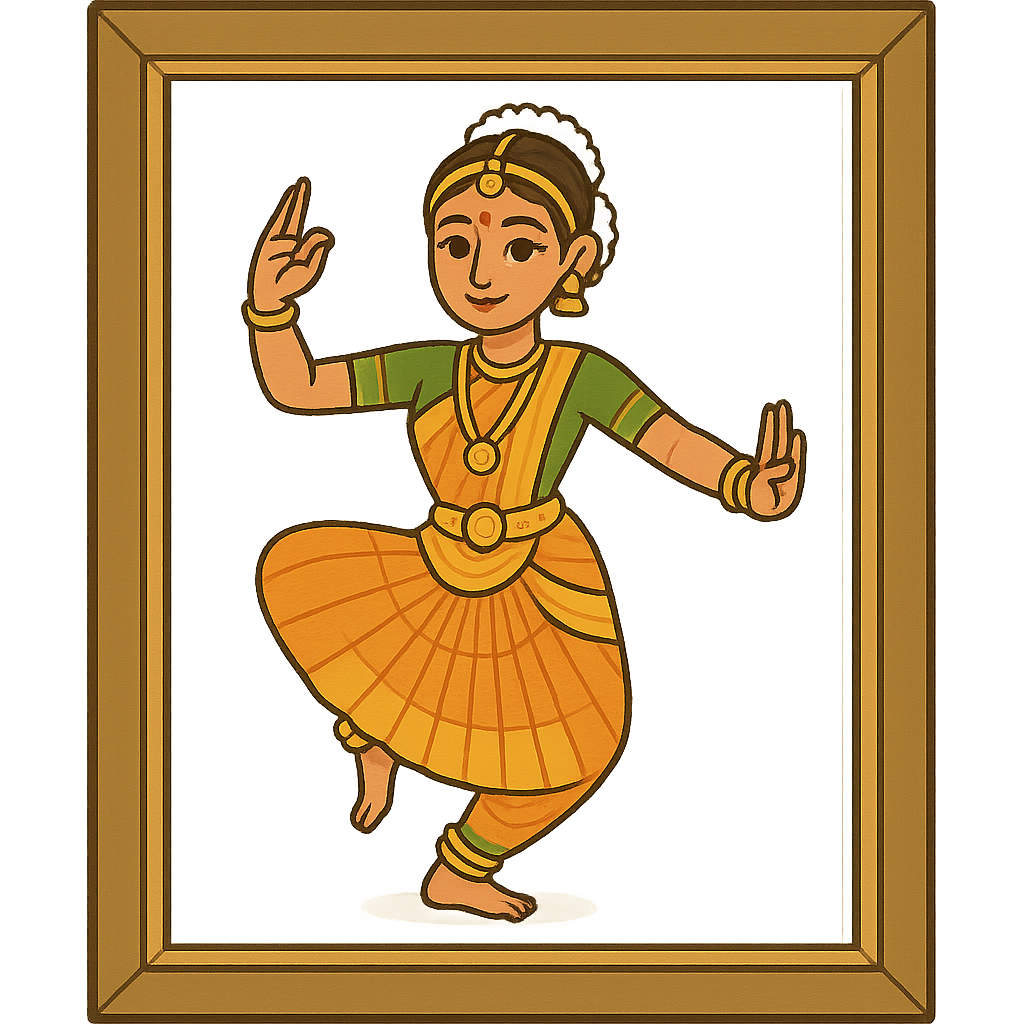
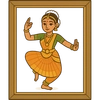
Listen. Can you hear the sound of tiny bells jingling with every stomp of a foot? Can you see the flash of bright silk and gold as a dancer bends her knees? Look closely at her hands. They form the shape of a blooming flower, then a busy bee, then a graceful deer. Her eyes tell you if the story is happy or sad, full of wonder or surprise. I am not a person, but I have a soul. I am a story told not with words, but with a whole body, from the tips of the fingers to the soles of the feet. I am Bharatanatyam, a dance born thousands of years ago in the warm temples of Southern India, and this is my story.
My life began so long ago that it’s hard to count the years—more than 2,000 of them. I was born in the beautiful stone temples of a land now called Tamil Nadu. All of my movements, from the smallest flick of an eyebrow to the most powerful leap, were carefully written down in a very important book called the Natya Shastra, around the 2nd century BCE. This book was like my instruction manual, making sure my stories were told correctly for generations. In those early days, I was danced by special temple dancers called devadasis. They dedicated their lives to me. I was their way of speaking to the gods and of sharing the epic tales of heroes and deities with all the people who came to worship. For hundreds and hundreds of years, I lived happily within those sacred stone walls. But times began to change. People from a faraway country, Great Britain, came to rule India. They saw me, but they didn't understand my language of gestures and expressions. They thought I was just a strange performance, not a sacred form of storytelling. Because they didn't value me, they discouraged people from performing me. For a long, sad while, my music grew quiet and my bells stopped jingling. By the early 20th century, I was rarely seen in public, and I was almost forgotten.
The Dance of a Thousand Stories
Listen. Can you hear the sound of tiny bells jingling with every stomp of a foot? Can you see the flash of bright silk and gold as a dancer bends her knees? Look closely at her hands. They form the shape of a blooming flower, then a busy bee, then a graceful deer. Her eyes tell you if the story is happy or sad, full of wonder or surprise. I am not a person, but I have a soul. I am a story told not with words, but with a whole body, from the tips of the fingers to the soles of the feet. I am Bharatanatyam, a dance born thousands of years ago in the warm temples of Southern India, and this is my story.
My life began so long ago that it’s hard to count the years—more than 2,000 of them. I was born in the beautiful stone temples of a land now called Tamil Nadu. All of my movements, from the smallest flick of an eyebrow to the most powerful leap, were carefully written down in a very important book called the Natya Shastra, around the 2nd century BCE. This book was like my instruction manual, making sure my stories were told correctly for generations. In those early days, I was danced by special temple dancers called devadasis. They dedicated their lives to me. I was their way of speaking to the gods and of sharing the epic tales of heroes and deities with all the people who came to worship. For hundreds and hundreds of years, I lived happily within those sacred stone walls. But times began to change. People from a faraway country, Great Britain, came to rule India. They saw me, but they didn't understand my language of gestures and expressions. They thought I was just a strange performance, not a sacred form of storytelling. Because they didn't value me, they discouraged people from performing me. For a long, sad while, my music grew quiet and my bells stopped jingling. By the early 20th century, I was rarely seen in public, and I was almost forgotten.
A dance as full of stories as I am can never truly disappear. In the 1930s, when India was fighting for its freedom, people began to remember and celebrate their ancient arts. They found me again, waiting quietly to be reborn. A brave artist and dancer named Rukmini Devi Arundale knew how beautiful and important I was. She believed I shouldn't be hidden away. She and other artists worked hard to bring me back into the light. They took me from the temples and put me onto grand stages for the whole world to see. They showed everyone that my stories of gods, nature, and human feelings were for everyone. Today, I am danced by people of all ages and backgrounds across the globe, from small villages in India to big cities in America. I am a bridge that connects them to the ancient myths and feelings of a vibrant culture. Every time a dancer ties on their ankle bells and tells a story with their hands and eyes, I am born again. I am a living piece of history, a timeless art that proves that the most powerful stories are the ones we dance.
Wow facts
About
Bharatanatyam is a major form of Indian classical dance that originated in the temples of Tamil Nadu. It is known for its fixed upper torso, bent legs and knees, spectacular footwork, and a sophisticated vocabulary of sign language based on gestures of hands, eyes, and face muscles.
Take a Quiz
Question 1 of 5
Why do you think the story says Bharatanatyam was 'almost forgotten' during British rule?
Explore next




Want to do even more?
Go beyond exploring. Unlock tools that turn every story into real learning.

Storypie Plus for families
Full stories, quizzes, and printables. Nights and car rides, sorted.
- Unlimited audio stories
- Create Mode: your child stars in the story
- Offline downloads
- Printable worksheets & coloring pages

Why Storypie for Schools
Students engaged. Prep in seconds. Evenings back to you.
- Worksheets & Quizzes
- Classroom Management
- Formative Assessment
- Custom Curriculum & Lesson Plans
- 27 Languages

Why Storypie for Homeschool
Curriculum done. They'll ask for more. Hours back in your day.
- Worksheet Generator
- First-Person Audio Stories
- Built-in Comprehension Quizzes
- Custom Curriculum & Lesson Plans
- Print & Go Activities