English

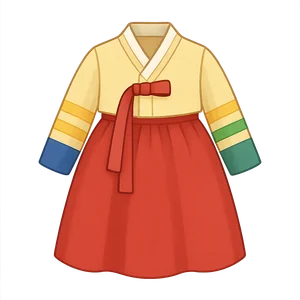
Hanbok
The Hanbok is the traditional attire of the Korean people, known for its vibrant colors, graceful lines…
Reads at Grades 3–5 Listens at Grades 1–5
Print & create
Answer keys·No prep·Free with an account
28 worksheets · answer keys · full story · quiz · Ages 8-10 · CEFR B1
Plus adds 164,000+ more stories in 27 languages, audio for every one, and printables for all of them.
Just want Hanbok?
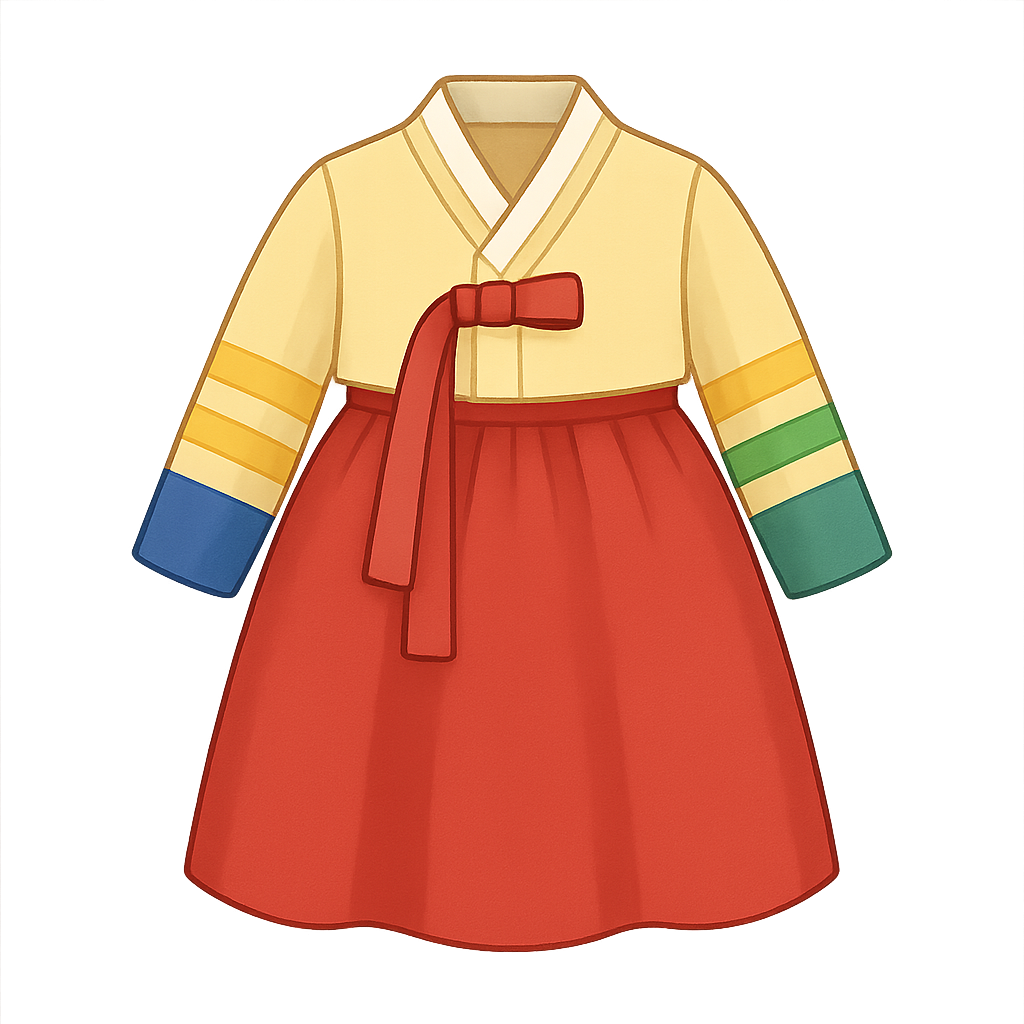
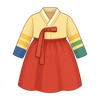
Imagine the gentle rustle of leaves in a soft breeze. That is the sound I make when I move. My wide skirt, the chima, sways and billows like a flower opening in the morning sun. I can be made from the softest, smoothest silk or from crisp, cool ramie fabric that feels wonderful on a warm day. My colors are a rainbow gathered from nature itself. Sometimes my jacket, the jeogori, is as bright and yellow as a forsythia flower in spring. Other times, my skirt is as deep and mysterious as the blue sea. I have been worn in the grandest palaces, where kings and queens walked on polished floors, and in quiet country homes, where families gathered to share meals and laughter. I am a part of happy celebrations, quiet moments, and the vibrant flow of life. Can you picture me, a beautiful swirl of color and grace?. I am the Hanbok, the beautiful traditional clothing of Korea.
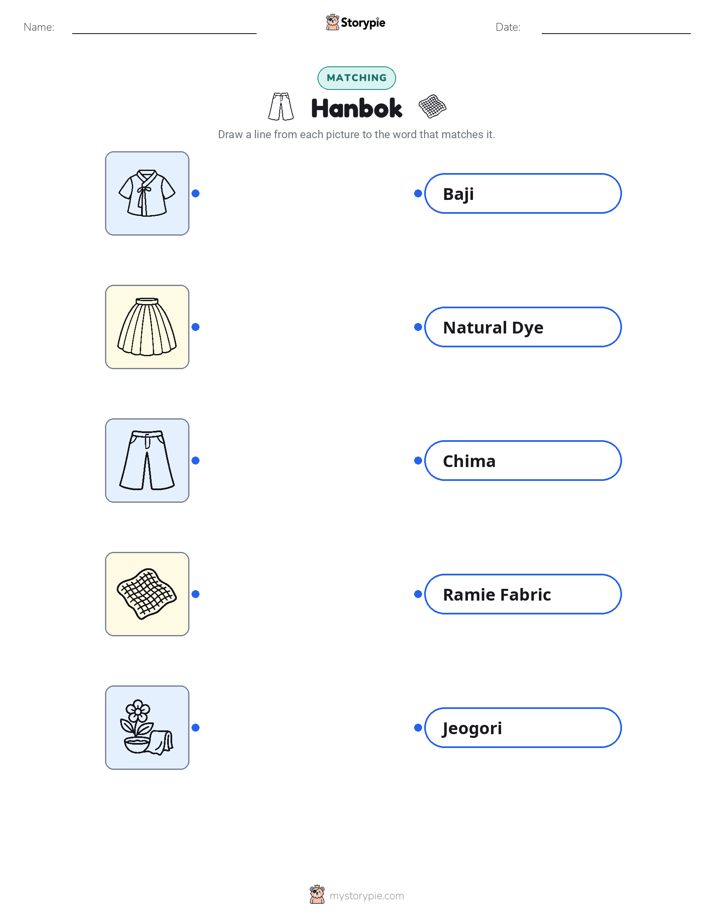
My story is woven from threads of history that go back a very, very long time. It began with early versions of me worn during the Three Kingdoms period, which started all the way back in the 1st century BCE. Over hundreds of years, I changed and evolved, just like the people who wore me. But the classic, elegant shape that people know and love today was perfected during the famous Joseon Dynasty, which began in the year 1392 and lasted for over 500 years. It was then that my most famous parts came together. For women, I have a short, snug jacket called a jeogori, which is tied with a beautiful long ribbon called a goreum. This is paired with the full, high-waisted skirt called a chima. For men, the jeogori is longer and paired with comfortable, roomy trousers called baji. Artisans crafted me from things found in nature. They spun thread from cotton plants, unwound cocoons for shimmering silk, and wove fibers from hemp plants. The amazing colors came from nature, too. Dyes were made from flower petals, tree bark, and even gardenia seeds to make me brilliant and beautiful.
I Am the Hanbok
Imagine the gentle rustle of leaves in a soft breeze. That is the sound I make when I move. My wide skirt, the chima, sways and billows like a flower opening in the morning sun. I can be made from the softest, smoothest silk or from crisp, cool ramie fabric that feels wonderful on a warm day. My colors are a rainbow gathered from nature itself. Sometimes my jacket, the jeogori, is as bright and yellow as a forsythia flower in spring. Other times, my skirt is as deep and mysterious as the blue sea. I have been worn in the grandest palaces, where kings and queens walked on polished floors, and in quiet country homes, where families gathered to share meals and laughter. I am a part of happy celebrations, quiet moments, and the vibrant flow of life. Can you picture me, a beautiful swirl of color and grace?. I am the Hanbok, the beautiful traditional clothing of Korea.
My story is woven from threads of history that go back a very, very long time. It began with early versions of me worn during the Three Kingdoms period, which started all the way back in the 1st century BCE. Over hundreds of years, I changed and evolved, just like the people who wore me. But the classic, elegant shape that people know and love today was perfected during the famous Joseon Dynasty, which began in the year 1392 and lasted for over 500 years. It was then that my most famous parts came together. For women, I have a short, snug jacket called a jeogori, which is tied with a beautiful long ribbon called a goreum. This is paired with the full, high-waisted skirt called a chima. For men, the jeogori is longer and paired with comfortable, roomy trousers called baji. Artisans crafted me from things found in nature. They spun thread from cotton plants, unwound cocoons for shimmering silk, and wove fibers from hemp plants. The amazing colors came from nature, too. Dyes were made from flower petals, tree bark, and even gardenia seeds to make me brilliant and beautiful.
I was never just one thing. I was a dress for every story in a person's life, and I helped tell the world who they were. The colors and fabrics I wore were like a secret code. A king might wear me in deep, royal red and shimmering gold, with mighty dragons stitched right onto my sleeves to show his power. A quiet scholar, on the other hand, might prefer me in a calm, simple blue or white to show his focus on learning. I was there for all the most important days. For a wedding, a bride would wear a special Hanbok of vibrant green and red, symbolizing new life and energy. For Seollal, the Lunar New Year, families would dress in their finest, brand-new Hanbok, which had a special name: seolbim. Can you imagine the excitement?. Children in their colorful seolbim would perform a deep, respectful bow to their grandparents, wishing them health and happiness for the new year. I felt so proud to be part of these moments that connected generations.
Today, the world is filled with jeans, T-shirts, and all sorts of modern clothes. But even so, I am still a beloved and important part of Korean life. My story is not over. People wear me with great pride for holidays like Chuseok (the Harvest Festival) and for special family events like weddings and first birthdays. I bring a special kind of beauty and dignity to these celebrations. Modern fashion designers look at my flowing shapes, my graceful lines, and my beautiful color combinations and feel inspired. They create new styles of clothing that carry a hint of my spirit. I am more than just clothes. I am a piece of history, a work of art, and a celebration of Korean culture. In my threads, I carry stories of the past, and I continue to dance gracefully into the future, reminding everyone of the beauty of tradition.
Wow facts
About
The Hanbok is the traditional attire of the Korean people, known for its vibrant colors, graceful lines, and historical significance, with designs that date back centuries. The term 'hanbok' emerged in the late Joseon period to distinguish Korean traditional attire from Japanese and Western clothes.
Take a Quiz
Question 1 of 5
Why do you think the Hanbok is described as 'a dress for every story'?
Explore next


Want to do even more?
Go beyond exploring. Unlock tools that turn every story into real learning.

Storypie Plus for families
Full stories, quizzes, and printables. Nights and car rides, sorted.
- Unlimited audio stories
- Create Mode: your child stars in the story
- Offline downloads
- Printable worksheets & coloring pages

Why Storypie for Schools
Students engaged. Prep in seconds. Evenings back to you.
- Worksheets & Quizzes
- Classroom Management
- Formative Assessment
- Custom Curriculum & Lesson Plans
- 27 Languages

Why Storypie for Homeschool
Curriculum done. They'll ask for more. Hours back in your day.
- Worksheet Generator
- First-Person Audio Stories
- Built-in Comprehension Quizzes
- Custom Curriculum & Lesson Plans
- Print & Go Activities