English

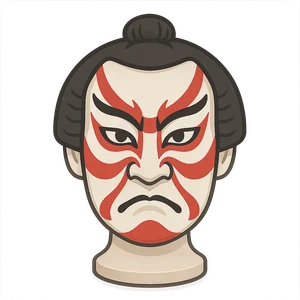
Kabuki Theater
Kabuki is a classical form of Japanese theater known for its highly stylized performances…
Reads at Grades 6–8 Listens at Grades 4–8
Print & create
Answer keys·No prep·Free with an account
28 worksheets · answer keys · full story · quiz · Ages 10-12 · CEFR B2
Plus adds 164,000+ more stories in 27 languages, audio for every one, and printables for all of them.
Just want Kabuki Theater?
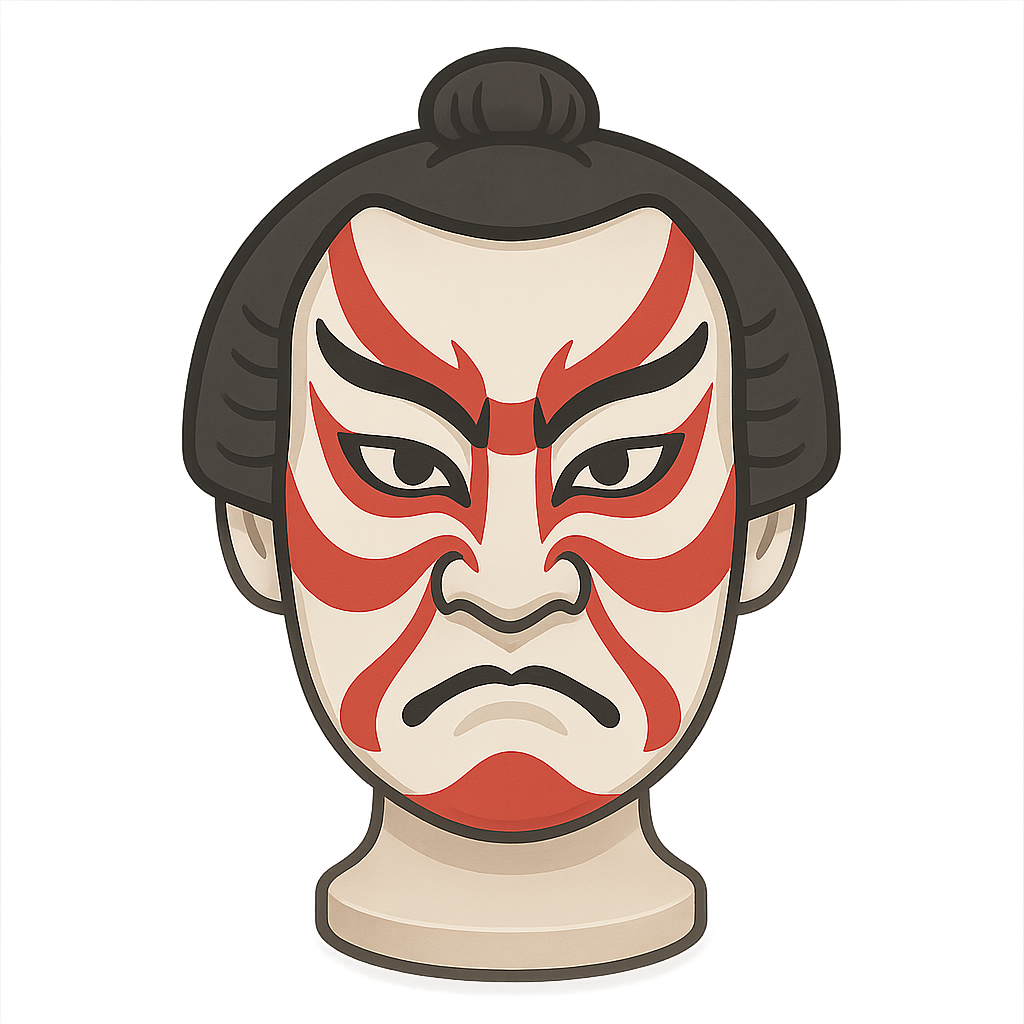
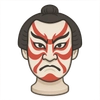
The sharp, clear clap of wooden blocks, called *hyoshigi*, cuts through the quiet hum of the audience. A wave of anticipation ripples through the crowd as the curtain sweeps open. Before you see a story, you feel my energy. You see bold colors and dramatic makeup called *kumadori*, which paints the faces of my heroes in powerful lines of red to show virtue and my villains in stark blue to signify evil. My actors wear costumes so heavy and intricately woven with silk and gold thread that they are masterpieces themselves. I speak not just with words, but with the entire body. At a moment of peak emotion—a confrontation, a sorrowful realization, a vow of revenge—an actor will freeze in a powerful, statue-like pose called a *mie*, holding the audience breathless. This is a world where dance, drama, and music combine to create something unforgettable. I am Kabuki, a form of classical Japanese theater, and I was born from a creative spark over four hundred years ago.
My story begins not in a grand, gilded theater, but on a humble stage built in a dry riverbed in the bustling city of Kyoto around the year 1603. My creator was a truly remarkable woman named Izumo no Okuni. She was a shrine maiden, and she gathered a troupe that was, at the time, made up mostly of women. Okuni was a brilliant innovator. She took the traditional, solemn religious dances she knew and mixed them with lively, sometimes funny, and often dramatic sketches about the lives of ordinary people and samurai. Her performances were completely new and utterly captivating. People from all walks of life flocked to see them. They loved the beautiful costumes, the engaging stories, and the charismatic energy of Okuni and her performers. For a brief, shining period, I was a world shaped by women, telling stories with a fresh voice that echoed through the streets of the old capital.
I Am Kabuki: A Voice from the Stage
The sharp, clear clap of wooden blocks, called hyoshigi, cuts through the quiet hum of the audience. A wave of anticipation ripples through the crowd as the curtain sweeps open. Before you see a story, you feel my energy. You see bold colors and dramatic makeup called kumadori, which paints the faces of my heroes in powerful lines of red to show virtue and my villains in stark blue to signify evil. My actors wear costumes so heavy and intricately woven with silk and gold thread that they are masterpieces themselves. I speak not just with words, but with the entire body. At a moment of peak emotion—a confrontation, a sorrowful realization, a vow of revenge—an actor will freeze in a powerful, statue-like pose called a mie, holding the audience breathless. This is a world where dance, drama, and music combine to create something unforgettable. I am Kabuki, a form of classical Japanese theater, and I was born from a creative spark over four hundred years ago.
My story begins not in a grand, gilded theater, but on a humble stage built in a dry riverbed in the bustling city of Kyoto around the year 1603. My creator was a truly remarkable woman named Izumo no Okuni. She was a shrine maiden, and she gathered a troupe that was, at the time, made up mostly of women. Okuni was a brilliant innovator. She took the traditional, solemn religious dances she knew and mixed them with lively, sometimes funny, and often dramatic sketches about the lives of ordinary people and samurai. Her performances were completely new and utterly captivating. People from all walks of life flocked to see them. They loved the beautiful costumes, the engaging stories, and the charismatic energy of Okuni and her performers. For a brief, shining period, I was a world shaped by women, telling stories with a fresh voice that echoed through the streets of the old capital.
My journey, however, was full of twists. In 1629, the ruling government, the Tokugawa shogunate, issued a decree that women could no longer perform on stage. It was a decision that could have ended my story, but I am resilient. I adapted. The female roles were taken over by young men, and eventually, this practice was perfected by adult male actors known as onnagata. These performers dedicated their entire lives to mastering the art of portraying women, studying every delicate gesture, vocal inflection, and graceful movement. They became stars in their own right. Throughout the long and peaceful Edo Period, from 1603 to 1868, I truly came into my own. I became the theater of the common people, especially the growing merchant class who had the time and money for entertainment. My stories expanded to include epic historical tales, heart-wrenching domestic dramas, and stories of samurai honor. My stages also became more complex and exciting. The hanamichi, a long walkway that extends from the stage right through the audience, was created to bring actors closer to their fans for dramatic entrances and exits. My stages also featured incredible machinery, like revolving platforms for quick scene changes and trapdoors for magical appearances and disappearances.
Centuries have passed since my first performance on that Kyoto riverbed. I have survived devastating fires, massive earthquakes, and the sweeping changes of the modern world. My stories and performance styles have been carefully passed down from teacher to student, generation after generation. Today, I am treasured as one of Japan's most important cultural traditions. In 2008, my value to the world was officially recognized when I was named a UNESCO Intangible Cultural Heritage. When you sit in my audience today, you are doing more than just watching a play. You are part of a living history, feeling the same thrill and wonder that audiences felt four hundred years ago. I am a bridge across time, connecting the present to the past through stories of courage, loyalty, and beauty. I hope my voice continues to echo from the stage, inspiring imagination and wonder for many years to come.
Wow facts
About
Kabuki is a classical form of Japanese theater known for its highly stylized performances, elaborate makeup and costumes, and dramatic storytelling. Originating in the 17th century, it remains a significant part of Japan's cultural heritage.
Take a Quiz
Question 1 of 5
Summarize the main reason Kabuki theater had to change significantly in the year 1629.
Explore next






Want to do even more?
Go beyond exploring. Unlock tools that turn every story into real learning.

Storypie Plus for families
Full stories, quizzes, and printables. Nights and car rides, sorted.
- Unlimited audio stories
- Create Mode: your child stars in the story
- Offline downloads
- Printable worksheets & coloring pages

Why Storypie for Schools
Students engaged. Prep in seconds. Evenings back to you.
- Worksheets & Quizzes
- Classroom Management
- Formative Assessment
- Custom Curriculum & Lesson Plans
- 27 Languages

Why Storypie for Homeschool
Curriculum done. They'll ask for more. Hours back in your day.
- Worksheet Generator
- First-Person Audio Stories
- Built-in Comprehension Quizzes
- Custom Curriculum & Lesson Plans
- Print & Go Activities