English

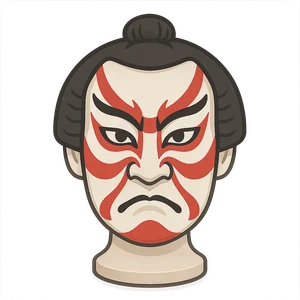
Kabuki Theater
Kabuki is a classical form of Japanese theater known for its highly stylized performances…
Reads at Grades K-2 Listens at K–3
Print & create
Answer keys·No prep·Free with an account
28 worksheets · answer keys · full story · quiz · Ages 6-8 · CEFR A2
Plus adds 164,000+ more stories in 27 languages, audio for every one, and printables for all of them.
Just want Kabuki Theater?
Imagine a world bursting with color and sound! CLACK-CLACK go the wooden blocks, and BOOM goes the great drum. Silks of red and gold swirl as figures with amazing painted faces leap and dance. They might be brave warriors, graceful princesses, or mischievous animals. The audience gasps, laughs, and cheers. This magical world of stories is me. I am Kabuki Theater, and I was born in Japan a very long time ago.
My story begins around the year 1603 in a city called Kyoto. A wonderful dancer named Izumo no Okuni and her friends set up a simple stage by a river. They performed new, exciting dances and funny plays about everyday life. Everyone loved it! At first, all my actors were women. But many years later, in 1629, the leaders of the land made new rules, and only men were allowed to perform. It was a big change, but it made me grow in new ways. Men learned to play all the parts, even the beautiful princesses, becoming experts called 'onnagata.' They studied hard to move gracefully and speak in soft voices, making the stories just as magical as before.
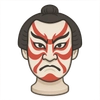
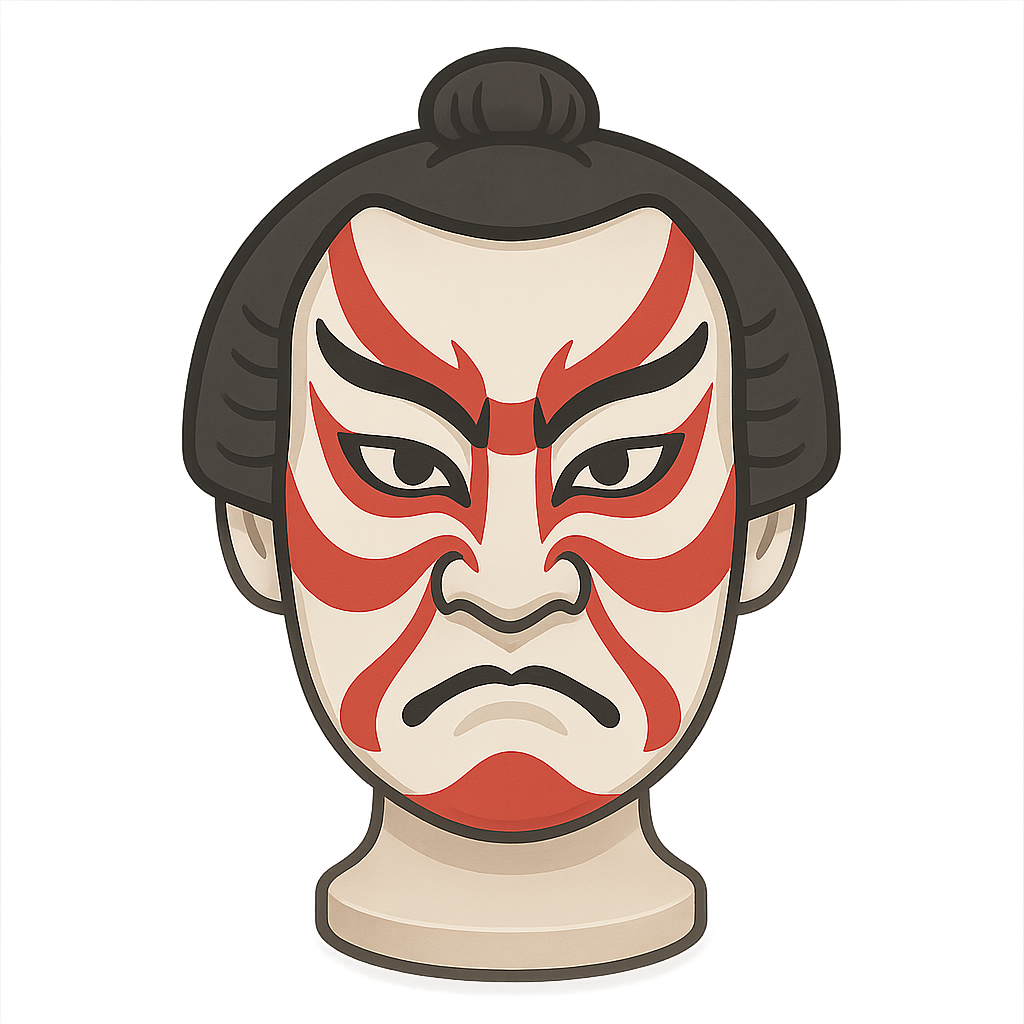
I have so many secrets to share! My actors wear special makeup called 'kumadori.' It’s like a secret code: bold red stripes on a hero’s face show he is strong and good, while dark blue or black lines show a villain is sneaky and cruel. When an actor wants to show a big feeling, they freeze in a super-powerful pose called a 'mie.' It’s like a comic book character showing off their strength! I even have a special walkway called a 'hanamichi' that goes right through the audience, so the heroes and villains can appear and disappear right next to you. It makes you feel like you're part of the story.
I Am Kabuki Theater
Imagine a world bursting with color and sound! CLACK-CLACK go the wooden blocks, and BOOM goes the great drum. Silks of red and gold swirl as figures with amazing painted faces leap and dance. They might be brave warriors, graceful princesses, or mischievous animals. The audience gasps, laughs, and cheers. This magical world of stories is me. I am Kabuki Theater, and I was born in Japan a very long time ago.
My story begins around the year 1603 in a city called Kyoto. A wonderful dancer named Izumo no Okuni and her friends set up a simple stage by a river. They performed new, exciting dances and funny plays about everyday life. Everyone loved it! At first, all my actors were women. But many years later, in 1629, the leaders of the land made new rules, and only men were allowed to perform. It was a big change, but it made me grow in new ways. Men learned to play all the parts, even the beautiful princesses, becoming experts called 'onnagata.' They studied hard to move gracefully and speak in soft voices, making the stories just as magical as before.
I have so many secrets to share! My actors wear special makeup called 'kumadori.' It’s like a secret code: bold red stripes on a hero’s face show he is strong and good, while dark blue or black lines show a villain is sneaky and cruel. When an actor wants to show a big feeling, they freeze in a super-powerful pose called a 'mie.' It’s like a comic book character showing off their strength! I even have a special walkway called a 'hanamichi' that goes right through the audience, so the heroes and villains can appear and disappear right next to you. It makes you feel like you're part of the story.
For over 400 years, I have shared Japan’s greatest stories—tales of honor, love, and adventure. I am a living, breathing work of art, passed down from one generation of actors to the next. Even today, my drums beat, my actors dance, and my colorful world comes alive. I help people remember the past and imagine new futures, proving that a great story, told with a bold heart and a splash of color, can last forever.
Wow facts
About
Kabuki is a classical form of Japanese theater known for its highly stylized performances, elaborate makeup and costumes, and dramatic storytelling. Originating in the 17th century, it remains a significant part of Japan's cultural heritage.
Take a Quiz
Question 1 of 4
Why did male actors, called 'onnagata', have to learn to play the parts of women?
Explore next






Want to do even more?
Go beyond exploring. Unlock tools that turn every story into real learning.

Storypie Plus for families
Full stories, quizzes, and printables. Nights and car rides, sorted.
- Unlimited audio stories
- Create Mode: your child stars in the story
- Offline downloads
- Printable worksheets & coloring pages

Why Storypie for Schools
Students engaged. Prep in seconds. Evenings back to you.
- Worksheets & Quizzes
- Classroom Management
- Formative Assessment
- Custom Curriculum & Lesson Plans
- 27 Languages

Why Storypie for Homeschool
Curriculum done. They'll ask for more. Hours back in your day.
- Worksheet Generator
- First-Person Audio Stories
- Built-in Comprehension Quizzes
- Custom Curriculum & Lesson Plans
- Print & Go Activities