English

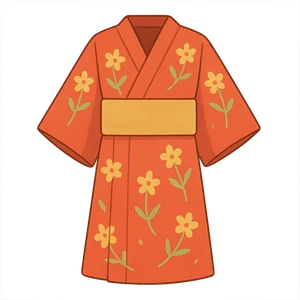
Kimono
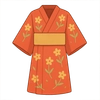
The kimono is a traditional Japanese garment and the national dress of Japan.
Reads at Grades K-2 Listens at K–3
Print & create
Answer keys·No prep·Free with an account
28 worksheets · answer keys · full story · quiz · Ages 6-8 · CEFR A2
Plus adds 244,000+ more stories in 27 languages, audio for every one, and printables for all of them.
Just want Kimono?
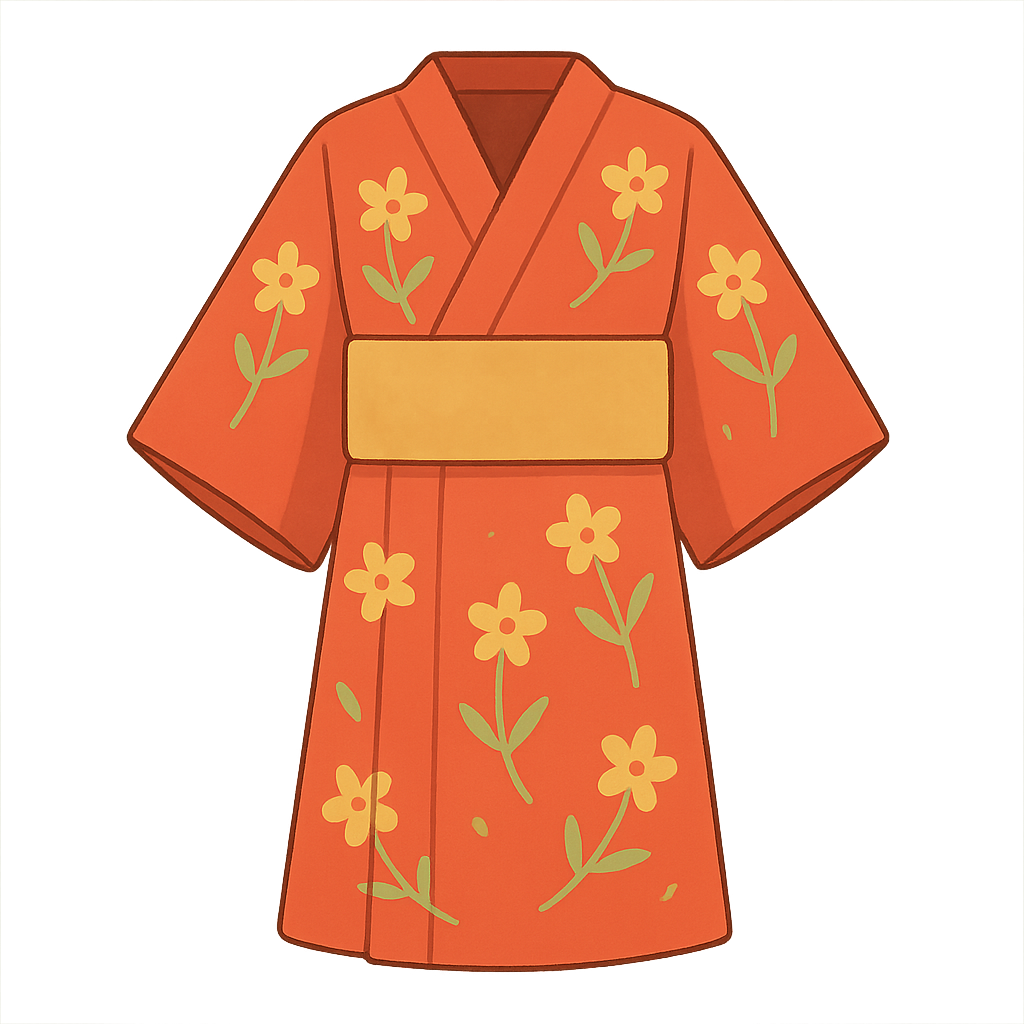
I am a flowing river of silk, painted with pictures of cherry blossoms and soaring cranes. My long sleeves flutter like butterfly wings when you dance. I feel so smooth against your skin. I wrap around you like a soft, gentle hug, tied with a beautiful sash called an obi. The obi is like a fancy belt that holds me perfectly in place. People who make me are called artisans, and they choose every color and every picture with great care. Before you knew my name, you felt my beauty. I am a Kimono, a wonderful robe from Japan, and I am a story you can wear.
My story began a very, very long time ago in the country of Japan. It was during a time called the Heian period, which started way back in the year 794. Back then, I was a much simpler robe called a kosode, which means 'small sleeves'. I was worn underneath other layers of clothing. But over hundreds of years, I changed and grew more beautiful. By the time of the Edo period, which began in the year 1603, I had become the main garment for everyone. Powerful leaders called shoguns wore me, and so did busy merchants selling things in the market. Talented artisans made me from a single, very long piece of fabric. They didn’t cut it into many pieces. They carefully dyed my threads in brilliant colors like ruby red and ocean blue, and then they painted wonderful scenes from nature right onto my silk skin.
Every pattern and picture on me has a special, secret meaning. A design that looks like a tortoise shell is a wish for a long and happy life, while tall, green bamboo shows that a person is strong and can bend without breaking. I was always worn for the most special days. People put me on for weddings, for quiet tea ceremonies, and for happy festivals with lanterns and music. Today, people in Japan often wear different kinds of clothes for their everyday lives, but they still bring me out for their most important celebrations, like holidays and graduation days. My simple, elegant shape has even traveled across the world on ships and in stories, inspiring artists and designers in faraway lands. I am more than just clothing. I am a piece of history and a work of art. I remind everyone that tradition and beauty can be woven together, connecting the past to everyone living in the present.
The Story of the Kimono
I am a flowing river of silk, painted with pictures of cherry blossoms and soaring cranes. My long sleeves flutter like butterfly wings when you dance. I feel so smooth against your skin. I wrap around you like a soft, gentle hug, tied with a beautiful sash called an obi. The obi is like a fancy belt that holds me perfectly in place. People who make me are called artisans, and they choose every color and every picture with great care. Before you knew my name, you felt my beauty. I am a Kimono, a wonderful robe from Japan, and I am a story you can wear.
My story began a very, very long time ago in the country of Japan. It was during a time called the Heian period, which started way back in the year 794. Back then, I was a much simpler robe called a kosode, which means 'small sleeves'. I was worn underneath other layers of clothing. But over hundreds of years, I changed and grew more beautiful. By the time of the Edo period, which began in the year 1603, I had become the main garment for everyone. Powerful leaders called shoguns wore me, and so did busy merchants selling things in the market. Talented artisans made me from a single, very long piece of fabric. They didn’t cut it into many pieces. They carefully dyed my threads in brilliant colors like ruby red and ocean blue, and then they painted wonderful scenes from nature right onto my silk skin.
Every pattern and picture on me has a special, secret meaning. A design that looks like a tortoise shell is a wish for a long and happy life, while tall, green bamboo shows that a person is strong and can bend without breaking. I was always worn for the most special days. People put me on for weddings, for quiet tea ceremonies, and for happy festivals with lanterns and music. Today, people in Japan often wear different kinds of clothes for their everyday lives, but they still bring me out for their most important celebrations, like holidays and graduation days. My simple, elegant shape has even traveled across the world on ships and in stories, inspiring artists and designers in faraway lands. I am more than just clothing. I am a piece of history and a work of art. I remind everyone that tradition and beauty can be woven together, connecting the past to everyone living in the present.
Wow facts
About
The kimono is a traditional Japanese garment and the national dress of Japan. It is a T-shaped, straight-lined robe worn so that the hem falls to the ankle, with a separate collar and some types have long, wide sleeves.
Take a Quiz
Question 1 of 4
Why did artisans paint tortoise shells on the kimono?
Explore next


Want to do even more?
Go beyond exploring. Unlock tools that turn every story into real learning.

Storypie Plus for families
Full stories, quizzes, and printables. Nights and car rides, sorted.
- Unlimited audio stories
- Create Mode: your child stars in the story
- Offline downloads
- Printable worksheets & coloring pages

Why Storypie for Schools
Students engaged. Prep in seconds. Evenings back to you.
- Worksheets & Quizzes
- Classroom Management
- Formative Assessment
- Custom Curriculum & Lesson Plans
- 27 Languages

Why Storypie for Homeschool
Curriculum done. They'll ask for more. Hours back in your day.
- Worksheet Generator
- First-Person Audio Stories
- Built-in Comprehension Quizzes
- Custom Curriculum & Lesson Plans
- Print & Go Activities