English

Ming Dynasty Porcelain
A type of high-quality white and blue pottery created in China during the Ming Dynasty (1368–1644)…
Reads at Grades 6–8 Listens at Grades 4–8
Print & create
Answer keys·No prep·Free with an account
28 worksheets · answer keys · full story · quiz · Ages 10-12 · CEFR B2
Plus adds 208,000+ more stories in 27 languages, audio for every one, and printables for all of them.
Just want Ming Dynasty Porcelain?
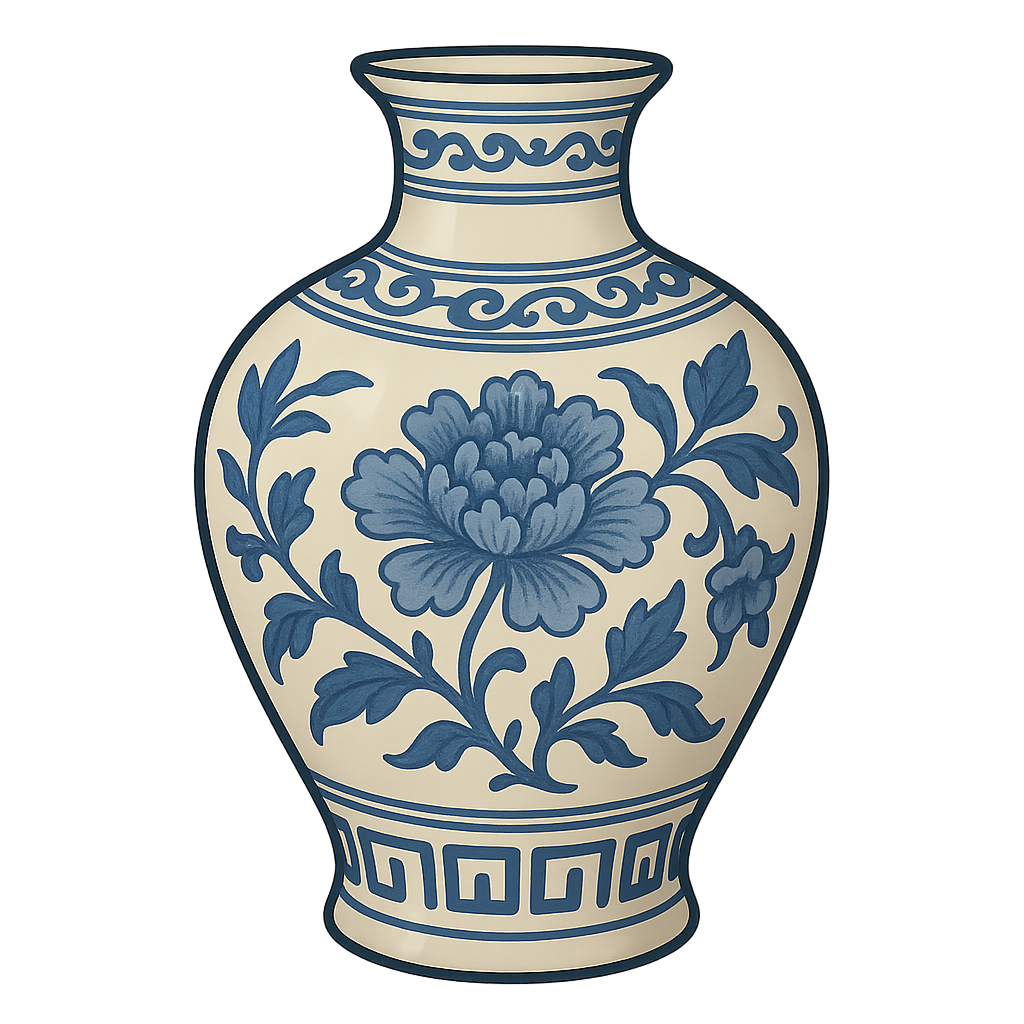
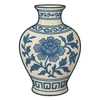
Before I had a name, I was a secret sleeping in the hills of China. I was a special white earth called kaolin, fine and pure. I felt the careful pressure of hands scooping me from the ground, mixing me with water and powdered stone until I was smooth, cool, and pliable. On a potter’s spinning wheel, I began to rise, spiraling upward as skilled fingers guided me into a new form—a graceful vase with a slender neck, a delicate bowl curved like a lotus petal, or a perfect plate, a round, white moon. My skin was a blank canvas, cool and silent, waiting for a story to be told. Then came the artist, brush in hand, dipping into a color as deep and vibrant as the midnight sky. With steady, practiced strokes, dragons with swirling whiskers, elegant phoenixes with feathered tails, and serene lotus flowers bloomed across my surface. I was no longer just clay; I was a dream taking shape. Soon, I would be given my name: Ming Porcelain, a treasure born during the great Ming Dynasty, which began in the year 1368.
My story truly begins in a bustling city called Jingdezhen, which was known for centuries as the porcelain capital of the world. From the 14th to the 17th centuries, this city was alive with the hum of creation, a place where art and industry merged. Thousands of artisans worked in a remarkable collaboration, each a master of a specific craft. Potters shaped me with an almost magical precision. Painters, some of them masters of calligraphy, decorated me with intricate scenes from myths, nature, and imperial life. Glazers then coated me in a thin, glassy layer that would protect my designs and give me a brilliant shine. The iconic blue color that makes me famous came from a mineral called cobalt, a precious material that was often brought from far away in Persia. This international connection was part of my identity before I even left my home. My final, most transformative test was the kiln. These were not just any ovens; they were massive structures, sometimes built into hillsides, so hot they were called 'dragon kilns.' For days, I baked in temperatures soaring above 2,200 degrees Fahrenheit. This fiery trial was terrifying but essential. It fused my clay body and glaze together, making me incredibly strong, surprisingly thin, and almost translucent, allowing light to pass softly through me. When I emerged, I was completely transformed—no longer fragile clay, but a shining, resilient piece of art, ready to last for centuries.
I Am Ming Porcelain
Before I had a name, I was a secret sleeping in the hills of China. I was a special white earth called kaolin, fine and pure. I felt the careful pressure of hands scooping me from the ground, mixing me with water and powdered stone until I was smooth, cool, and pliable. On a potter’s spinning wheel, I began to rise, spiraling upward as skilled fingers guided me into a new form—a graceful vase with a slender neck, a delicate bowl curved like a lotus petal, or a perfect plate, a round, white moon. My skin was a blank canvas, cool and silent, waiting for a story to be told. Then came the artist, brush in hand, dipping into a color as deep and vibrant as the midnight sky. With steady, practiced strokes, dragons with swirling whiskers, elegant phoenixes with feathered tails, and serene lotus flowers bloomed across my surface. I was no longer just clay; I was a dream taking shape. Soon, I would be given my name: Ming Porcelain, a treasure born during the great Ming Dynasty, which began in the year 1368.
My story truly begins in a bustling city called Jingdezhen, which was known for centuries as the porcelain capital of the world. From the 14th to the 17th centuries, this city was alive with the hum of creation, a place where art and industry merged. Thousands of artisans worked in a remarkable collaboration, each a master of a specific craft. Potters shaped me with an almost magical precision. Painters, some of them masters of calligraphy, decorated me with intricate scenes from myths, nature, and imperial life. Glazers then coated me in a thin, glassy layer that would protect my designs and give me a brilliant shine. The iconic blue color that makes me famous came from a mineral called cobalt, a precious material that was often brought from far away in Persia. This international connection was part of my identity before I even left my home. My final, most transformative test was the kiln. These were not just any ovens; they were massive structures, sometimes built into hillsides, so hot they were called 'dragon kilns.' For days, I baked in temperatures soaring above 2,200 degrees Fahrenheit. This fiery trial was terrifying but essential. It fused my clay body and glaze together, making me incredibly strong, surprisingly thin, and almost translucent, allowing light to pass softly through me. When I emerged, I was completely transformed—no longer fragile clay, but a shining, resilient piece of art, ready to last for centuries.
The most flawless versions of me were created for the Emperor of China himself. I lived in the grand, colorful halls of the Forbidden City in Beijing, used in magnificent feasts and admired by the royal court as a symbol of the empire’s power and refined culture. I held delicate foods for the emperor and his family, and my blue-and-white patterns reflected the very order and beauty they wished to project. But my journey was destined to extend far beyond the palace walls. Starting in the 15th century, my siblings and I were carefully packed in straw-lined crates and placed in the holds of great ships, ready to sail the Maritime Silk Road. We traveled across vast oceans to the Middle East, the coast of Africa, and eventually to Europe. In these new lands, kings, queens, and wealthy merchants treasured me, sometimes more than gold. I was a symbol of elegance and a marvel of technology they couldn't yet replicate. My arrival inspired wonder and imitation. In the Netherlands, artists were so captivated that they tried to copy my style, creating their famous blue-and-white pottery known as Delftware. I wasn't just a beautiful object; I was a bridge between cultures, sharing the artistry and stories of Ming China with the entire world.
Many centuries have passed since the Ming Dynasty ended in 1644, but my story continues. My journey did not end when the great ships returned to port or when the emperors who commissioned me passed into history. Today, you can find me in museums all over the globe, from London to Istanbul to New York, resting safely behind glass. People from every country and every walk of life gaze at my blue dragons and swirling vines, wondering about the skilled hands that crafted me so long ago in Jingdezhen. My designs still inspire artists, fashion designers, and people decorating their homes. The classic blue-and-white pattern has become a timeless look, a symbol of elegance that speaks of both history and beauty. I am living proof that something made with care, skill, and imagination can travel not only across oceans but through time itself. I am more than just a piece of pottery; I am a story of human connection, a vessel of history, and a reminder that true beauty never fades. I connect you to a world of emperors, artists, and explorers, inviting you to wonder and to dream.
Wow facts
About
A type of high-quality white and blue pottery created in China during the Ming Dynasty (1368–1644), which became famous worldwide for its intricate designs and craftsmanship.
Take a Quiz
Question 1 of 5
What is the central lesson the story of Ming Porcelain teaches about art and history?
Explore next





Want to do even more?
Go beyond exploring. Unlock tools that turn every story into real learning.

Storypie Plus for families
Full stories, quizzes, and printables. Nights and car rides, sorted.
- Unlimited audio stories
- Create Mode: your child stars in the story
- Offline downloads
- Printable worksheets & coloring pages

Why Storypie for Schools
Students engaged. Prep in seconds. Evenings back to you.
- Worksheets & Quizzes
- Classroom Management
- Formative Assessment
- Custom Curriculum & Lesson Plans
- 27 Languages

Why Storypie for Homeschool
Curriculum done. They'll ask for more. Hours back in your day.
- Worksheet Generator
- First-Person Audio Stories
- Built-in Comprehension Quizzes
- Custom Curriculum & Lesson Plans
- Print & Go Activities