English

Ming Dynasty
The Ming Dynasty was an imperial dynasty of China that ruled from 1368 to 1644.
Reads at Grades 3–5 Listens at Grades 1–5
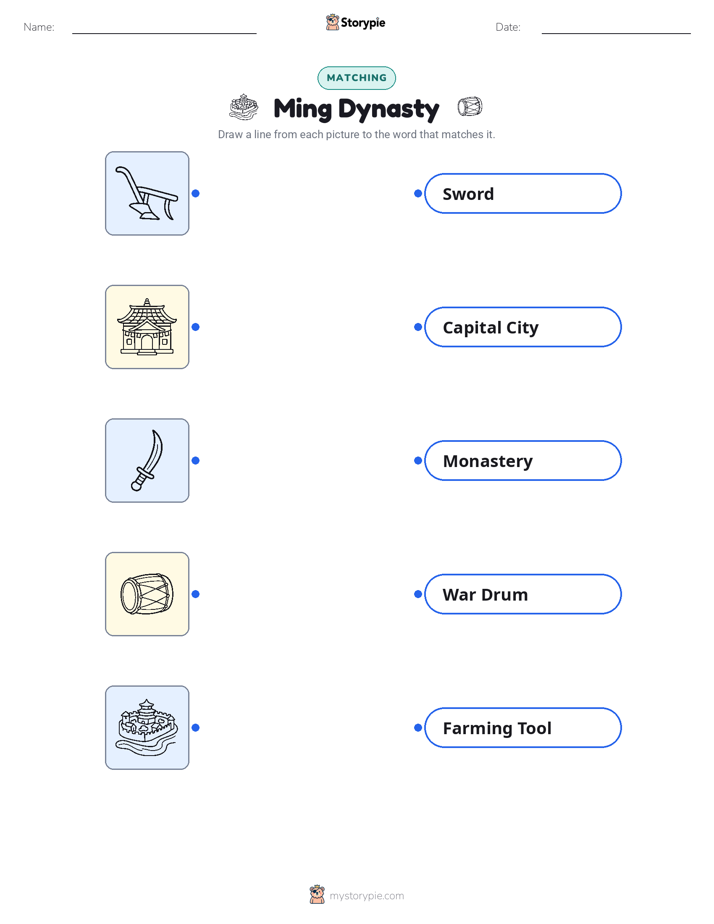
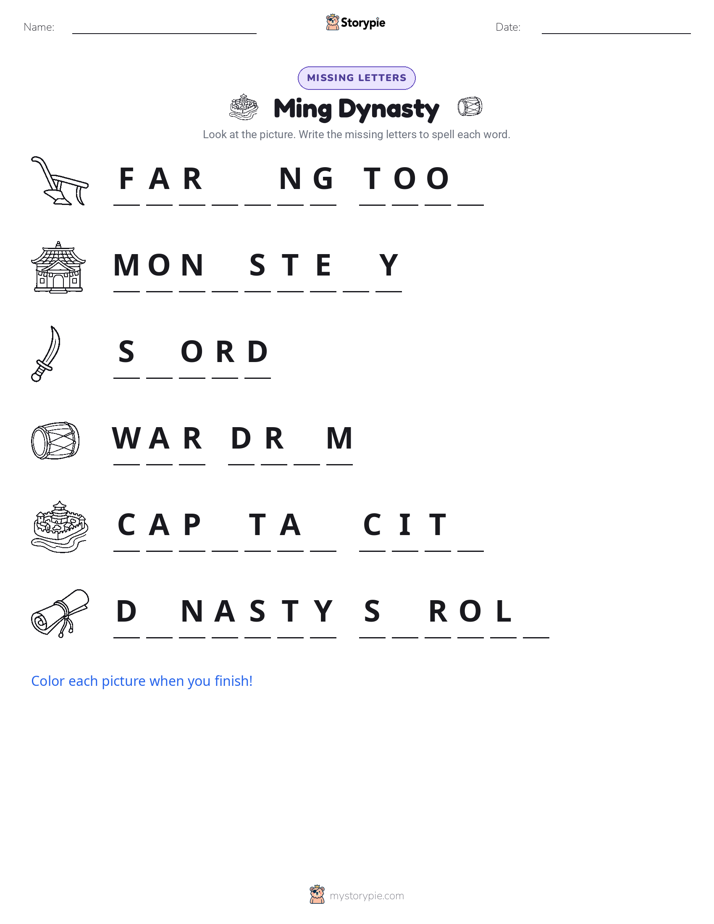
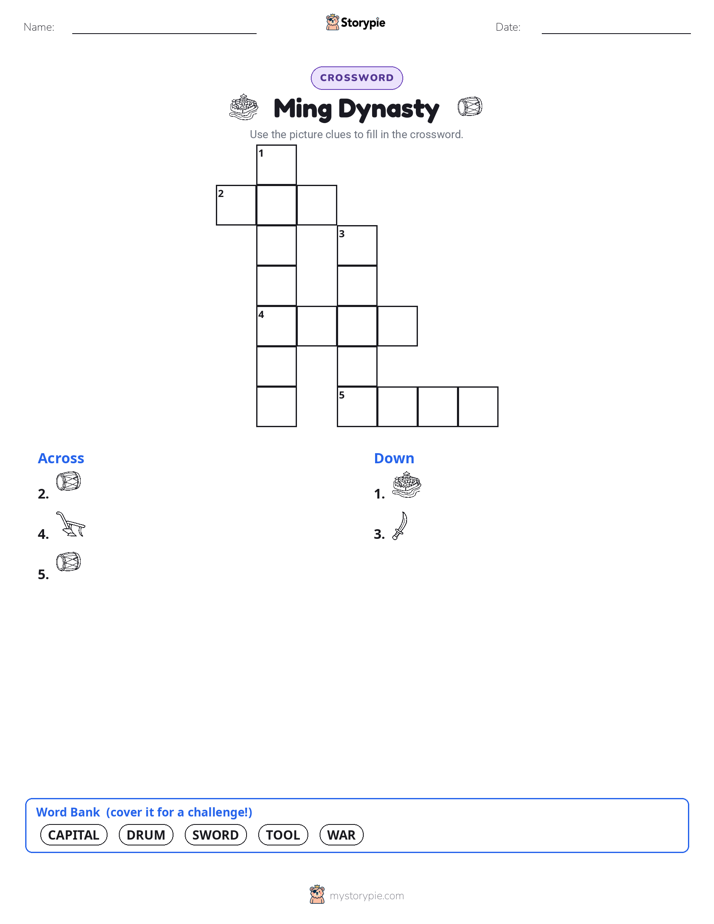
Print & create
Answer keys·No prep·Free with an account
28 worksheets · answer keys · full story · quiz · Ages 8-10 · CEFR B1
Plus adds 291,000+ more stories in 27 languages, audio for every one, and printables for all of them.
Just want Ming Dynasty?
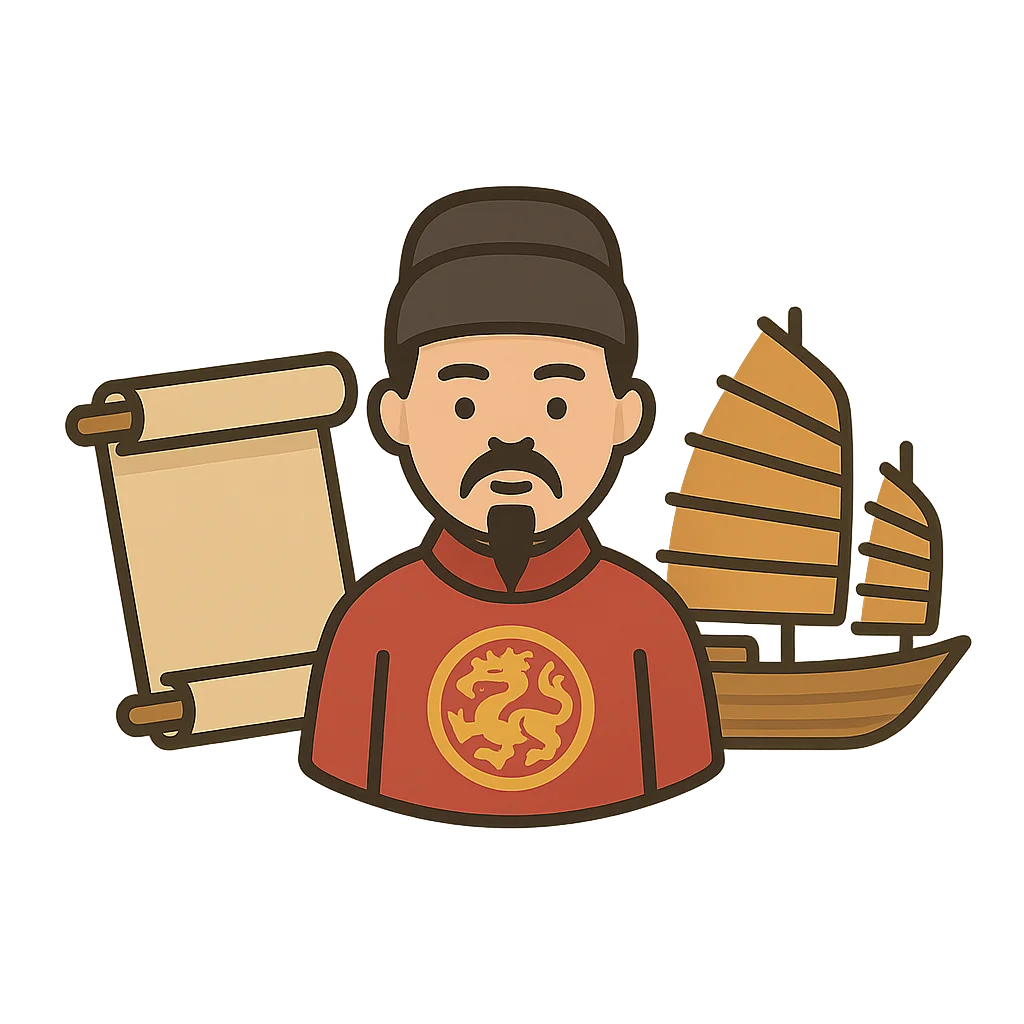
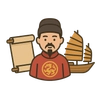
Hello. My name is Zhu Yuanzhang, but history would remember me as the Hongwu Emperor. My story does not begin in a grand palace, but in a small, poor village in China during the 1300s. The world I was born into was a difficult one. Our land was ruled by the Yuan dynasty, who were Mongols from the north, and many of my people felt like strangers in their own homes. My family were farmers, and life was a constant struggle. We never had enough to eat, and sickness was always near. When I was just a teenager, a terrible famine swept through our village, followed by a deadly plague. I watched helplessly as I lost my parents and one of my brothers. I felt completely alone, with nothing but the clothes on my back and a hungry stomach. To survive, I went to a nearby Buddhist monastery. The monks gave me food and a place to sleep, and in return, I shaved my head and became a monk. It was not a choice made from faith, but from desperation. It was there, with a quiet moment to think, that I began to dream of a world where no child would have to suffer as I had.
After a few years in the monastery, I heard whispers of rebellion. A group called the Red Turbans was fighting back against the Yuan rulers. In 1352, I decided I could no longer just sit and pray for a better future; I had to fight for it. I left the monastery and joined the rebels. At first, I was just a simple soldier, but I quickly saw that many rebel leaders were just as cruel as the rulers they were fighting. They would raid villages and harm the very people we were supposed to be protecting. I knew this was wrong. When I became a commander, I made a strict rule: my soldiers were to be disciplined and to treat all civilians with respect. This earned me the trust of the people, and my army grew stronger. My greatest challenge came in 1363 at a place called Lake Poyang. I faced the fleet of another powerful rebel leader, Chen Youliang. His ships were enormous, like floating castles, and they towered over my small, nimble boats. We were outnumbered and outsized. But I had a plan. I saw that his giant ships were chained together, making them slow to move. We used our smaller boats to get in close and then launched fire ships—boats filled with burning reeds—directly into his fleet. The fire spread from one giant ship to the next. The battle was fierce and lasted for more than a month, but our cleverness and courage won. That victory was a turning point. It proved I could lead, and soon, the important Yangtze River valley was under my control. From there, we prepared to march north to the Yuan capital, Dadu. The final victory was within our grasp.
From Peasant to Emperor: My Story
Hello. My name is Zhu Yuanzhang, but history would remember me as the Hongwu Emperor. My story does not begin in a grand palace, but in a small, poor village in China during the 1300s. The world I was born into was a difficult one. Our land was ruled by the Yuan dynasty, who were Mongols from the north, and many of my people felt like strangers in their own homes. My family were farmers, and life was a constant struggle. We never had enough to eat, and sickness was always near. When I was just a teenager, a terrible famine swept through our village, followed by a deadly plague. I watched helplessly as I lost my parents and one of my brothers. I felt completely alone, with nothing but the clothes on my back and a hungry stomach. To survive, I went to a nearby Buddhist monastery. The monks gave me food and a place to sleep, and in return, I shaved my head and became a monk. It was not a choice made from faith, but from desperation. It was there, with a quiet moment to think, that I began to dream of a world where no child would have to suffer as I had.
After a few years in the monastery, I heard whispers of rebellion. A group called the Red Turbans was fighting back against the Yuan rulers. In 1352, I decided I could no longer just sit and pray for a better future; I had to fight for it. I left the monastery and joined the rebels. At first, I was just a simple soldier, but I quickly saw that many rebel leaders were just as cruel as the rulers they were fighting. They would raid villages and harm the very people we were supposed to be protecting. I knew this was wrong. When I became a commander, I made a strict rule: my soldiers were to be disciplined and to treat all civilians with respect. This earned me the trust of the people, and my army grew stronger. My greatest challenge came in 1363 at a place called Lake Poyang. I faced the fleet of another powerful rebel leader, Chen Youliang. His ships were enormous, like floating castles, and they towered over my small, nimble boats. We were outnumbered and outsized. But I had a plan. I saw that his giant ships were chained together, making them slow to move. We used our smaller boats to get in close and then launched fire ships—boats filled with burning reeds—directly into his fleet. The fire spread from one giant ship to the next. The battle was fierce and lasted for more than a month, but our cleverness and courage won. That victory was a turning point. It proved I could lead, and soon, the important Yangtze River valley was under my control. From there, we prepared to march north to the Yuan capital, Dadu. The final victory was within our grasp.
At the start of 1368, I stood before my people in my city of Nanjing and declared the founding of a new dynasty. I named it the Ming, which means 'brilliant,' because I wanted it to be a bright new beginning for China. I became the first emperor of this new dynasty, taking the title of Hongwu Emperor. Later that year, my army captured the Yuan capital, Dadu. The Mongol emperor fled, and the Yuan dynasty’s rule over China was over. I made my capital in the city of Nanjing and began the enormous task of rebuilding our country, even though my armies still had to fight for many years to secure all of China. Peace did not come all at once, but we could not wait to start making life better for the people. My goal was not to live in luxury, but to create a stable and prosperous land where families would not have to endure the hardships mine did. I gave land back to the farmers and lowered their taxes so they could provide for themselves. We rebuilt canals, dams, and irrigation systems to prevent floods and famines. To bring justice and order, I created a new set of laws called the Great Ming Code. I also established a powerful army to protect our borders so our people would feel safe. My journey was long and full of sorrow, but it led me to a position where I could help millions. The Ming dynasty, which I founded, would last for nearly 300 years. It would be a time of incredible achievements, from the great voyages of the explorer Zheng He to the reconstruction of the Great Wall you see today. Looking back, I see that my story is proof that it does not matter where you come from. Even a poor orphan boy from a forgotten village can rise up and change the world.
Wow facts
About
The Ming Dynasty was an imperial dynasty of China that ruled from 1368 to 1644. Founded by the Hongwu Emperor, it was the last dynasty in China ruled by the Han people and is known for its grand construction projects, maritime exploration, and cultural achievements.
Take a Quiz
Question 1 of 5
In the story, the narrator says he founded the 'Ming' dynasty, which means 'brilliant'. What does the word 'brilliant' mean in this sentence?
Explore next





Want to do even more?
Go beyond exploring. Unlock tools that turn every story into real learning.

Storypie Plus for families
Full stories, quizzes, and printables. Nights and car rides, sorted.
- Unlimited audio stories
- Create Mode: your child stars in the story
- Offline downloads
- Printable worksheets & coloring pages

Why Storypie for Schools
Students engaged. Prep in seconds. Evenings back to you.
- Worksheets & Quizzes
- Classroom Management
- Formative Assessment
- Custom Curriculum & Lesson Plans
- 27 Languages

Why Storypie for Homeschool
Curriculum done. They'll ask for more. Hours back in your day.
- Worksheet Generator
- First-Person Audio Stories
- Built-in Comprehension Quizzes
- Custom Curriculum & Lesson Plans
- Print & Go Activities