English

Origami
Origami is the Japanese art of paper folding…
Reads at Grades K-2 Listens at K–3
Print & create
Answer keys·No prep·Free with an account
28 worksheets · answer keys · full story · quiz · Ages 6-8 · CEFR A2
Plus adds 208,000+ more stories in 27 languages, audio for every one, and printables for all of them.
Just want Origami?
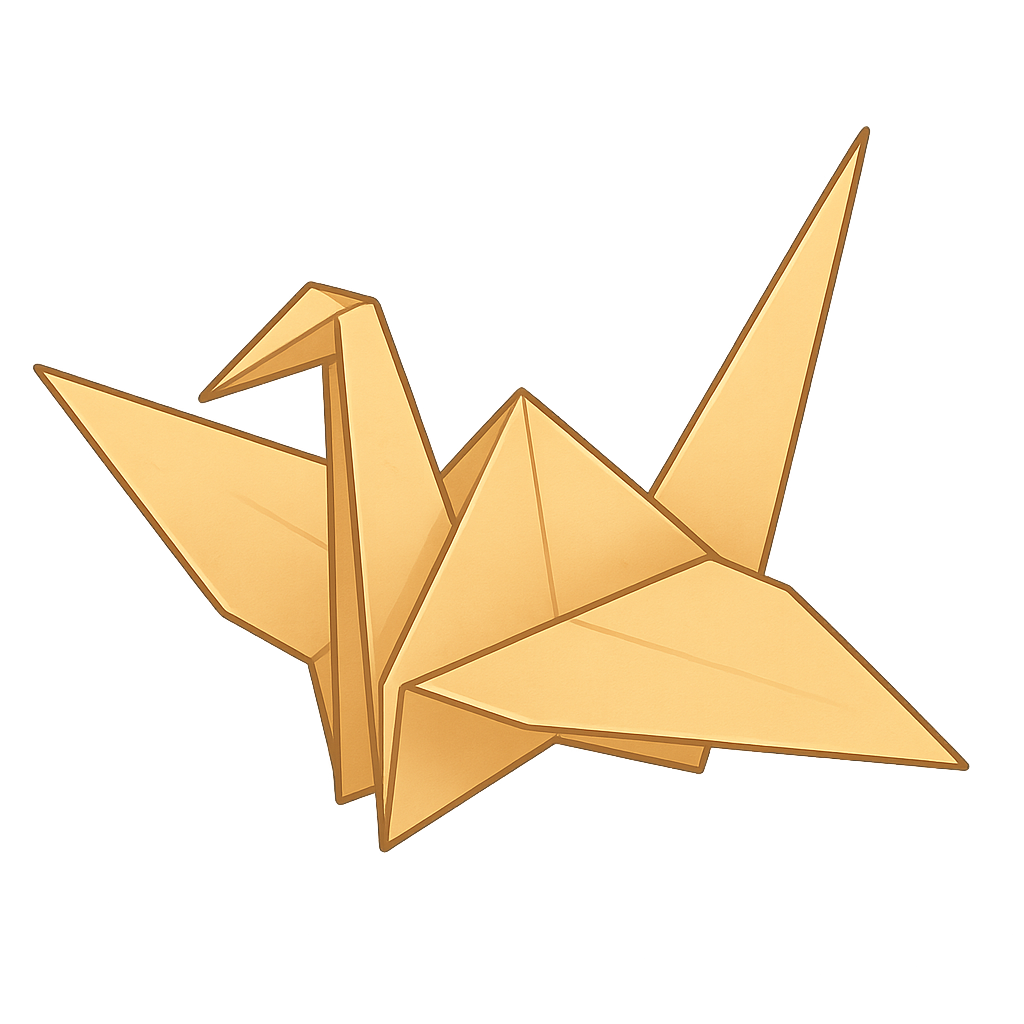
I was just a quiet, flat square of paper, resting on a table. Then, a pair of gentle hands picked me up. I felt a crisp whoosh as they made my first fold, then a gentle tuck that turned my corner inward. It was like a little tickle. Suddenly, I wasn't flat anymore. I was becoming something new, something with wings that could flutter in the wind. I felt like a bird about to take flight or a little frog ready to hop off the table. With just a few more clever folds, my new shape was complete. I am Origami, the art of paper folding. It’s a magical transformation from a simple square into a wonderful creation.
My story began a very, very long time ago, even before I had a name. It started with my main ingredient: paper. Paper was invented way back in the year 105 in a faraway land called China. For a long time, paper was super special. Then, in the 6th century, some kind monks who studied Buddhism traveled from China and brought paper with them to Japan. In Japan, I was so precious that people only folded me for important religious ceremonies and fancy gifts. I was a sign of good luck. But then came a time called the Edo Period, which lasted from 1603 to 1868. Paper became much easier to find, and suddenly, everyone wanted to fold me. I wasn't just for special days anymore; I became a fun game for kids and a beautiful art for grown-ups. In the year 1797, the very first book was published that showed people exactly how to fold me into different shapes, especially my most famous one, the graceful paper crane.
The Story of Origami
I was just a quiet, flat square of paper, resting on a table. Then, a pair of gentle hands picked me up. I felt a crisp whoosh as they made my first fold, then a gentle tuck that turned my corner inward. It was like a little tickle. Suddenly, I wasn't flat anymore. I was becoming something new, something with wings that could flutter in the wind. I felt like a bird about to take flight or a little frog ready to hop off the table. With just a few more clever folds, my new shape was complete. I am Origami, the art of paper folding. It’s a magical transformation from a simple square into a wonderful creation.
My story began a very, very long time ago, even before I had a name. It started with my main ingredient: paper. Paper was invented way back in the year 105 in a faraway land called China. For a long time, paper was super special. Then, in the 6th century, some kind monks who studied Buddhism traveled from China and brought paper with them to Japan. In Japan, I was so precious that people only folded me for important religious ceremonies and fancy gifts. I was a sign of good luck. But then came a time called the Edo Period, which lasted from 1603 to 1868. Paper became much easier to find, and suddenly, everyone wanted to fold me. I wasn't just for special days anymore; I became a fun game for kids and a beautiful art for grown-ups. In the year 1797, the very first book was published that showed people exactly how to fold me into different shapes, especially my most famous one, the graceful paper crane.
As time went on, more and more people loved to create with me. In the 20th century, a very kind and clever man named Akira Yoshizawa saw me as more than just a craft; he believed I was a true art form. He spent his whole life discovering new ways to fold me, creating thousands of amazing new shapes you could only dream of, from the tiniest, most delicate insects to giant, magnificent dragons with scales and horns. He wanted everyone in the world to be able to create these beautiful things. So, he invented a secret language just for me. It wasn't a language of words, but of lines, dots, and arrows drawn on paper. This special code showed exactly how to make each fold, step-by-step. Thanks to him, anyone, no matter where they lived, could learn my secrets and share their own new folding ideas with others.
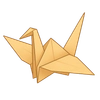
Of all the shapes I can become, my most famous form is the paper crane. With its long neck and graceful wings, it has flown all over the world as a symbol of hope, peace, and friendship. I am more than just a piece of folded paper. I am proof that something simple, with a little imagination and care from your hands, can turn into something beautiful and full of meaning. So, what amazing shape will you fold me into next.
Wow facts
About
Origami is the Japanese art of paper folding, where a flat square sheet of paper is transformed into a finished sculpture through folding techniques without cutting or gluing.
Take a Quiz
Question 1 of 4
Why did origami become a fun activity for everyone during the Edo Period?
Explore next

Want to do even more?
Go beyond exploring. Unlock tools that turn every story into real learning.

Storypie Plus for families
Full stories, quizzes, and printables. Nights and car rides, sorted.
- Unlimited audio stories
- Create Mode: your child stars in the story
- Offline downloads
- Printable worksheets & coloring pages

Why Storypie for Schools
Students engaged. Prep in seconds. Evenings back to you.
- Worksheets & Quizzes
- Classroom Management
- Formative Assessment
- Custom Curriculum & Lesson Plans
- 27 Languages

Why Storypie for Homeschool
Curriculum done. They'll ask for more. Hours back in your day.
- Worksheet Generator
- First-Person Audio Stories
- Built-in Comprehension Quizzes
- Custom Curriculum & Lesson Plans
- Print & Go Activities