English

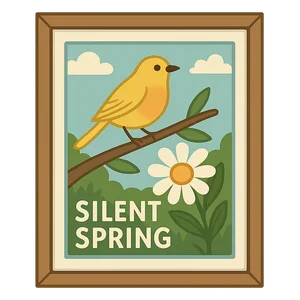
Silent Spring
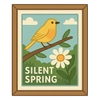
A landmark environmental science book written by Rachel Carson and published in 1962 that documented the…
Reads at Grades 6–8 Listens at Grades 4–8
Print & create
Answer keys·No prep·Free with an account
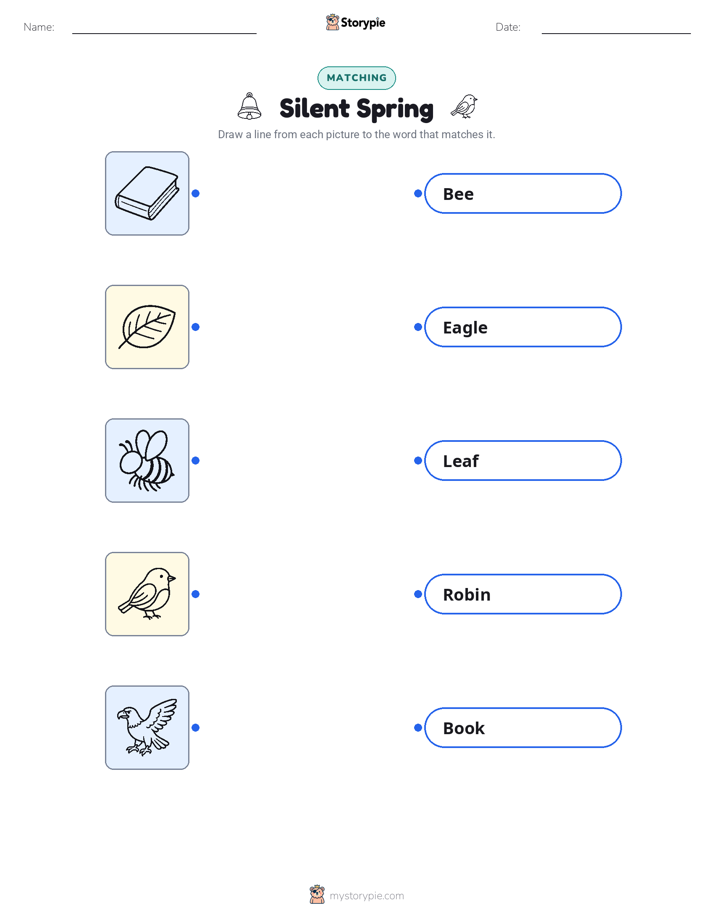
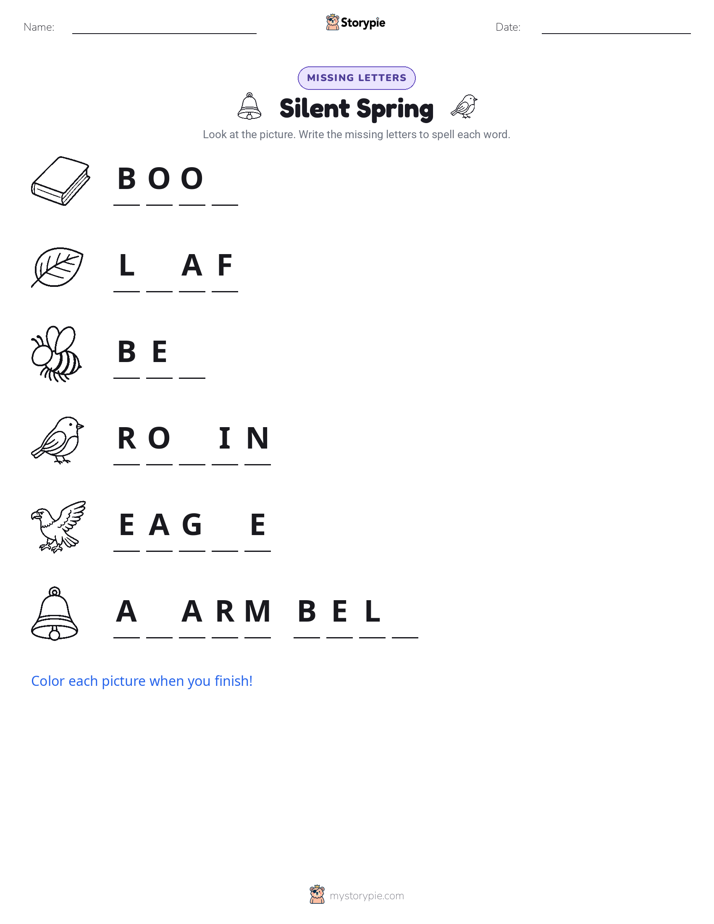
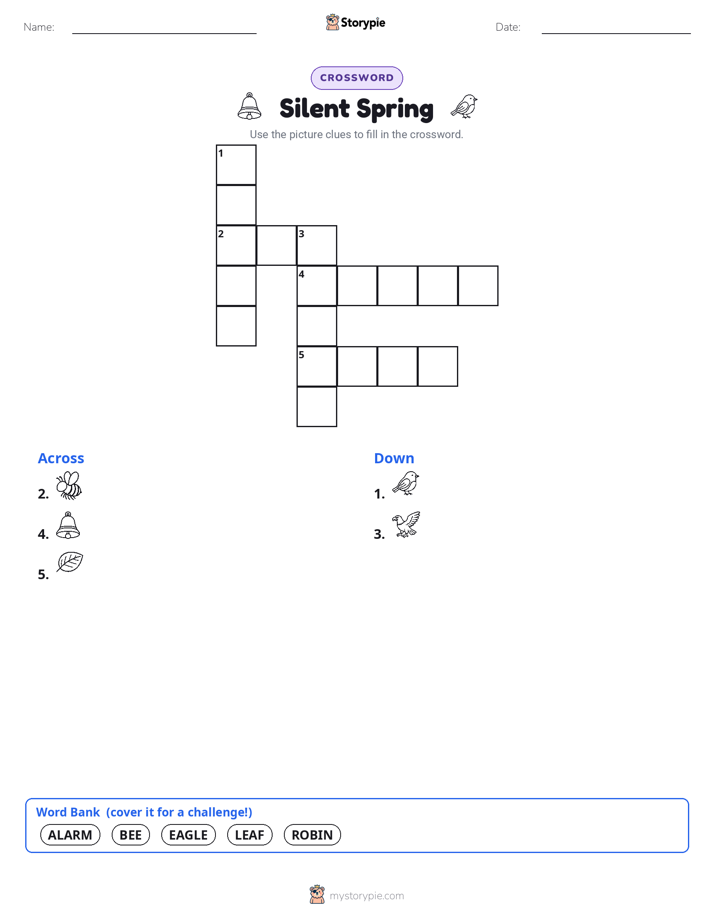
28 worksheets · answer keys · full story · quiz · Ages 10-12 · CEFR B2
Plus adds 244,000+ more stories in 27 languages, audio for every one, and printables for all of them.
Just want Silent Spring?
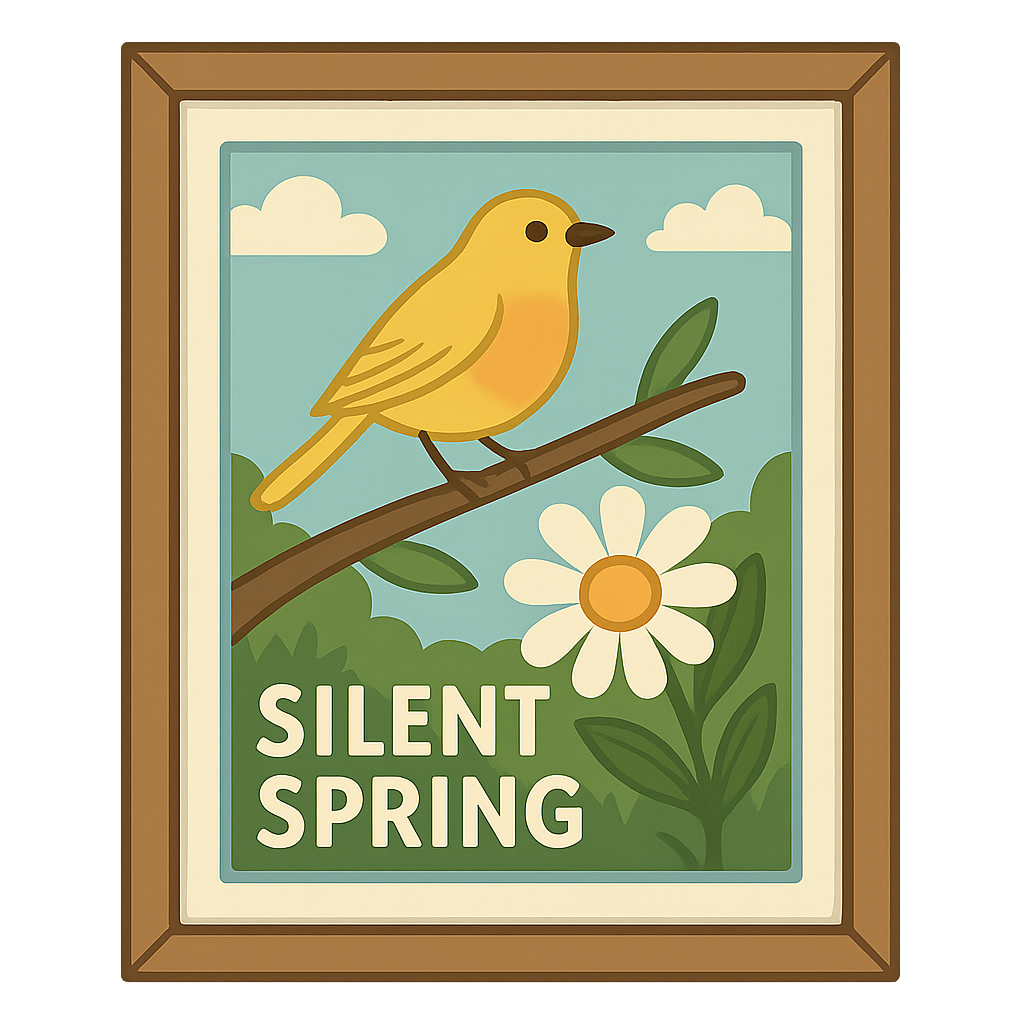
Before my pages were ink and my cover was bound, I was an idea, a deep and growing worry. My story began not in a library, but in the rustling of leaves, the hum of honeybees, and the cheerful chorus of birds at dawn. I was born from a world that was supposed to be filled with these sounds. But a strange quietness had begun to creep in, a stillness where there should have been life. The robins were disappearing from the lawns, the eagles from the skies. The spring, a season of rebirth and song, was slowly, unnervingly, falling silent. It was for them—for the silenced voices of nature—that I was created. I am a book, but I am also an alarm bell, a question, and a hope. My name is Silent Spring. I am made not of paper and glue, but of evidence, courage, and a profound love for the Earth. My purpose was to give a voice to the voiceless and to ask a single, crucial question: what were we doing to our world? My pages hold the scientific truth about a poison we were unknowingly spreading, a shadow that threatened the beautiful, interconnected web of life itself. I was built to shine a light on that shadow so that the world might see it before it was too late.
My creator was a woman who understood the language of the sea and the secrets of the forest. Her name was Rachel Carson. She was a marine biologist and a gifted writer who saw the world not just as a collection of resources, but as a community of living things, each connected to the other. In the late 1950s, she began to piece together a frightening puzzle. Friends told her about birds dropping dead from the sky in their backyards. Scientists shared data about fish dying in rivers and streams. Rachel traced the problem back to a powerful chemical called DDT. It was hailed as a miracle, used everywhere to kill insects on farms and in towns. People thought it was harmless to anything but bugs. But Rachel knew nature was more complex than that. She spent four years gathering stories and scientific studies from across the country. With the meticulous care of a scientist and the powerful prose of a poet, she began to build me, page by page. She detailed how DDT was passed from insect to bird, from soil to river, from one creature to the next, building up in their bodies and causing sickness and death. It was a chain reaction that threatened the entire ecosystem. She worked tirelessly, even as she battled her own illness, because she believed the world had to know the truth. My first words appeared in a magazine series in the summer of 1962, and on September 27th, 1962, I was published as a complete book, ready to tell my story to the world.
Silent Spring: A Story of a Book that Woke the World
Before my pages were ink and my cover was bound, I was an idea, a deep and growing worry. My story began not in a library, but in the rustling of leaves, the hum of honeybees, and the cheerful chorus of birds at dawn. I was born from a world that was supposed to be filled with these sounds. But a strange quietness had begun to creep in, a stillness where there should have been life. The robins were disappearing from the lawns, the eagles from the skies. The spring, a season of rebirth and song, was slowly, unnervingly, falling silent. It was for them—for the silenced voices of nature—that I was created. I am a book, but I am also an alarm bell, a question, and a hope. My name is Silent Spring. I am made not of paper and glue, but of evidence, courage, and a profound love for the Earth. My purpose was to give a voice to the voiceless and to ask a single, crucial question: what were we doing to our world? My pages hold the scientific truth about a poison we were unknowingly spreading, a shadow that threatened the beautiful, interconnected web of life itself. I was built to shine a light on that shadow so that the world might see it before it was too late.
My creator was a woman who understood the language of the sea and the secrets of the forest. Her name was Rachel Carson. She was a marine biologist and a gifted writer who saw the world not just as a collection of resources, but as a community of living things, each connected to the other. In the late 1950s, she began to piece together a frightening puzzle. Friends told her about birds dropping dead from the sky in their backyards. Scientists shared data about fish dying in rivers and streams. Rachel traced the problem back to a powerful chemical called DDT. It was hailed as a miracle, used everywhere to kill insects on farms and in towns. People thought it was harmless to anything but bugs. But Rachel knew nature was more complex than that. She spent four years gathering stories and scientific studies from across the country. With the meticulous care of a scientist and the powerful prose of a poet, she began to build me, page by page. She detailed how DDT was passed from insect to bird, from soil to river, from one creature to the next, building up in their bodies and causing sickness and death. It was a chain reaction that threatened the entire ecosystem. She worked tirelessly, even as she battled her own illness, because she believed the world had to know the truth. My first words appeared in a magazine series in the summer of 1962, and on September 27th, 1962, I was published as a complete book, ready to tell my story to the world.
When my words finally reached the public, they landed like a thunderclap. My story was not a gentle one, and the reaction was immediate and intense. Powerful chemical companies, who made millions of dollars selling DDT, were furious. They spent a fortune trying to discredit Rachel Carson, calling her hysterical and unscientific. They tried to tell the world that I was a work of fiction, that the dangers I described were exaggerated. But they could not silence the truth. For every critic, there were thousands of ordinary citizens who read my pages and saw the truth in their own backyards. They had noticed the quietness, too. Scientists from across the nation rose to defend Rachel’s research, confirming the evidence she had so carefully presented. My story was read in homes, discussed in communities, and debated in the halls of government. President John F. Kennedy read me and was so concerned that he ordered his science advisors to investigate my claims. I was no longer just a book sitting on a shelf; I had become the centerpiece of a national conversation. I started an argument, but it was an argument that needed to happen. I was proof that a single, well-told story, backed by facts, could challenge the most powerful forces in society and make people see the world in a new way. I had become the spark for a movement.
My echo has never faded. The conversation I started grew into a powerful force for change. Because of the questions I raised and the people I inspired, a new era of environmental awareness began in the United States. In 1970, the U.S. government established the Environmental Protection Agency, or EPA, a new federal agency dedicated to protecting human health and the environment. It was a direct result of the public demand for action that I had helped to create. Then, in 1972, the government took a monumental step and banned the use of DDT within the country. The bald eagle, our national symbol, which had been pushed to the brink of extinction by the poison, slowly began to recover. My purpose, however, was never simply to catalogue what was wrong. It was to awaken a sense of wonder and responsibility. Rachel Carson wanted to inspire people to look closely at the world around them, to ask questions, and to understand that their actions have consequences. I remain a reminder that one person, armed with curiosity and courage, can use their voice to protect our shared home. My story continues to inspire new generations to listen to the Earth and to speak up for it, ensuring that the spring never truly falls silent.
Wow facts
About
A landmark environmental science book written by Rachel Carson and published in 1962 that documented the adverse environmental effects caused by the indiscriminate use of pesticides.
Take a Quiz
Question 1 of 5
In your own words, summarize the main conflict or problem that 'Silent Spring' addresses in the story.
Explore next





Want to do even more?
Go beyond exploring. Unlock tools that turn every story into real learning.

Storypie Plus for families
Full stories, quizzes, and printables. Nights and car rides, sorted.
- Unlimited audio stories
- Create Mode: your child stars in the story
- Offline downloads
- Printable worksheets & coloring pages

Why Storypie for Schools
Students engaged. Prep in seconds. Evenings back to you.
- Worksheets & Quizzes
- Classroom Management
- Formative Assessment
- Custom Curriculum & Lesson Plans
- 27 Languages

Why Storypie for Homeschool
Curriculum done. They'll ask for more. Hours back in your day.
- Worksheet Generator
- First-Person Audio Stories
- Built-in Comprehension Quizzes
- Custom Curriculum & Lesson Plans
- Print & Go Activities