English

Chinese Railroad Workers
The approximately 12,000 to 20…
Reads at Grades 6–8 Listens at Grades 4–8
Print & create
Answer keys·No prep·Free with an account
28 worksheets · answer keys · full story · quiz · Ages 10-12 · CEFR B2
Plus adds 244,000+ more stories in 27 languages, audio for every one, and printables for all of them.
Just want Chinese Railroad Workers?
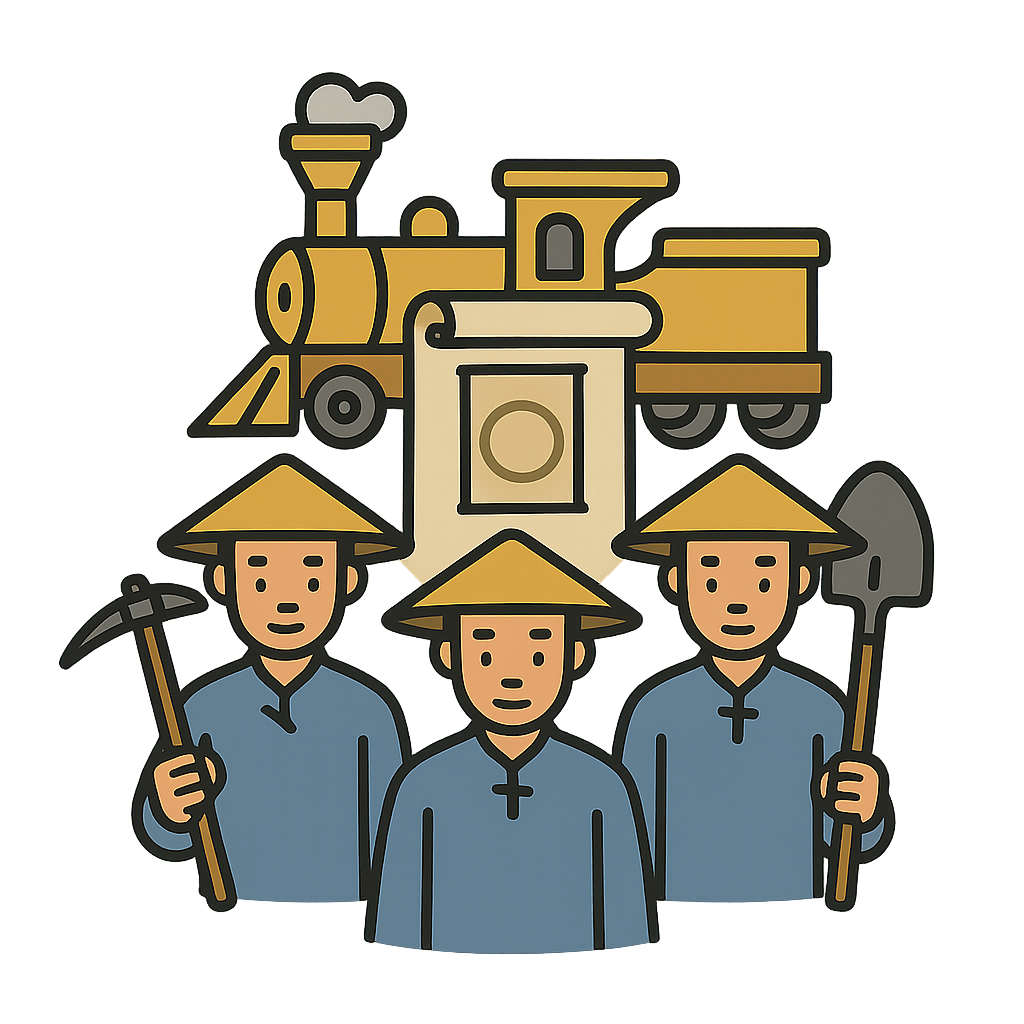
My name is Wong Ming, and my story is etched into the granite cliffs of the Sierra Nevada mountains. I was born in Guangdong province, China, where by the 1860s, life was a constant struggle against poverty and strife. We heard whispers of a faraway place called 'Gam Saan'—Gold Mountain. America. It was a land of opportunity, a place where a young man could earn enough money to send back to his family and give them a better life. So, I said a difficult goodbye to my parents and my village, promising to return a wealthy man. The journey across the Pacific Ocean was long and crowded, the waves tossing our ship for weeks on end. When I finally set foot in California, the air felt different, filled with a nervous energy and the unfamiliar chatter of English. I soon learned that the greatest need for workers was not in the gold fields, but on a project of unimaginable scale: a railroad that would stretch across the entire continent. The Central Pacific Railroad company, led by men like Leland Stanford, had a colossal problem. They had to build their section of the track eastward from Sacramento, California, right through the towering, solid-rock mountains they called the Sierra Nevada. It was the most difficult and dangerous part of the entire route, and they needed thousands of men who were brave and hardworking enough to do it. That is when they turned to us, the Chinese. We came by the thousands, leaving our farms and families behind for a chance at Gam Saan.
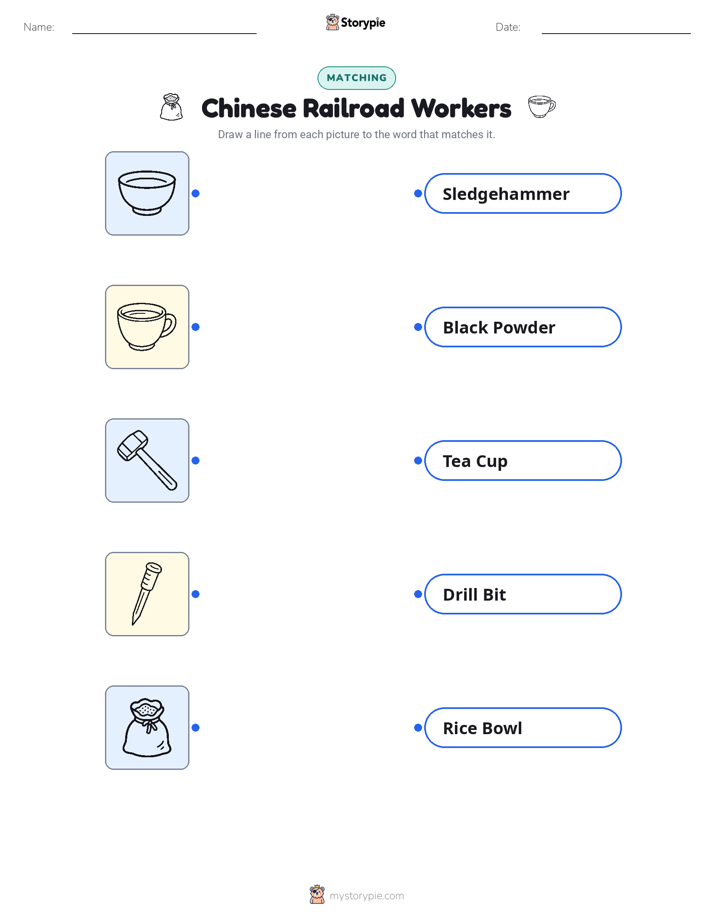
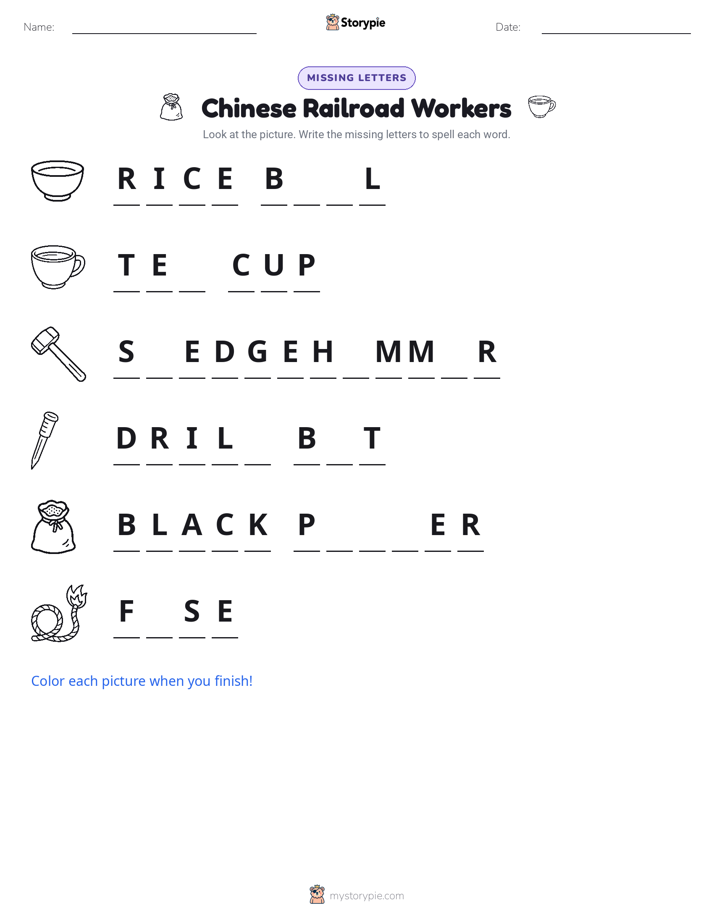
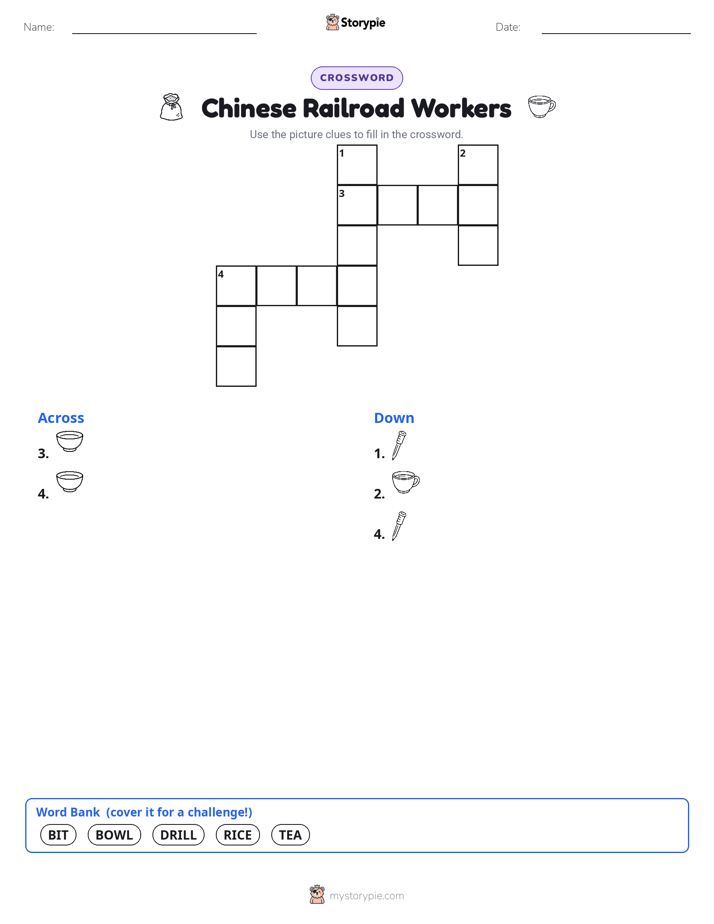
Our work began in 1865, and it was the hardest thing I have ever known. We were tasked with forging a path through mountains that seemed to have no end. The sound of our world was the constant clang of hammers against steel and the deafening roar of explosions. My hands, once accustomed to farm tools, were now calloused from swinging a sledgehammer and holding a drill bit as my partner struck it, inching a hole into solid granite. We filled those holes with black powder, lit the fuses, and scrambled for cover before the blast tore the rock apart. The air was thick with the sharp smell of gunpowder and rock dust. In the winter, the winds were so fierce they felt like they could cut through your bones, and snow drifts could bury our camps entirely, forcing us to dig tunnels just to get from one cabin to the next. The most dangerous job was for the men who were lowered over sheer cliffs in woven baskets. From there, they would chip away at the rock face or set explosives, dangling hundreds of feet in the air. Despite the hardship, we formed a strong brotherhood. We lived in our own camps, cooking rice with dried vegetables and fish, and drinking hot tea to warm ourselves. We shared stories of home and dreams of the future. But there was a deep injustice we could not ignore. We were paid less than the white workers, about thirty-one dollars a month, and we had to pay for our own food and lodging from that small amount. They were given provisions. We were also assigned the most treacherous tasks. In June of 1867, we decided we had to take a stand. Thousands of us, all along the line, laid down our tools in a peaceful strike. We demanded equal pay for our dangerous work and an eight-hour day. We showed them our strength and unity, and while the company bosses refused our demands, we had proven that we would not be silent.
The Railroad and the Dragon's Spine
My name is Wong Ming, and my story is etched into the granite cliffs of the Sierra Nevada mountains. I was born in Guangdong province, China, where by the 1860s, life was a constant struggle against poverty and strife. We heard whispers of a faraway place called 'Gam Saan'—Gold Mountain. America. It was a land of opportunity, a place where a young man could earn enough money to send back to his family and give them a better life. So, I said a difficult goodbye to my parents and my village, promising to return a wealthy man. The journey across the Pacific Ocean was long and crowded, the waves tossing our ship for weeks on end. When I finally set foot in California, the air felt different, filled with a nervous energy and the unfamiliar chatter of English. I soon learned that the greatest need for workers was not in the gold fields, but on a project of unimaginable scale: a railroad that would stretch across the entire continent. The Central Pacific Railroad company, led by men like Leland Stanford, had a colossal problem. They had to build their section of the track eastward from Sacramento, California, right through the towering, solid-rock mountains they called the Sierra Nevada. It was the most difficult and dangerous part of the entire route, and they needed thousands of men who were brave and hardworking enough to do it. That is when they turned to us, the Chinese. We came by the thousands, leaving our farms and families behind for a chance at Gam Saan.
Our work began in 1865, and it was the hardest thing I have ever known. We were tasked with forging a path through mountains that seemed to have no end. The sound of our world was the constant clang of hammers against steel and the deafening roar of explosions. My hands, once accustomed to farm tools, were now calloused from swinging a sledgehammer and holding a drill bit as my partner struck it, inching a hole into solid granite. We filled those holes with black powder, lit the fuses, and scrambled for cover before the blast tore the rock apart. The air was thick with the sharp smell of gunpowder and rock dust. In the winter, the winds were so fierce they felt like they could cut through your bones, and snow drifts could bury our camps entirely, forcing us to dig tunnels just to get from one cabin to the next. The most dangerous job was for the men who were lowered over sheer cliffs in woven baskets. From there, they would chip away at the rock face or set explosives, dangling hundreds of feet in the air. Despite the hardship, we formed a strong brotherhood. We lived in our own camps, cooking rice with dried vegetables and fish, and drinking hot tea to warm ourselves. We shared stories of home and dreams of the future. But there was a deep injustice we could not ignore. We were paid less than the white workers, about thirty-one dollars a month, and we had to pay for our own food and lodging from that small amount. They were given provisions. We were also assigned the most treacherous tasks. In June of 1867, we decided we had to take a stand. Thousands of us, all along the line, laid down our tools in a peaceful strike. We demanded equal pay for our dangerous work and an eight-hour day. We showed them our strength and unity, and while the company bosses refused our demands, we had proven that we would not be silent.
After we conquered the mountains, the work changed. We moved into the vast, dry deserts of Nevada and Utah. Here, the challenge was speed. Our crews became so efficient that we once laid over ten miles of track in a single day, a record that has never been broken. We were racing to meet the Union Pacific Railroad, which was building westward from Omaha. Finally, the day came. On May 10th, 1869, the two sets of tracks met at Promontory Summit, Utah. A great ceremony was held. A special 'Golden Spike' was prepared to be gently tapped into a pre-drilled hole to mark the occasion. I stood with my fellow Chinese workers and watched from a distance. We felt an immense pride. We had done the impossible. We had tamed the dragon's spine of the mountains and connected a nation. But our pride was mixed with a deep sadness. When the famous photograph was taken of the celebration, not a single Chinese face was included. We, who had given our sweat, our strength, and even our lives to this railroad, were made invisible. After the railroad was complete, many of us stayed in America, building communities in the West and facing new struggles. For over a century, our contribution was mostly forgotten by the history books. But today, people are finally learning our story. They are learning that the iron road that united America was built with the perseverance and courage of thousands of Chinese workers like me, whose silent legacy is the railroad itself.
Wow facts
About
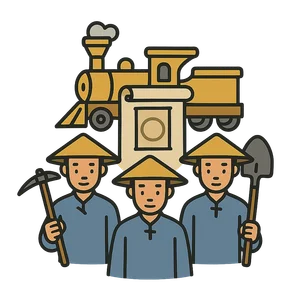
The approximately 12,000 to 20,000 Chinese immigrants who performed the dangerous and essential labor of building the western section of the First Transcontinental Railroad in the 1860s.
Take a Quiz
Question 1 of 5
In your own words, retell the main events of Wong Ming's experience building the railroad.
Explore next





Want to do even more?
Go beyond exploring. Unlock tools that turn every story into real learning.

Storypie Plus for families
Full stories, quizzes, and printables. Nights and car rides, sorted.
- Unlimited audio stories
- Create Mode: your child stars in the story
- Offline downloads
- Printable worksheets & coloring pages

Why Storypie for Schools
Students engaged. Prep in seconds. Evenings back to you.
- Worksheets & Quizzes
- Classroom Management
- Formative Assessment
- Custom Curriculum & Lesson Plans
- 27 Languages

Why Storypie for Homeschool
Curriculum done. They'll ask for more. Hours back in your day.
- Worksheet Generator
- First-Person Audio Stories
- Built-in Comprehension Quizzes
- Custom Curriculum & Lesson Plans
- Print & Go Activities