English

Indian Independence Movement
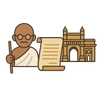
A series of events and movements from the mid-19th century to 1947 with the ultimate aim of ending British…
Reads at Grades 6–8 Listens at Grades 4–8
Print & create
Answer keys·No prep·Free with an account
24 worksheets · answer keys · full story · quiz · Ages 10-12 · CEFR B2
Plus adds 102,000+ more stories in 27 languages, audio for every one, and printables for all of them.
Just want Indian Independence Movement?
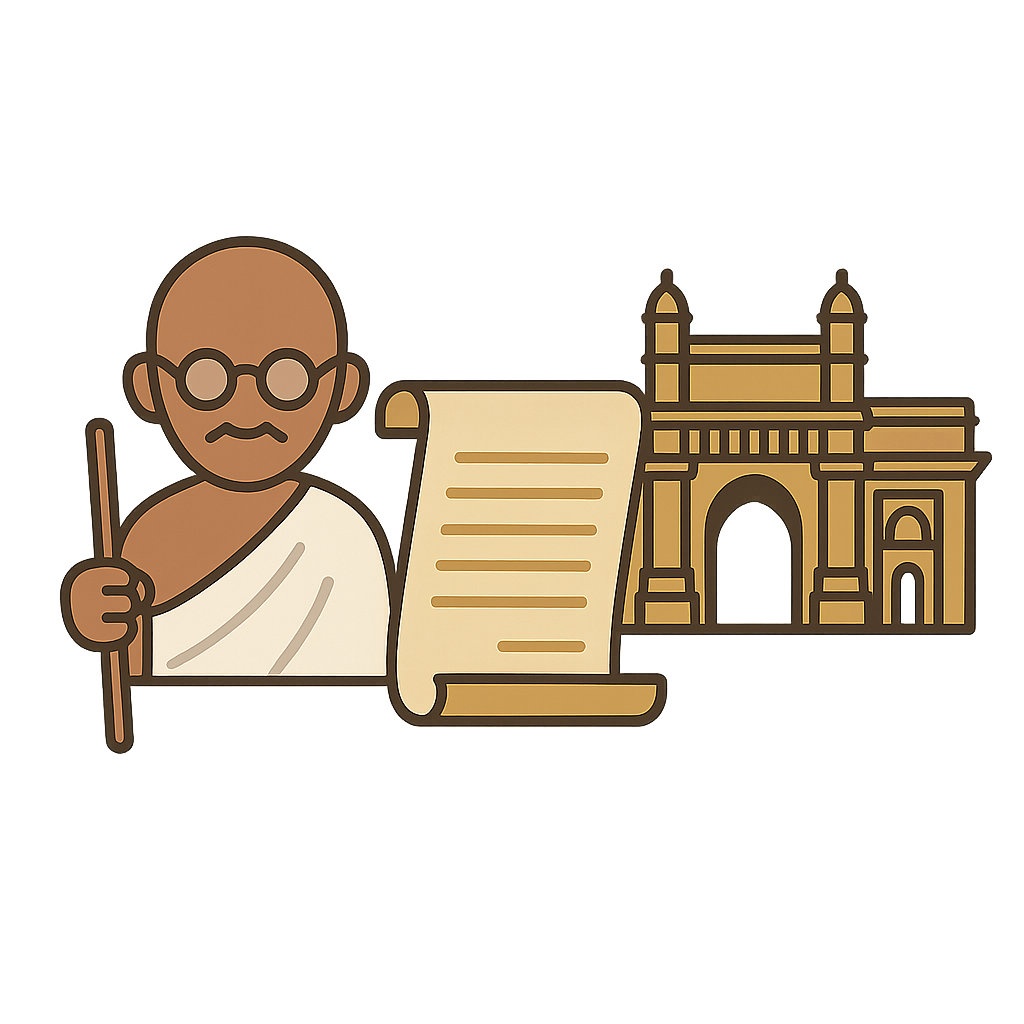
My name is Mohandas Karamchand Gandhi, though many people came to call me Mahatma, which means ‘Great Soul’. But I was not born with this title. I was once just a young man trying to find his way in the world. I was born in Porbandar, India, on October 2nd, 1869, a time when my country was part of the vast British Empire. We followed British laws and were not truly free to govern ourselves. As a young man, I traveled to England to study law, and in 1893, I accepted a job that took me all the way to South Africa. It was there that my life’s purpose became clear. In South Africa, I saw that people from India were treated unfairly simply because of the color of their skin. One day, I was thrown off a train for refusing to leave a first-class compartment that I had a valid ticket for. Sitting in that cold railway station, I made a choice. I could accept the injustice, or I could fight it. I chose to fight, but not with fists or weapons. I began to form an idea I called ‘Satyagraha’, which means ‘truth force’ or ‘soul force’. It was a new way to resist unfairness, using non-violent, peaceful methods to show the truth of a situation and touch the hearts of our opponents. After twenty-one years in South Africa, I knew I had to return to my homeland in 1915. India was my home, and my people were struggling for their own freedom. I felt I had to use the lessons of Satyagraha to help India become an independent nation.
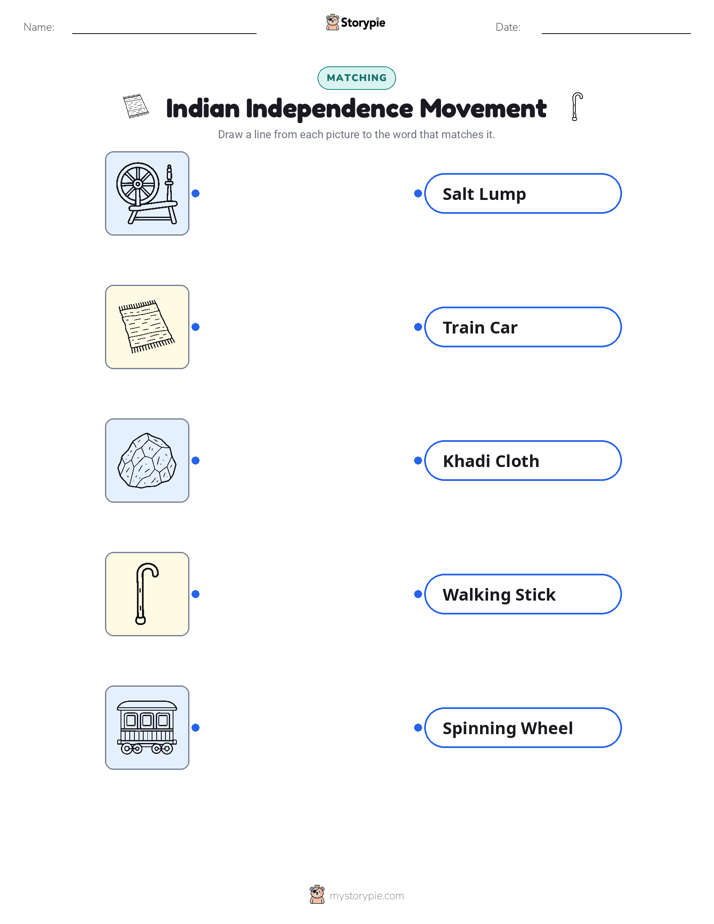
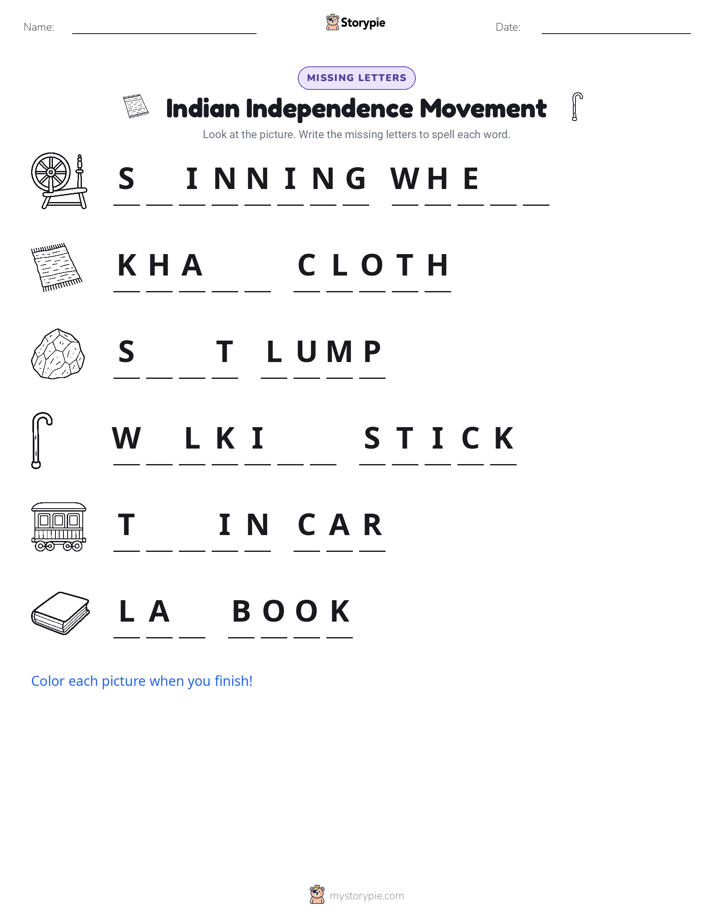
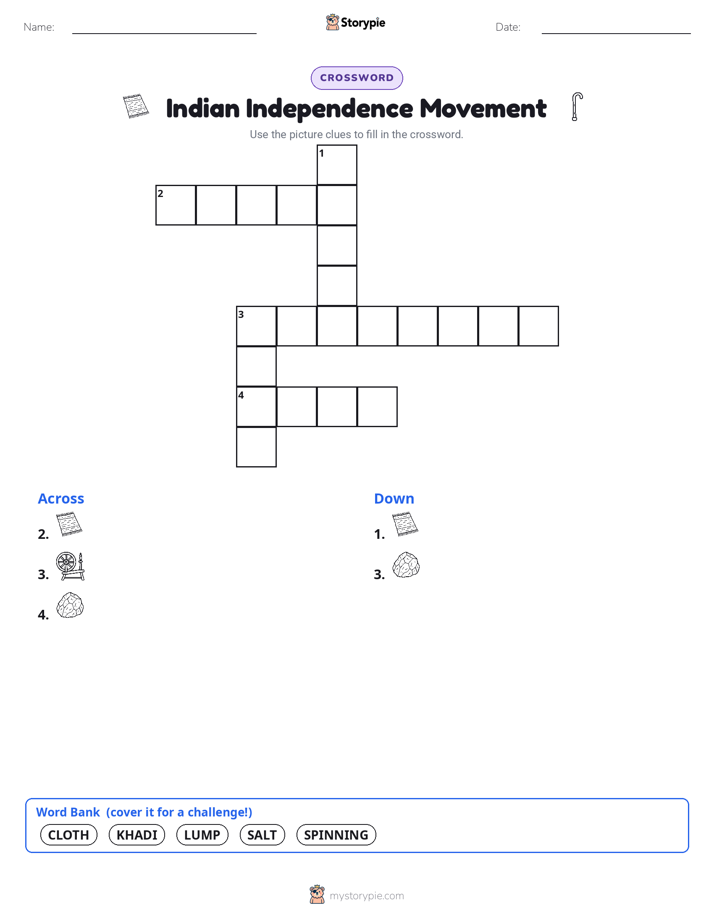
Back in India, the path to freedom was long and difficult. The British Empire was powerful, and we were a nation of ordinary people. But I believed that our strength was not in weapons, but in our unity and our spirit. I taught my fellow Indians that we could resist British rule without raising a hand in violence. One powerful way was through boycotts. For example, Britain would take our cotton, manufacture it into cloth in their factories, and sell it back to us at a high price. I asked my people to stop buying this foreign cloth. Instead, I encouraged them to spin their own thread and weave their own fabric, which we called ‘khadi’. The spinning wheel became a symbol of our independence and self-reliance. It was a simple, peaceful act that hit the British economically and united our people in a common cause. Our most famous protest was against the British salt tax. Salt is essential for life, yet the British government forbade us from collecting our own salt from the sea. We were forced to buy it from them, with a heavy tax. In response, on March 12th, 1930, I began what became known as the Salt March. I started walking from my ashram with just a handful of followers on a 240-mile journey to the coastal village of Dandi. Day after day we walked, and with every village we passed, more people joined us. By the time we reached the sea, our small group had become a crowd stretching for miles. There, I bent down and picked up a lump of salty mud, a simple act of defiance that showed the world we would not obey this unjust law. Millions of Indians across the country began to make their own salt. The British authorities arrested me and thousands of others, but they could not stop our movement. Years later, during World War II, our call for freedom became even louder. On August 8th, 1942, we launched the Quit India Movement. It was a direct and simple demand: the British must leave India immediately and completely. I was imprisoned again for this, but the spirit of the people could not be caged. Their courage and unwavering unity showed that India was ready to govern itself.
My Life Is My Message
My name is Mohandas Karamchand Gandhi, though many people came to call me Mahatma, which means ‘Great Soul’. But I was not born with this title. I was once just a young man trying to find his way in the world. I was born in Porbandar, India, on October 2nd, 1869, a time when my country was part of the vast British Empire. We followed British laws and were not truly free to govern ourselves. As a young man, I traveled to England to study law, and in 1893, I accepted a job that took me all the way to South Africa. It was there that my life’s purpose became clear. In South Africa, I saw that people from India were treated unfairly simply because of the color of their skin. One day, I was thrown off a train for refusing to leave a first-class compartment that I had a valid ticket for. Sitting in that cold railway station, I made a choice. I could accept the injustice, or I could fight it. I chose to fight, but not with fists or weapons. I began to form an idea I called ‘Satyagraha’, which means ‘truth force’ or ‘soul force’. It was a new way to resist unfairness, using non-violent, peaceful methods to show the truth of a situation and touch the hearts of our opponents. After twenty-one years in South Africa, I knew I had to return to my homeland in 1915. India was my home, and my people were struggling for their own freedom. I felt I had to use the lessons of Satyagraha to help India become an independent nation.
Back in India, the path to freedom was long and difficult. The British Empire was powerful, and we were a nation of ordinary people. But I believed that our strength was not in weapons, but in our unity and our spirit. I taught my fellow Indians that we could resist British rule without raising a hand in violence. One powerful way was through boycotts. For example, Britain would take our cotton, manufacture it into cloth in their factories, and sell it back to us at a high price. I asked my people to stop buying this foreign cloth. Instead, I encouraged them to spin their own thread and weave their own fabric, which we called ‘khadi’. The spinning wheel became a symbol of our independence and self-reliance. It was a simple, peaceful act that hit the British economically and united our people in a common cause. Our most famous protest was against the British salt tax. Salt is essential for life, yet the British government forbade us from collecting our own salt from the sea. We were forced to buy it from them, with a heavy tax. In response, on March 12th, 1930, I began what became known as the Salt March. I started walking from my ashram with just a handful of followers on a 240-mile journey to the coastal village of Dandi. Day after day we walked, and with every village we passed, more people joined us. By the time we reached the sea, our small group had become a crowd stretching for miles. There, I bent down and picked up a lump of salty mud, a simple act of defiance that showed the world we would not obey this unjust law. Millions of Indians across the country began to make their own salt. The British authorities arrested me and thousands of others, but they could not stop our movement. Years later, during World War II, our call for freedom became even louder. On August 8th, 1942, we launched the Quit India Movement. It was a direct and simple demand: the British must leave India immediately and completely. I was imprisoned again for this, but the spirit of the people could not be caged. Their courage and unwavering unity showed that India was ready to govern itself.
Finally, after decades of struggle, our dream became a reality. On August 15th, 1947, India gained its independence. It was a moment of incredible joy for our nation, a new dawn after centuries of foreign rule. However, my heart was also filled with a deep sadness. In the process of granting independence, the British partitioned the country, creating the separate nation of Pakistan. This division led to terrible violence and displaced millions of people, which was the opposite of the unity I had worked for my entire life. It was a reminder that even in victory, there can be great sorrow. The work of building a peaceful nation had only just begun. My life's work was to show that non-violence was not a weapon of the weak, but a powerful force for change. This idea did not end with India’s freedom. It traveled across the world, inspiring other leaders who fought for justice and civil rights, including a great man in America named Dr. Martin Luther King Jr. He used our methods of peaceful protest to fight for the rights of African Americans. My message was always a simple one: 'Be the change that you wish to see in the world'. It is a message for you, too. It means that your actions, no matter how small, can make a difference. You have the power within you to stand up for what is right, to face challenges with courage, and to create a more peaceful world through truth and compassion.
Wow facts
About
A series of events and movements from the mid-19th century to 1947 with the ultimate aim of ending British rule in India. Led by figures like Mahatma Gandhi, it was notable for its large-scale use of non-violent resistance and civil disobedience.
Take a Quiz
Question 1 of 5
In your own words, what was the problem with the British salt tax and how did the Salt March address it?
Explore next


Want to do even more?
Go beyond exploring. Unlock tools that turn every story into real learning.

Storypie Plus for families
Full stories, quizzes, and printables. Nights and car rides, sorted.
- Unlimited audio stories
- Create Mode: your child stars in the story
- Offline downloads
- Printable worksheets & coloring pages

Why Storypie for Schools
Students engaged. Prep in seconds. Evenings back to you.
- Worksheets & Quizzes
- Classroom Management
- Formative Assessment
- Custom Curriculum & Lesson Plans
- 27 Languages

Why Storypie for Homeschool
Curriculum done. They'll ask for more. Hours back in your day.
- Worksheet Generator
- First-Person Audio Stories
- Built-in Comprehension Quizzes
- Custom Curriculum & Lesson Plans
- Print & Go Activities