English

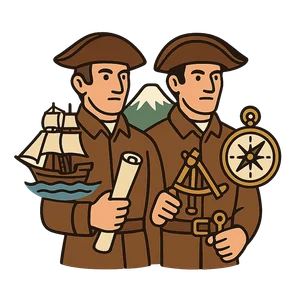
Lewis and Clark Expedition
A U.S.
Reads at Grades 3–5 Listens at Grades 1–5
Print & create
Answer keys·No prep·Free with an account
28 worksheets · answer keys · full story · quiz · Ages 8-10 · CEFR B1
Plus adds 102,000+ more stories in 27 languages, audio for every one, and printables for all of them.
Just want Lewis and Clark Expedition?
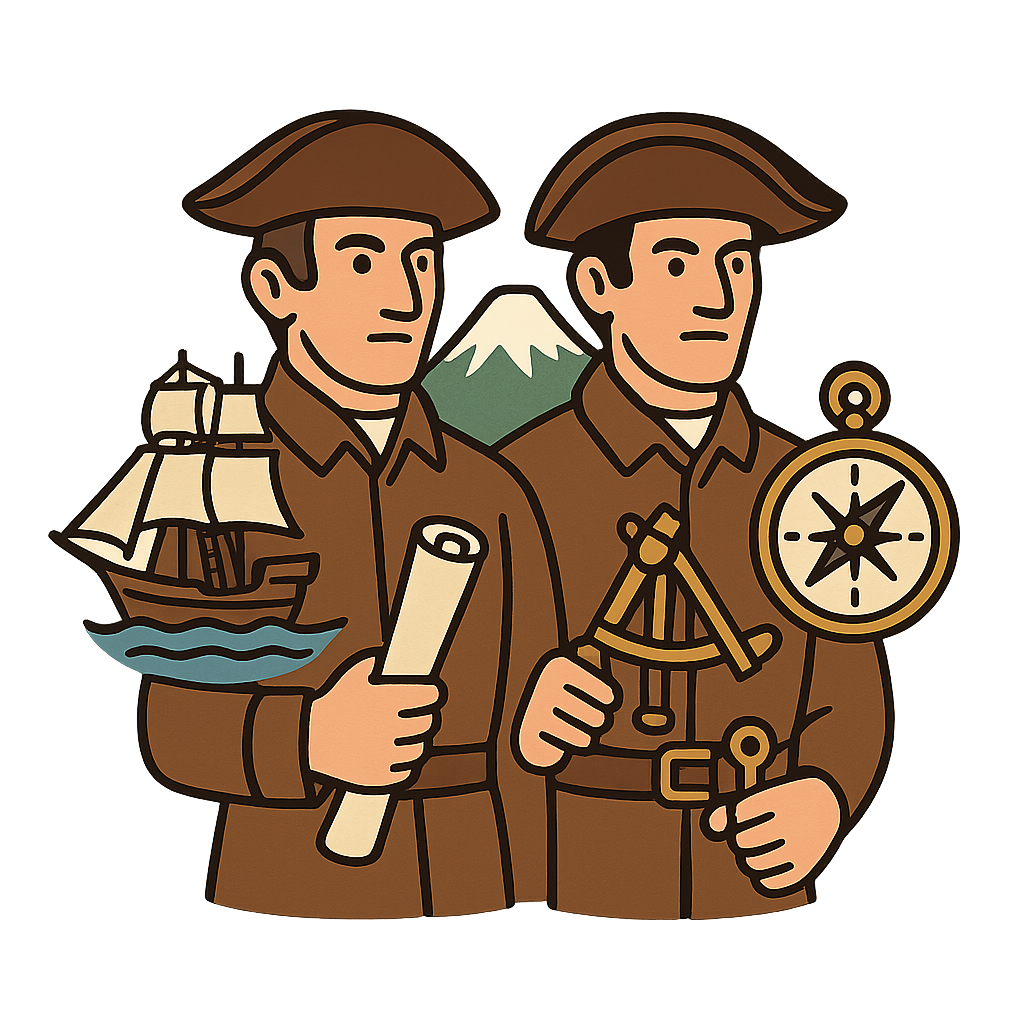
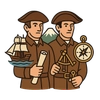
Hello there. My name is Meriwether Lewis, and I was once a soldier and an explorer. One day, a very important person, President Thomas Jefferson, invited me to his home. The President was a man filled with curiosity about the world, especially the brand-new land our country had just acquired, called the Louisiana Purchase. He looked at me with serious eyes and shared his grand idea. He wanted me to lead an expedition to explore this vast, unknown territory. Our main goal was to find a water route, a river highway, that could take us all the way across the continent to the great Pacific Ocean. My heart pounded with excitement. What an adventure. But I also felt the great responsibility of the mission. We would have to map the land, study the plants and animals we found, and meet the Native American tribes living there as friends. I knew I couldn't do it alone, so I asked my good friend, a skilled mapmaker and outdoorsman named William Clark, to be my co-captain. Together, we would lead a team into the great unknown.
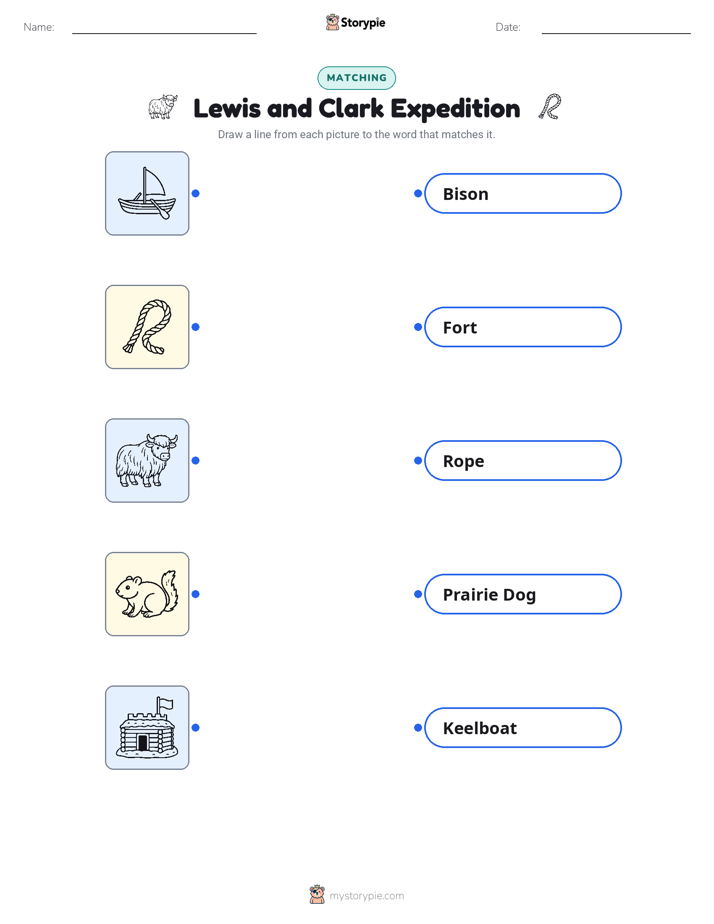
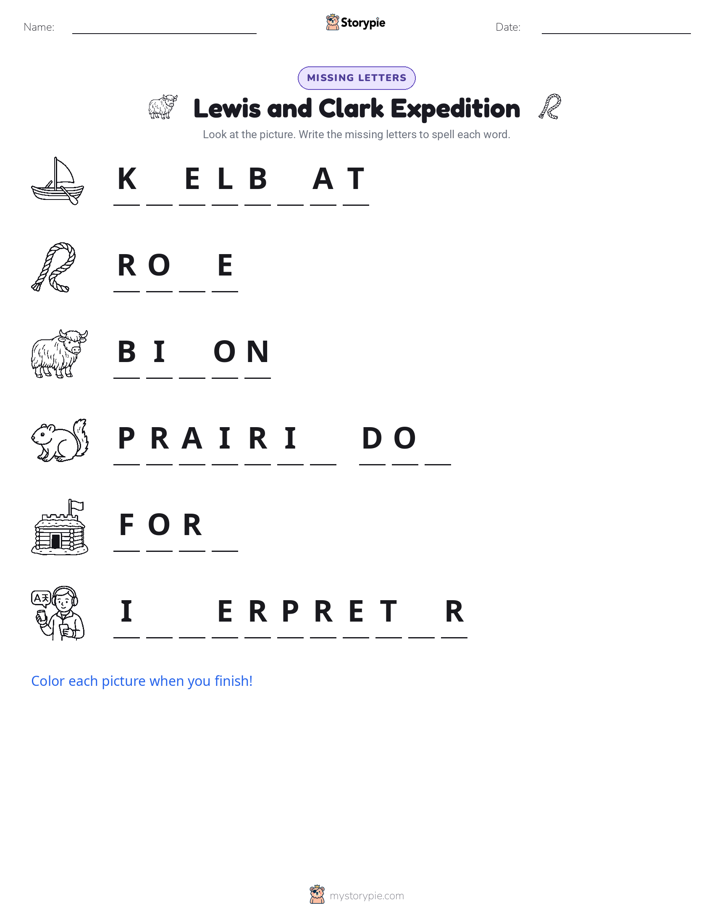
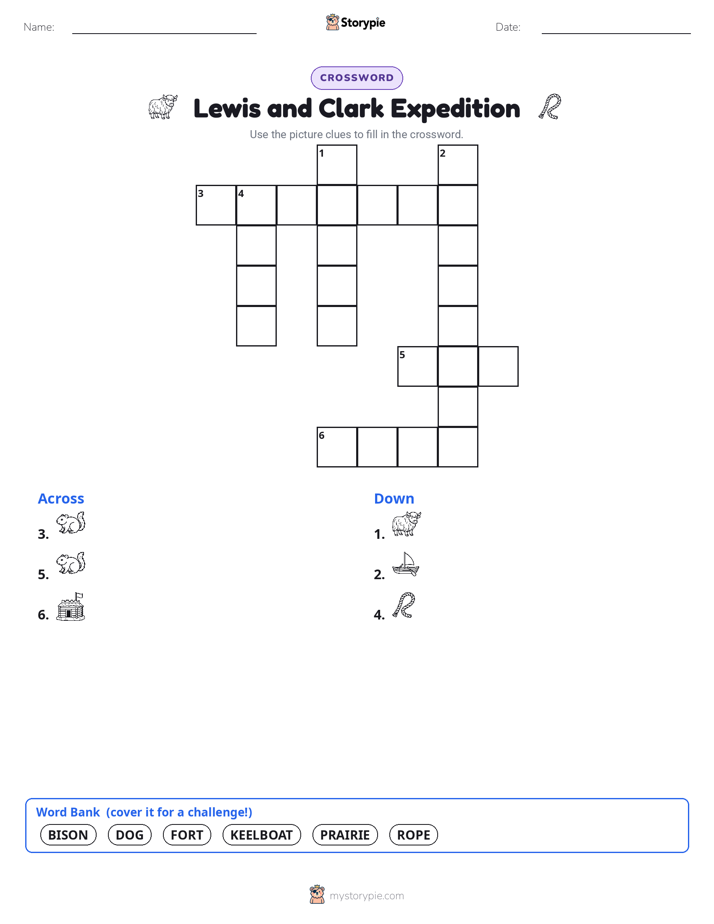
Our journey began on May 14th, 1804, from a camp near St. Louis. Our team was called the Corps of Discovery, and it was made up of brave soldiers, hunters, and adventurers ready for anything. We had a large, sturdy boat called a keelboat and two smaller boats called pirogues. Getting them up the mighty Missouri River was our first great challenge. The river's current was strong and muddy, and it fought against us every single day. The men had to row, pole, and sometimes even pull the boats with ropes from the shore. The work was exhausting, but the sights were breathtaking. We traveled through enormous prairies that seemed to stretch on forever under a giant blue sky. We saw animals we had only heard stories about, like herds of bison that thundered across the plains and curious little prairie dogs that would pop out of their underground towns to chirp at us. Each day brought new discoveries and a feeling of wonder. As the sun set each evening, casting a golden glow on the river, we felt proud of how far we had come.
My Journey Across America
Hello there. My name is Meriwether Lewis, and I was once a soldier and an explorer. One day, a very important person, President Thomas Jefferson, invited me to his home. The President was a man filled with curiosity about the world, especially the brand-new land our country had just acquired, called the Louisiana Purchase. He looked at me with serious eyes and shared his grand idea. He wanted me to lead an expedition to explore this vast, unknown territory. Our main goal was to find a water route, a river highway, that could take us all the way across the continent to the great Pacific Ocean. My heart pounded with excitement. What an adventure. But I also felt the great responsibility of the mission. We would have to map the land, study the plants and animals we found, and meet the Native American tribes living there as friends. I knew I couldn't do it alone, so I asked my good friend, a skilled mapmaker and outdoorsman named William Clark, to be my co-captain. Together, we would lead a team into the great unknown.
Our journey began on May 14th, 1804, from a camp near St. Louis. Our team was called the Corps of Discovery, and it was made up of brave soldiers, hunters, and adventurers ready for anything. We had a large, sturdy boat called a keelboat and two smaller boats called pirogues. Getting them up the mighty Missouri River was our first great challenge. The river's current was strong and muddy, and it fought against us every single day. The men had to row, pole, and sometimes even pull the boats with ropes from the shore. The work was exhausting, but the sights were breathtaking. We traveled through enormous prairies that seemed to stretch on forever under a giant blue sky. We saw animals we had only heard stories about, like herds of bison that thundered across the plains and curious little prairie dogs that would pop out of their underground towns to chirp at us. Each day brought new discoveries and a feeling of wonder. As the sun set each evening, casting a golden glow on the river, we felt proud of how far we had come.
As the air grew colder and winter approached, we knew we couldn't continue on the river. In the winter of 1804 to 1805, the Missouri River froze solid, so we built a small fort to live in. We called it Fort Mandan, because we were near the villages of the kind Mandan and Hidatsa people. They were generous friends to us during that long, cold winter. They shared their food, taught us about the land, and told us stories around the fire. It was there that we met a remarkable young woman named Sacagawea. She was from the Shoshone tribe, which lived far to the west in the mountains we would eventually have to cross. She, along with her husband, a French-Canadian trader, agreed to join our expedition as interpreters. She even brought along her newborn baby boy. Her presence was a blessing. When other tribes saw a woman and a baby traveling with us, they knew we came in peace. At the time, we had no idea just how much her courage and knowledge would help us in the difficult months ahead.
When spring arrived, we continued our journey west, but the hardest part was still ahead of us. We had to cross the massive, snow-capped Rocky Mountains. First, we came to the Great Falls of the Missouri River, a series of powerful waterfalls that roared like thunder. There was no way to boat through them, so we had to carry our heavy boats and all our supplies around them for weeks. It was then we realized President Jefferson's dream of an easy water route to the Pacific just wasn't possible. The only way forward was over the mountains on foot. This is where Sacagawea became our hero. She guided us to her people, the Shoshone. Her own brother was now the chief. Because of her, we were able to trade for strong horses, which were the only way we could carry our supplies over the steep, snowy peaks. After a long and difficult crossing, we finally reached the Columbia River. We built new canoes and paddled downstream until one day in November of 1805, we saw it. The endless, sparkling water of the Pacific Ocean. We had made it.
We spent the winter on the coast and then began the long journey home. After more than two years and eight thousand miles, we finally paddled back into St. Louis on September 23rd, 1806. Everyone cheered when they saw us. We may not have found the all-water route the President had hoped for, but our journey was a great success. William Clark and I had created the first accurate maps of the American West. Our journals were filled with notes and drawings of hundreds of plants and animals that were new to science. Looking back, our expedition taught me that even when you don't find exactly what you're looking for, the journey itself can lead to incredible discoveries. It showed me the power of teamwork, friendship, and exploring the world with an open heart and curious mind.
Wow facts
About
A U.S. military expedition, led by Captain Meriwether Lewis and First Lieutenant William Clark, to explore the newly acquired Louisiana Purchase and find a water route to the Pacific Ocean.
Take a Quiz
Question 1 of 5
In the story, the sentence says the team had to 'carry our heavy boats and all our supplies around them for weeks.' What does this tell you about the Great Falls of the Missouri River?
Explore next




Want to do even more?
Go beyond exploring. Unlock tools that turn every story into real learning.

Storypie Plus for families
Full stories, quizzes, and printables. Nights and car rides, sorted.
- Unlimited audio stories
- Create Mode: your child stars in the story
- Offline downloads
- Printable worksheets & coloring pages

Why Storypie for Schools
Students engaged. Prep in seconds. Evenings back to you.
- Worksheets & Quizzes
- Classroom Management
- Formative Assessment
- Custom Curriculum & Lesson Plans
- 27 Languages

Why Storypie for Homeschool
Curriculum done. They'll ask for more. Hours back in your day.
- Worksheet Generator
- First-Person Audio Stories
- Built-in Comprehension Quizzes
- Custom Curriculum & Lesson Plans
- Print & Go Activities