English

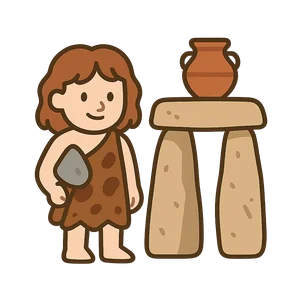
Neolithic Period
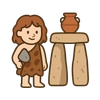
The Neolithic Period, or New Stone Age…
Reads at Grades 3–5 Listens at Grades 1–5
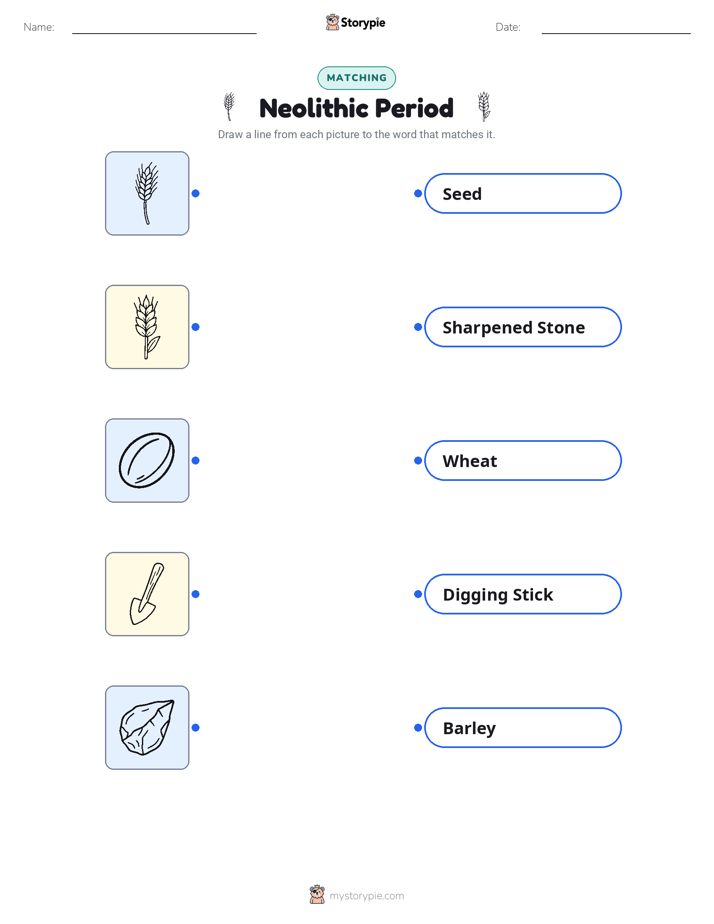
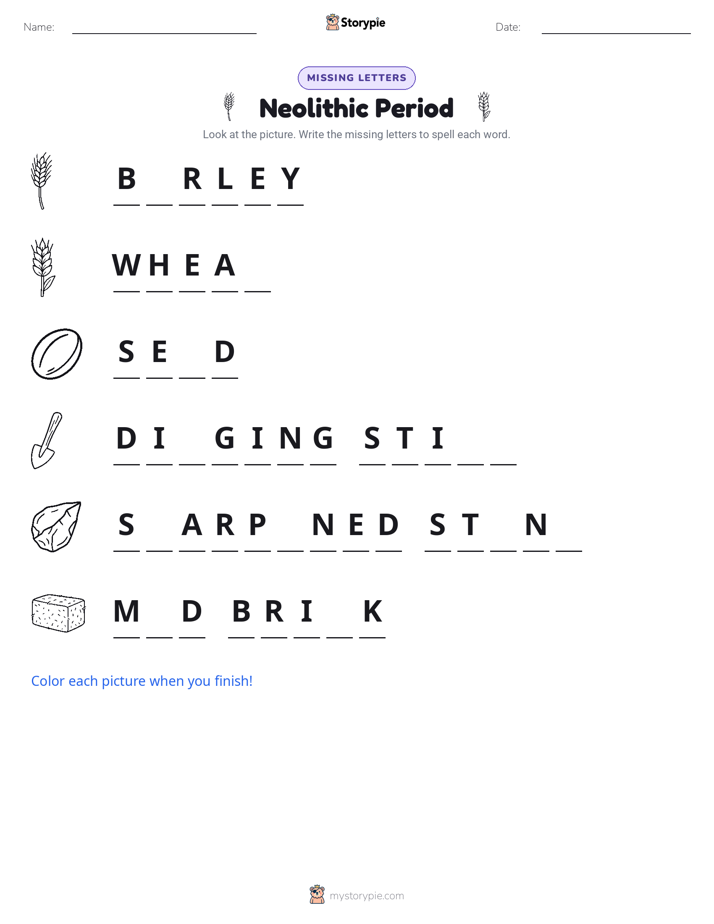
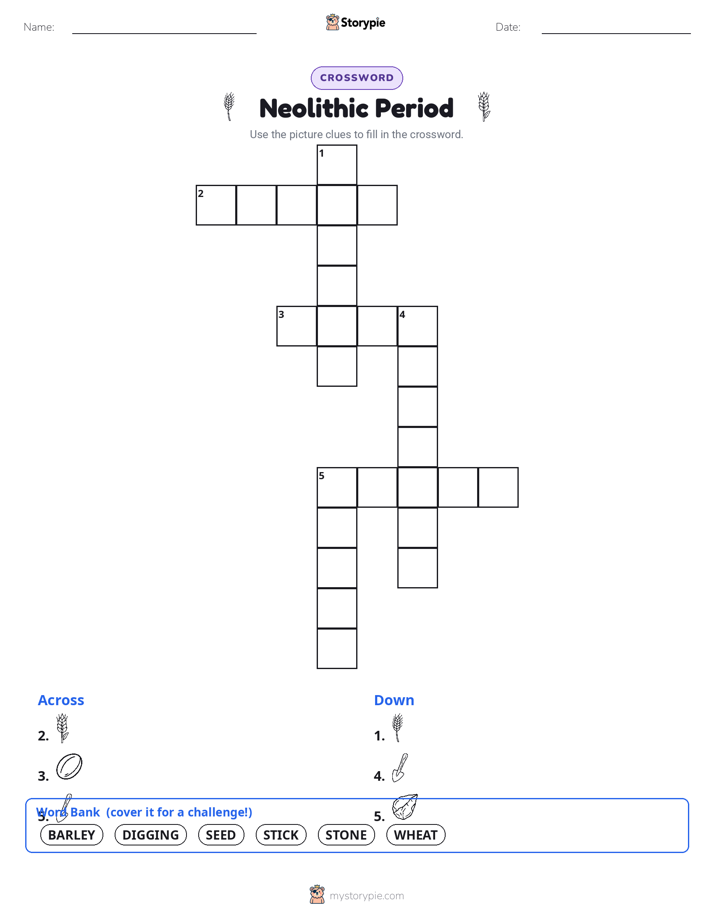
Print & create
Answer keys·No prep·Free with an account
28 worksheets · answer keys · full story · quiz · Ages 8-10 · CEFR B1
Plus adds 102,000+ more stories in 27 languages, audio for every one, and printables for all of them.
Just want Neolithic Period?
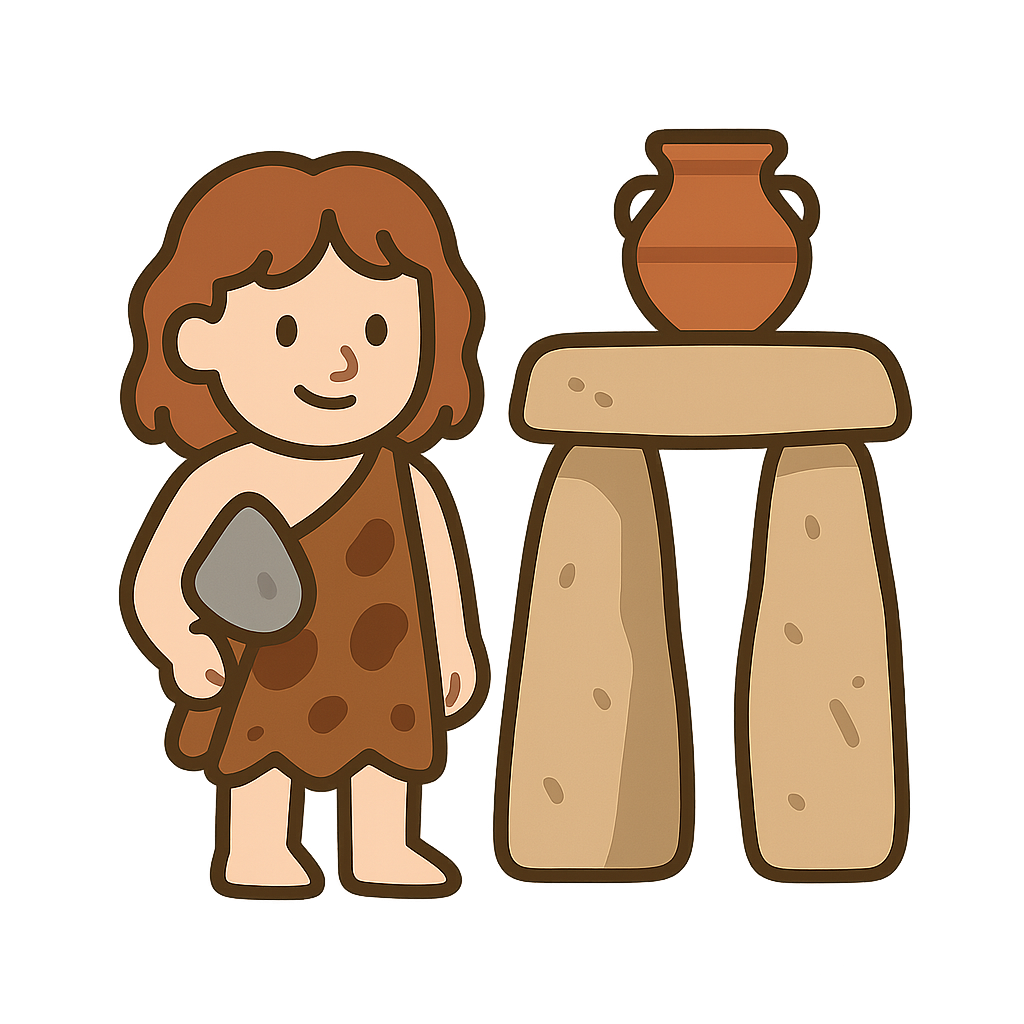
My name is Elara, and my story begins a very long time ago, around 10,000 BCE, in a beautiful, wild land of rivers and hills that would one day be called the Fertile Crescent. For as long as I could remember, my family did not have one single place to call home. We were nomadic, which is a fancy word for wanderers. We followed the great herds of gazelle and wild goats, and our lives moved with the seasons. In the spring, we searched for the first tender green plants. In the summer, we followed the sweet scent of ripening berries and figs. Our homes were temporary shelters made from branches and animal hides, easy to put up and easy to take down. At night, I would lie on my straw mat and listen to the sounds of the world outside. Sometimes the wind would howl, and I would pull my fur blanket tighter, feeling a little cold and a little scared. Life was full of excitement, like the thrill of my father and the other hunters returning with food. But there was always a quiet worry that followed us like a shadow. What if the herds moved too fast? What if we couldn't find enough berries? Every day was a question, and we never knew for sure what the answer would be.
Everything changed because of a tiny, forgotten seed. One spring, we returned to a place by a wide, flowing river where we had camped the year before. My mother pointed to a patch of ground near our old fire pit. A thick stand of wild wheat was growing there, its heads fat with grain. She remembered accidentally spilling a pouch of seeds in that very spot last autumn. It wasn't magic, it was something we could understand. A seed, if planted in the earth, would grow into food. That was the tiny seed of a very big idea. Instead of leaving, we decided to stay. For the first time, my family did not pack up our shelters to follow the herds. My father and the other men cleared a small patch of land near the river, and we all helped push barley and wheat seeds into the soft soil. The work was harder than I ever imagined. We had to guard the little green shoots from hungry birds and make sure they got water from the river. Weeks turned into months. I watched the plants grow taller and taller, and a new feeling grew with them: hope. Then, one day, the grains turned golden. It was time for our first harvest. The feeling of holding all that food in our hands, more than we could eat in a day or even a week, was pure joy. With so much grain, we knew we could not wander anymore. We needed a permanent place to live and store our food. So, we learned to make bricks by mixing river mud with straw and letting them bake hard in the sun. We stacked them one by one to build a small, sturdy house. The first night I spent inside those thick mud walls, safe and warm, I knew my life would never be the same. I finally had a real home.
Elara and the First Seed
My name is Elara, and my story begins a very long time ago, around 10,000 BCE, in a beautiful, wild land of rivers and hills that would one day be called the Fertile Crescent. For as long as I could remember, my family did not have one single place to call home. We were nomadic, which is a fancy word for wanderers. We followed the great herds of gazelle and wild goats, and our lives moved with the seasons. In the spring, we searched for the first tender green plants. In the summer, we followed the sweet scent of ripening berries and figs. Our homes were temporary shelters made from branches and animal hides, easy to put up and easy to take down. At night, I would lie on my straw mat and listen to the sounds of the world outside. Sometimes the wind would howl, and I would pull my fur blanket tighter, feeling a little cold and a little scared. Life was full of excitement, like the thrill of my father and the other hunters returning with food. But there was always a quiet worry that followed us like a shadow. What if the herds moved too fast? What if we couldn't find enough berries? Every day was a question, and we never knew for sure what the answer would be.
Everything changed because of a tiny, forgotten seed. One spring, we returned to a place by a wide, flowing river where we had camped the year before. My mother pointed to a patch of ground near our old fire pit. A thick stand of wild wheat was growing there, its heads fat with grain. She remembered accidentally spilling a pouch of seeds in that very spot last autumn. It wasn't magic, it was something we could understand. A seed, if planted in the earth, would grow into food. That was the tiny seed of a very big idea. Instead of leaving, we decided to stay. For the first time, my family did not pack up our shelters to follow the herds. My father and the other men cleared a small patch of land near the river, and we all helped push barley and wheat seeds into the soft soil. The work was harder than I ever imagined. We had to guard the little green shoots from hungry birds and make sure they got water from the river. Weeks turned into months. I watched the plants grow taller and taller, and a new feeling grew with them: hope. Then, one day, the grains turned golden. It was time for our first harvest. The feeling of holding all that food in our hands, more than we could eat in a day or even a week, was pure joy. With so much grain, we knew we could not wander anymore. We needed a permanent place to live and store our food. So, we learned to make bricks by mixing river mud with straw and letting them bake hard in the sun. We stacked them one by one to build a small, sturdy house. The first night I spent inside those thick mud walls, safe and warm, I knew my life would never be the same. I finally had a real home.
Our little mud-brick house was soon joined by others. Our wandering group became a settled village. Life was completely different. We no longer spent all our time searching for food. Now, we had time to think and create. My mother learned to take the clay from the riverbank and shape it into pots. She would smooth the sides and then bake them in a hot fire until they were hard as stone. In these amazing new containers, we could store our grain and keep it safe from rainwater and hungry mice. It was an incredible invention. My father’s tools changed, too. Instead of chipping at stones to give them a rough edge, he learned to grind and polish them until they were smooth and sharp. His new stone axe could cut down a small tree in half the time, making it easier to get wood for our fires and for building. We were not just surviving anymore; we were building a new world. Looking out at our growing village, with its sturdy houses, cooking fires, and fields of grain, I realized that planting that first seed did more than just grow food. It allowed us to grow a community, to settle down and work together. We had found a new way to live, and it was the beginning of everything.
Wow facts
About
The Neolithic Period, or New Stone Age, was a transformative era in human history when many human societies transitioned from a nomadic lifestyle of hunting and gathering to settled agricultural communities. During this time, people began to farm and take care of animals, but this change happened at different times and in different places. Some groups still moved around while starting to grow crops and keep animals.
Take a Quiz
Question 1 of 5
In the story, Elara says her family lived a 'nomadic' life. What does the word 'nomadic' mean?
Explore next




Want to do even more?
Go beyond exploring. Unlock tools that turn every story into real learning.

Storypie Plus for families
Full stories, quizzes, and printables. Nights and car rides, sorted.
- Unlimited audio stories
- Create Mode: your child stars in the story
- Offline downloads
- Printable worksheets & coloring pages

Why Storypie for Schools
Students engaged. Prep in seconds. Evenings back to you.
- Worksheets & Quizzes
- Classroom Management
- Formative Assessment
- Custom Curriculum & Lesson Plans
- 27 Languages

Why Storypie for Homeschool
Curriculum done. They'll ask for more. Hours back in your day.
- Worksheet Generator
- First-Person Audio Stories
- Built-in Comprehension Quizzes
- Custom Curriculum & Lesson Plans
- Print & Go Activities