English

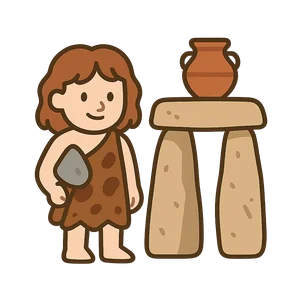
Neolithic Period
The Neolithic Period, or New Stone Age…
Reads at Grades 6–8 Listens at Grades 4–8
Print & create
Answer keys·No prep·Free with an account
28 worksheets · answer keys · full story · quiz · Ages 10-12 · CEFR B2
Plus adds 102,000+ more stories in 27 languages, audio for every one, and printables for all of them.
Just want Neolithic Period?
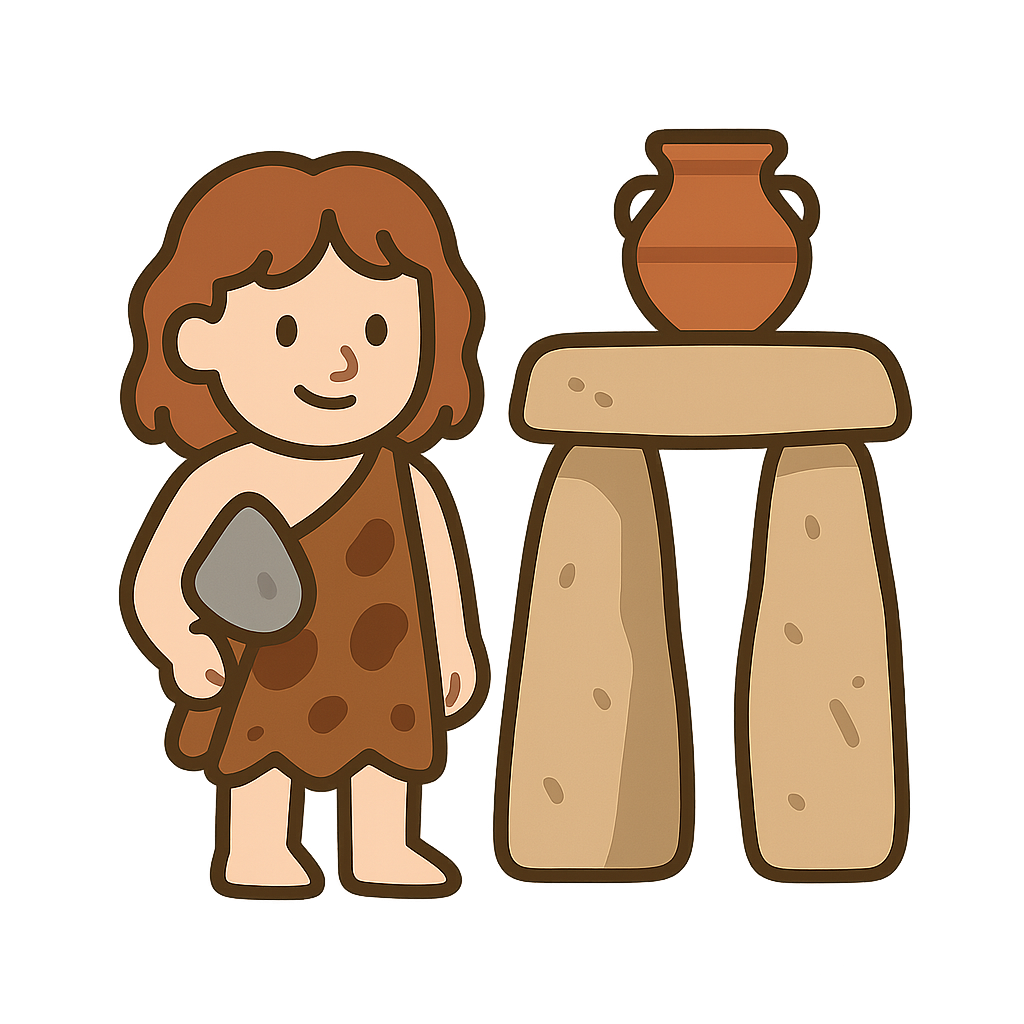
My name is Elara, and my story begins not in a town or a city, but under the vast, open sky of a land that would one day be called the Fertile Crescent. The time was around 9,000 BCE, long before kings or pyramids. My world was a cycle of movement, dictated by the seasons and the herds. Our family, our small band of people, were hunter-gatherers. We followed the great herds of gazelle as they migrated, and our lives depended on the skill of our hunters and the keen eyes of our gatherers who sought out patches of wild wheat and barley. Some days were filled with joy, the fire crackling as we feasted on a successful hunt. But many other days were shadowed by anxiety. A lean day meant a hungry night, and a string of lean days was a true danger. The elders spoke of a time when the world was much colder, a time of great ice. But now, they said, the world was growing warmer, and the grasses were growing thicker. This warmth, this change in the world itself, was setting the stage for a change in our lives so profound that none of us could have ever imagined it.
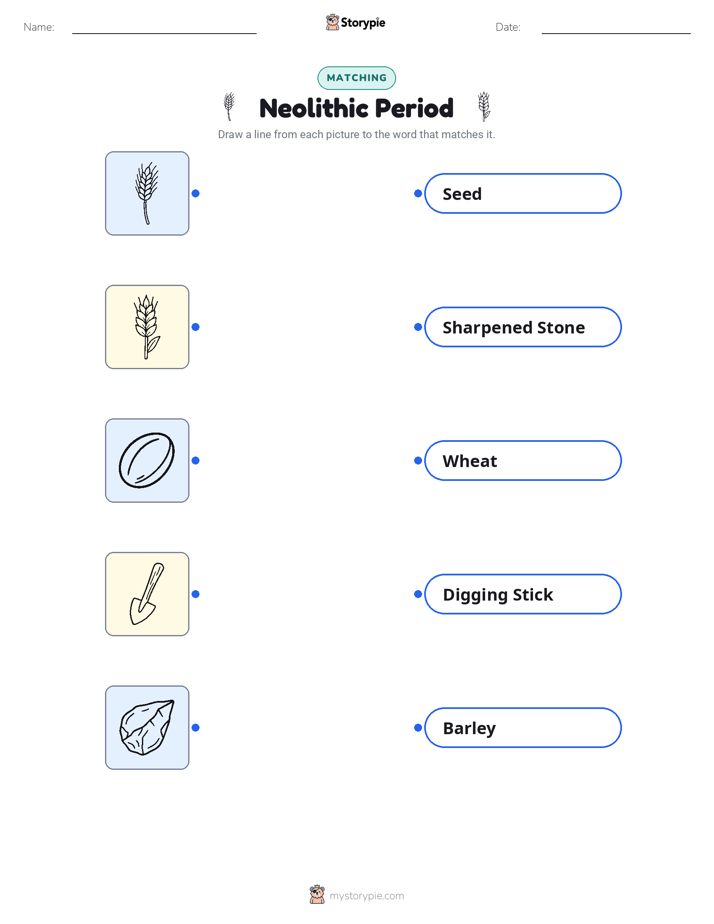
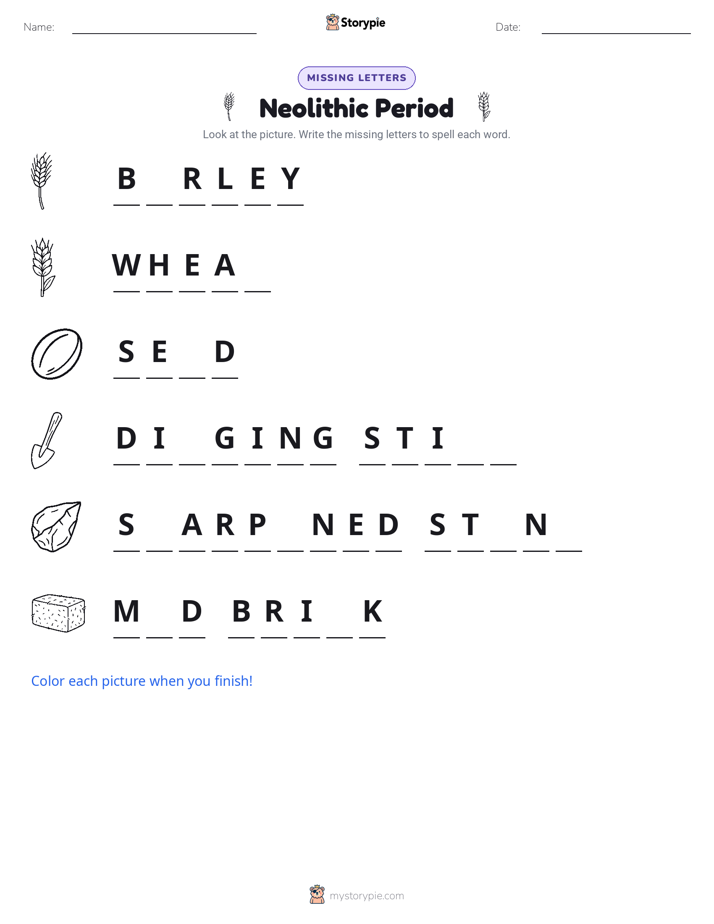
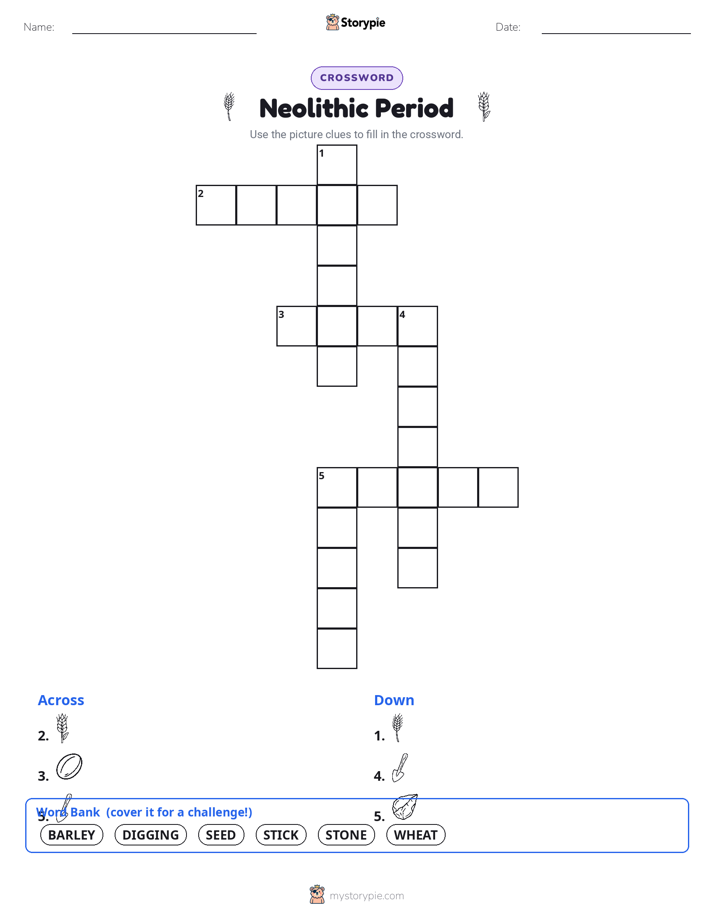
One season, we made our camp near a winding river, where the soil was dark and rich. We had been there the previous year, and as we settled, I noticed something strange. In the area where my mother had accidentally spilled a basket of wild barley grains months before, a thick patch of barley was now growing, taller and healthier than any we could find in the wild. It was a spark. An idea. At first, it was just a whisper among the younger members of our group. What if the spill wasn't an accident? What if we put the seeds in the ground on purpose? The elders were skeptical. Their whole lives had been spent following the food. To stay in one place and wait for food to grow from the ground seemed like a foolish risk. Why would we abandon the ways that had kept our people alive for generations? But the memory of hungry nights was a powerful motivator. My father and a few others decided to try. It was back-breaking work. We used sharpened stones lashed to sticks to break up the soil and clear the competing weeds. With digging sticks, we poked holes in the earth and carefully placed the best seeds we had gathered. Then, all we could do was wait. Every sunrise, I would run to our small plot of land, my heart pounding with a mix of hope and fear. And then, one morning, I saw them. Tiny green shoots, pushing their way through the dark soil toward the sun. It felt like magic, a true miracle. We had not just found food; we had convinced the earth to give it to us.
Elara's Seed of Change
My name is Elara, and my story begins not in a town or a city, but under the vast, open sky of a land that would one day be called the Fertile Crescent. The time was around 9,000 BCE, long before kings or pyramids. My world was a cycle of movement, dictated by the seasons and the herds. Our family, our small band of people, were hunter-gatherers. We followed the great herds of gazelle as they migrated, and our lives depended on the skill of our hunters and the keen eyes of our gatherers who sought out patches of wild wheat and barley. Some days were filled with joy, the fire crackling as we feasted on a successful hunt. But many other days were shadowed by anxiety. A lean day meant a hungry night, and a string of lean days was a true danger. The elders spoke of a time when the world was much colder, a time of great ice. But now, they said, the world was growing warmer, and the grasses were growing thicker. This warmth, this change in the world itself, was setting the stage for a change in our lives so profound that none of us could have ever imagined it.
One season, we made our camp near a winding river, where the soil was dark and rich. We had been there the previous year, and as we settled, I noticed something strange. In the area where my mother had accidentally spilled a basket of wild barley grains months before, a thick patch of barley was now growing, taller and healthier than any we could find in the wild. It was a spark. An idea. At first, it was just a whisper among the younger members of our group. What if the spill wasn't an accident? What if we put the seeds in the ground on purpose? The elders were skeptical. Their whole lives had been spent following the food. To stay in one place and wait for food to grow from the ground seemed like a foolish risk. Why would we abandon the ways that had kept our people alive for generations? But the memory of hungry nights was a powerful motivator. My father and a few others decided to try. It was back-breaking work. We used sharpened stones lashed to sticks to break up the soil and clear the competing weeds. With digging sticks, we poked holes in the earth and carefully placed the best seeds we had gathered. Then, all we could do was wait. Every sunrise, I would run to our small plot of land, my heart pounding with a mix of hope and fear. And then, one morning, I saw them. Tiny green shoots, pushing their way through the dark soil toward the sun. It felt like magic, a true miracle. We had not just found food; we had convinced the earth to give it to us.
That first harvest changed everything. For the first time in anyone's memory, we had more food than we could eat at once. The need to constantly move, to follow the herds, was gone. We could stay by the river. The feeling was so new, so profound, that it took time to understand. We were no longer nomads. This place was our home. And a home needed a house. We learned to mix the mud from the riverbank with straw, form it into bricks, and let them bake hard in the sun. Slowly, we built sturdy, round houses that protected us from the wind and rain. A true sense of permanence settled over us. But a settled life brought new challenges and new ideas. How could we store our surplus grain to protect it from pests and moisture? This led to a wonderful invention. We learned to shape wet clay into pots and bake them in our fires until they were hard, creating the first pottery. We also realized that some animals didn't have to be hunted. We captured a few young, wild goats and kept them in a pen, feeding them scraps. Soon, they provided us with a steady supply of milk, a food we had never been able to rely on before. Our tools changed, too. We crafted sharp flint blades into curved sickles for harvesting grain more efficiently, and we used large, flat grinding stones to turn the hard kernels into flour for baking a simple, delicious bread.
I am a young woman now, and the world I was born into feels like a distant memory. Our small settlement by the river is no longer just a few houses; it is a bustling village. The success of our farm means that not everyone has to spend their days gathering or growing food. Some people have become incredibly skilled at making clay pots, trading them for grain. Others are experts at weaving flax into cloth or building stronger houses. We have potters, weavers, builders, and farmers, each contributing to the life of our community. Sometimes I stand on the small hill overlooking our fields of wheat and barley, watching the smoke rise from the chimneys of our permanent homes, and I feel a sense of awe. It all started with a simple observation, with a seed of an idea. The decision to plant a seed on purpose did not just give us food; it gave us a future. It allowed us to build homes, form a community, and develop skills we never knew we had. Our small act of planting was a revolution, the beginning of a new way of life for humans everywhere. It was the foundation for every village, town, and great city that would ever rise from the earth, all born from that first seed of hope planted in the soil so many years ago.
Wow facts
About
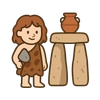
The Neolithic Period, or New Stone Age, was a transformative era in human history when many human societies transitioned from a nomadic lifestyle of hunting and gathering to settled agricultural communities. During this time, people began to farm and take care of animals, but this change happened at different times and in different places. Some groups still moved around while starting to grow crops and keep animals.
Take a Quiz
Question 1 of 5
What is the main idea of this story?
Explore next




Want to do even more?
Go beyond exploring. Unlock tools that turn every story into real learning.

Storypie Plus for families
Full stories, quizzes, and printables. Nights and car rides, sorted.
- Unlimited audio stories
- Create Mode: your child stars in the story
- Offline downloads
- Printable worksheets & coloring pages

Why Storypie for Schools
Students engaged. Prep in seconds. Evenings back to you.
- Worksheets & Quizzes
- Classroom Management
- Formative Assessment
- Custom Curriculum & Lesson Plans
- 27 Languages

Why Storypie for Homeschool
Curriculum done. They'll ask for more. Hours back in your day.
- Worksheet Generator
- First-Person Audio Stories
- Built-in Comprehension Quizzes
- Custom Curriculum & Lesson Plans
- Print & Go Activities