English

Tang Dynasty
The Tang Dynasty (618–907 CE) was a golden age in Chinese history, marked by territorial expansion…
Reads at Grades 6–8 Listens at Grades 4–8
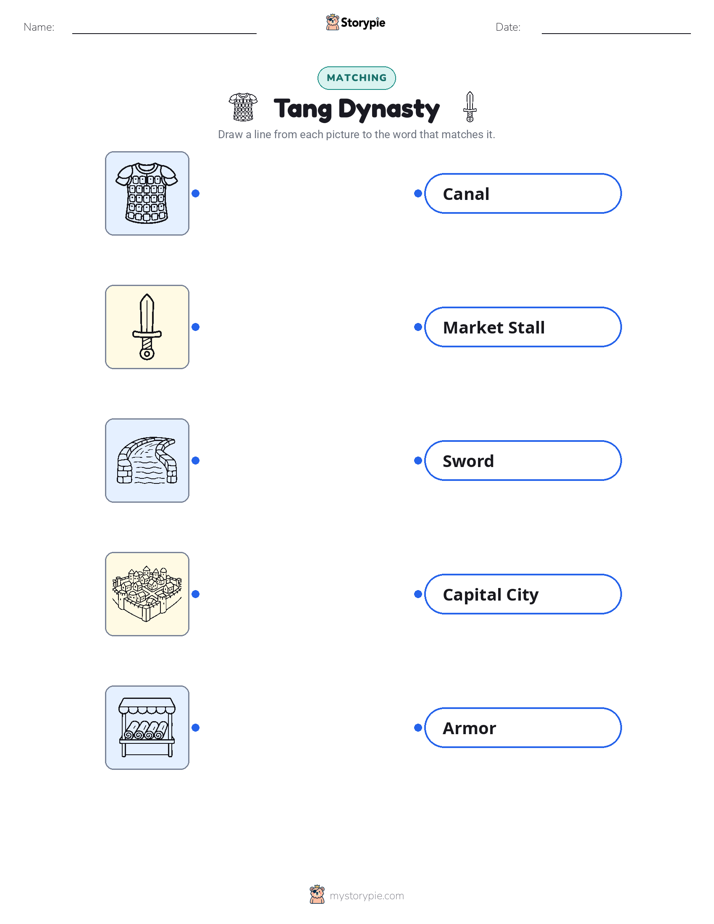
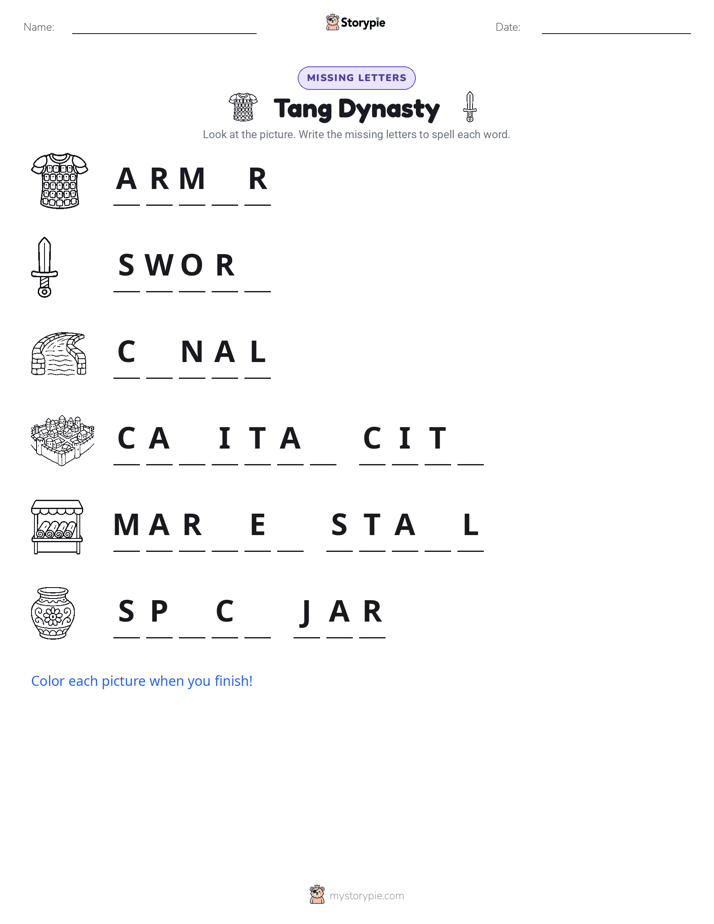
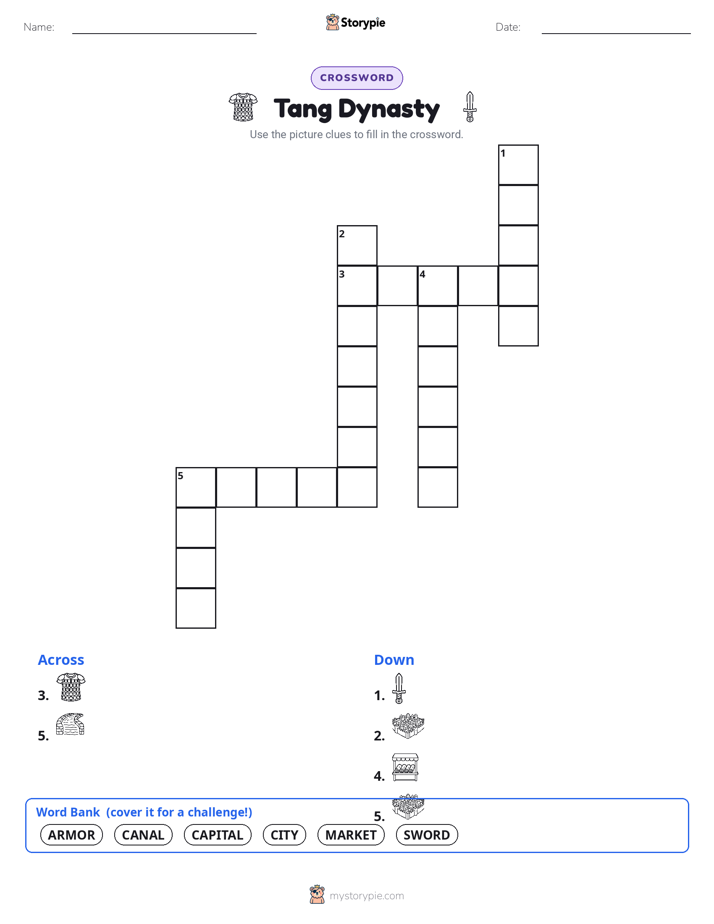
Print & create
Answer keys·No prep·Free with an account
28 worksheets · answer keys · full story · quiz · Ages 10-12 · CEFR B2
Plus adds 102,000+ more stories in 27 languages, audio for every one, and printables for all of them.
Just want Tang Dynasty?
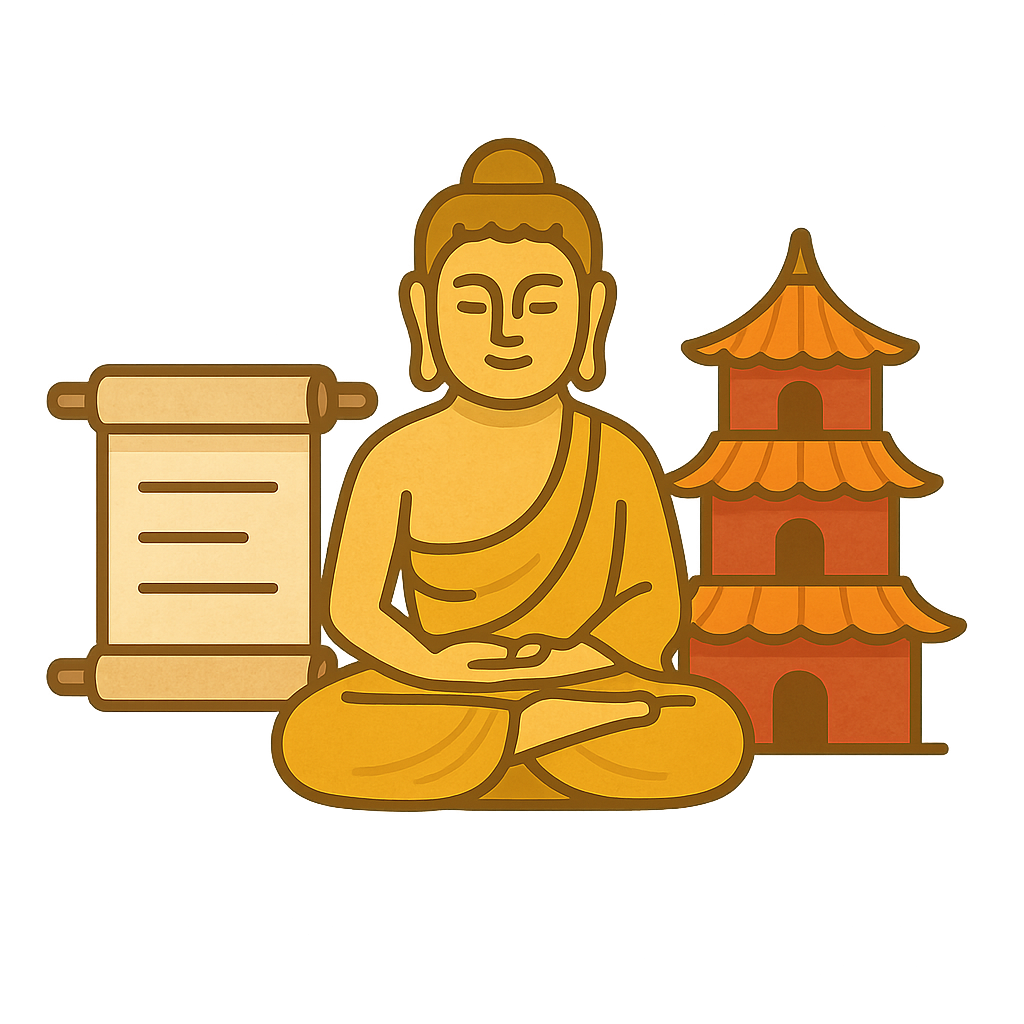
Hello, I am Li Shimin, though you may know me by the name I took as emperor: Taizong of the Tang. My story is one of forging an empire from chaos and ushering in what many call a golden age. Before my family, the Li family, created the Tang Dynasty, China was suffering under the rule of the Sui Dynasty. The emperor had exhausted our people with costly wars and massive construction projects like the Grand Canal. The land was wracked by floods and famine, and the people groaned under heavy taxes. I was a young man then, but I saw the despair in their eyes. My father, Li Yuan, was a respected official, and we knew that something had to be done to restore the Mandate of Heaven—the belief that a ruler must be just to have the right to rule. In the year 617 CE, after much careful planning, we made our momentous decision. We gathered our armies and marched from our post in the north toward the capital. It was not a quest for power, but a duty to our people. We fought to end their suffering and bring peace back to the Middle Kingdom. The path was difficult and filled with battles against other warlords who also sought to claim the empire. But my spirit was filled with a youthful determination. I led soldiers on the front lines, my armor caked with the dust of the northern plains. Finally, on June 18th, 618 CE, my father declared the founding of the Tang Dynasty, and a new era began. Even then, my work was not done. I spent the next several years as a general, leading campaigns to unite the fractured parts of China under our new banner, feeling the heavy weight of building a future worthy of the sacrifices we had made.
The Golden Age of the Tang
Hello, I am Li Shimin, though you may know me by the name I took as emperor: Taizong of the Tang. My story is one of forging an empire from chaos and ushering in what many call a golden age. Before my family, the Li family, created the Tang Dynasty, China was suffering under the rule of the Sui Dynasty. The emperor had exhausted our people with costly wars and massive construction projects like the Grand Canal. The land was wracked by floods and famine, and the people groaned under heavy taxes. I was a young man then, but I saw the despair in their eyes. My father, Li Yuan, was a respected official, and we knew that something had to be done to restore the Mandate of Heaven—the belief that a ruler must be just to have the right to rule. In the year 617 CE, after much careful planning, we made our momentous decision. We gathered our armies and marched from our post in the north toward the capital. It was not a quest for power, but a duty to our people. We fought to end their suffering and bring peace back to the Middle Kingdom. The path was difficult and filled with battles against other warlords who also sought to claim the empire. But my spirit was filled with a youthful determination. I led soldiers on the front lines, my armor caked with the dust of the northern plains. Finally, on June 18th, 618 CE, my father declared the founding of the Tang Dynasty, and a new era began. Even then, my work was not done. I spent the next several years as a general, leading campaigns to unite the fractured parts of China under our new banner, feeling the heavy weight of building a future worthy of the sacrifices we had made.
My reign as emperor, which began in 626 CE, is known as the Reign of Zhenguan. It was a time of peace and prosperity, and the heart of it all was our magnificent capital, Chang'an. It was, I believe, the greatest city in the world. Imagine walls that stretched for miles, with wide, straight avenues teeming with people from every corner of the known world. The air in the great markets hummed with a hundred different languages and was thick with the scent of exotic spices from Persia and India. Merchants displayed bolts of shimmering silk, intricate jewelry, and powerful horses from the western steppes. You could see Nestorian Christians, Zoroastrians from Persia, and Muslims from Arabia walking the same streets as our own Buddhist and Taoist scholars. I welcomed them all. It was in Chang'an that the great monk Xuanzang began his epic journey to India to retrieve sacred texts. Our city was a true melting pot of cultures, ideas, and faiths. I believed that to rule well, an emperor must listen. I told my court that the ruler is a boat and the people are the water; the water can carry the boat, but it can also capsize it. I insisted my advisors speak their minds, even if it meant criticizing my decisions. I wanted to hear the truth, not just flattery. To ensure the government was run by the most capable people, I expanded the civil service examination system. This meant that a man's position was based on his knowledge and talent, not just his family's wealth or influence. It was a radical idea, but it brought the best minds to my court and helped our dynasty flourish.
A ruler’s work is never truly finished. We faced constant challenges, especially protecting our vast borders from raids and ensuring the Silk Road, that great artery of commerce and culture, remained safe for travelers. But I knew that the true legacy of a dynasty is not measured in its military victories, but in the culture it nurtures. The Tang Dynasty became a beacon of creativity. The words of poets like Li Bai and Du Fu, who wrote of friendship, nature, and the joys and sorrows of life, still echo through the centuries. Our artists created breathtaking paintings and sculptures, and our engineers made incredible advancements, including the invention of woodblock printing, which allowed books and knowledge to be shared more widely than ever before. I could not see into the distant future, of course. I did not know that long after my death, a devastating event called the An Lushan Rebellion would begin in 755 CE, plunging the empire into a period of darkness and sorrow. It serves as a reminder that even the brightest eras must one day face hardship. However, I am hopeful. I believe the spirit of the Tang—our openness to the world, our passion for art and poetry, and our commitment to good governance—left a permanent mark on China and the world. It is a legacy of progress and creativity, a story that I hope inspires future generations to build, to learn, and to dream.
Wow facts
About
The Tang Dynasty (618–907 CE) was a golden age in Chinese history, marked by territorial expansion, cultural flourishing, cosmopolitanism, and significant technological innovations like woodblock printing.
Take a Quiz
Question 1 of 5
According to the story, what was the main reason Li Shimin and his father rebelled against the Sui Dynasty?
Explore next





Want to do even more?
Go beyond exploring. Unlock tools that turn every story into real learning.

Storypie Plus for families
Full stories, quizzes, and printables. Nights and car rides, sorted.
- Unlimited audio stories
- Create Mode: your child stars in the story
- Offline downloads
- Printable worksheets & coloring pages

Why Storypie for Schools
Students engaged. Prep in seconds. Evenings back to you.
- Worksheets & Quizzes
- Classroom Management
- Formative Assessment
- Custom Curriculum & Lesson Plans
- 27 Languages

Why Storypie for Homeschool
Curriculum done. They'll ask for more. Hours back in your day.
- Worksheet Generator
- First-Person Audio Stories
- Built-in Comprehension Quizzes
- Custom Curriculum & Lesson Plans
- Print & Go Activities