

 English

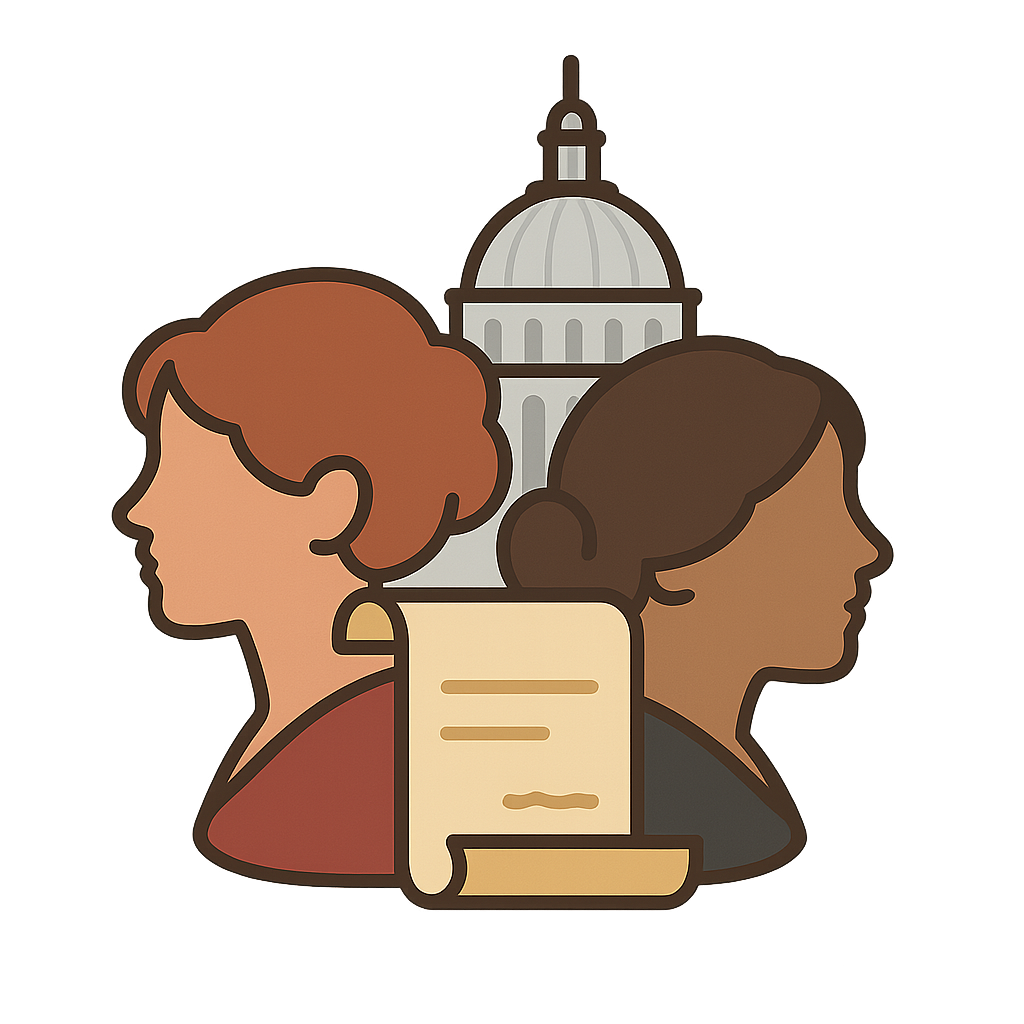
Alice Paul and the Fight for the Vote
Hello, my name is Alice Paul, and I want to tell you about a very important time in history. When I was a little girl, I learned that our country was a place where people could choose their leaders. This is called voting. But there was a big problem. Only men were allowed to vote. I thought to myself, 'That’s not fair. Women are smart and strong, and their voices matter, too.'. This big idea, that women should be able to vote, was called suffrage. It was a simple idea about fairness for everyone.
As I grew up, I met many other women who felt the same way. We decided we needed to do something big, something that no one could ignore. So, we planned a giant parade. On March 3rd, 1913, the day before a new president was sworn in, thousands of women gathered in Washington D.C. It was an amazing sight. There were women on white horses, beautiful floats decorated with flowers, and big, colorful banners that fluttered in the wind. We marched together, a river of women walking proudly down the street. It was the first time so many of us had come together like that. I could feel the excitement buzzing in the air. We were showing the whole country that we were serious and that we would not give up.
Our big parade made a lot of people notice us, but the President, Woodrow Wilson, still didn't seem to be listening. We knew we couldn't just go home. We had to keep reminding him that women deserved to vote. So, we came up with a new, very quiet plan. We decided to stand right outside his home, the big White House, where everyone could see us. We held large banners with powerful words written on them, like 'Mr. President, How Long Must Women Wait for Liberty?'. We stood there every single day, no matter the weather. We didn't shout or sing. We just stood in silence. That's why people started calling us the 'Silent Sentinels.' A sentinel is like a guard, and we were guarding our big idea.
Being a Silent Sentinel was not easy. Some days it was freezing cold, and the wind would whip our faces. Other days, the hot sun would beat down on us. Sometimes people would walk by and say unkind things because they didn't agree with us. But we never left. We stood together, brave and strong. If one of us felt tired, another would offer a kind word to help her keep going. We knew that even though we were quiet, our signs were speaking for us. They were speaking loudly about fairness and equality. Our determination was like a little flame that we kept safe from the wind. We knew that if we kept our flame burning, eventually, everyone would see its light and understand.
After years of parades, silent standing, and hard work, our light finally shone through. The leaders in our country began to listen. They talked and they argued, and finally, they agreed that it was time for a change. On a wonderful summer day, August 18th, 1920, a new rule for the whole country was made. It was called the 19th Amendment, and it said that no one could be stopped from voting just because they were a woman. We had won. I remember the cheers and the happy tears. Women all across America celebrated because their voices could finally be heard in the voting booth.
My part in this story was to believe in a fair idea and to never, ever give up. I learned that you don’t always have to be the loudest person to make a change. Sometimes, standing together quietly for what you believe in can be the most powerful thing of all. And now, because of the work we did, everyone has a chance to help choose our leaders. It shows that even a small group of determined people can help make the world a better, fairer place for everyone who comes after them.
Activities
Take a Quiz
Test what you learned with a fun quiz!
Get creative with colors!
Print a coloring book page of this topic.







 Free for Educators