English

All Saints' Day - Polish
A Polish national and Catholic holiday on November 1st…
Reads at Grades 6–8 Listens at Grades 4–8
Print & create
Answer keys·No prep·Free with an account
28 worksheets · answer keys · full story · quiz · Ages 10-12 · CEFR B2
Plus adds 279,000+ more stories in 27 languages, audio for every one, and printables for all of them.
Just want All Saints' Day - Polish?
I am All Saints' Day in Poland, a solemn and important national holiday that arrives each year on the first of November. My Polish name is Wszystkich Świętych. On this day, people throughout Poland take time to honor all the recognized saints within the Christian faith. My purpose is to provide a special moment of remembrance for every saint, but especially for those countless individuals who are not widely known or who do not have a specific feast day dedicated to them on the church calendar. I am not a day of loud celebration, but one of quiet respect, deep thought, and family togetherness, dedicated to remembering figures of faith and the legacy they represent.
My history is ancient, with roots that reach back to the early centuries of Christianity. For a long time, observances honoring saints took place on various dates in different regions. It wasn't until the 9th century that a single, unified date was established for the entire Catholic Church. In the year 835, Pope Gregory IV officially designated November 1st as the date for honoring all saints. My traditions, along with the Christian faith itself, arrived in the lands that would become Poland more than a thousand years ago. Over the centuries, my observance became deeply woven into the fabric of Polish culture, evolving into the unique and significant day that it is today.
The most visible and deeply felt tradition associated with me in Poland is the act of visiting the graves of family members. For many Poles, this is not just a short trip to a local cemetery; it is a pilgrimage. People will often travel hundreds of kilometers across the country, returning to the towns and villages where their parents, grandparents, and earlier ancestors are buried. This annual journey is considered so essential that the days surrounding November 1st are consistently among the busiest travel days of the entire year in Poland. Roads and trains are filled with people making their way home to pay their respects, demonstrating the profound importance placed on remembering family roots.
All Saints' Day in Poland: A Day of Light and Remembrance
I am All Saints' Day in Poland, a solemn and important national holiday that arrives each year on the first of November. My Polish name is Wszystkich Świętych. On this day, people throughout Poland take time to honor all the recognized saints within the Christian faith. My purpose is to provide a special moment of remembrance for every saint, but especially for those countless individuals who are not widely known or who do not have a specific feast day dedicated to them on the church calendar. I am not a day of loud celebration, but one of quiet respect, deep thought, and family togetherness, dedicated to remembering figures of faith and the legacy they represent.
My history is ancient, with roots that reach back to the early centuries of Christianity. For a long time, observances honoring saints took place on various dates in different regions. It wasn't until the 9th century that a single, unified date was established for the entire Catholic Church. In the year 835, Pope Gregory IV officially designated November 1st as the date for honoring all saints. My traditions, along with the Christian faith itself, arrived in the lands that would become Poland more than a thousand years ago. Over the centuries, my observance became deeply woven into the fabric of Polish culture, evolving into the unique and significant day that it is today.
The most visible and deeply felt tradition associated with me in Poland is the act of visiting the graves of family members. For many Poles, this is not just a short trip to a local cemetery; it is a pilgrimage. People will often travel hundreds of kilometers across the country, returning to the towns and villages where their parents, grandparents, and earlier ancestors are buried. This annual journey is considered so essential that the days surrounding November 1st are consistently among the busiest travel days of the entire year in Poland. Roads and trains are filled with people making their way home to pay their respects, demonstrating the profound importance placed on remembering family roots.
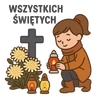
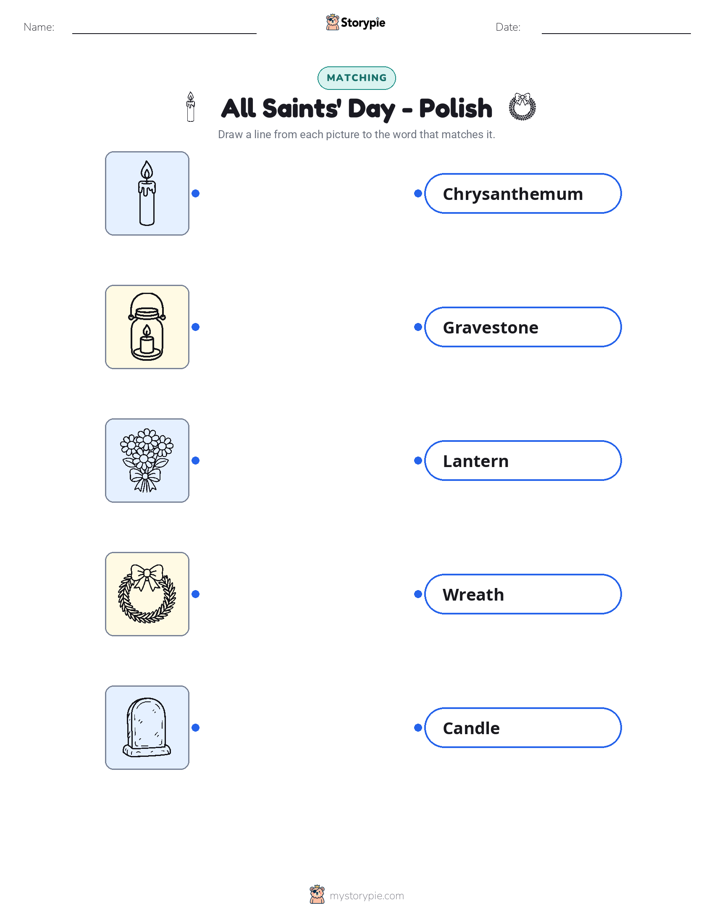
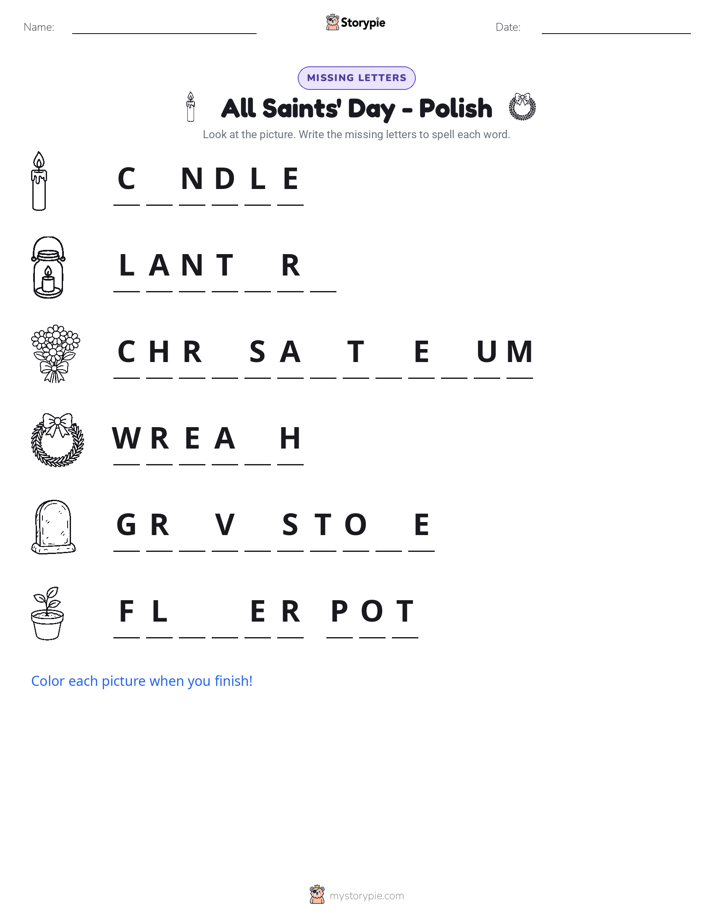
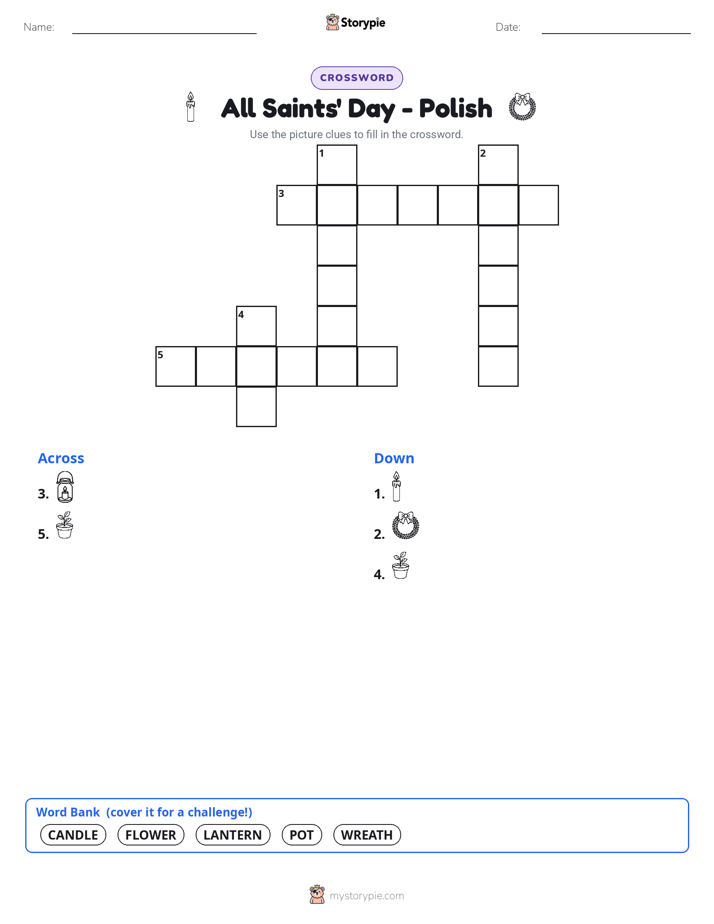
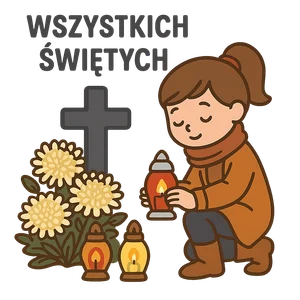
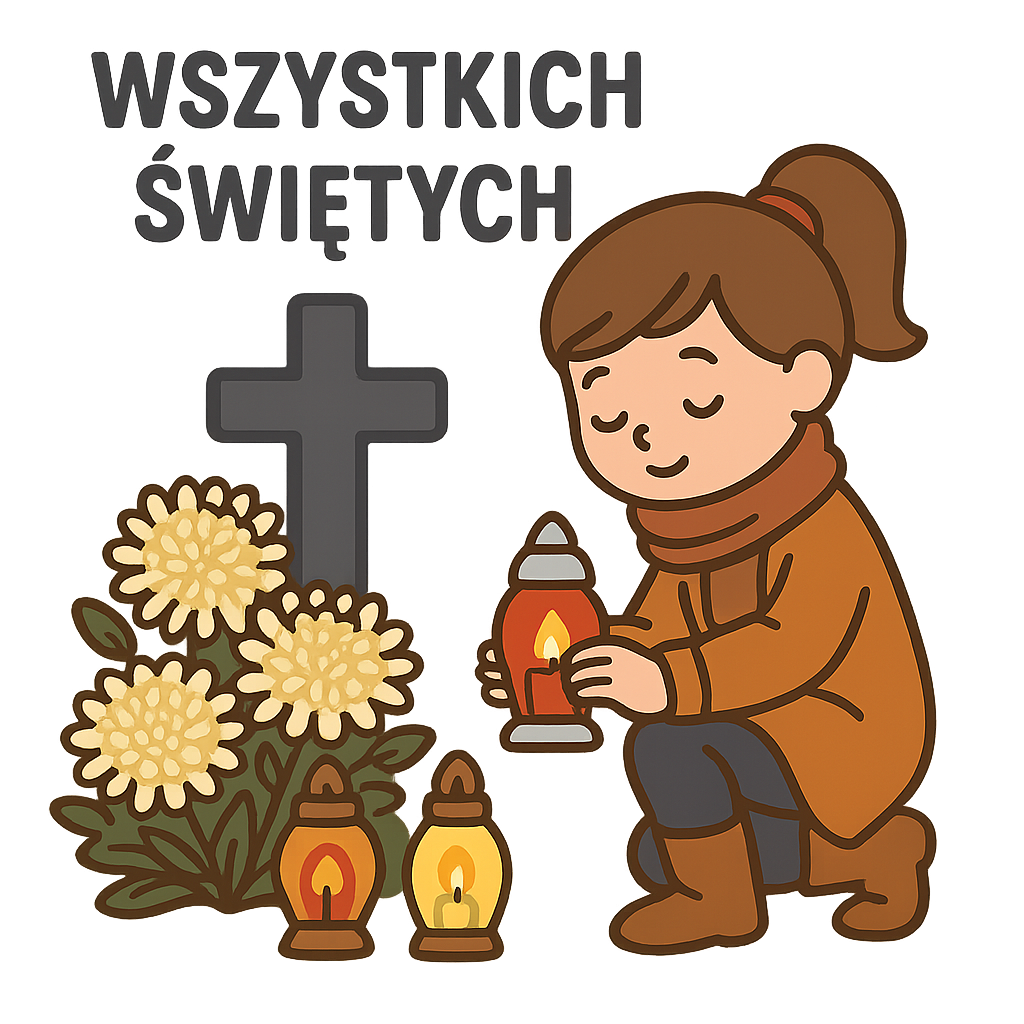
In the days leading up to my arrival, a quiet and careful preparation begins in cemeteries all across the country. Families gather at their ancestral plots to tend to the gravestones. They spend hours cleaning away the dust and fallen leaves of autumn, a gesture of care and respect for those who have passed on. Once the stones are clean, the decorations are placed. People bring beautiful wreaths and arrangements of fresh flowers, with chrysanthemums being the most traditional and popular choice. Alongside the flowers, they set out special candles called znicze. These are not simple wax candles; they are typically housed in glass or plastic lanterns of various colors and designs, created specifically to protect the flame from the wind and rain of late autumn, allowing it to burn steadily for many hours or even days.
As daylight fades on November 1st, the true beauty of my observance is revealed. Cemeteries across Poland are transformed into breathtaking landscapes of light. Thousands upon thousands of znicze are lit, and their gentle flames flicker against the cool evening air. The collective glow creates a vast, shimmering sea of light that illuminates the rows of gravestones, casting a peaceful and reverent atmosphere over the grounds. This spectacle is more than just beautiful; it is rich with symbolism. For many observers, each small flame represents a prayer offered for the departed. The light also stands as a powerful symbol of lasting memory, a sign that those who are gone are not forgotten. Within the Christian tradition, this light further represents the belief in eternal life and the triumph of light over darkness.
I am also closely connected to the day that immediately follows me. November 2nd is known as Zaduszki, or All Souls' Day. While I am officially dedicated to honoring the saints in heaven, Zaduszki is a day specifically for remembering and praying for the souls of all departed loved ones—family, friends, and ancestors. In practice, however, many people in Poland do not draw a sharp line between the two days. Instead, November 1st and 2nd are often experienced as a single, continuous period of reflection, remembrance, and prayer. The visits to cemeteries and the lighting of candles frequently span both days, blending my focus on the saints with the more personal remembrance of Zaduszki.
Because I am a public holiday, my arrival means that schools, offices, and most businesses are closed. This national day off gives families the time they need to travel and gather without the pressures of daily life. The atmosphere of the day is generally quiet and reflective, centered on family connection rather than public festivities. After visiting the cemetery, families often gather in their homes. It is a time for sharing meals and, just as importantly, for sharing stories. Elders pass down memories of the ancestors whose graves they have just visited, telling younger generations about their lives, their personalities, and their contributions to the family's history. In this way, I help ensure that the chain of memory remains unbroken.
Today, I continue to be one of the most important and widely observed days in the Polish calendar. My significance extends beyond religious practice; I am a vital part of Polish national culture, embraced by religious and non-religious people alike. For many, the core of my observance is the powerful tradition of showing respect for one's ancestors and reinforcing the bonds of family, both past and present. The unforgettable sight of countless cemeteries across the nation, glowing warmly in the autumn darkness, has become one of the most iconic and moving images of Poland. It is a testament to the enduring power of memory and the deep cultural importance of honoring those who came before.
Wow facts
About
A Polish national and Catholic holiday on November 1st, primarily observed by visiting cemeteries to honor the memory of deceased loved ones with flowers and candles.
Take a Quiz
Question 1 of 5
What is the main difference between All Saints' Day and All Souls' Day (Zaduszki) in Poland?
Want to do even more?
Go beyond exploring. Unlock tools that turn every story into real learning.

Storypie Plus for families
Full stories, quizzes, and printables. Nights and car rides, sorted.
- Unlimited audio stories
- Create Mode: your child stars in the story
- Offline downloads
- Printable worksheets & coloring pages

Why Storypie for Schools
Students engaged. Prep in seconds. Evenings back to you.
- Worksheets & Quizzes
- Classroom Management
- Formative Assessment
- Custom Curriculum & Lesson Plans
- 27 Languages

Why Storypie for Homeschool
Curriculum done. They'll ask for more. Hours back in your day.
- Worksheet Generator
- First-Person Audio Stories
- Built-in Comprehension Quizzes
- Custom Curriculum & Lesson Plans
- Print & Go Activities