English


Andrzejki - Polish
Andrzejki, or St.
Reads at Grades 6–8 Listens at Grades 4–8
Print & create
Answer keys·No prep·Free with an account
28 worksheets · answer keys · full story · quiz · Ages 10-12 · CEFR B2
Plus adds 279,000+ more stories in 27 languages, audio for every one, and printables for all of them.
Just want Andrzejki - Polish?
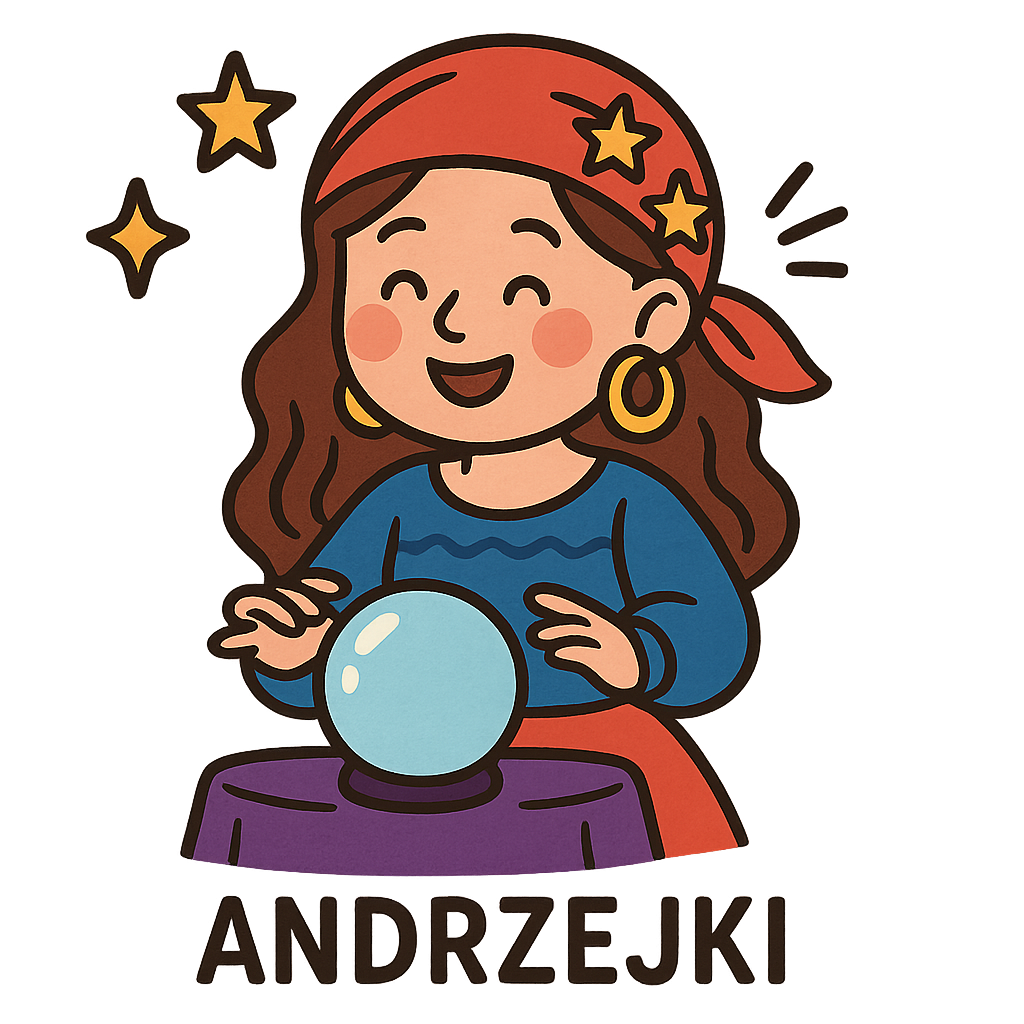
I am Andrzejki, a special evening of fun, mystery, and tradition celebrated in Poland. People observe me on the night of November 29th, which is the eve of the feast day for a Christian figure known as Saint Andrew, or Andrzej in the Polish language. For many centuries, Saint Andrew has been considered a special guardian, particularly for young women who were hoping to find a partner and get married. Because of this association, my earliest traditions were focused almost entirely on them. On my night, young women would gather to perform rituals and play games that they believed could offer them a glimpse into their romantic futures, revealing who they might one day marry.
My exact origins are shrouded in the mists of time, as they were never formally recorded. The first time my customs were described in writing was in the 16th century, by which point they were already an established part of the culture. However, some historians and scholars of folklore believe my roots reach back much further, possibly into pre-Christian times. They suggest that my fortune-telling traditions may have evolved from ancient beliefs connected to the powerful cycles of nature. My observance falls at a significant time of year, when the vibrant life of autumn gives way to the deep quiet of winter. In some old belief systems, this transition period was thought to be a magical time when the veil separating the everyday world from other, unseen realms grew thin. This was considered the most potent time for divination and for seeking answers about the future.
Andrzejki: A Polish Night of Mystery
I am Andrzejki, a special evening of fun, mystery, and tradition celebrated in Poland. People observe me on the night of November 29th, which is the eve of the feast day for a Christian figure known as Saint Andrew, or Andrzej in the Polish language. For many centuries, Saint Andrew has been considered a special guardian, particularly for young women who were hoping to find a partner and get married. Because of this association, my earliest traditions were focused almost entirely on them. On my night, young women would gather to perform rituals and play games that they believed could offer them a glimpse into their romantic futures, revealing who they might one day marry.
My exact origins are shrouded in the mists of time, as they were never formally recorded. The first time my customs were described in writing was in the 16th century, by which point they were already an established part of the culture. However, some historians and scholars of folklore believe my roots reach back much further, possibly into pre-Christian times. They suggest that my fortune-telling traditions may have evolved from ancient beliefs connected to the powerful cycles of nature. My observance falls at a significant time of year, when the vibrant life of autumn gives way to the deep quiet of winter. In some old belief systems, this transition period was thought to be a magical time when the veil separating the everyday world from other, unseen realms grew thin. This was considered the most potent time for divination and for seeking answers about the future.
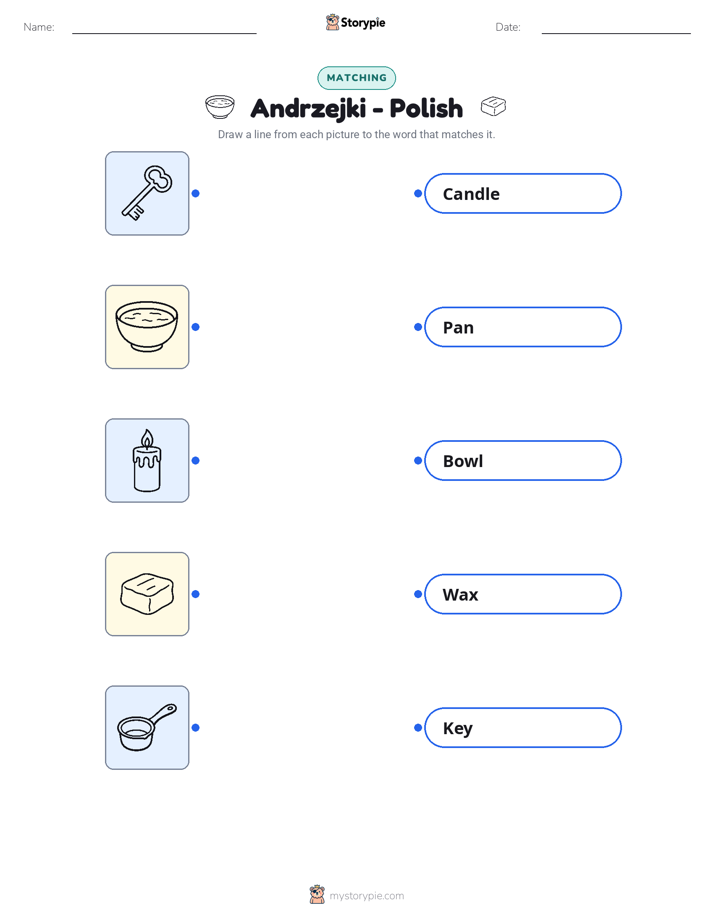
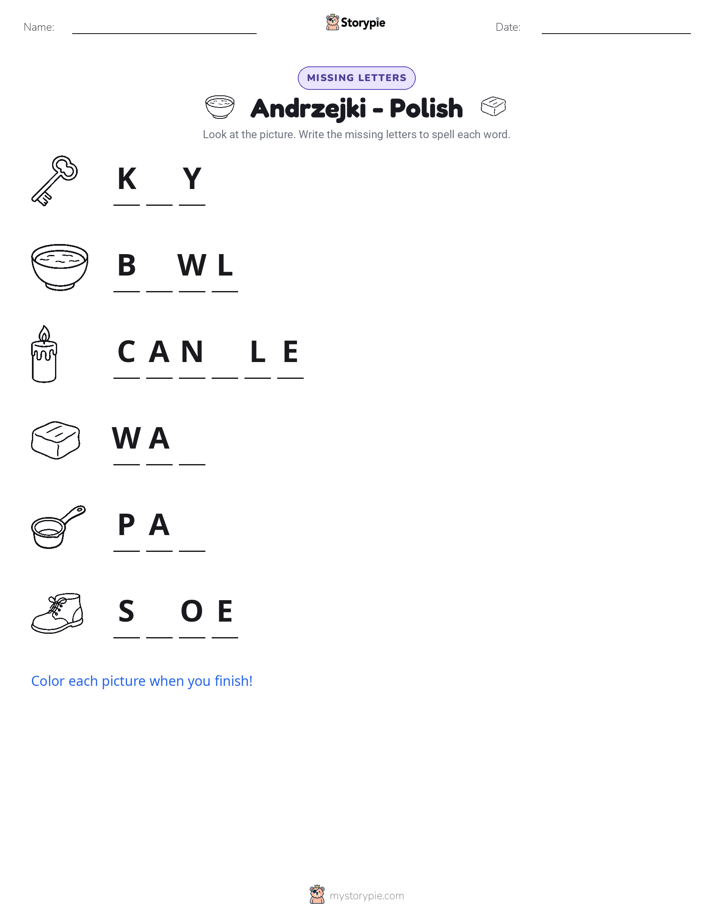
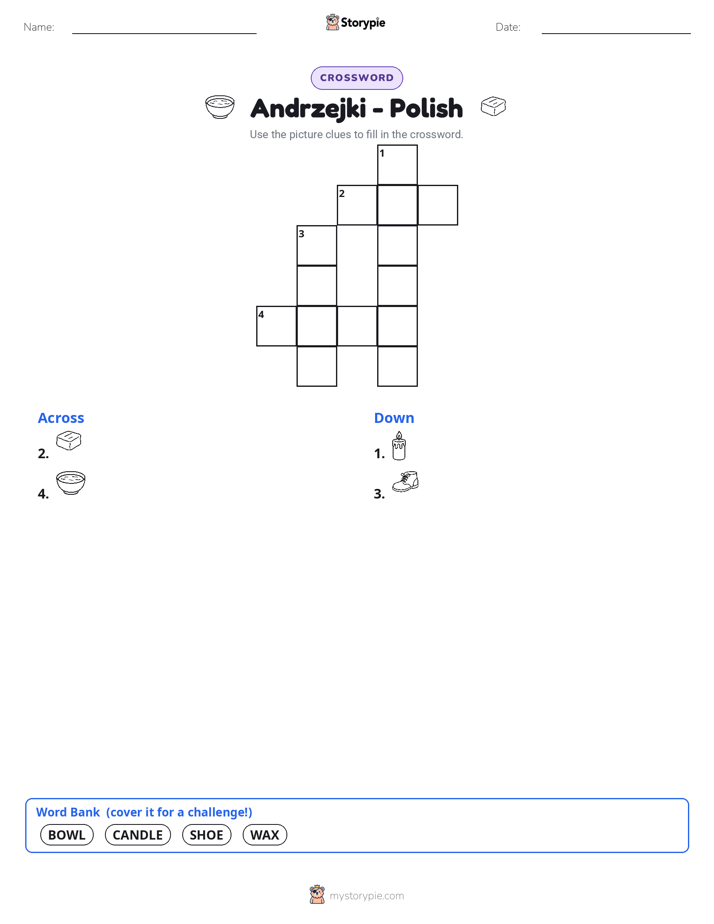
Of all the customs associated with me, the most famous and enduring is a practice called lanie wosku, which translates to 'pouring wax.' It is a centerpiece of my celebration and a source of great excitement. To perform this ritual, a person first melts a quantity of beeswax, often in a small pan over a flame. Then, they take an old-fashioned key, the kind with a hollow shaft and a distinct bow-shaped handle. The key itself is highly symbolic, representing the act of unlocking secrets and revealing hidden knowledge about what is to come. The melted wax is carefully poured through the large hole in the key's handle, streaming down into a bowl of cold water waiting below. The sudden change in temperature causes the hot wax to instantly solidify into a unique, abstract shape.
Once the wax has hardened, the real fun begins. The waxen shape is carefully lifted from the water. In a dimly lit room, someone holds it up near a candle so that its shadow is cast onto a wall. This is the moment of interpretation. Everyone gathers around to study the dark, flickering silhouette, trying to make sense of its form. The shadow might look like a heart, suggesting love, or a house, predicting a new home. It could resemble an animal, a tool, or a letter of the alphabet, each with its own potential meaning. Part of the enjoyment comes from the imaginative and often humorous debates that arise as people try to decipher these shadowy predictions together.
While pouring wax is my best-known tradition, it is not the only game of fate people have played on my night. Another popular custom, especially in the past, involved lining up shoes. A group of young women would gather in a room and each take off her left shoe. Starting from the wall farthest from the door, they would place their shoes in a single file line, one directly in front of the other. Once the line reached the end of the available shoes, the shoe at the back of the line would be moved to the front, extending the chain across the floor. This process continued until one shoe finally crossed the threshold of the doorway. According to the belief, the owner of that shoe was destined to be the next one in the group to get married.
Another divination game involved hiding symbolic items under a set of identical plates or bowls. Objects would be placed on a table, and then covered so no one knew which was where. Participants would then choose a plate to lift. The object they revealed was thought to predict their path in life. For example, finding a ring was a clear sign of impending marriage. Uncovering a rosary suggested a future dedicated to a religious life. A simple coin pointed toward a future of wealth and prosperity. These games, like the wax pouring, added to the atmosphere of excitement and anticipation that has always defined my observance.
Over the centuries, my character has undergone a significant transformation. For a very long time, I was observed with great seriousness. The participants, mostly young and unmarried women, genuinely believed in the power of these rituals to predict the future. They performed the customs not just for fun, but with a sincere hope of learning about their destinies, particularly concerning their future husbands. As societal views on marriage and fate changed, so did the way people approached my traditions. The earnest belief in fortune-telling gradually faded, replaced by a more lighthearted spirit of entertainment and social connection.
Today, I am no longer a solemn occasion reserved for a specific group. My fortune-telling customs are practiced for amusement, and the predictions are met with laughter rather than serious consideration. People of all ages and genders—men, women, and children—now join in the festivities. I have evolved from a night of private divination into a lively and inclusive social event. Modern celebrations of me often take the form of parties held in homes, schools, or community centers. Friends and families gather to share food, listen to music, and dance. They still play the old games, pouring wax and lining up shoes, but now it is all part of the fun. I serve as a way for people to enjoy a festive evening together while connecting with a unique and fascinating piece of Polish cultural heritage.
Wow facts
About
Andrzejki, or St. Andrew's Eve, is a Polish holiday celebrated on the night of November 29th, traditionally associated with fortune-telling games, particularly for young women seeking insight into their romantic future.
Take a Quiz
Question 1 of 5
In your own words, explain how the observance of Andrzejki has changed from its early history to today.
Want to do even more?
Go beyond exploring. Unlock tools that turn every story into real learning.

Storypie Plus for families
Full stories, quizzes, and printables. Nights and car rides, sorted.
- Unlimited audio stories
- Create Mode: your child stars in the story
- Offline downloads
- Printable worksheets & coloring pages

Why Storypie for Schools
Students engaged. Prep in seconds. Evenings back to you.
- Worksheets & Quizzes
- Classroom Management
- Formative Assessment
- Custom Curriculum & Lesson Plans
- 27 Languages

Why Storypie for Homeschool
Curriculum done. They'll ask for more. Hours back in your day.
- Worksheet Generator
- First-Person Audio Stories
- Built-in Comprehension Quizzes
- Custom Curriculum & Lesson Plans
- Print & Go Activities