English


Andrzejki - Polish
Andrzejki, or St.
Reads at Grades 3–5 Listens at Grades 1–5
Print & create
Answer keys·No prep·Free with an account
28 worksheets · answer keys · full story · quiz · Ages 8-10 · CEFR B1
Plus adds 279,000+ more stories in 27 languages, audio for every one, and printables for all of them.
Just want Andrzejki - Polish?
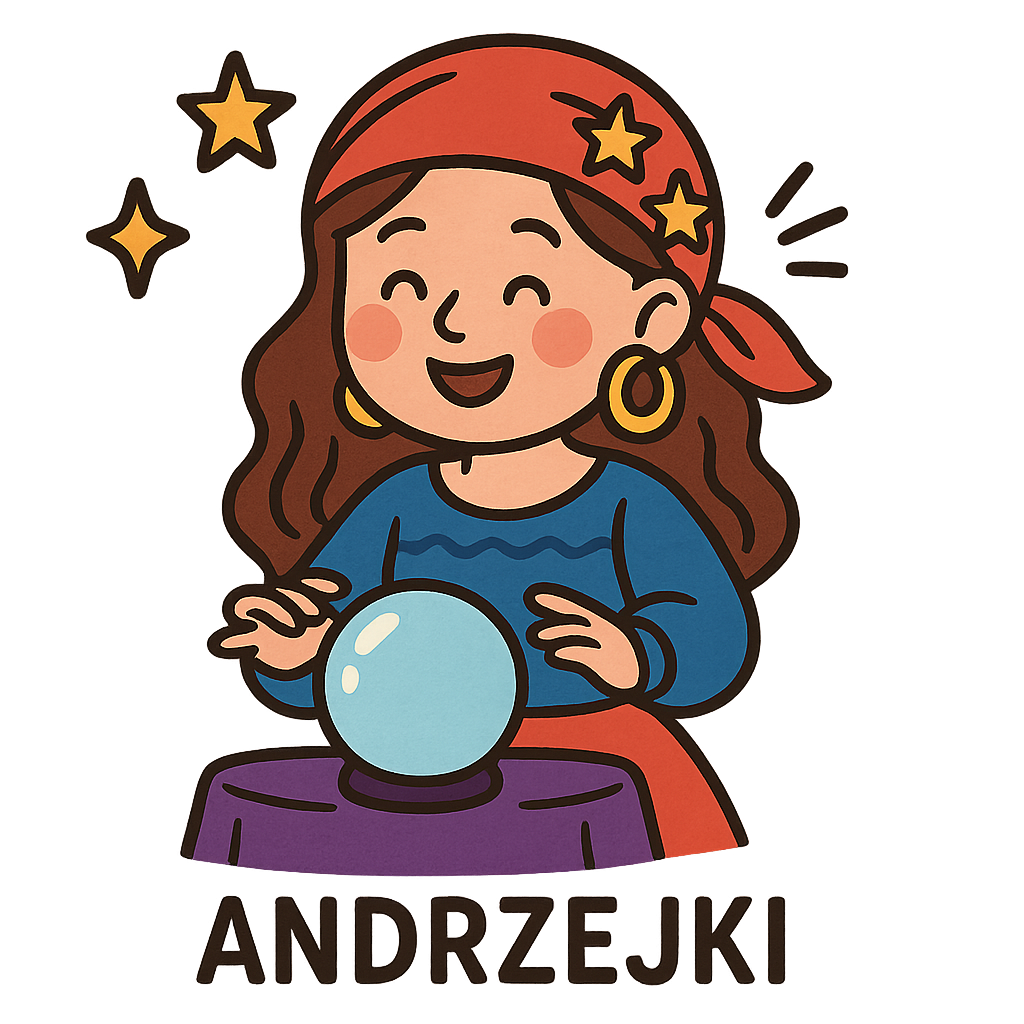
Hello! I am Andrzejki, a special and exciting night of fun, games, and fortune-telling that people celebrate in Poland. My name is the Polish version of Andrew, and there's a very good reason for that. People observe me on the evening of November 29th, which is the night right before the feast day of Saint Andrew. In old traditions, Saint Andrew is known as the patron saint of young women, love, and marriage. For centuries, this made my evening the perfect time for young, unmarried women to gather together and play games that they hoped would offer a little glimpse into their futures, especially about who they might one day marry. It has always been a night filled with mystery, friendship, and laughter.
My history goes back a very long time, and my exact beginnings are woven into the distant past of Poland. Many people believe my roots stretch back to ancient pre-Christian folk beliefs, meaning my customs were practiced even before Christianity was widely followed in the region. While those early observances weren't written down, the first documented record of my fortune-telling games comes from the year 1557. A Polish writer named Marcin Bielski described the unique ways people tried to predict the future during my celebration. Over many hundreds of years, these old folk customs began to blend with the Christian celebration of Saint Andrew's Eve. This mixing of traditions is what created the holiday that people in Poland know and enjoy today, a special combination of history and faith.
The Fortune-Telling Night of Andrzejki
Hello! I am Andrzejki, a special and exciting night of fun, games, and fortune-telling that people celebrate in Poland. My name is the Polish version of Andrew, and there's a very good reason for that. People observe me on the evening of November 29th, which is the night right before the feast day of Saint Andrew. In old traditions, Saint Andrew is known as the patron saint of young women, love, and marriage. For centuries, this made my evening the perfect time for young, unmarried women to gather together and play games that they hoped would offer a little glimpse into their futures, especially about who they might one day marry. It has always been a night filled with mystery, friendship, and laughter.
My history goes back a very long time, and my exact beginnings are woven into the distant past of Poland. Many people believe my roots stretch back to ancient pre-Christian folk beliefs, meaning my customs were practiced even before Christianity was widely followed in the region. While those early observances weren't written down, the first documented record of my fortune-telling games comes from the year 1557. A Polish writer named Marcin Bielski described the unique ways people tried to predict the future during my celebration. Over many hundreds of years, these old folk customs began to blend with the Christian celebration of Saint Andrew's Eve. This mixing of traditions is what created the holiday that people in Poland know and enjoy today, a special combination of history and faith.
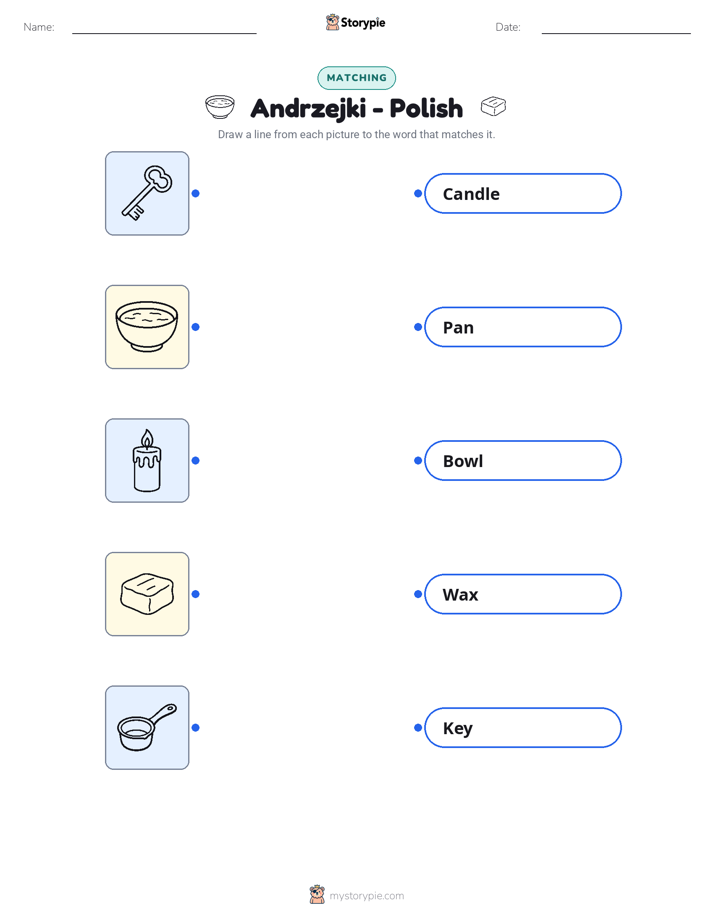
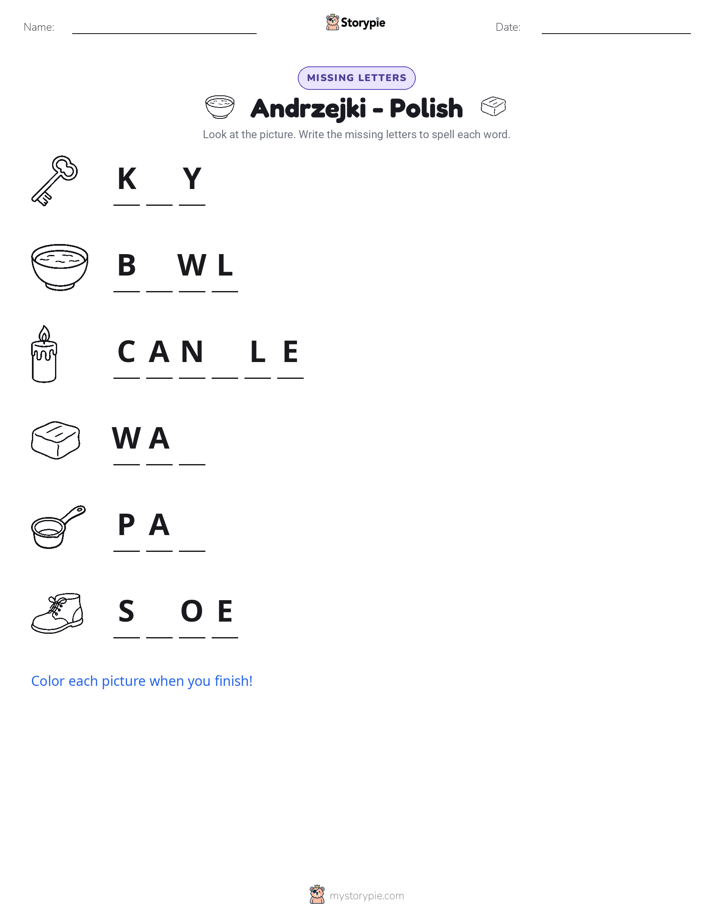
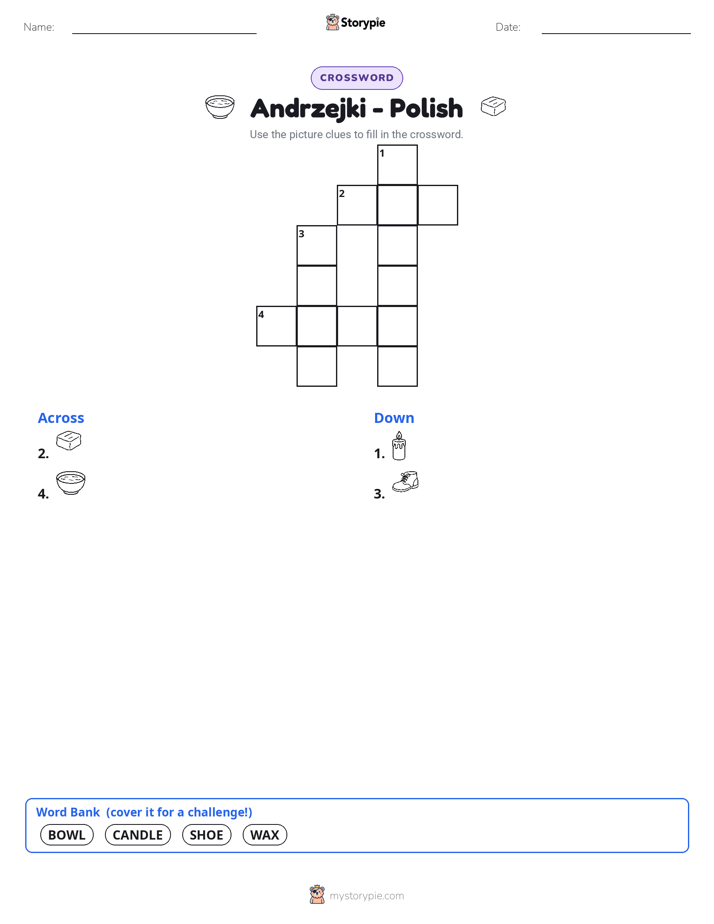
Of all my traditions, the most famous and beloved one involves telling fortunes with hot wax. It is a magical and creative process. Participants begin by carefully melting a candle until the wax is a warm liquid. Then, they find an old-fashioned key, the kind with a hole at the top. Holding the key over a bowl of cold water, they pour the liquid wax directly through the key's opening. The moment the hot wax hits the cold water, it hardens instantly into a mysterious, unique shape. But the fortune-telling isn't over yet. The next step is to take this hardened wax figure and hold it up next to a candle or a light so that it casts a large shadow on the wall. The real fun begins as everyone gathers around to interpret the shadow's shape. Does it look like a tool, suggesting the profession of a future spouse? Or maybe it looks like a heart, a car, or a book? The meaning is found in the imagination of the person looking at the shadow.
Pouring wax is not the only game people play during my observance. There are several other playful ways participants have traditionally tried to peek into the future. One popular game involves shoes. A group of girls would gather and take off their left shoes. They would then line the shoes up, one right after the other, starting from the wall farthest from the door. Moving the back shoe to the front each time, they would create a path across the room. According to the game, the owner of the shoe that was the first to cross the threshold of the front door was believed to be the next one in the group to get married. It was a fun and exciting race that filled the house with anticipation.
Another classic game involves a simple piece of fruit: an apple. In this tradition, a person tries to peel an apple very carefully so that the peel comes off in one single, long strip without breaking. Once they have their long apple peel, they hold it, swing it over their shoulder, and let it drop to the floor behind them. Everyone then hurries to see what shape the peel has made on the ground. The hope was that the peel would land in a shape that looked like a letter of the alphabet. This letter was thought to be the first initial of a future sweetheart's name. Like the other games, it was a lighthearted way to dream about the future.
Today, my celebrations have evolved, but they are more popular than ever. While my origins are in serious fortune-telling for young women, I am now a time for everyone to have fun with friends and family. Big parties are held for children and adults of all ages, and boys and men join in the games right alongside girls and women. The focus has shifted from seriously predicting the future to enjoying a joyful social gathering. People still love the classic traditions, especially pouring the hot wax and interpreting the silly or surprising shapes that appear on the wall. I have become a wonderful way for people to connect with old Polish customs, keeping them alive for new generations to enjoy, not for their magical power, but for the shared laughter and happy memories they create.
Wow facts
About
Andrzejki, or St. Andrew's Eve, is a Polish holiday celebrated on the night of November 29th, traditionally associated with fortune-telling games, particularly for young women seeking insight into their romantic future.
Take a Quiz
Question 1 of 5
What is the most famous fortune-telling tradition associated with Andrzejki?
Want to do even more?
Go beyond exploring. Unlock tools that turn every story into real learning.

Storypie Plus for families
Full stories, quizzes, and printables. Nights and car rides, sorted.
- Unlimited audio stories
- Create Mode: your child stars in the story
- Offline downloads
- Printable worksheets & coloring pages

Why Storypie for Schools
Students engaged. Prep in seconds. Evenings back to you.
- Worksheets & Quizzes
- Classroom Management
- Formative Assessment
- Custom Curriculum & Lesson Plans
- 27 Languages

Why Storypie for Homeschool
Curriculum done. They'll ask for more. Hours back in your day.
- Worksheet Generator
- First-Person Audio Stories
- Built-in Comprehension Quizzes
- Custom Curriculum & Lesson Plans
- Print & Go Activities