English

Christmas
Christmas is an annual religious and cultural festival commemorating the birth of Jesus Christ…
Reads at Grades 6–8 Listens at Grades 4–8
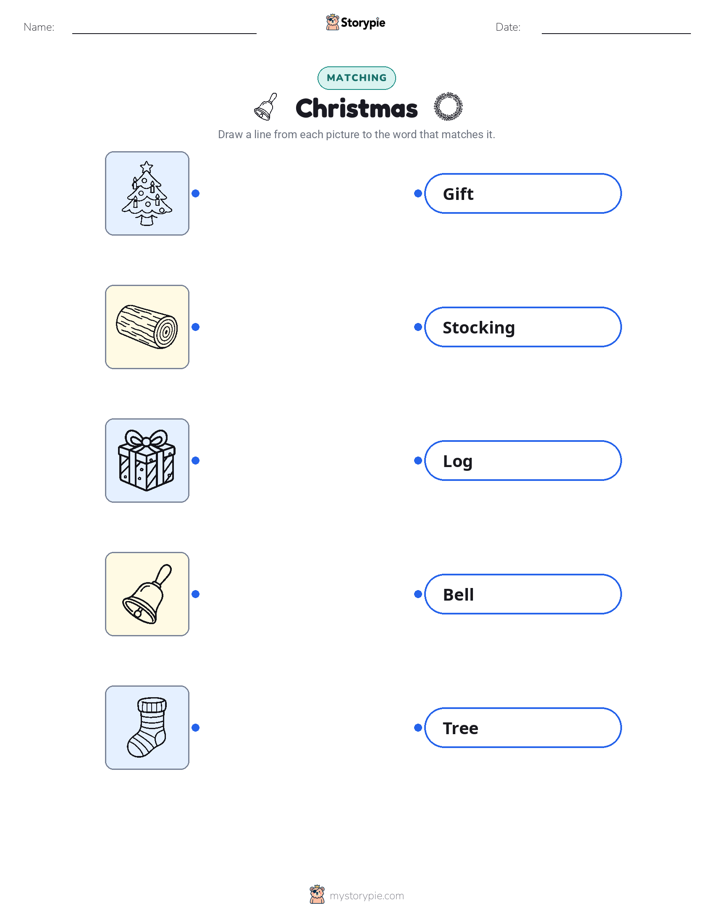
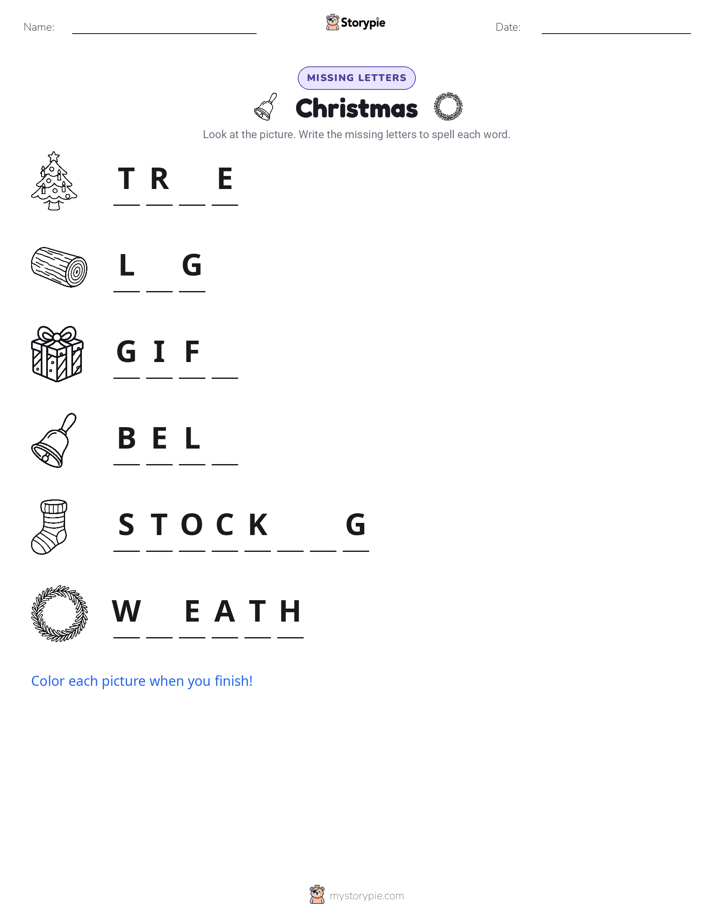
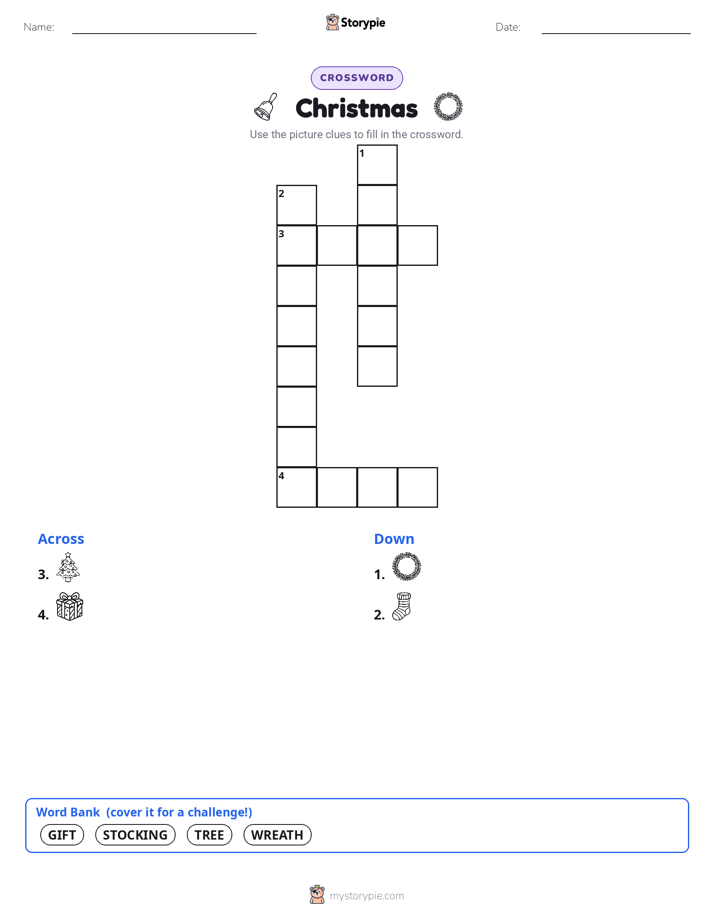
Print & create
Answer keys·No prep·Free with an account
28 worksheets · answer keys · full story · quiz · Ages 10-12 · CEFR B2
Plus adds 279,000+ more stories in 27 languages, audio for every one, and printables for all of them.
Just want Christmas?
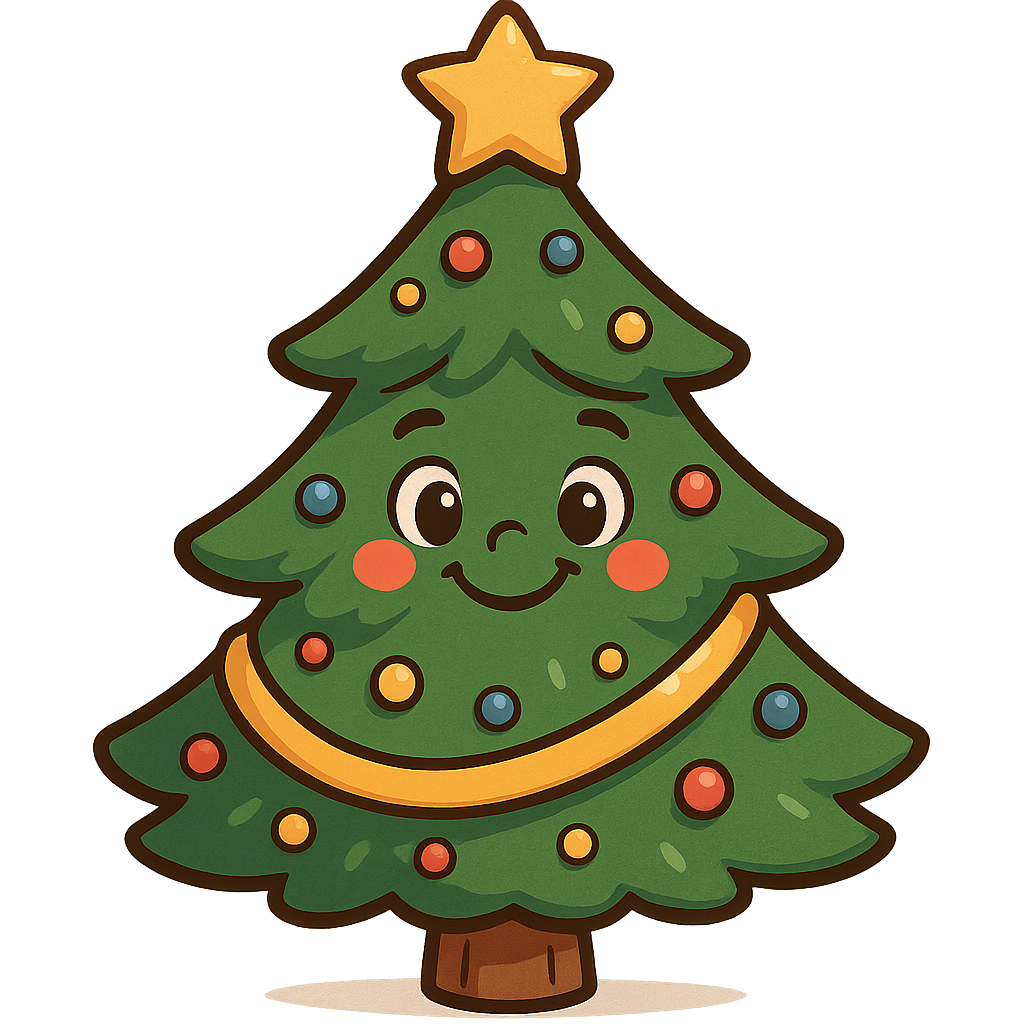
I am Christmas, an annual holiday celebrated by billions of people all around the world. For Christians, I am a sacred time that commemorates the birth of Jesus of Nazareth, whom they believe to be the son of God. My very name reflects this core meaning, as it comes from the Old English term 'Cristes Maesse,' which means 'Christ's Mass.' This was the name given to the special religious service held to honor his birth. While my celebrations today are filled with many different customs, my central identity for Christians has always been rooted in this story of hope and new beginnings.
My history as a formal holiday, however, does not begin with the event I commemorate. The Christian Bible does not mention a specific date for Jesus’s birth, and for the first few centuries after his life, his followers did not have a widespread, formal celebration to mark the occasion. The earliest known record of my observance on December 25th dates back to the year 336 CE in Rome. The choice of this date is a subject of historical discussion. Some historians believe that church leaders in Rome chose December 25th to align with existing Roman festivals that celebrated the winter solstice, the shortest day of the year. One such festival was Saturnalia, a time of feasting and gift-giving. By placing my celebration at the same time, it may have been easier for people to adopt the new Christian holiday into their cultural calendar.
As Christianity spread from Rome throughout Europe during the Middle Ages, my traditions began to grow and change. I became a blend of Christian teachings and local European winter customs. Different cultures added their own unique layers to my observance. In Germany, for example, people began the tradition of bringing evergreen trees into their homes. They decorated these trees to symbolize life and light in the darkest part of winter. In the colder lands of Scandinavia, people incorporated customs from their ancient winter solstice festival, known as Yule. One of the most well-known of these traditions was the burning of a large Yule log, which was meant to bring warmth and good fortune through the long winter nights. These and many other local practices were woven into the fabric of my celebrations across the continent.
I Am Christmas
I am Christmas, an annual holiday celebrated by billions of people all around the world. For Christians, I am a sacred time that commemorates the birth of Jesus of Nazareth, whom they believe to be the son of God. My very name reflects this core meaning, as it comes from the Old English term 'Cristes Maesse,' which means 'Christ's Mass.' This was the name given to the special religious service held to honor his birth. While my celebrations today are filled with many different customs, my central identity for Christians has always been rooted in this story of hope and new beginnings.
My history as a formal holiday, however, does not begin with the event I commemorate. The Christian Bible does not mention a specific date for Jesus’s birth, and for the first few centuries after his life, his followers did not have a widespread, formal celebration to mark the occasion. The earliest known record of my observance on December 25th dates back to the year 336 CE in Rome. The choice of this date is a subject of historical discussion. Some historians believe that church leaders in Rome chose December 25th to align with existing Roman festivals that celebrated the winter solstice, the shortest day of the year. One such festival was Saturnalia, a time of feasting and gift-giving. By placing my celebration at the same time, it may have been easier for people to adopt the new Christian holiday into their cultural calendar.
As Christianity spread from Rome throughout Europe during the Middle Ages, my traditions began to grow and change. I became a blend of Christian teachings and local European winter customs. Different cultures added their own unique layers to my observance. In Germany, for example, people began the tradition of bringing evergreen trees into their homes. They decorated these trees to symbolize life and light in the darkest part of winter. In the colder lands of Scandinavia, people incorporated customs from their ancient winter solstice festival, known as Yule. One of the most well-known of these traditions was the burning of a large Yule log, which was meant to bring warmth and good fortune through the long winter nights. These and many other local practices were woven into the fabric of my celebrations across the continent.
My journey through history has had its challenges. There was a period when my celebrations became less popular and were even viewed with disapproval. In the 17th century, Puritan leaders in England and in their American colonies banned my observance. They felt that the celebrations had become too rowdy and were not in keeping with their religious beliefs. For a long time, I was a much quieter affair. However, I experienced a major revival in the 19th century, particularly in the English-speaking world. This transformation reshaped me into the holiday many people recognize today. Writers like Charles Dickens played a significant role; his famous 1843 story, A Christmas Carol, helped popularize the idea of my being a holiday centered on family, generosity, charity, and goodwill. At about the same time, Queen Victoria of Great Britain and her German-born husband, Prince Albert, helped make the Christmas tree fashionable. When a popular magazine printed an illustration of their family gathered around a decorated evergreen, the tradition spread rapidly through Britain and America.
One of the most famous figures associated with my modern celebration is Santa Claus, and his story is a fascinating blend of history and folklore. The legend is based on a real person, a Christian bishop named Saint Nicholas who lived in the 4th century in a region that is now part of Turkey. He was known for his incredible kindness and generosity, especially for secretly giving gifts to people who were poor or in need. Over the centuries, stories of his good deeds spread. When Dutch settlers came to America, they brought their traditions with them, including the celebration of 'Sinterklaas' on his feast day. In the new world, his story evolved. Through 19th-century poems, like 'A Visit from St. Nicholas,' and influential illustrations by cartoonist Thomas Nast, the Dutch Sinterklaas was transformed into the cheerful, red-suited Santa Claus known today.
Today, I am celebrated in countless different ways, reflecting the diverse cultures of the people who observe me. My date can even be different depending on the calendar a church uses. While most of the world uses the Gregorian calendar and observes my main day on December 25th, many Orthodox Christians follow the older Julian calendar. For them, I arrive on January 7th. My traditions also adapt to local climates and customs. In Mexico, the nine-day celebration of Las Posadas begins before I arrive, with communities reenacting the story of Mary and Joseph searching for a place to stay. And in countries in the Southern Hemisphere like Australia, I fall in the middle of summer. There, a festive meal might be a barbecue enjoyed on a sunny beach rather than a hot roast dinner.
While I remain a major religious observance for Christians, many of my traditions have also become part of a wider cultural and secular celebration. People from many different backgrounds and beliefs participate in customs like exchanging gifts, decorating their homes with lights and trees, and gathering for special meals with family and friends. For many, the focus is not on my religious origins but on the values that have become associated with my season. In this way, I have become a time for people around the world to share a spirit of joy, generosity, and peace with one another, each in their own way.
Wow facts
About
Christmas is an annual religious and cultural festival commemorating the birth of Jesus Christ, celebrated by billions of people around the world.
Take a Quiz
Question 1 of 5
In your own words, explain the evolution of Santa Claus as described in the story.
Want to do even more?
Go beyond exploring. Unlock tools that turn every story into real learning.

Storypie Plus for families
Full stories, quizzes, and printables. Nights and car rides, sorted.
- Unlimited audio stories
- Create Mode: your child stars in the story
- Offline downloads
- Printable worksheets & coloring pages

Why Storypie for Schools
Students engaged. Prep in seconds. Evenings back to you.
- Worksheets & Quizzes
- Classroom Management
- Formative Assessment
- Custom Curriculum & Lesson Plans
- 27 Languages

Why Storypie for Homeschool
Curriculum done. They'll ask for more. Hours back in your day.
- Worksheet Generator
- First-Person Audio Stories
- Built-in Comprehension Quizzes
- Custom Curriculum & Lesson Plans
- Print & Go Activities