English

Dragon Boat Festival - Chinese
A traditional Chinese holiday celebrated on the fifth day of the fifth month of the Chinese lunar calendar.
Reads at Grades 6–8 Listens at Grades 4–8
Print & create
Answer keys·No prep·Free with an account
28 worksheets · answer keys · full story · quiz · Ages 10-12 · CEFR B2
Plus adds 279,000+ more stories in 27 languages, audio for every one, and printables for all of them.
Just want Dragon Boat Festival - Chinese?
I am the Dragon Boat Festival, a cultural celebration with deep roots in Chinese history, and people in China and in Chinese communities around the world observe me. My timing is set by the traditional Chinese lunisolar calendar, which is based on the movements of both the moon and the sun. People celebrate me on the 5th day of the 5th month of this calendar, a date that gives me my other common names: the Duanwu Festival and the Double Fifth Festival. Because the lunisolar calendar doesn't align perfectly with the Gregorian calendar used in many parts of the world, my date changes each year, but it almost always falls in May or June. Historically, this timing marked a significant moment in the year—the arrival of summer, a season of heat, humidity, and new growth.
While my exact origins are ancient, the most famous story associated with my traditions is about a man named Qu Yuan. He was a respected poet and a loyal minister to his king during the Warring States period of ancient China, a turbulent time around 278 BCE. The story tells that Qu Yuan was exiled from his home state of Chu by rivals at court. From afar, he watched with a heavy heart as his beloved kingdom was eventually conquered by the state of Qin. Filled with immense grief and despair over the fate of his homeland, he chose to end his life by wading into the Miluo River. It is said that many of my most cherished customs, from boat races to special foods, first began as ways for the common people to show their respect and honor his memory.
The Dragon Boat Festival
I am the Dragon Boat Festival, a cultural celebration with deep roots in Chinese history, and people in China and in Chinese communities around the world observe me. My timing is set by the traditional Chinese lunisolar calendar, which is based on the movements of both the moon and the sun. People celebrate me on the 5th day of the 5th month of this calendar, a date that gives me my other common names: the Duanwu Festival and the Double Fifth Festival. Because the lunisolar calendar doesn't align perfectly with the Gregorian calendar used in many parts of the world, my date changes each year, but it almost always falls in May or June. Historically, this timing marked a significant moment in the year—the arrival of summer, a season of heat, humidity, and new growth.
While my exact origins are ancient, the most famous story associated with my traditions is about a man named Qu Yuan. He was a respected poet and a loyal minister to his king during the Warring States period of ancient China, a turbulent time around 278 BCE. The story tells that Qu Yuan was exiled from his home state of Chu by rivals at court. From afar, he watched with a heavy heart as his beloved kingdom was eventually conquered by the state of Qin. Filled with immense grief and despair over the fate of his homeland, he chose to end his life by wading into the Miluo River. It is said that many of my most cherished customs, from boat races to special foods, first began as ways for the common people to show their respect and honor his memory.
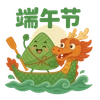
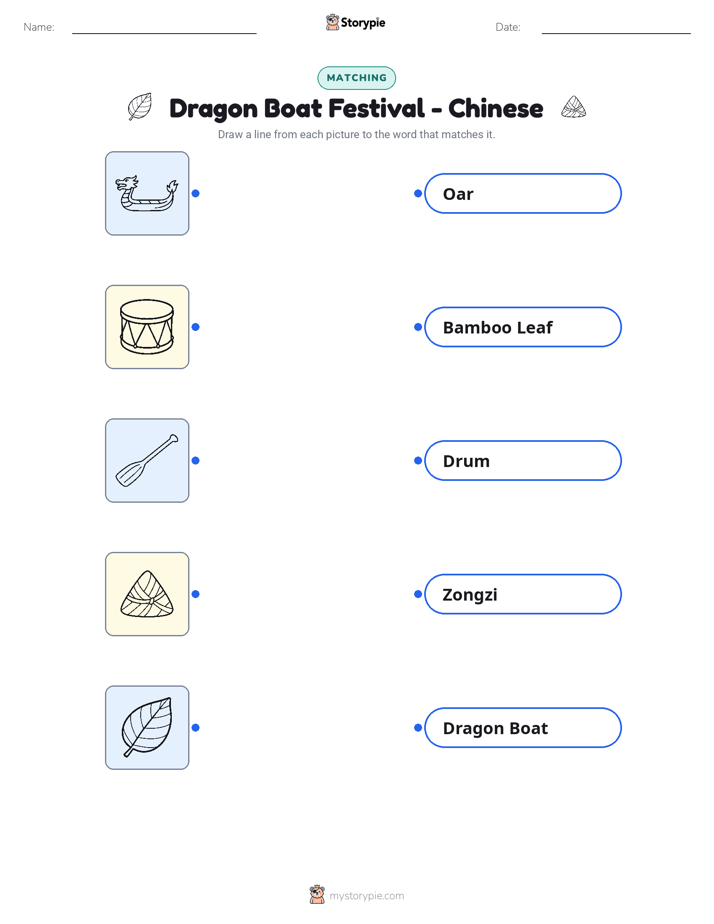
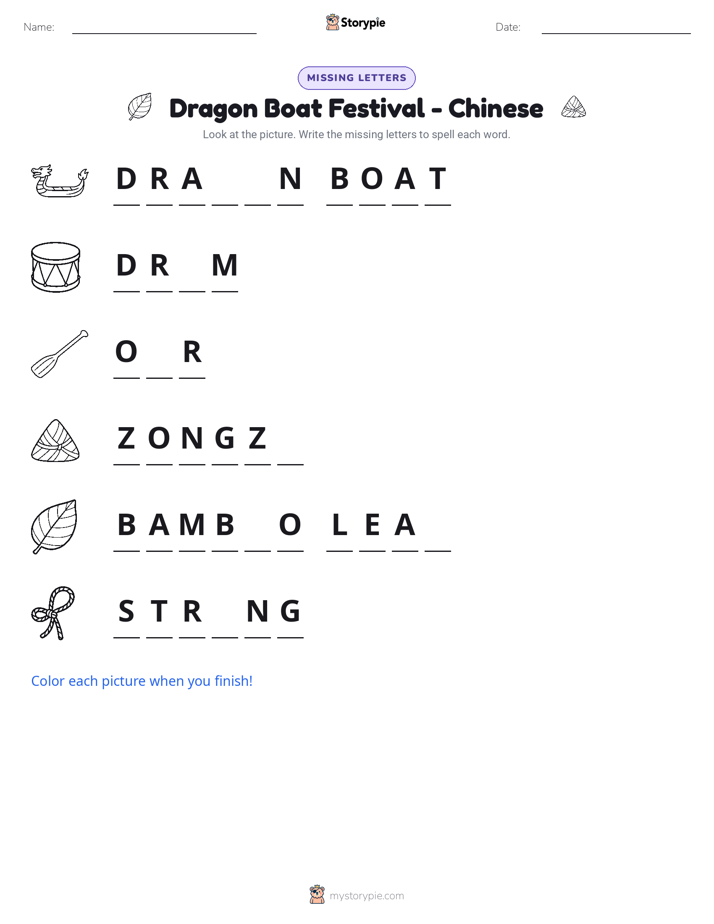
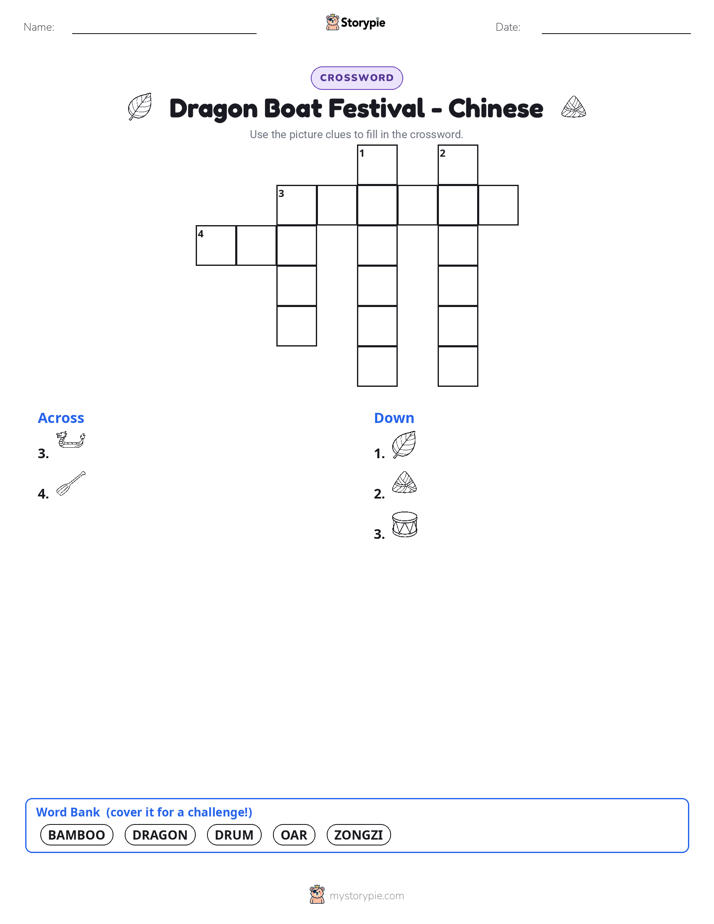
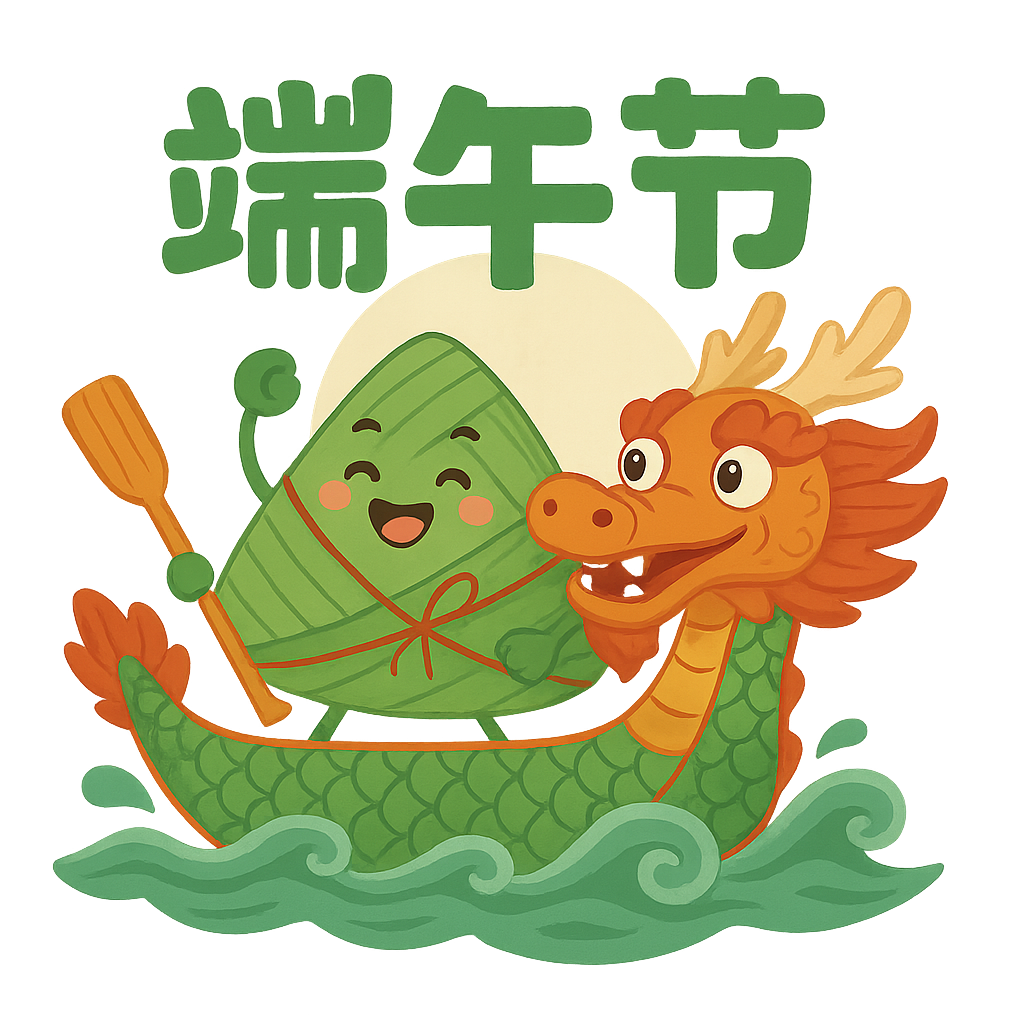
The most visible and exciting of my traditions are the dragon boat races. These spectacular events take place on rivers and lakes, where teams of skilled paddlers compete. The boats themselves are long, slender crafts, often beautifully decorated with a fierce dragon head at the front and a scaly tail at the back. Inside each boat, the paddlers sit in rows, their oars dipping into the water in perfect sync. Their rhythm is kept by the constant, powerful beat of a large drum positioned at the front of the boat, which helps the team move as one powerful unit. This thrilling tradition is widely believed to be a reenactment of the desperate scene on the Miluo River. Legend holds that local villagers, upon learning of Qu Yuan's fate, frantically paddled their fishing boats out onto the water in a desperate attempt to find and rescue him.
Food is also a central part of my observance, and one dish in particular is made especially for me: zongzi. These are delicious, pyramid-shaped dumplings made from glutinous rice, which is known for its sticky texture when cooked. The rice can be filled with a variety of sweet or savory ingredients, creating many different regional flavors. For a sweet version, fillings might include red bean paste or dates, while savory zongzi might contain pork, mushrooms, or salted egg yolk. Once filled, the dumplings are carefully wrapped in large bamboo or reed leaves, which are tied tightly with string to hold their shape. The wrapped zongzi are then steamed or boiled for several hours. This food custom is also linked to the story of Qu Yuan. According to the legend, the villagers threw zongzi into the river to feed the fish, hoping that the fish would eat the rice dumplings instead of harming the body of the beloved poet.
Beyond the story of Qu Yuan, my timing at the beginning of summer connects me to older traditions focused on health and protection. This time of year brought increasing heat and humidity, which could lead to the spread of disease. To protect their families, people developed customs to ward off illness and evil spirits. One common practice is to hang bundles of fragrant herbs, particularly mugwort and calamus, on the front doors of homes. The strong scent of these plants was thought to drive away disease and misfortune. In another tradition, children might be given small, colorful pouches to wear. These pouches are filled with scented herbs and spices and are often embroidered with intricate patterns. They are believed to bring good luck and serve as a form of protection against illness throughout the hot summer months.
Today, I continue to be an important occasion, recognized as a public holiday in several countries and celebrated by people of Chinese heritage across the globe. While the ancient stories and traditions remain at my core, I have also become a time for families to gather, share meals, and enjoy the start of summer. My customs have evolved and spread in fascinating ways. Dragon boat racing, once a folk ritual, has grown into a highly competitive and popular international sport, with teams from many different cultural backgrounds participating in races worldwide. This shows how an ancient tradition can adapt, find new meaning, and bring people together in the modern world, carrying its legacy far beyond its original home.
Wow facts
About
A traditional Chinese holiday celebrated on the fifth day of the fifth month of the Chinese lunar calendar. It is known for dragon boat racing and eating zongzi, and is most famously associated with the commemoration of the poet Qu Yuan.
Take a Quiz
Question 1 of 5
Summarize the story of Qu Yuan and explain how it connects to the traditions of dragon boat racing and eating zongzi.
Want to do even more?
Go beyond exploring. Unlock tools that turn every story into real learning.

Storypie Plus for families
Full stories, quizzes, and printables. Nights and car rides, sorted.
- Unlimited audio stories
- Create Mode: your child stars in the story
- Offline downloads
- Printable worksheets & coloring pages

Why Storypie for Schools
Students engaged. Prep in seconds. Evenings back to you.
- Worksheets & Quizzes
- Classroom Management
- Formative Assessment
- Custom Curriculum & Lesson Plans
- 27 Languages

Why Storypie for Homeschool
Curriculum done. They'll ask for more. Hours back in your day.
- Worksheet Generator
- First-Person Audio Stories
- Built-in Comprehension Quizzes
- Custom Curriculum & Lesson Plans
- Print & Go Activities