English

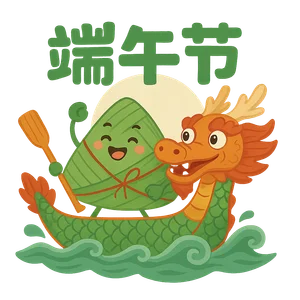
Dragon Boat Festival - Chinese
A traditional Chinese holiday celebrated on the fifth day of the fifth month of the Chinese lunar calendar.
Reads at Grades K-2 Listens at K–3
Print & create
Answer keys·No prep·Free with an account
28 worksheets · answer keys · full story · quiz · Ages 6-8 · CEFR A2
Plus adds 273,000+ more stories in 27 languages, audio for every one, and printables for all of them.
Just want Dragon Boat Festival - Chinese?
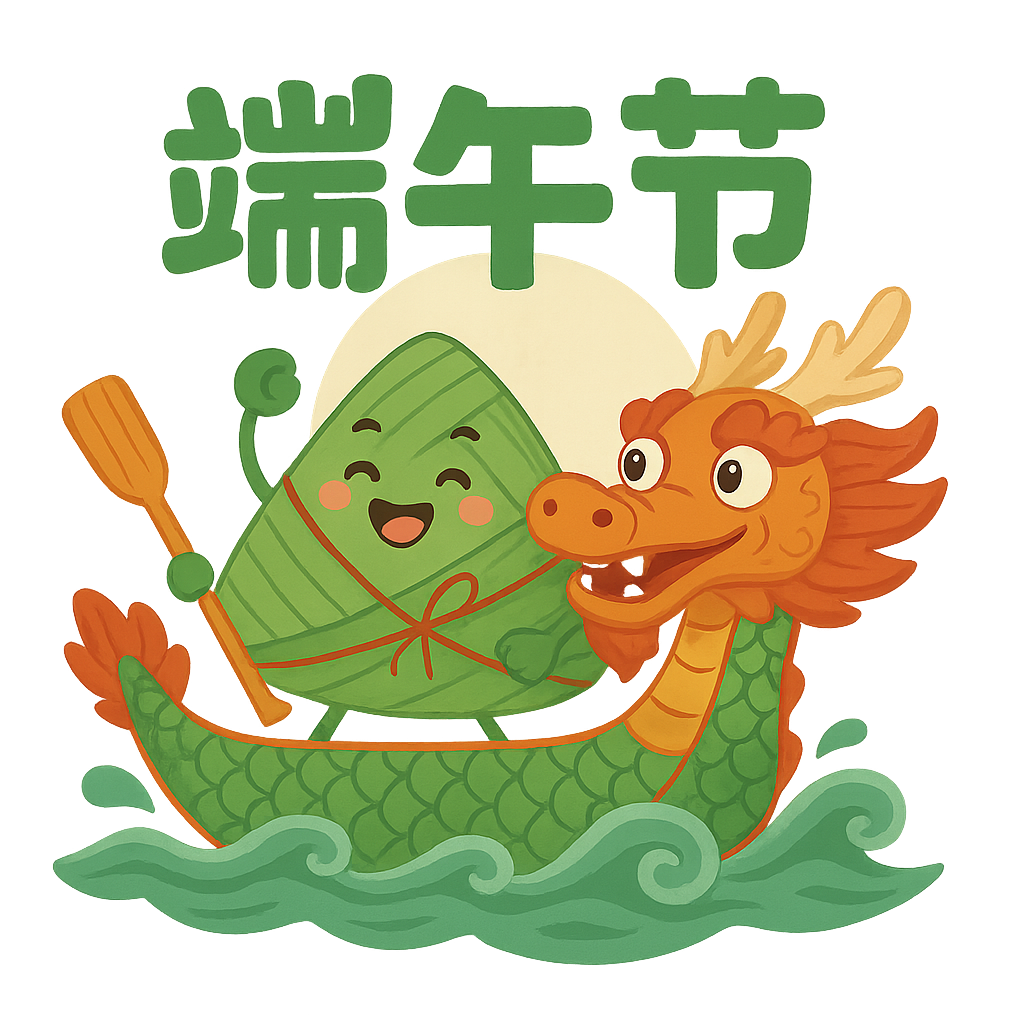
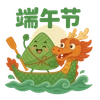
Hello! I am the Dragon Boat Festival. My Chinese name is Duanwu Jie. People in China and in Chinese communities all over the world observe me. My special day is the fifth day of the fifth month of the Chinese calendar, which usually means I arrive in June. I am a time for families and friends to come together for many exciting traditions that have been passed down for a very long time.
Many of my most famous customs are connected to a very old story. People tell the legend of a great poet named Qu Yuan who lived in China thousands of years ago. The story says that he was a good and honest man who was deeply loved by the villagers. According to the legend, when Qu Yuan fell into a river, the local people were so sad and worried that they jumped into their fishing boats. They raced out onto the water, paddling as fast as they could to try and find and save him. This tale of their frantic race is remembered every year.
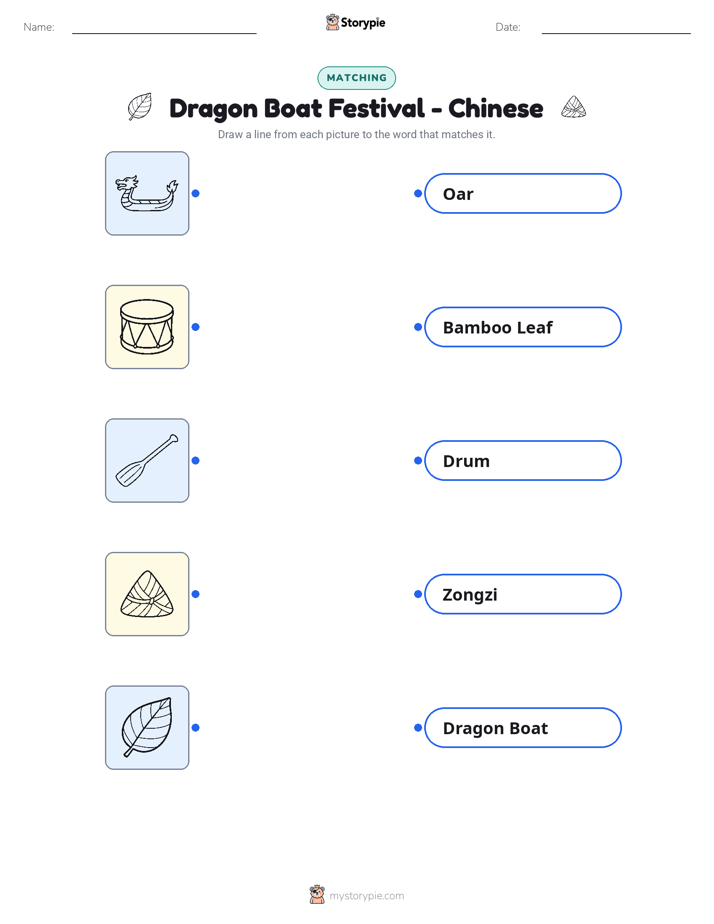
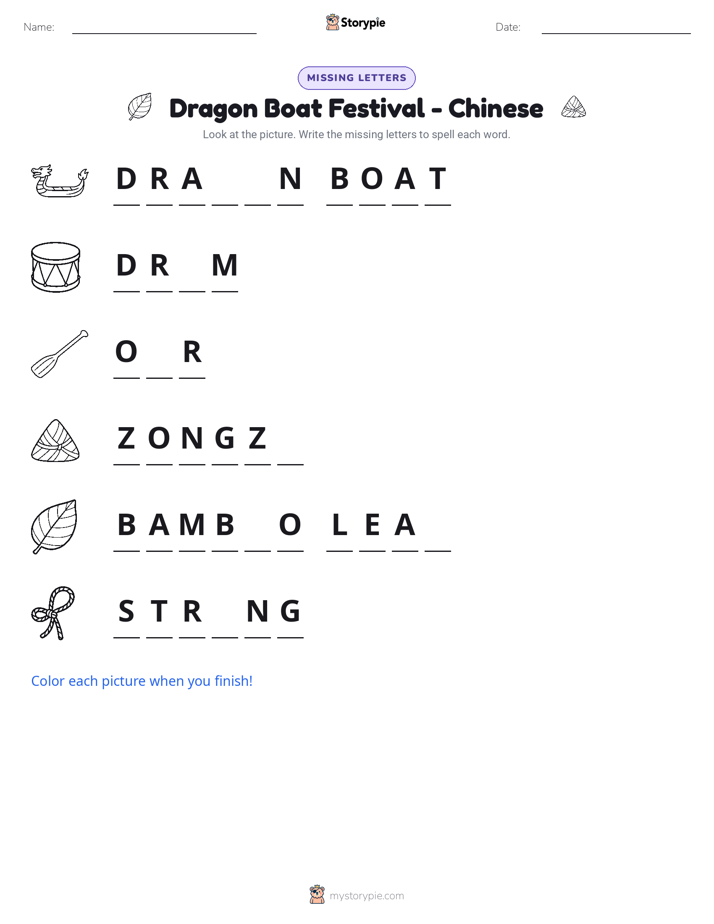
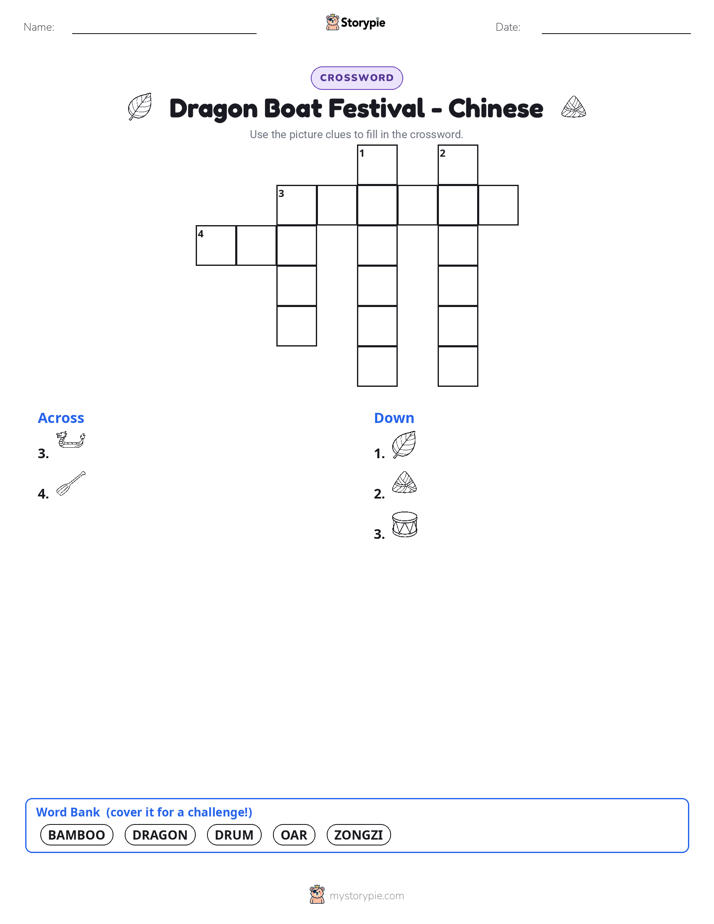
That ancient story is why dragon boat racing is such an important part of my celebration. These races are thrilling to watch! Teams of paddlers sit in very long, narrow boats. These boats are brightly painted and decorated with a carved dragon’s head at the front and a tail at the back, making them look like powerful dragons slicing through the water. On each boat, a drummer sits at the front, beating a large drum. The steady beat of the drum helps the paddlers stay in sync, so they can row together as one powerful team. The sound of the drums and the cheers from the crowd make it a very lively event.
The Story of the Dragon Boat Festival
Hello! I am the Dragon Boat Festival. My Chinese name is Duanwu Jie. People in China and in Chinese communities all over the world observe me. My special day is the fifth day of the fifth month of the Chinese calendar, which usually means I arrive in June. I am a time for families and friends to come together for many exciting traditions that have been passed down for a very long time.
Many of my most famous customs are connected to a very old story. People tell the legend of a great poet named Qu Yuan who lived in China thousands of years ago. The story says that he was a good and honest man who was deeply loved by the villagers. According to the legend, when Qu Yuan fell into a river, the local people were so sad and worried that they jumped into their fishing boats. They raced out onto the water, paddling as fast as they could to try and find and save him. This tale of their frantic race is remembered every year.
That ancient story is why dragon boat racing is such an important part of my celebration. These races are thrilling to watch! Teams of paddlers sit in very long, narrow boats. These boats are brightly painted and decorated with a carved dragon’s head at the front and a tail at the back, making them look like powerful dragons slicing through the water. On each boat, a drummer sits at the front, beating a large drum. The steady beat of the drum helps the paddlers stay in sync, so they can row together as one powerful team. The sound of the drums and the cheers from the crowd make it a very lively event.
The legend of Qu Yuan also explains my most special food, called zongzi. The story says that when the villagers couldn't find the poet, they came up with another idea to protect him. They supposedly threw handfuls of sticky rice, wrapped in leaves, into the water. They hoped the fish in the river would eat the rice instead of bothering the poet's body. Today, people don't throw rice in the river, but they eat delicious zongzi to remember the story. These tasty treats are pyramid-shaped dumplings made of sticky rice, often filled with things like meat, beans, or sweet dates. They are wrapped tightly in bamboo leaves and then steamed or boiled.
My traditions are not just about racing and food. I arrive right at the start of summer. Long ago, people thought of this as a time when sickness could easily spread. To protect their homes and families, they developed customs to bring good health and ward off bad luck. Many families hang special plants with strong smells, like mugwort and calamus, on their front doors. It was believed these plants could keep evil spirits and illnesses away. Children might also wear colorful little bags called perfume sachets. These small pouches are filled with fragrant spices and herbs and are thought to bring good fortune.
Wow facts
About
A traditional Chinese holiday celebrated on the fifth day of the fifth month of the Chinese lunar calendar. It is known for dragon boat racing and eating zongzi, and is most famously associated with the commemoration of the poet Qu Yuan.
Take a Quiz
Question 1 of 4
Why did the villagers in the legend race their boats?
Want to do even more?
Go beyond exploring. Unlock tools that turn every story into real learning.

Storypie Plus for families
Full stories, quizzes, and printables. Nights and car rides, sorted.
- Unlimited audio stories
- Create Mode: your child stars in the story
- Offline downloads
- Printable worksheets & coloring pages

Why Storypie for Schools
Students engaged. Prep in seconds. Evenings back to you.
- Worksheets & Quizzes
- Classroom Management
- Formative Assessment
- Custom Curriculum & Lesson Plans
- 27 Languages

Why Storypie for Homeschool
Curriculum done. They'll ask for more. Hours back in your day.
- Worksheet Generator
- First-Person Audio Stories
- Built-in Comprehension Quizzes
- Custom Curriculum & Lesson Plans
- Print & Go Activities