English

Dragon Boat Festival - Chinese
A traditional Chinese holiday celebrated on the fifth day of the fifth month of the Chinese lunar calendar.
Reads at Grades 3–5 Listens at Grades 1–5
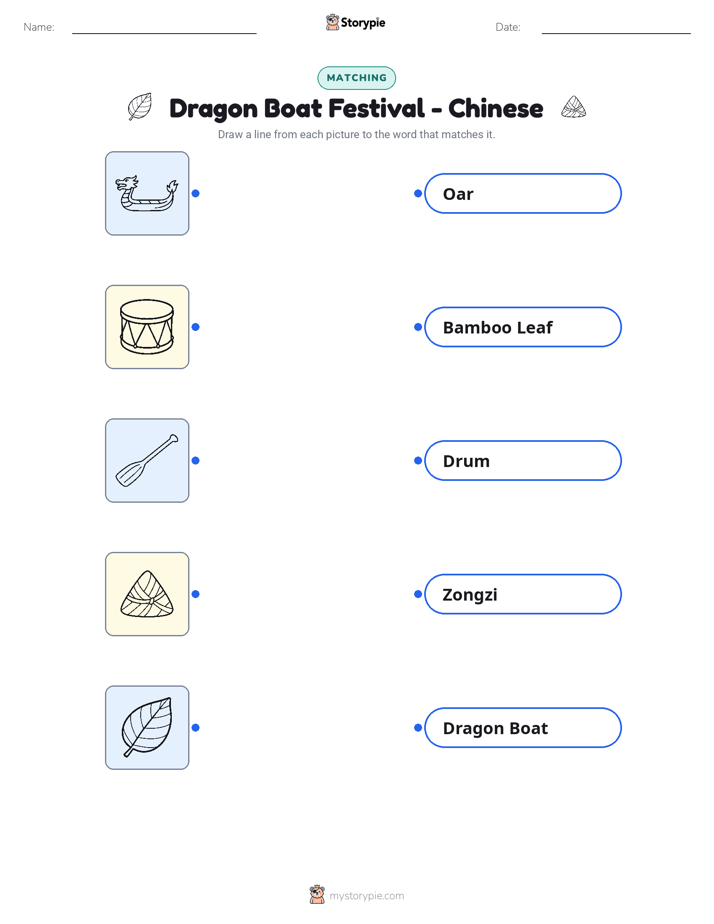
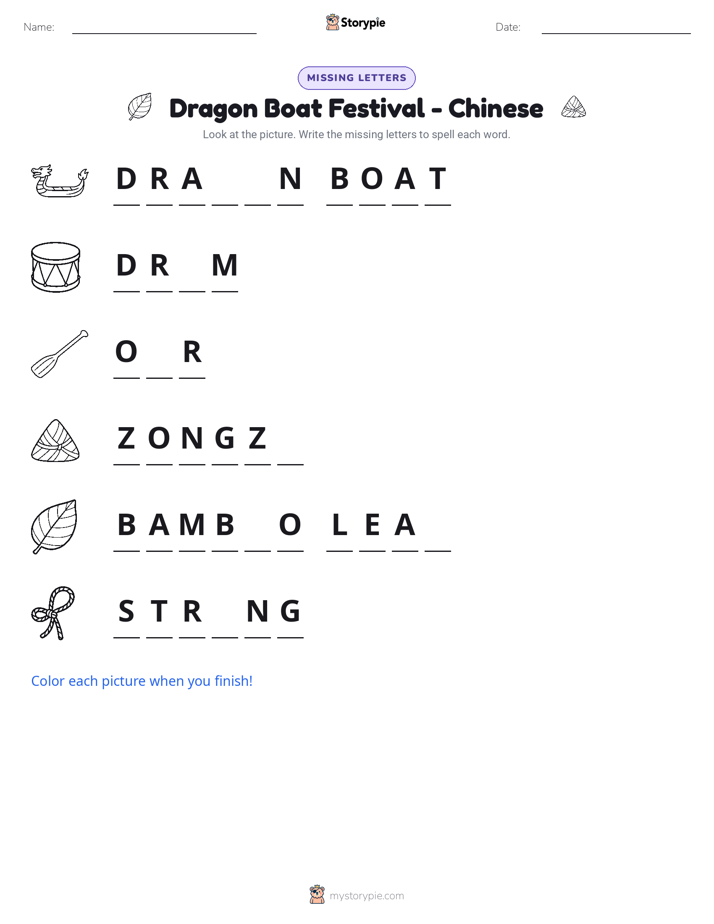
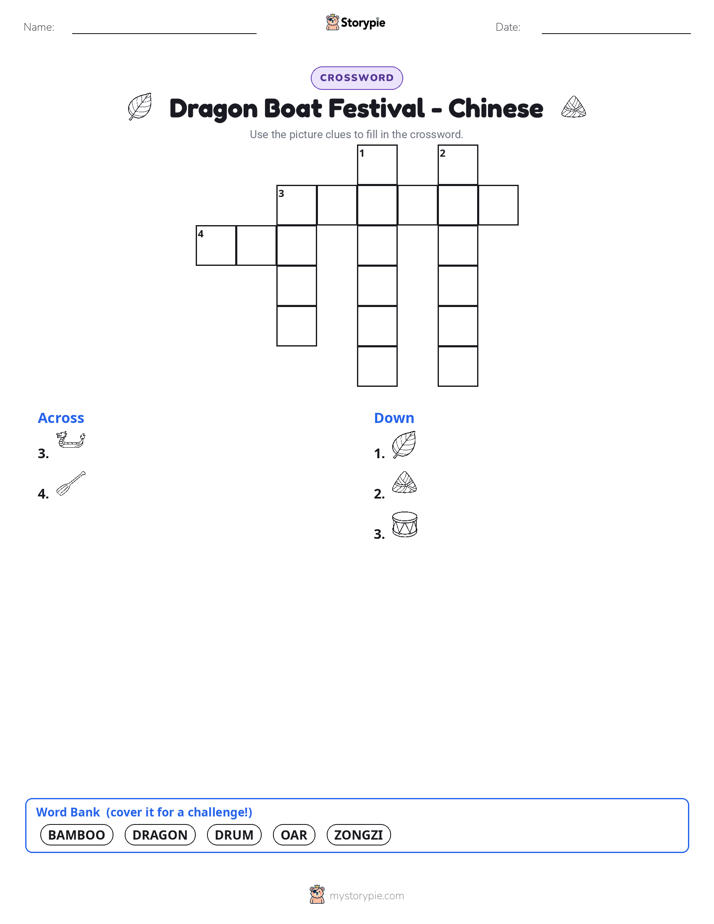
Print & create
Answer keys·No prep·Free with an account
28 worksheets · answer keys · full story · quiz · Ages 8-10 · CEFR B1
Plus adds 279,000+ more stories in 27 languages, audio for every one, and printables for all of them.
Just want Dragon Boat Festival - Chinese?
Hello, I am the Dragon Boat Festival, an ancient holiday with traditions full of excitement and meaning. In Chinese, my name is the Duanwu Festival. People observe me on a very specific day: the fifth day of the fifth month of the traditional Chinese lunar calendar. Because the lunar calendar is based on the cycles of the moon, my date on the Gregorian calendar, which is used in many parts of the world, changes every year. I usually arrive in late May or June, near the beginning of summer.
In ancient China, the time of year when I occur was thought to be challenging. The heat of summer was arriving, and with it came a greater risk of insects and disease. This is why many of my oldest customs are focused on protecting people and wishing for good health. These traditions were created to help people feel safe and strong during this transition into a new season, using special herbs and charms to guard against bad luck and illness.
The most famous story associated with me is the legend of Qu Yuan, a great poet and minister who lived in the ancient state of Chu more than 2,000 years ago. Qu Yuan was known for his wisdom and his deep, unwavering love for his kingdom. However, he was unfairly accused of wrongdoing by other officials and was banished from his home by the king. Filled with immense sorrow for his country and despair over his situation, Qu Yuan ended his life by wading into the Miluo River. His story is one of great loyalty and tragic loss, and it has been passed down through many generations.
The Story of the Dragon Boat Festival
Hello, I am the Dragon Boat Festival, an ancient holiday with traditions full of excitement and meaning. In Chinese, my name is the Duanwu Festival. People observe me on a very specific day: the fifth day of the fifth month of the traditional Chinese lunar calendar. Because the lunar calendar is based on the cycles of the moon, my date on the Gregorian calendar, which is used in many parts of the world, changes every year. I usually arrive in late May or June, near the beginning of summer.
In ancient China, the time of year when I occur was thought to be challenging. The heat of summer was arriving, and with it came a greater risk of insects and disease. This is why many of my oldest customs are focused on protecting people and wishing for good health. These traditions were created to help people feel safe and strong during this transition into a new season, using special herbs and charms to guard against bad luck and illness.
The most famous story associated with me is the legend of Qu Yuan, a great poet and minister who lived in the ancient state of Chu more than 2,000 years ago. Qu Yuan was known for his wisdom and his deep, unwavering love for his kingdom. However, he was unfairly accused of wrongdoing by other officials and was banished from his home by the king. Filled with immense sorrow for his country and despair over his situation, Qu Yuan ended his life by wading into the Miluo River. His story is one of great loyalty and tragic loss, and it has been passed down through many generations.
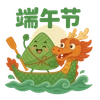
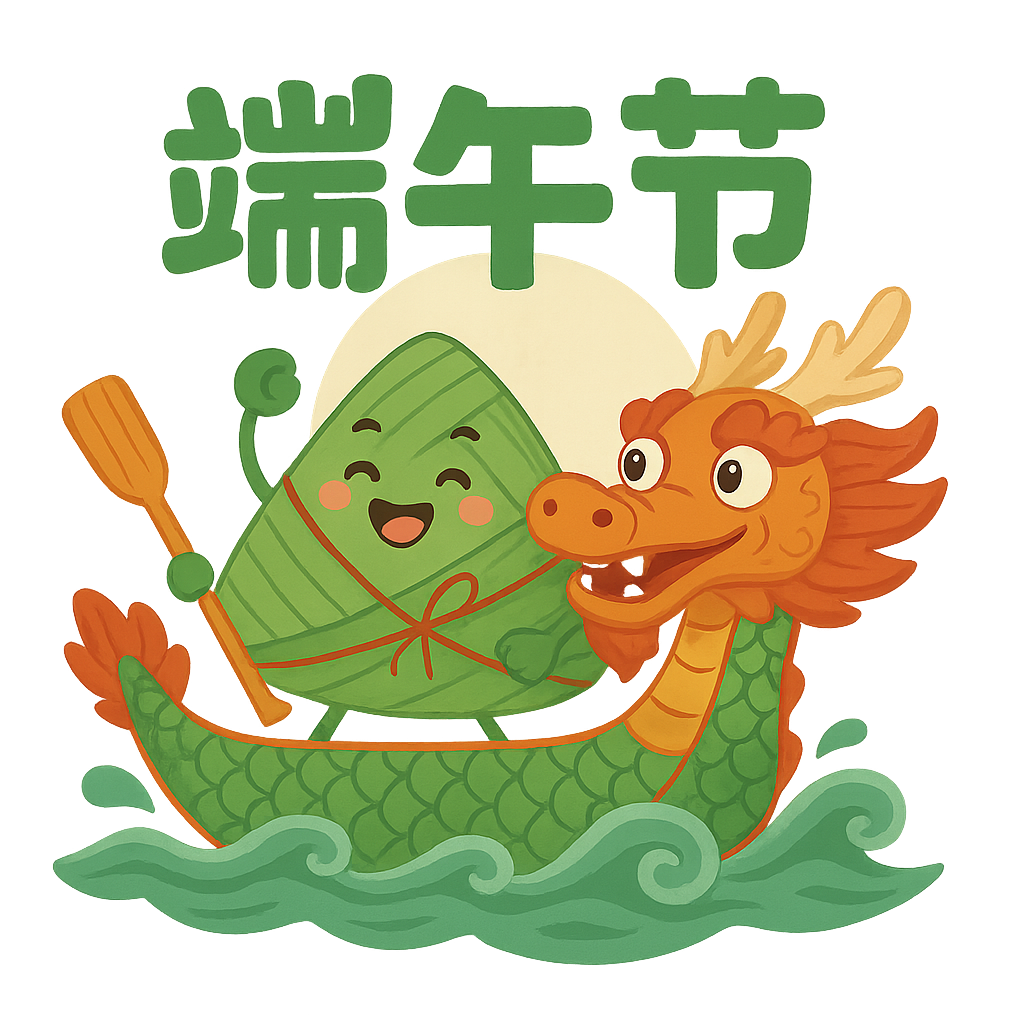
My most well-known tradition, dragon boat racing, is said to have started because of this event. According to the legend, when the local villagers heard what had happened to the beloved Qu Yuan, they were heartbroken. They immediately jumped into their fishing boats and paddled out onto the river as fast as they could, desperately hoping to save him. Their frantic race to reach him is commemorated in the thrilling dragon boat races that take place today. Modern dragon boat races are a spectacular sight. Teams of paddlers sit in long, narrow boats, which are beautifully decorated with a fierce dragon head at the front and a scaly tail at the back. A drummer sits at the front of the boat, beating a powerful rhythm that guides the paddlers to move their oars in perfect unison.
Another important tradition is also linked to the villagers' efforts to honor Qu Yuan. The legend says that to prevent the fish in the river from disturbing his body, the villagers threw packets of cooked rice into the water as an offering. This act of respect and protection is remembered through my most special food: zongzi. Zongzi are delicious dumplings made from glutinous, or sticky, rice. The rice is packed into a pyramid shape and wrapped tightly in bamboo or reed leaves, which give it a special fragrance. Inside the rice, there might be a sweet filling, like red bean paste, or a savory one, like pork or salted egg yolk. Once wrapped, the zongzi are either steamed or boiled, creating a dense, flavorful treat that is a central part of my observance.
Beyond remembering Qu Yuan, my customs continue to focus on health and well-being, just as they did in ancient times. My timing near the summer solstice means I am a festival for cleansing and protection. Many families will hang bundles of fresh herbs, especially mugwort and calamus, on the front doors of their homes. These plants have strong scents that were believed to drive away evil spirits, insects, and sickness. For children, there are other protective customs. They might be given small, fragrant perfume pouches to wear, filled with herbs and spices. Another tradition is to wear bracelets woven from five different colors of silk thread—red, yellow, blue, white, and black—which are thought to bring balance and protection.
Wow facts
About
A traditional Chinese holiday celebrated on the fifth day of the fifth month of the Chinese lunar calendar. It is known for dragon boat racing and eating zongzi, and is most famously associated with the commemoration of the poet Qu Yuan.
Take a Quiz
Question 1 of 5
According to the legend, why did the villagers race their boats out onto the Miluo River?
Want to do even more?
Go beyond exploring. Unlock tools that turn every story into real learning.

Storypie Plus for families
Full stories, quizzes, and printables. Nights and car rides, sorted.
- Unlimited audio stories
- Create Mode: your child stars in the story
- Offline downloads
- Printable worksheets & coloring pages

Why Storypie for Schools
Students engaged. Prep in seconds. Evenings back to you.
- Worksheets & Quizzes
- Classroom Management
- Formative Assessment
- Custom Curriculum & Lesson Plans
- 27 Languages

Why Storypie for Homeschool
Curriculum done. They'll ask for more. Hours back in your day.
- Worksheet Generator
- First-Person Audio Stories
- Built-in Comprehension Quizzes
- Custom Curriculum & Lesson Plans
- Print & Go Activities