English

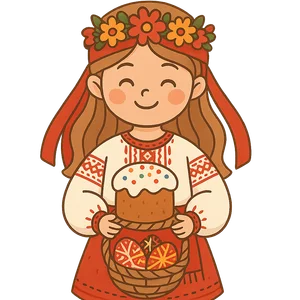
Easter - Ukrainian
Velykden, or Ukrainian Easter…
Reads at Grades 3–5 Listens at Grades 1–5
Print & create
Answer keys·No prep·Free with an account
28 worksheets · answer keys · full story · quiz · Ages 8-10 · CEFR B1
Plus adds 273,000+ more stories in 27 languages, audio for every one, and printables for all of them.
Just want Easter - Ukrainian?
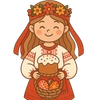
Hello! I am Velykden, which is the Ukrainian name for Easter. For many Ukrainian people, I am one of the most important and joyful times of the entire year. My name, Velykden, has a very special meaning; it translates to “Great Day.” This name reflects the deep significance of what I represent. I am the day when Christians commemorate the resurrection of Jesus Christ, which is a central belief in their faith. My traditions are a beautiful blend of these Christian beliefs and ancient customs that celebrated the arrival of spring and the return of life to the world after a long winter. This combination of old and new, of faith and nature, makes my observance rich with meaning and artful customs that have been passed down through many generations.
One of the first things people notice about me is that my date often differs from the date of Easter celebrations in many other parts of the world. I do not have a fixed date on the calendar. Instead, my arrival changes each year because my timing is calculated using a traditional calendar called the Julian calendar. Many Ukrainian churches have historically used this calendar to determine the dates for religious observances. The rule for finding my date is connected to the cycles of the moon and the changing of the seasons. I always fall on the first Sunday that comes after the first full moon of springtime. This timing connects me directly to the renewal of the natural world, as days grow longer and warmer, and plants begin to grow again.
Velykden: The Great Day of Ukraine
Hello! I am Velykden, which is the Ukrainian name for Easter. For many Ukrainian people, I am one of the most important and joyful times of the entire year. My name, Velykden, has a very special meaning; it translates to “Great Day.” This name reflects the deep significance of what I represent. I am the day when Christians commemorate the resurrection of Jesus Christ, which is a central belief in their faith. My traditions are a beautiful blend of these Christian beliefs and ancient customs that celebrated the arrival of spring and the return of life to the world after a long winter. This combination of old and new, of faith and nature, makes my observance rich with meaning and artful customs that have been passed down through many generations.
One of the first things people notice about me is that my date often differs from the date of Easter celebrations in many other parts of the world. I do not have a fixed date on the calendar. Instead, my arrival changes each year because my timing is calculated using a traditional calendar called the Julian calendar. Many Ukrainian churches have historically used this calendar to determine the dates for religious observances. The rule for finding my date is connected to the cycles of the moon and the changing of the seasons. I always fall on the first Sunday that comes after the first full moon of springtime. This timing connects me directly to the renewal of the natural world, as days grow longer and warmer, and plants begin to grow again.
The week leading up to my arrival is a very important and busy period known as Holy Week. During this time, families prepare their homes and their hearts for my celebration. On the Thursday of Holy Week, which is sometimes called “Clean Thursday,” many families undertake a major spring cleaning. They wash, sweep, and organize their entire homes, making everything fresh and tidy. This act of cleaning is symbolic of purifying the home and soul. Another important preparation is baking. Families bake a special holiday bread called paska. This isn't just any bread; it is a tall, round, sweet bread made from a rich dough. A great deal of care goes into making it, and the top is often decorated with beautifully crafted dough ornaments, which can be shaped like crosses, birds, or flowers, each with its own meaning.
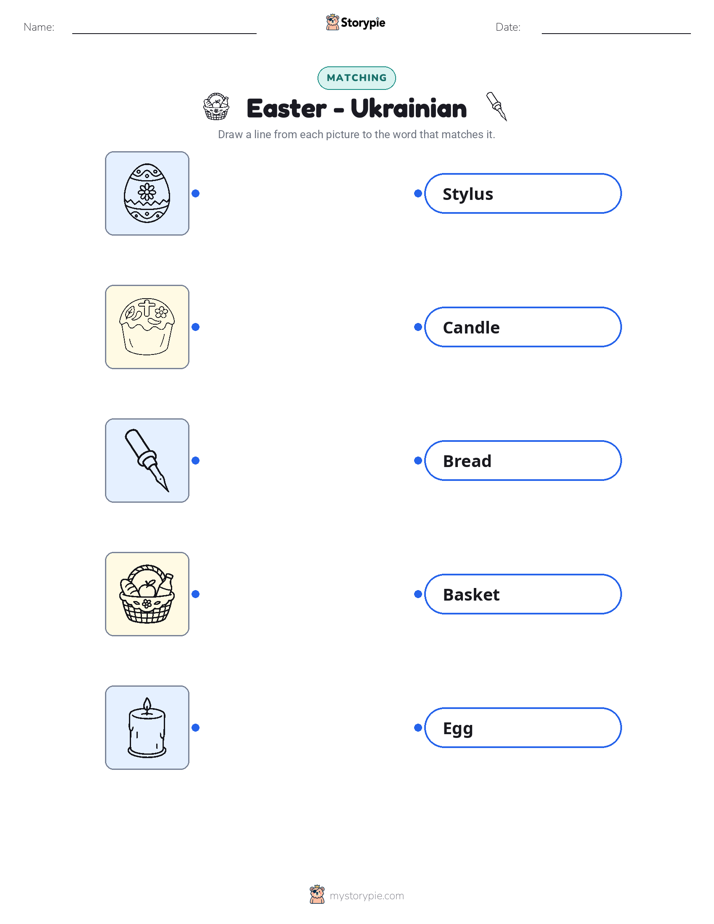
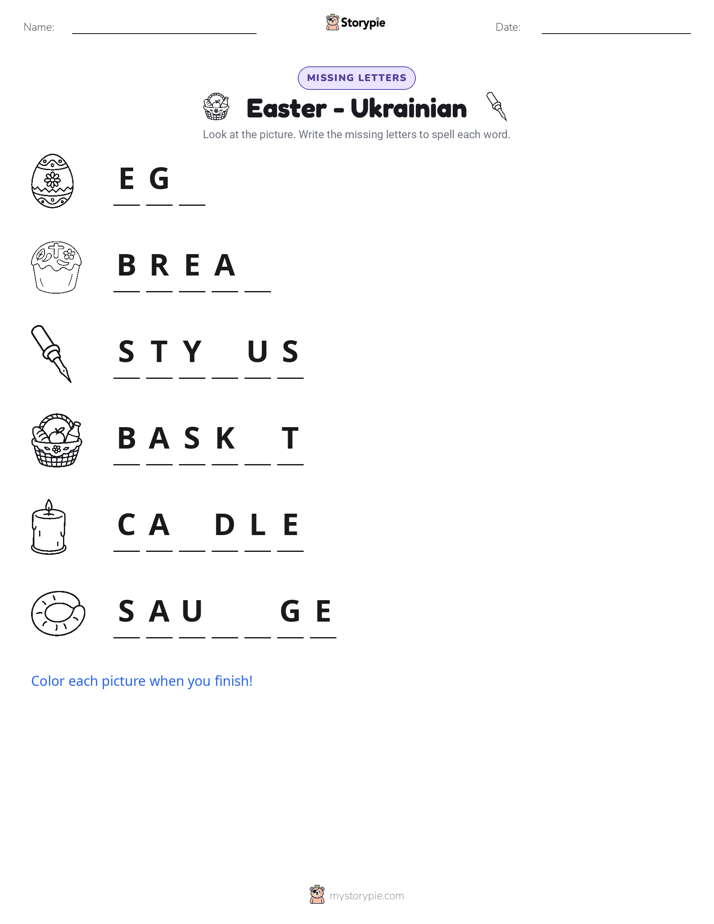
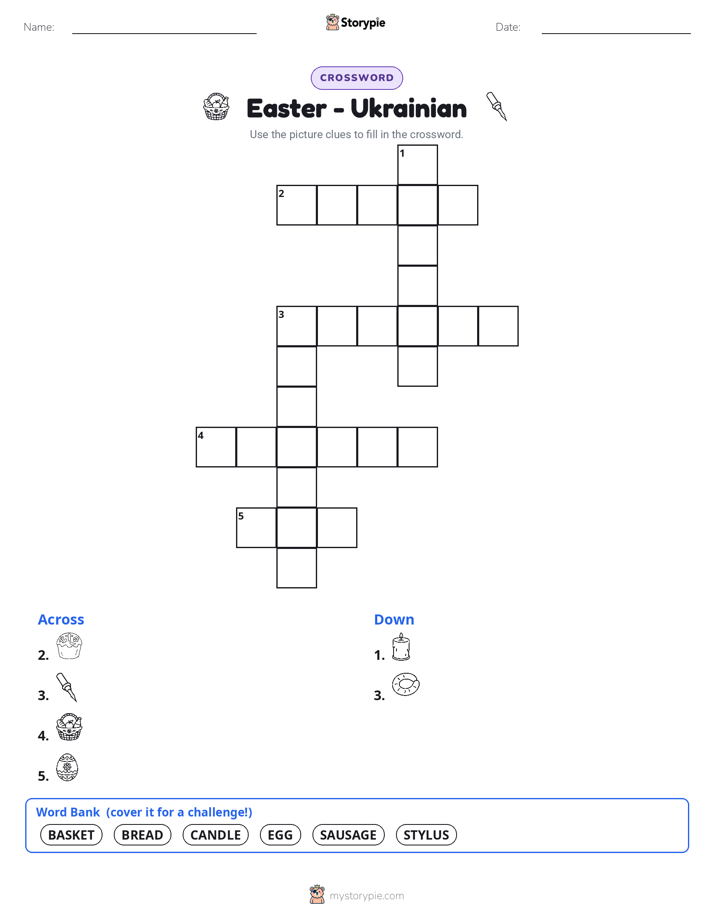
Perhaps one of my most famous and beloved traditions is the creation of pysanky. The art of making pysanky is an ancient practice that requires great patience and skill. These are not ordinary colored eggs; they are intricate works of art. To create a pysanka, an artist uses a raw egg and a special tool to draw complex patterns onto the shell with melted beeswax. The egg is then dipped into a series of colorful dyes, from the lightest to the darkest. The wax protects the shell from the dye, so after the wax is gently melted away, a stunning, multi-colored design is revealed. Every single symbol and color used on a pysanka has a special meaning. For example, a star might represent the sun, while a deer could symbolize health. Because of their beauty and symbolic importance, pysanky are given as precious gifts to wish someone well, and they are never eaten.
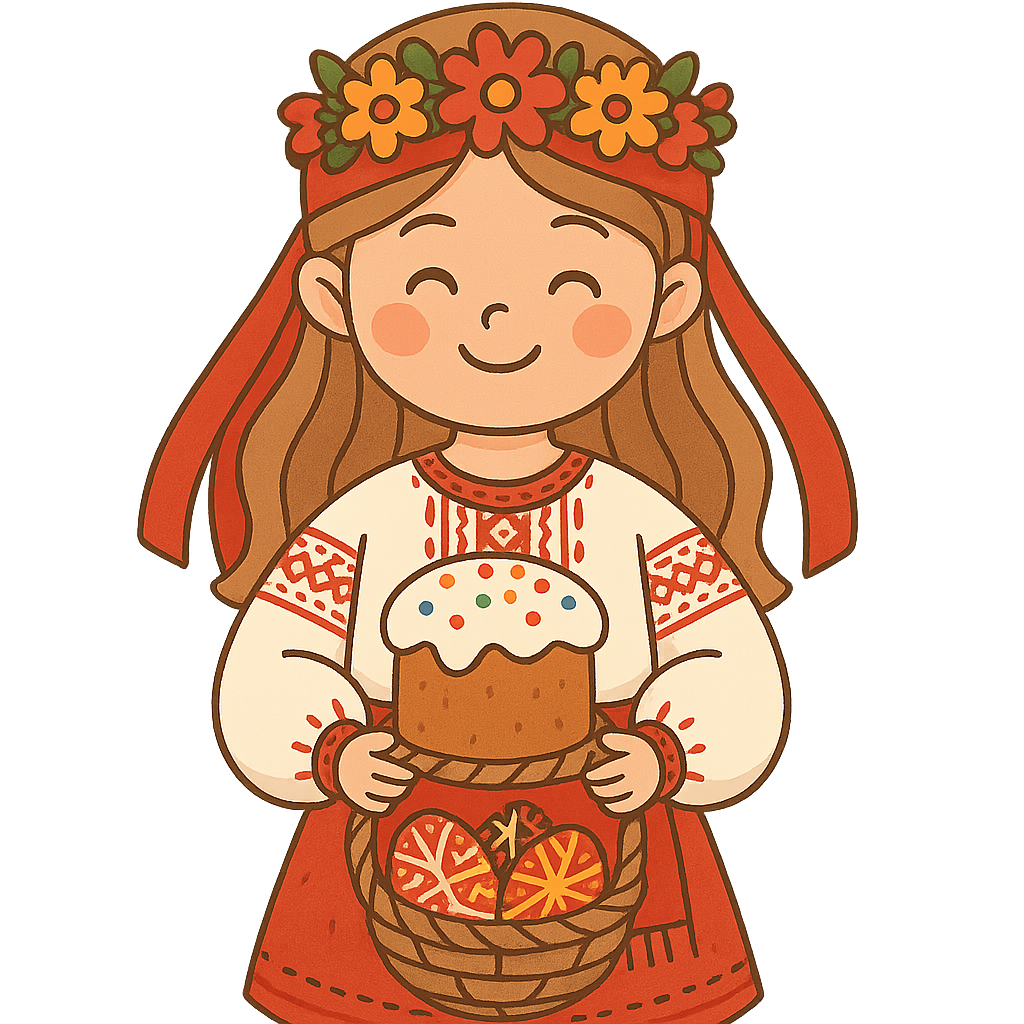
On Holy Saturday, the day just before my celebration begins, families carefully prepare a special Easter basket. This basket is not for gathering eggs but for holding a collection of symbolic foods that will be eaten during the holiday feast. Inside the basket, people place the beautifully decorated paska bread and the artistic pysanky. They also include krashanky, which are hard-boiled eggs dyed a single color, often red, to symbolize life. Alongside the breads and eggs, the basket is filled with other festive foods like sausage, butter, cheese, and salt. Families then cover their baskets with an embroidered cloth and take them to church. There, a priest blesses the baskets and all the food inside, preparing them for the celebratory meal.
My main celebration starts early on Sunday morning. After attending a church service, families return home to break their fast and share the first meal of the day together. This breakfast is very special because it begins with the food from the blessed Easter basket. The first thing everyone eats is a piece of a blessed egg, which is shared among all family members as a symbol of unity and new life. Throughout the day, a special greeting is exchanged. When people meet, one person will say, “Khrystos Voskres!” which means “Christ is Risen!” in Ukrainian. The traditional and joyful reply is, “Voistynu Voskres!” which means “Indeed, He is Risen!” This greeting fills the day with a sense of shared joy and celebration, marking me as a truly Great Day for all who observe me.
Wow facts
About
Velykden, or Ukrainian Easter, is a major religious and cultural holiday celebrating the resurrection of Jesus Christ, known for its rich traditions like decorated pysanky eggs and special blessed food baskets.
Take a Quiz
Question 1 of 5
What is the main reason that Velykden often happens on a different date than Easter in many other countries?
Want to do even more?
Go beyond exploring. Unlock tools that turn every story into real learning.

Storypie Plus for families
Full stories, quizzes, and printables. Nights and car rides, sorted.
- Unlimited audio stories
- Create Mode: your child stars in the story
- Offline downloads
- Printable worksheets & coloring pages

Why Storypie for Schools
Students engaged. Prep in seconds. Evenings back to you.
- Worksheets & Quizzes
- Classroom Management
- Formative Assessment
- Custom Curriculum & Lesson Plans
- 27 Languages

Why Storypie for Homeschool
Curriculum done. They'll ask for more. Hours back in your day.
- Worksheet Generator
- First-Person Audio Stories
- Built-in Comprehension Quizzes
- Custom Curriculum & Lesson Plans
- Print & Go Activities