English

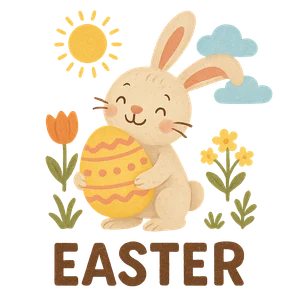
Easter
Easter is the most important and earliest of all annual Christian feasts…
Reads at Grades 3–5 Listens at Grades 1–5
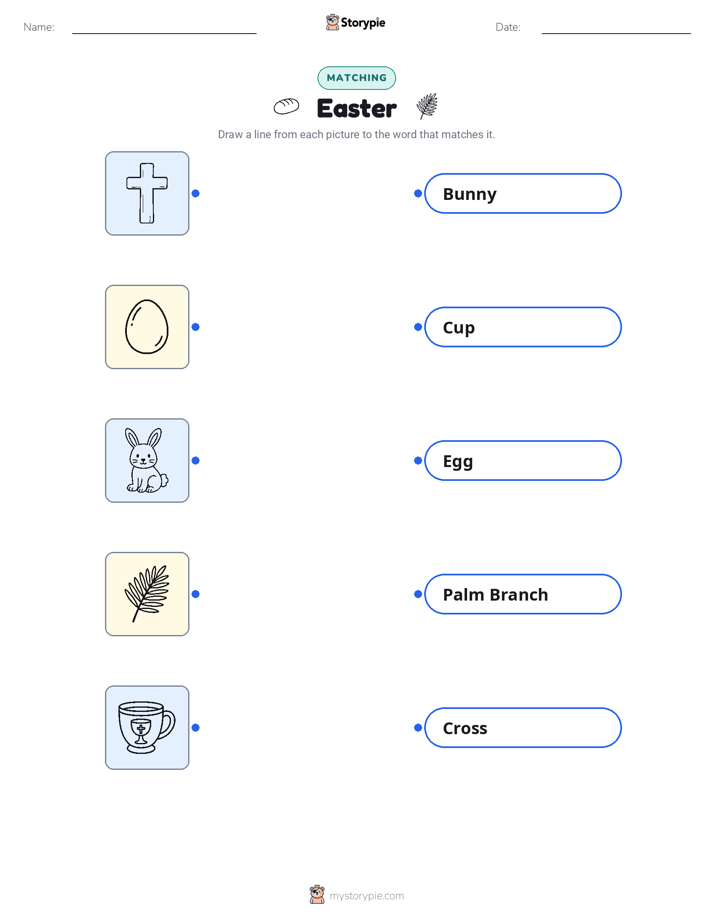
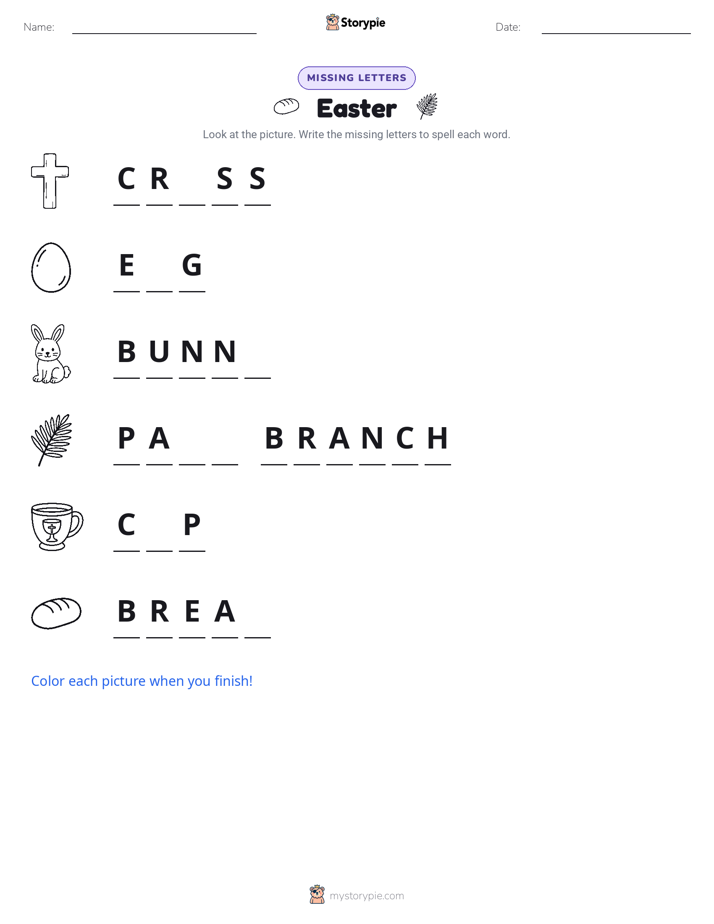
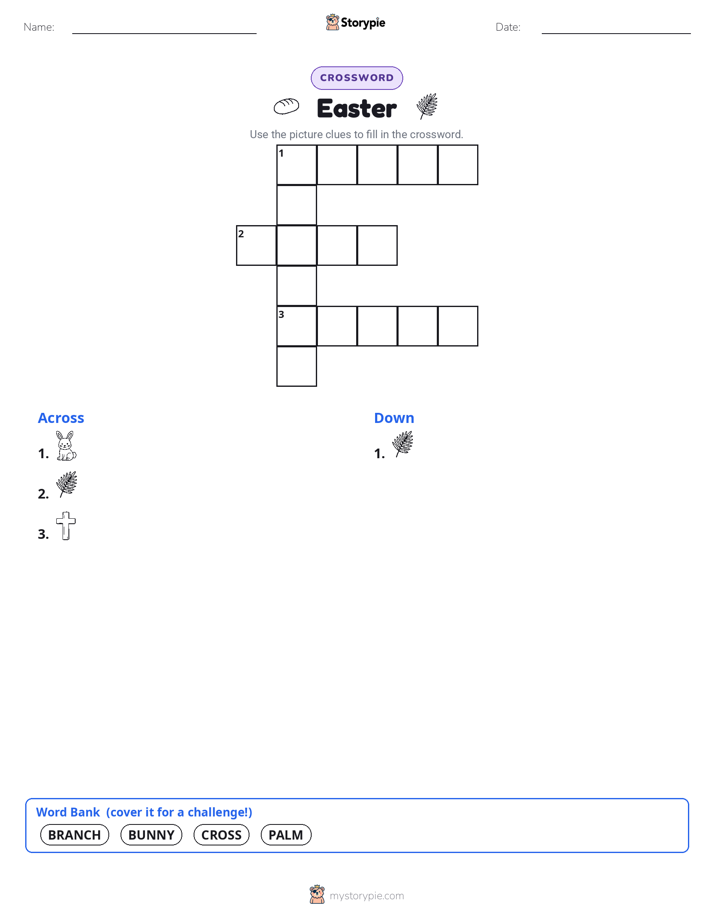
Print & create
Answer keys·No prep·Free with an account
28 worksheets · answer keys · full story · quiz · Ages 8-10 · CEFR B1
Plus adds 273,000+ more stories in 27 languages, audio for every one, and printables for all of them.
Just want Easter?
I am Easter, the most important festival in the Christian year. My purpose is to commemorate a central event in the Christian faith: the resurrection of Jesus Christ. According to Christian belief, this happened on the third day after his crucifixion. For Christians, this story is about more than just one event from the past. It represents a great victory over death and holds the promise of eternal life. This is why my observance is considered the foundational and most significant time in the Christian calendar, a period of profound meaning and celebration.
Unlike holidays that have a fixed date, such as Christmas on December 25th, my timing changes from year to year. People call me a “movable feast” because my date moves around on the calendar. The rule for setting my date is connected to the seasons and the moon. My celebration is set for the first Sunday after the first full moon that occurs on or after the spring equinox. The equinox is the moment in spring when the day and night are very close to the same length, marking the beginning of the season. Because this timing depends on both the solar and lunar cycles, my date can fall on any Sunday between March 22nd and April 25th. This ancient system of calculation ensures that my observance always remains tied to the arrival of spring in the Northern Hemisphere.
My name has a long and interesting history. In many languages around the world, my name is similar to “Pascha.” This word comes from “Pesach,” the Hebrew name for Passover, which is an important Jewish holiday. The Christian New Testament describes the death and resurrection of Jesus as taking place during the time of Passover, which explains this strong connection in my name. However, my English name, Easter, has different possible origins. Some historians think it may have developed from the name of an ancient goddess of spring, but this is an idea they are not certain about. While my traditions have evolved over many centuries, the earliest documented celebrations of my Christian form began in the 2nd century, when communities started to create a special, annual observance for the resurrection.
I Am Easter
I am Easter, the most important festival in the Christian year. My purpose is to commemorate a central event in the Christian faith: the resurrection of Jesus Christ. According to Christian belief, this happened on the third day after his crucifixion. For Christians, this story is about more than just one event from the past. It represents a great victory over death and holds the promise of eternal life. This is why my observance is considered the foundational and most significant time in the Christian calendar, a period of profound meaning and celebration.
Unlike holidays that have a fixed date, such as Christmas on December 25th, my timing changes from year to year. People call me a “movable feast” because my date moves around on the calendar. The rule for setting my date is connected to the seasons and the moon. My celebration is set for the first Sunday after the first full moon that occurs on or after the spring equinox. The equinox is the moment in spring when the day and night are very close to the same length, marking the beginning of the season. Because this timing depends on both the solar and lunar cycles, my date can fall on any Sunday between March 22nd and April 25th. This ancient system of calculation ensures that my observance always remains tied to the arrival of spring in the Northern Hemisphere.
My name has a long and interesting history. In many languages around the world, my name is similar to “Pascha.” This word comes from “Pesach,” the Hebrew name for Passover, which is an important Jewish holiday. The Christian New Testament describes the death and resurrection of Jesus as taking place during the time of Passover, which explains this strong connection in my name. However, my English name, Easter, has different possible origins. Some historians think it may have developed from the name of an ancient goddess of spring, but this is an idea they are not certain about. While my traditions have evolved over many centuries, the earliest documented celebrations of my Christian form began in the 2nd century, when communities started to create a special, annual observance for the resurrection.
The week leading up to my main Sunday is a very significant time for Christians. This period is known as Holy Week, and it is a time for reflection on the events that Christian scriptures say happened at the end of Jesus's life. Holy Week begins with Palm Sunday, which marks Jesus’s entry into the city of Jerusalem. Later in the week is Maundy Thursday, a day for remembering the Last Supper that Jesus shared with his disciples. The week then reaches its most somber point on Good Friday. This is a solemn day when Christians remember the crucifixion of Jesus. Each day of Holy Week has its own specific services and traditions that lead up to the celebration of the resurrection on Easter Sunday.
Many of my popular customs today blend religious meaning with older traditions that have been passed down through generations. Eggs, for example, have been a symbol of new life and rebirth in many cultures for thousands of years. Early Christians adopted this powerful symbol to represent Jesus’s emergence from the tomb and the new life that his resurrection promises. Decorating and sharing eggs became a popular part of my observance. The story of the Easter Bunny, a rabbit that brings eggs to children, is another well-known tradition. This story first became popular in Germany around the 17th century. When German immigrants later moved to other parts of the world, like the United States, they brought this charming story with them, and it has since become a widespread part of my cultural celebrations.
Today, people around the world observe me in many different ways, combining religious worship with family customs. For many Christians, attending special church services is the most important part of the day. Some of these services are held at sunrise to welcome the dawn on Easter morning, connecting the rising sun with the resurrection story. Beyond church, my observance is often a time for gathering with family and friends to share a festive meal. For children, my arrival is often associated with fun activities. They might participate in an Easter egg hunt, searching for colorful eggs hidden in a yard or park, or receive baskets filled with candy and other treats. These traditions, both sacred and secular, come together to define how I am observed in the modern world.
Wow facts
About
Easter is the most important and earliest of all annual Christian feasts, celebrating the resurrection of Jesus Christ on the third day after his crucifixion.
Take a Quiz
Question 1 of 5
Why does the story call Easter a 'movable feast'?
Want to do even more?
Go beyond exploring. Unlock tools that turn every story into real learning.

Storypie Plus for families
Full stories, quizzes, and printables. Nights and car rides, sorted.
- Unlimited audio stories
- Create Mode: your child stars in the story
- Offline downloads
- Printable worksheets & coloring pages

Why Storypie for Schools
Students engaged. Prep in seconds. Evenings back to you.
- Worksheets & Quizzes
- Classroom Management
- Formative Assessment
- Custom Curriculum & Lesson Plans
- 27 Languages

Why Storypie for Homeschool
Curriculum done. They'll ask for more. Hours back in your day.
- Worksheet Generator
- First-Person Audio Stories
- Built-in Comprehension Quizzes
- Custom Curriculum & Lesson Plans
- Print & Go Activities