English

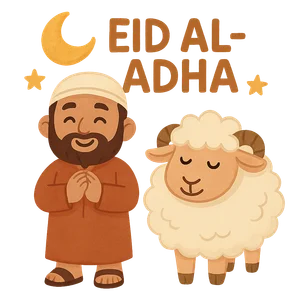
Eid al-Adha
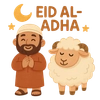
Eid al-Adha, or the 'Festival of the Sacrifice,' is one of the most important holidays in Islam.
Reads at Grades K-2 Listens at K–3
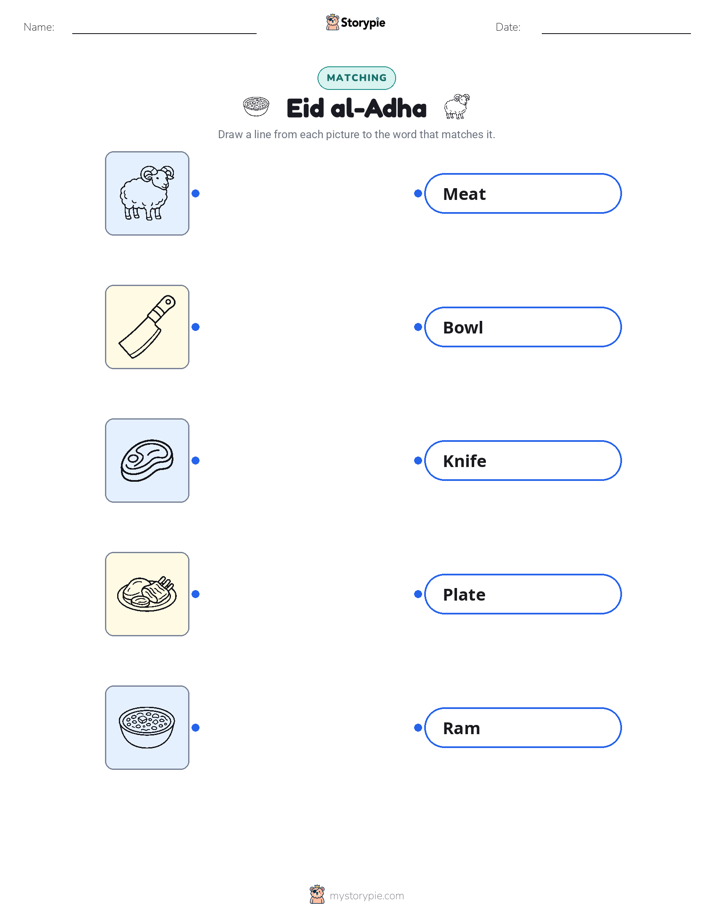
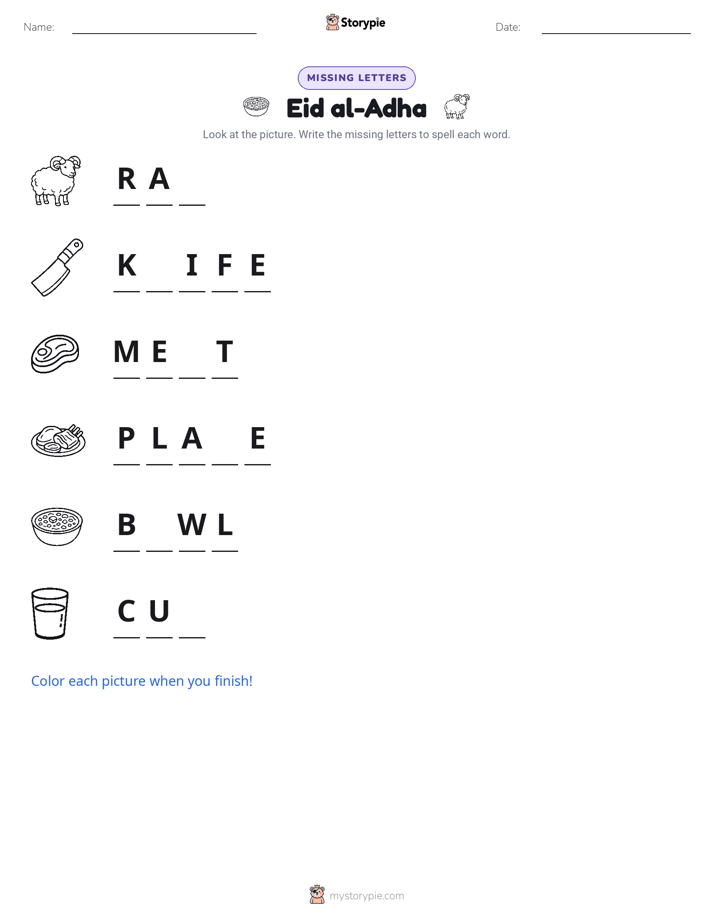
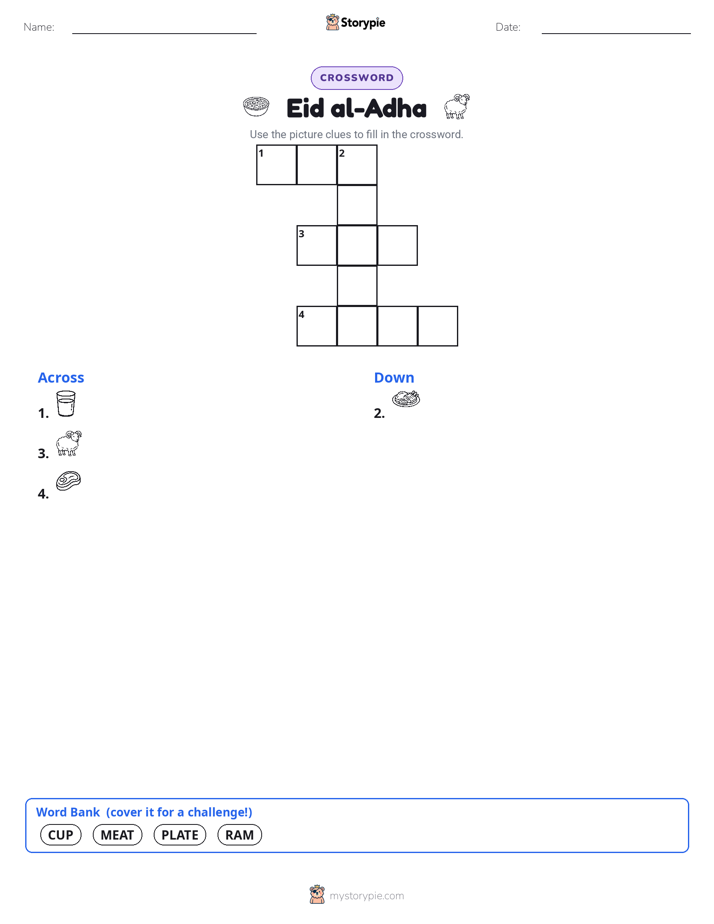
Print & create
Answer keys·No prep·Free with an account
28 worksheets · answer keys · full story · quiz · Ages 6-8 · CEFR A2
Plus adds 279,000+ more stories in 27 languages, audio for every one, and printables for all of them.
Just want Eid al-Adha?
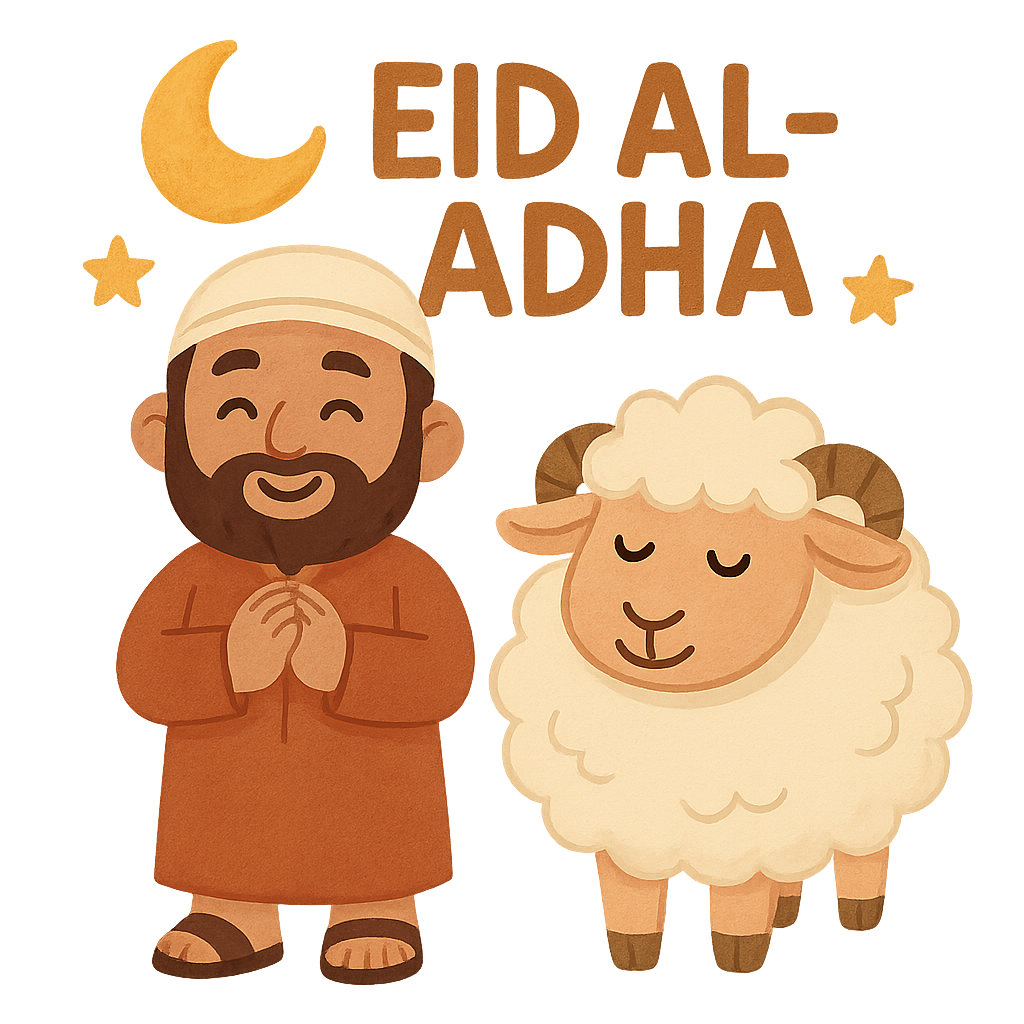
Hello, I am Eid al-Adha. My name has a special meaning in the Arabic language; it means the ‘Festival of the Sacrifice.’ For Muslims all around the world, I am one of the most important holidays of the year. My observance is a time to remember a story that shows great faith and deep trust in God. People come together during my days to share, to pray, and to remember this important story.
The story that people honor when they observe me comes from the holy book of Islam, the Quran. It is about a prophet named Ibrahim. In this sacred story, God asked Ibrahim to sacrifice his son as a way to show his faith. This was a very difficult test. Muslims believe that Ibrahim loved his son very much but was also ready to obey God's command. Just as he was about to do what was asked, God saw his faithfulness. At that moment, God provided a ram for the sacrifice instead, and Ibrahim's son was saved. This story is remembered as a powerful example of trust and obedience.
My timing is based on a special calendar called the Islamic lunar calendar, which follows the moon. I begin on the 10th day of Dhu al-Hijjah, which is the very last month of the Islamic year. This is a very special time because it happens right after many Muslims complete the rituals of the Hajj. The Hajj is a pilgrimage, or a special journey, that many Muslims make to the city of Mecca in Saudi Arabia. Because the lunar calendar is about 11 days shorter than the solar calendar that many people use, my date on that calendar changes. Each year, people observe me about 11 days earlier than the year before.
I Am Eid al-Adha
Hello, I am Eid al-Adha. My name has a special meaning in the Arabic language; it means the ‘Festival of the Sacrifice.’ For Muslims all around the world, I am one of the most important holidays of the year. My observance is a time to remember a story that shows great faith and deep trust in God. People come together during my days to share, to pray, and to remember this important story.
The story that people honor when they observe me comes from the holy book of Islam, the Quran. It is about a prophet named Ibrahim. In this sacred story, God asked Ibrahim to sacrifice his son as a way to show his faith. This was a very difficult test. Muslims believe that Ibrahim loved his son very much but was also ready to obey God's command. Just as he was about to do what was asked, God saw his faithfulness. At that moment, God provided a ram for the sacrifice instead, and Ibrahim's son was saved. This story is remembered as a powerful example of trust and obedience.
My timing is based on a special calendar called the Islamic lunar calendar, which follows the moon. I begin on the 10th day of Dhu al-Hijjah, which is the very last month of the Islamic year. This is a very special time because it happens right after many Muslims complete the rituals of the Hajj. The Hajj is a pilgrimage, or a special journey, that many Muslims make to the city of Mecca in Saudi Arabia. Because the lunar calendar is about 11 days shorter than the solar calendar that many people use, my date on that calendar changes. Each year, people observe me about 11 days earlier than the year before.
Today, people observe me for three or four days, and these days are filled with meaningful traditions. One of the most important is called Qurbani. To remember the story of Ibrahim and the ram, many families will sacrifice an animal, such as a sheep. The meat from this animal is not kept just for themselves; sharing is a very important part of my celebration. The meat is divided into three equal parts. One part is for the family to eat, another part is for friends and neighbors, and the third part is given to people who are in need. This ensures that everyone can have a special holiday meal. Besides the Qurbani, people celebrate me in other ways, too. They put on their best clothes, gather for special prayers, and spend time visiting with their loved ones, sharing food and happiness.
Wow facts
About
Eid al-Adha, or the 'Festival of the Sacrifice,' is one of the most important holidays in Islam. It commemorates the Prophet Ibrahim's (Abraham's) willingness to sacrifice his son in obedience to God and coincides with the culmination of the Hajj pilgrimage to Mecca.
Take a Quiz
Question 1 of 4
What does the name 'Eid al-Adha' mean?
Want to do even more?
Go beyond exploring. Unlock tools that turn every story into real learning.

Storypie Plus for families
Full stories, quizzes, and printables. Nights and car rides, sorted.
- Unlimited audio stories
- Create Mode: your child stars in the story
- Offline downloads
- Printable worksheets & coloring pages

Why Storypie for Schools
Students engaged. Prep in seconds. Evenings back to you.
- Worksheets & Quizzes
- Classroom Management
- Formative Assessment
- Custom Curriculum & Lesson Plans
- 27 Languages

Why Storypie for Homeschool
Curriculum done. They'll ask for more. Hours back in your day.
- Worksheet Generator
- First-Person Audio Stories
- Built-in Comprehension Quizzes
- Custom Curriculum & Lesson Plans
- Print & Go Activities