English

Festa de Iemanjá - Brazilian
The Festa de Iemanjá is a major Brazilian cultural and religious festival celebrated annually on February 2nd…
Reads at Grades 6–8 Listens at Grades 4–8
Print & create
Answer keys·No prep·Free with an account
28 worksheets · answer keys · full story · quiz · Ages 10-12 · CEFR B2
Plus adds 279,000+ more stories in 27 languages, audio for every one, and printables for all of them.
Just want Festa de Iemanjá - Brazilian?
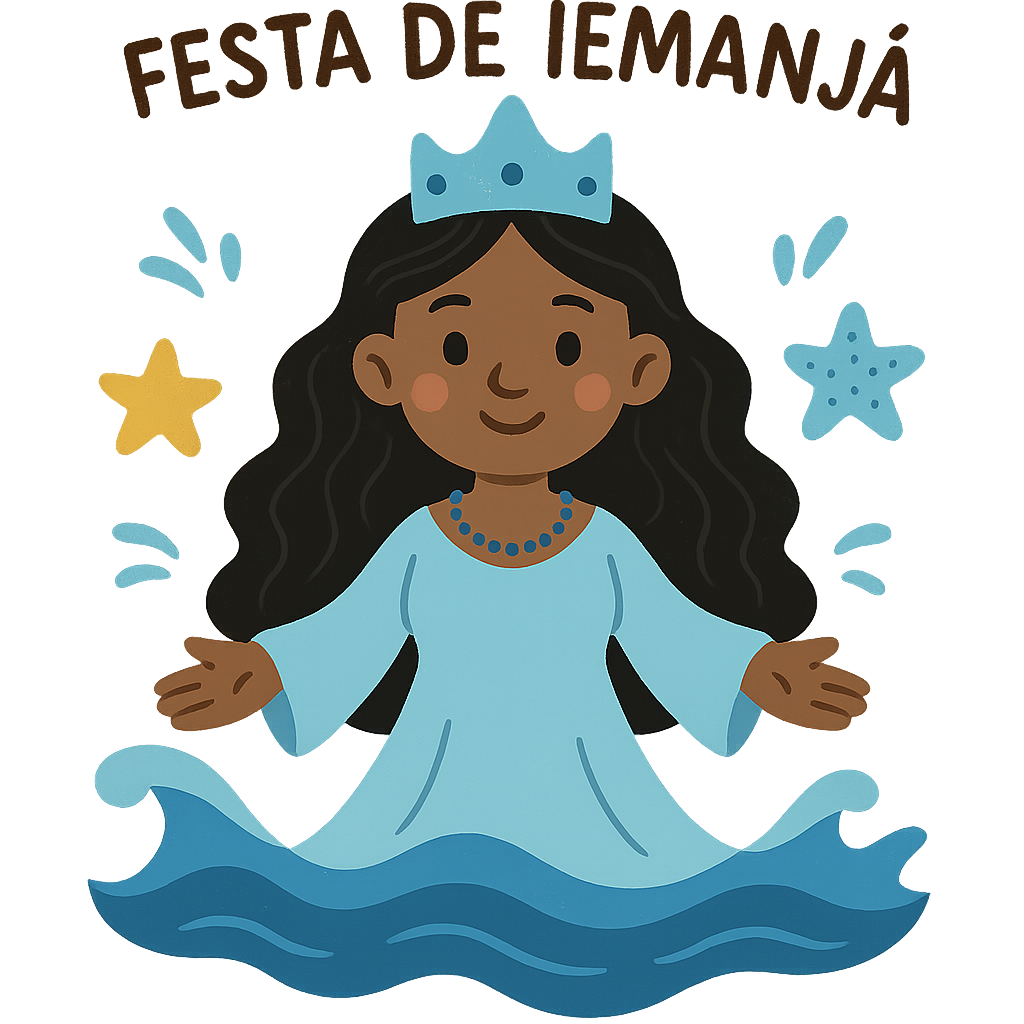
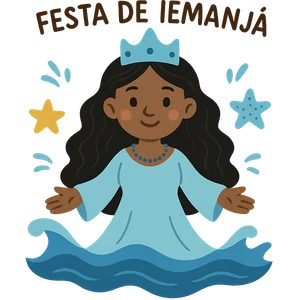
I am the Festa de Iemanjá, a major Brazilian festival that honors the Queen of the Sea. My main celebration unfolds each year on the 2nd of February, drawing enormous crowds to the city of Salvador, which is the capital of the state of Bahia. On this day, people from all walks of life gather together on the shores of the ocean to pay their respects to Iemanjá. In the spiritual traditions that form my foundation, she is an important Orisha, or deity. Many see her as a powerful and protective mother figure, a guardian who watches over fishermen and holds dominion over the vast, life-giving seas.
My story begins not in Brazil, but across the Atlantic Ocean in West Africa. My deepest origins are connected to the spiritual beliefs of the Yoruba people. During the tragic era of the transatlantic slave trade, millions of Yoruba were forcibly brought to Brazil. They were separated from their homes and families, but they carried their cultural and religious traditions with them. Central to their faith was the veneration of the Orishas. In Africa, the deity known as Yemọja was associated with a river, a source of life for her people. When her followers arrived in Brazil, their reality was dominated by the immense ocean that had carried them there and now separated them from their homeland forever. In this new context, Yemọja’s identity transformed, and she became Iemanjá, the spirit of the saltwater sea.
For centuries, the enslaved Africans and their descendants in Brazil faced severe persecution for practicing their traditional religions. To preserve their heritage and spiritual beliefs from being erased, they found a way to blend them with Catholicism, which was the dominant and official religion of the country. This practice of mixing traditions is called syncretism, and it is a crucial part of my history. Iemanjá became closely associated with a Catholic figure, Our Lady of Navigators, or Nossa Senhora dos Navegantes. This connection was strengthened by the fact that the Catholic feast day for this figure is also February 2nd. This allowed Afro-Brazilians to publicly honor a Catholic saint while privately, and safely, venerating their own Orisha.
The Story of Festa de Iemanjá
I am the Festa de Iemanjá, a major Brazilian festival that honors the Queen of the Sea. My main celebration unfolds each year on the 2nd of February, drawing enormous crowds to the city of Salvador, which is the capital of the state of Bahia. On this day, people from all walks of life gather together on the shores of the ocean to pay their respects to Iemanjá. In the spiritual traditions that form my foundation, she is an important Orisha, or deity. Many see her as a powerful and protective mother figure, a guardian who watches over fishermen and holds dominion over the vast, life-giving seas.
My story begins not in Brazil, but across the Atlantic Ocean in West Africa. My deepest origins are connected to the spiritual beliefs of the Yoruba people. During the tragic era of the transatlantic slave trade, millions of Yoruba were forcibly brought to Brazil. They were separated from their homes and families, but they carried their cultural and religious traditions with them. Central to their faith was the veneration of the Orishas. In Africa, the deity known as Yemọja was associated with a river, a source of life for her people. When her followers arrived in Brazil, their reality was dominated by the immense ocean that had carried them there and now separated them from their homeland forever. In this new context, Yemọja’s identity transformed, and she became Iemanjá, the spirit of the saltwater sea.
For centuries, the enslaved Africans and their descendants in Brazil faced severe persecution for practicing their traditional religions. To preserve their heritage and spiritual beliefs from being erased, they found a way to blend them with Catholicism, which was the dominant and official religion of the country. This practice of mixing traditions is called syncretism, and it is a crucial part of my history. Iemanjá became closely associated with a Catholic figure, Our Lady of Navigators, or Nossa Senhora dos Navegantes. This connection was strengthened by the fact that the Catholic feast day for this figure is also February 2nd. This allowed Afro-Brazilians to publicly honor a Catholic saint while privately, and safely, venerating their own Orisha.
While my spiritual roots are ancient, my current form as a huge, public festival is more recent. My modern celebration began in 1923 in Rio Vermelho, a seaside neighborhood in Salvador. According to the story that is passed down, a community of local fishermen was facing a difficult time. For a long period, their nets were coming up empty, and their livelihoods were at risk. In their moment of need, they decided to turn to the Queen of the Sea for help. They organized a special offering to Iemanjá, asking for her blessing and for the fish to return to their waters. That single act of devotion and hope was the seed from which my modern form grew. Year after year, more people joined the fishermen’s tribute, and it gradually transformed into the massive public festival that I am today.
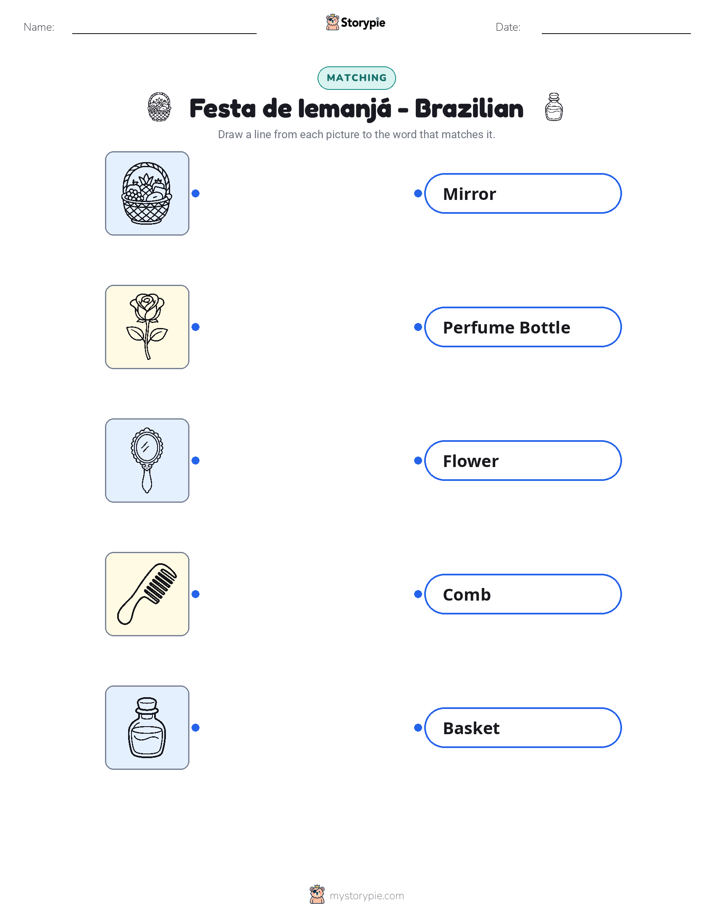
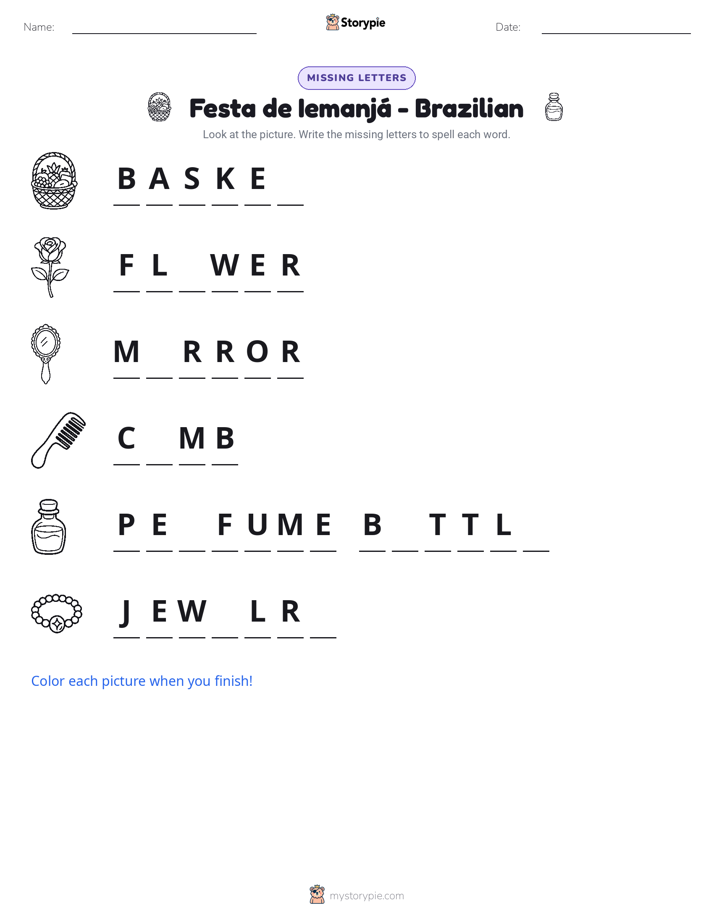
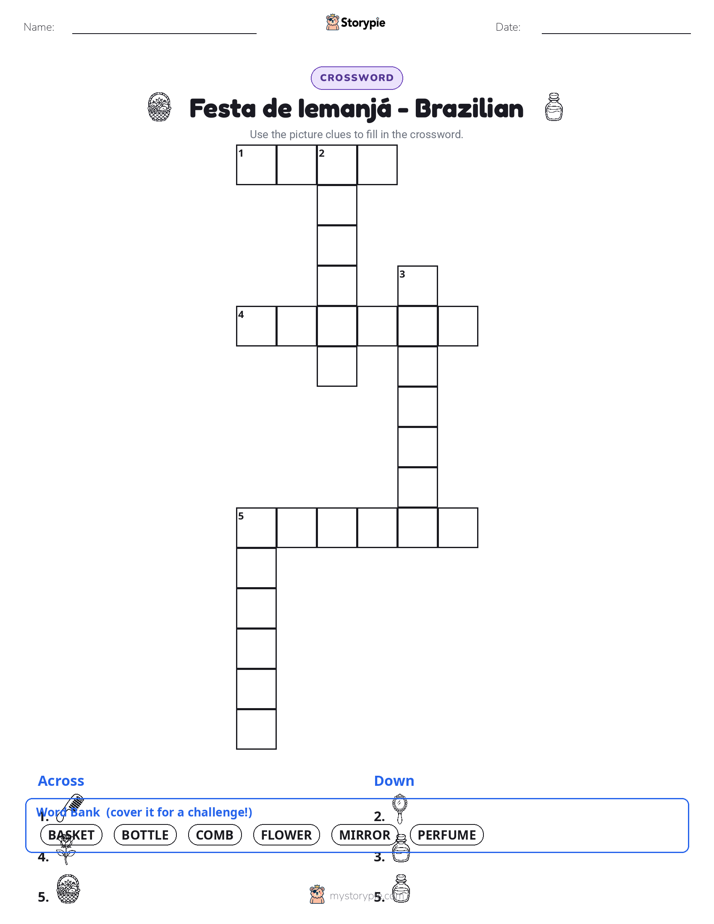
The central tradition of my observance is the giving of gifts, or offerings, to Iemanjá. Throughout the day, devotees prepare special presents meant to please the Queen of the Sea. They fill large, beautifully decorated baskets with items like fragrant white flowers, especially roses, as well as mirrors, elegant combs, bottles of perfume, and sparkling jewelry. These offerings are carefully arranged before being brought to the main house of offerings. From there, a grand procession takes place as the baskets are carried to the beach and loaded onto a special boat. A fleet of hundreds of other boats, filled with participants, then follows this main vessel out to sea to deliver the gifts, a sign of deep respect and a way to ask for blessings and protection in the year to come.
On the day of my celebration, the beaches of Rio Vermelho are filled with an incredible energy. Thousands upon thousands of people gather, creating a sea of humanity. A great number of participants choose to dress in white, a color that symbolizes peace in the Afro-Brazilian religion of Candomblé. Many also wear accents of light blue, which is Iemanjá’s signature color. The air vibrates with the powerful, rhythmic sound of drums played by musical groups known as afoxés. Their beats accompany the songs that people sing in honor of Iemanjá, with lyrics praising her power and generosity. Together, the colors, music, and shared purpose create an unforgettable atmosphere of community, faith, and celebration.
Today, I am recognized as one of the most important and popular public festivals in all of Brazil, attracting visitors not just from other parts of the country but from all over the world. My importance to the city of Salvador is so great that February 2nd is an official public holiday there. In 2012, my cultural significance was formally recognized when I was named an Intangible Cultural Heritage of the city. More than just a single day of celebration, I stand as a powerful and vibrant symbol of Afro-Brazilian culture, a testament to a deep and resilient faith, and a living example of the enduring strength of traditions that were carried across an ocean and have flourished for centuries.
Wow facts
About
The Festa de Iemanjá is a major Brazilian cultural and religious festival celebrated annually on February 2nd, especially in Salvador, Bahia. It honors Iemanjá, the Orisha (goddess) of the sea from the Candomblé and Umbanda faiths, with offerings of flowers and gifts carried out to the ocean.
Take a Quiz
Question 1 of 5
Retell the story of how the modern, large-scale celebration of Festa de Iemanjá began in 1923.
Want to do even more?
Go beyond exploring. Unlock tools that turn every story into real learning.

Storypie Plus for families
Full stories, quizzes, and printables. Nights and car rides, sorted.
- Unlimited audio stories
- Create Mode: your child stars in the story
- Offline downloads
- Printable worksheets & coloring pages

Why Storypie for Schools
Students engaged. Prep in seconds. Evenings back to you.
- Worksheets & Quizzes
- Classroom Management
- Formative Assessment
- Custom Curriculum & Lesson Plans
- 27 Languages

Why Storypie for Homeschool
Curriculum done. They'll ask for more. Hours back in your day.
- Worksheet Generator
- First-Person Audio Stories
- Built-in Comprehension Quizzes
- Custom Curriculum & Lesson Plans
- Print & Go Activities