English

Festa de Iemanjá - Brazilian
The Festa de Iemanjá is a major Brazilian cultural and religious festival celebrated annually on February 2nd…
Reads at Grades 3–5 Listens at Grades 1–5
Print & create
Answer keys·No prep·Free with an account
28 worksheets · answer keys · full story · quiz · Ages 8-10 · CEFR B1
Plus adds 279,000+ more stories in 27 languages, audio for every one, and printables for all of them.
Just want Festa de Iemanjá - Brazilian?
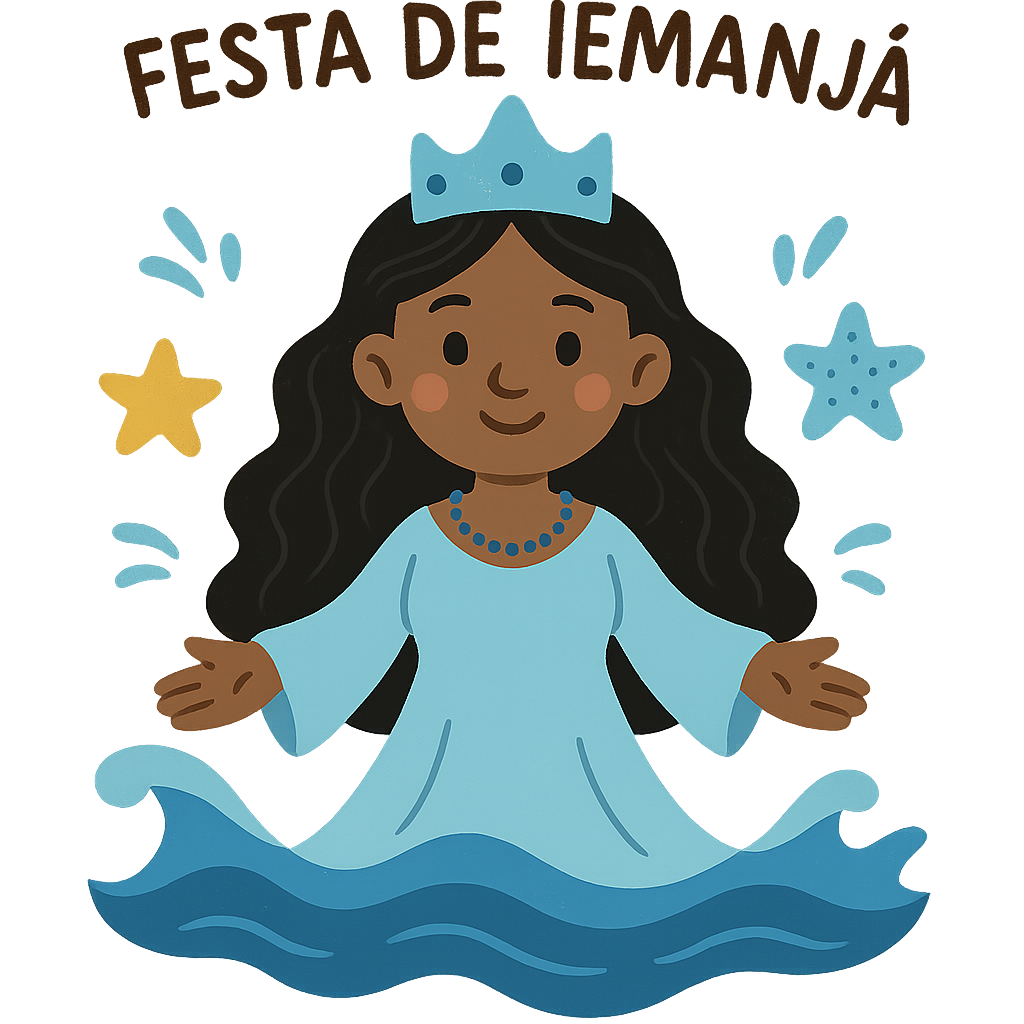
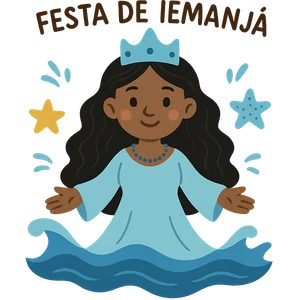
Hello, I am the Festa de Iemanjá, a festival celebrated in Brazil. My purpose is to honor the Queen of the Sea, a powerful and important figure named Iemanjá. In the Candomblé and Umbanda religions, which have their roots in African traditions brought to Brazil long ago, she is known as an Orisha, which means a deity or spirit. Followers of these faiths see Iemanjá as a great mother figure. She is also considered the special protector of all who make their living on the water, like fishermen and sailors. While people observe me in different coastal areas, my largest and most famous celebration happens every year on February 2nd. On that day, thousands of people gather in the city of Salvador, which is in the Brazilian state of Bahia, to pay their respects by the ocean’s shore.
My history as a large public event began with a group of fishermen in the early part of the 20th century. In 1923, the fishermen from the Rio Vermelho neighborhood in Salvador were having a very difficult time. Their nets were coming up empty day after day, and they worried about how they would support their families. Believing in Iemanjá’s power over the ocean, they decided to ask for her help. Together, they gathered gifts and created a special offering for the Queen of the Sea, hoping she would bring fish back to their waters and grant them calm seas for safe voyages. This single act of faith and hope was the beginning of my modern form. Over the decades, what started as a small offering from fishermen grew into the large, vibrant festival that I am today.
Festa de Iemanjá
Hello, I am the Festa de Iemanjá, a festival celebrated in Brazil. My purpose is to honor the Queen of the Sea, a powerful and important figure named Iemanjá. In the Candomblé and Umbanda religions, which have their roots in African traditions brought to Brazil long ago, she is known as an Orisha, which means a deity or spirit. Followers of these faiths see Iemanjá as a great mother figure. She is also considered the special protector of all who make their living on the water, like fishermen and sailors. While people observe me in different coastal areas, my largest and most famous celebration happens every year on February 2nd. On that day, thousands of people gather in the city of Salvador, which is in the Brazilian state of Bahia, to pay their respects by the ocean’s shore.
My history as a large public event began with a group of fishermen in the early part of the 20th century. In 1923, the fishermen from the Rio Vermelho neighborhood in Salvador were having a very difficult time. Their nets were coming up empty day after day, and they worried about how they would support their families. Believing in Iemanjá’s power over the ocean, they decided to ask for her help. Together, they gathered gifts and created a special offering for the Queen of the Sea, hoping she would bring fish back to their waters and grant them calm seas for safe voyages. This single act of faith and hope was the beginning of my modern form. Over the decades, what started as a small offering from fishermen grew into the large, vibrant festival that I am today.
My traditions are a beautiful example of how different cultures can come together. My history is connected to a process called syncretism, which is a blending of different religious beliefs. When enslaved people were brought to Brazil from Africa, they were often forced to practice Catholicism, the main religion of the country’s Portuguese colonizers. To keep their own spiritual traditions alive, they found clever and meaningful ways to continue honoring their Orishas. They did this by associating them with Catholic saints who shared similar qualities. For many years, Iemanjá was connected with the Virgin Mary, especially in her form as Our Lady of Navigators, or Nossa Senhora dos Navegantes. It is no coincidence that her feast day is also on February 2nd, the same day my main celebration takes place.
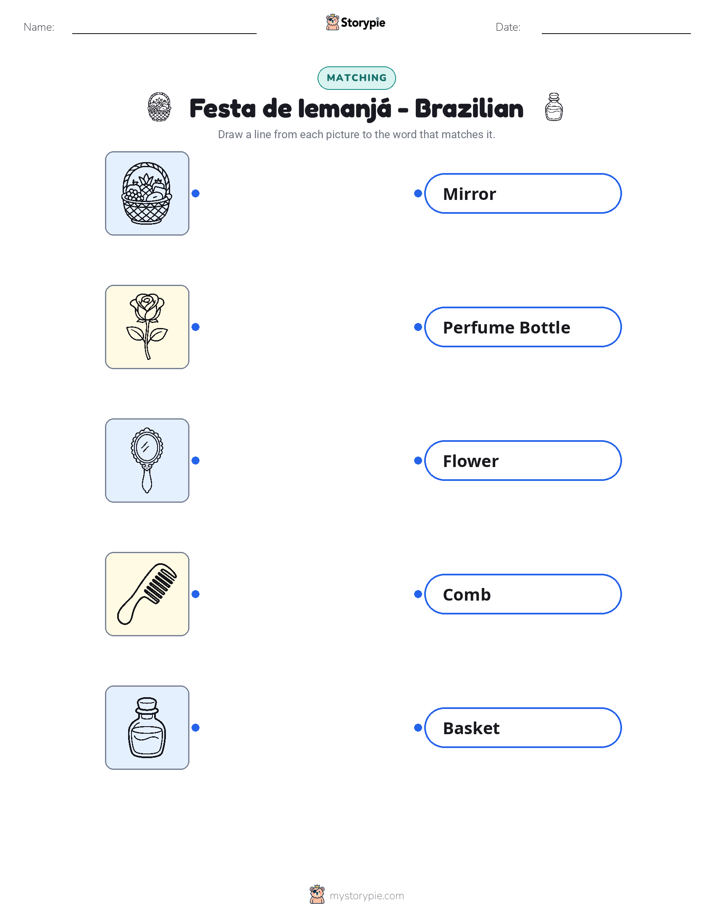
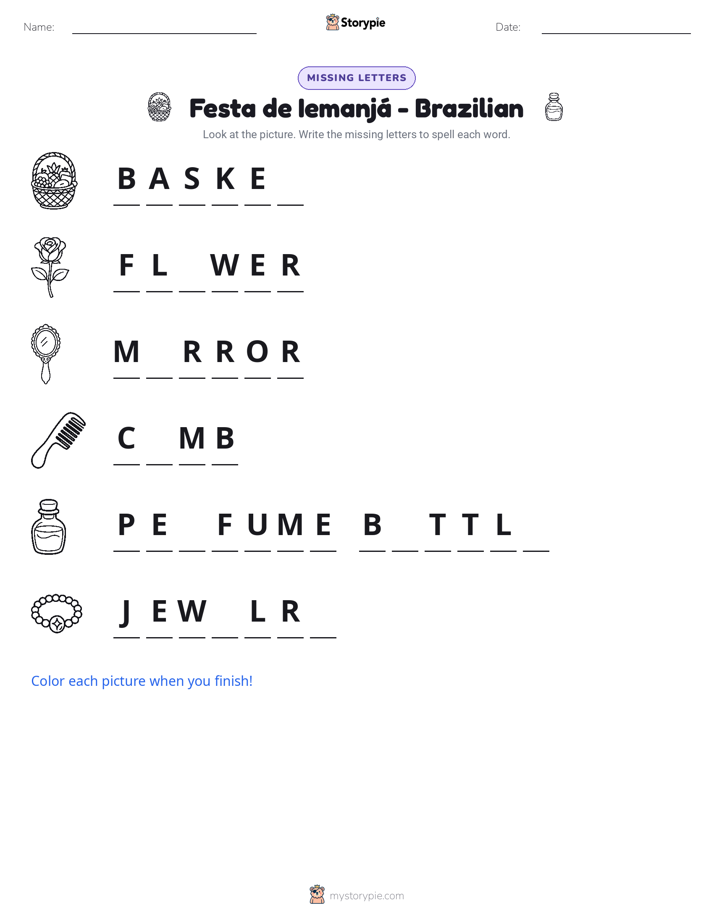
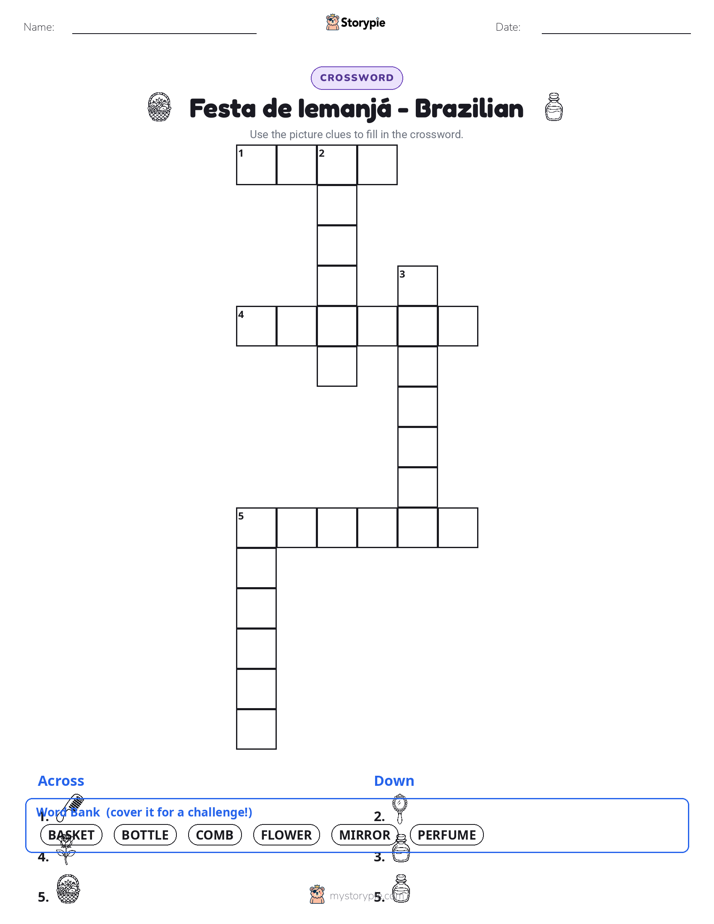
On the day of my festival, the coastline fills with people dressed in special colors. Many participants wear all white, a color that represents peace in the Candomblé faith. You will also see many people wearing blue, which is known as Iemanjá’s signature color, representing the waters of the ocean she rules. A central part of my observance is the giving of gifts. People bring all sorts of beautiful offerings to please the Queen of the Sea. These often include flowers, especially white roses, as well as items associated with beauty and femininity, like mirrors, combs, perfumes, and soaps. These thoughtful gifts are carefully arranged in large handmade baskets. Then, a fleet of boats carries the main basket, filled with the collective offerings, far out into the sea as a grand present for Iemanjá.
The entire day of my celebration is filled with energy and sound. The festivities often begin before the sun rises, with the sound of fireworks waking up the neighborhood and drums beginning their powerful rhythms. Throughout the day, music is everywhere. People sing traditional songs dedicated to Iemanjá, and lively processions of dancers and musicians make their way through the streets toward the beach. My observance is a deeply social event. It is a time for the community to come together, not just for religious reasons, but to connect with one another. Friends and families gather to share food and music, strengthening their bonds while they share their faith and respect for the sea.
Today, I am recognized as one of the most important and popular public festivals in all of Brazil. I am a major celebration of Afro-Brazilian culture and spirituality, honoring the traditions that have shaped the nation’s history. Although my roots are in the Candomblé and Umbanda religions, my appeal has grown much wider. Many people who do not follow these faiths join the celebration to witness its beauty and show respect for its cultural significance. I have been officially recognized as an important part of Brazil's cultural heritage. Every year, I attract visitors from all over Brazil and from around the world, who come to see the colorful processions, hear the music, and watch the boats carry their precious gifts to the Queen of the Sea.
Wow facts
About
The Festa de Iemanjá is a major Brazilian cultural and religious festival celebrated annually on February 2nd, especially in Salvador, Bahia. It honors Iemanjá, the Orisha (goddess) of the sea from the Candomblé and Umbanda faiths, with offerings of flowers and gifts carried out to the ocean.
Take a Quiz
Question 1 of 5
The story says that Iemanjá was associated with a Catholic saint in a process called 'syncretism.' What does syncretism mean in this context?
Want to do even more?
Go beyond exploring. Unlock tools that turn every story into real learning.

Storypie Plus for families
Full stories, quizzes, and printables. Nights and car rides, sorted.
- Unlimited audio stories
- Create Mode: your child stars in the story
- Offline downloads
- Printable worksheets & coloring pages

Why Storypie for Schools
Students engaged. Prep in seconds. Evenings back to you.
- Worksheets & Quizzes
- Classroom Management
- Formative Assessment
- Custom Curriculum & Lesson Plans
- 27 Languages

Why Storypie for Homeschool
Curriculum done. They'll ask for more. Hours back in your day.
- Worksheet Generator
- First-Person Audio Stories
- Built-in Comprehension Quizzes
- Custom Curriculum & Lesson Plans
- Print & Go Activities