English

Las Posadas - Mexican
A nine-day Christmas celebration originating in Mexico that commemorates Mary and Joseph's journey to…
Reads at Grades 6–8 Listens at Grades 4–8
Print & create
Answer keys·No prep·Free with an account
28 worksheets · answer keys · full story · quiz · Ages 10-12 · CEFR B2
Plus adds 279,000+ more stories in 27 languages, audio for every one, and printables for all of them.
Just want Las Posadas - Mexican?
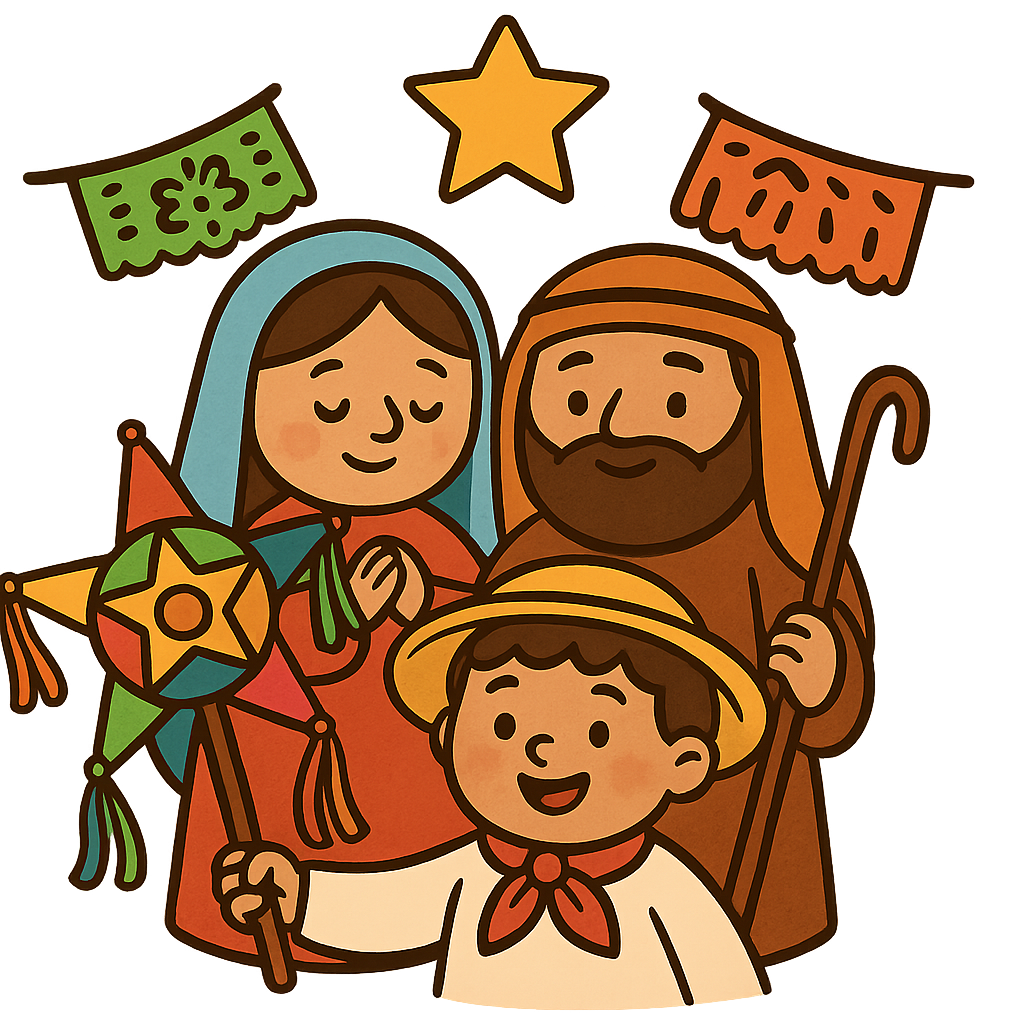
I am Las Posadas, a religious festival that unfolds over nine nights in the time leading up to Christmas. In Spanish, my name means “The Inns” or “The Lodgings,” which points directly to the story people tell when they observe me. My purpose is to commemorate the journey of Mary and Joseph from their home in Nazareth to the town of Bethlehem. According to the Christian Bible, they searched for a safe and welcoming place for their son, Jesus, to be born, but were turned away from many inns. Each night, participants in my traditions reenact this search for shelter and hospitality.
My nine-night journey begins on the evening of December 16th and concludes on December 24th, which is Christmas Eve. This timing is very specific and full of meaning for those who celebrate. Each of my nine consecutive nights is said to represent one month of Mary’s pregnancy. This structure transforms me into a special kind of countdown, building anticipation for Christmas Day while reflecting on the long period of waiting that came before it. The observance is a daily commitment for over a week, weaving my story into the fabric of the community during the holiday season.
My history is rooted in the colonial period of Mexico, which was then known as New Spain. The earliest forms of my celebration began in the late 16th century, introduced by Spanish Catholic missionaries. Augustinian friars, in particular, were instrumental in shaping my early traditions. Their primary goal was to teach the narrative of Christmas to the indigenous peoples of the region in a way that was engaging and memorable. To do this, they adapted existing cultural practices. My nine-day structure was designed to replace an important Aztec festival that honored the god Huitzilopochtli during the winter solstice. By creating a new Christian celebration during the same time, the missionaries provided a bridge from one belief system to another, which eventually grew into the unique festival I am today.
Las Posadas: A Nine-Night Journey
I am Las Posadas, a religious festival that unfolds over nine nights in the time leading up to Christmas. In Spanish, my name means “The Inns” or “The Lodgings,” which points directly to the story people tell when they observe me. My purpose is to commemorate the journey of Mary and Joseph from their home in Nazareth to the town of Bethlehem. According to the Christian Bible, they searched for a safe and welcoming place for their son, Jesus, to be born, but were turned away from many inns. Each night, participants in my traditions reenact this search for shelter and hospitality.
My nine-night journey begins on the evening of December 16th and concludes on December 24th, which is Christmas Eve. This timing is very specific and full of meaning for those who celebrate. Each of my nine consecutive nights is said to represent one month of Mary’s pregnancy. This structure transforms me into a special kind of countdown, building anticipation for Christmas Day while reflecting on the long period of waiting that came before it. The observance is a daily commitment for over a week, weaving my story into the fabric of the community during the holiday season.
My history is rooted in the colonial period of Mexico, which was then known as New Spain. The earliest forms of my celebration began in the late 16th century, introduced by Spanish Catholic missionaries. Augustinian friars, in particular, were instrumental in shaping my early traditions. Their primary goal was to teach the narrative of Christmas to the indigenous peoples of the region in a way that was engaging and memorable. To do this, they adapted existing cultural practices. My nine-day structure was designed to replace an important Aztec festival that honored the god Huitzilopochtli during the winter solstice. By creating a new Christian celebration during the same time, the missionaries provided a bridge from one belief system to another, which eventually grew into the unique festival I am today.
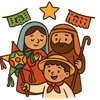
The heart of my observance is a procession, or procesión, that takes place each evening. A group of neighbors gathers to walk through their community, creating a moving scene of light and song in the twilight. They represent the pilgrims, or los peregrinos, who traveled with Mary and Joseph. Often, two children are chosen to lead the procession, dressed in costumes to portray the holy couple. Participants carry lighted candles to illuminate their path and often carry small statues of Mary and Joseph. This walk is not just a parade; it is a shared, symbolic act of searching for shelter, just as the original pilgrims did so long ago.
As the procesión makes its way through the neighborhood, it stops at several pre-selected homes. At each stop, a special musical reenactment takes place. The group of pilgrims standing outside sings a verse from a traditional song, pleading for a room at the inn. From inside the house, another group representing the innkeepers sings a response, refusing them entry. This beautiful and sometimes somber call-and-response continues from door to door. The moment of rejection is repeated, building a sense of the pilgrims’ struggle until the procession finally arrives at the designated host home for the night. There, the song changes, and the innkeepers joyfully welcome the weary travelers inside.
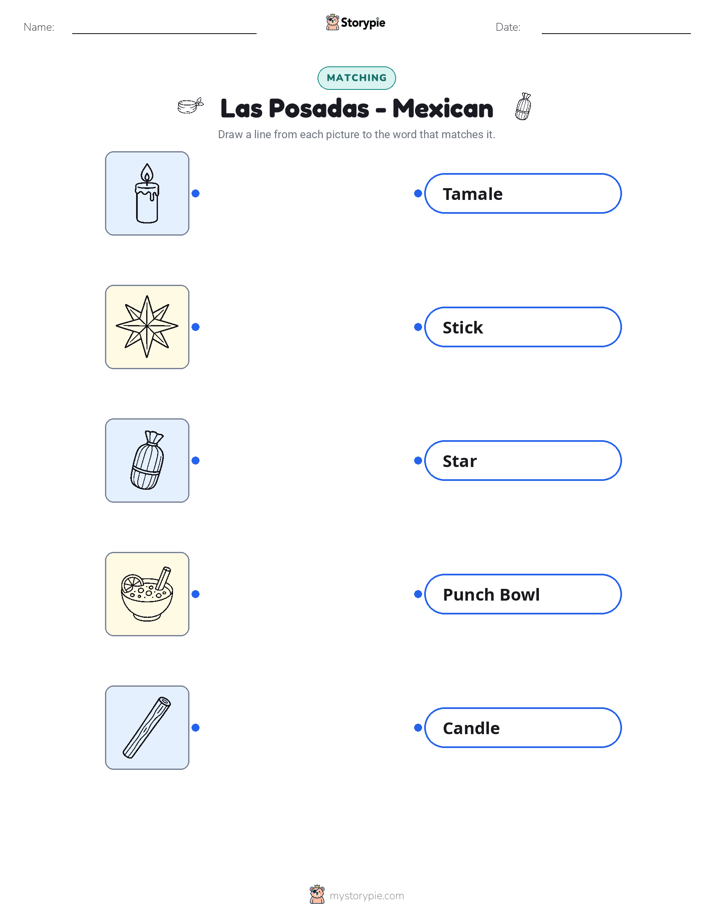
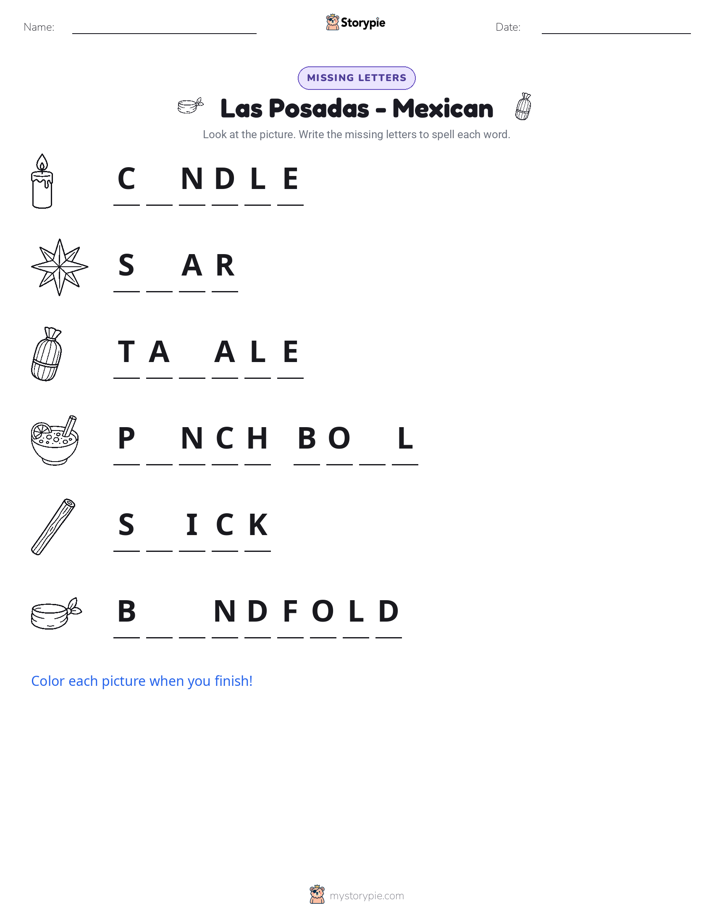
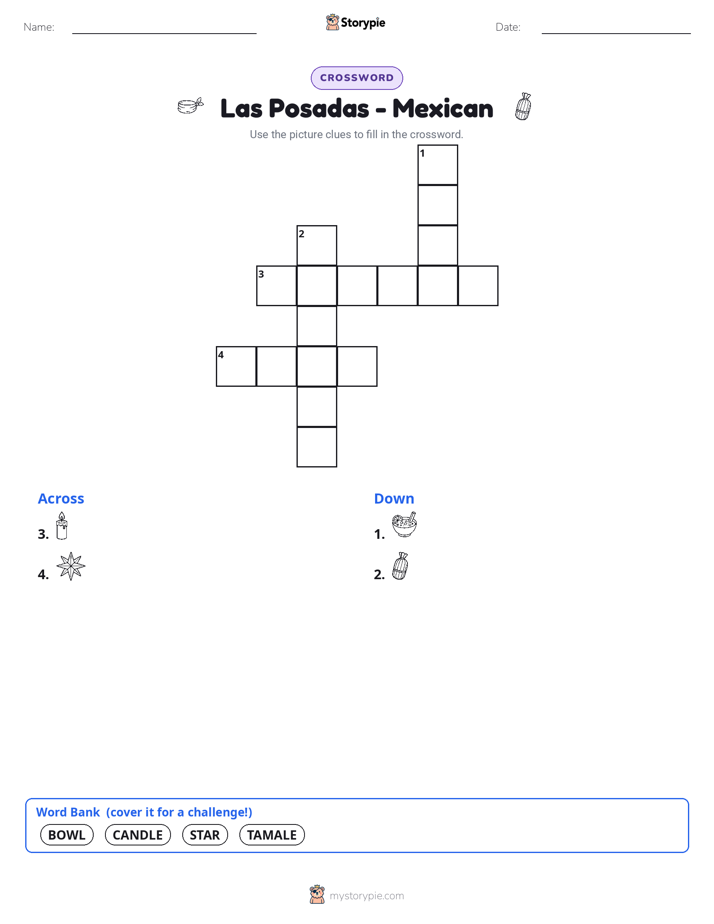
Once the pilgrims are finally granted entry, the tone shifts from solemn reenactment to joyful celebration. The host family opens its doors, and the house fills with neighbors, friends, and family. It becomes a festive party, or fiesta, where the community can relax and connect. The hosts generously share food and drink. Traditional treats often include tamales, which are corn-dough pockets filled with meat or cheese, and ponche, a warm, spiced fruit punch that is perfect for a cool December evening. This part of my tradition emphasizes the importance of community, friendship, and the joy that comes from offering hospitality to others.
A favorite moment during the evening’s celebration, especially for children, is the breaking of a piñata. My traditional piñata is not just any shape; it is a brightly decorated star with seven distinct points. This design is rich with symbolism. The seven points are said to represent the seven deadly sins. A child is blindfolded, representing faith that must be guided by belief rather than sight, and given a stick to hit the piñata. The act of breaking it symbolizes the triumph of faith and good over evil. When the piñata breaks, candy and fruit spill out, representing the sweet blessings of God that are a reward for overcoming temptation.
Today, I remain a cherished and lively tradition, connecting people to their faith and to each other. I am celebrated throughout Mexico, in many other parts of Latin America, and by Hispanic communities across the United States. While my core elements—the nightly processions, the special songs, and the final celebrations—have endured for centuries, my observance is not exactly the same everywhere. Families and communities often add their own unique customs and favorite foods. In this way, my spirit of seeking and providing shelter continues to be renewed, keeping the timeless values of hospitality, community, and faith alive in the modern world.
Wow facts
About
A nine-day Christmas celebration originating in Mexico that commemorates Mary and Joseph's journey to Bethlehem and their search for lodging.
Take a Quiz
Question 1 of 5
In your own words, describe the journey of the 'procesión' from when it begins to when it is welcomed into the host's home.
Want to do even more?
Go beyond exploring. Unlock tools that turn every story into real learning.

Storypie Plus for families
Full stories, quizzes, and printables. Nights and car rides, sorted.
- Unlimited audio stories
- Create Mode: your child stars in the story
- Offline downloads
- Printable worksheets & coloring pages

Why Storypie for Schools
Students engaged. Prep in seconds. Evenings back to you.
- Worksheets & Quizzes
- Classroom Management
- Formative Assessment
- Custom Curriculum & Lesson Plans
- 27 Languages

Why Storypie for Homeschool
Curriculum done. They'll ask for more. Hours back in your day.
- Worksheet Generator
- First-Person Audio Stories
- Built-in Comprehension Quizzes
- Custom Curriculum & Lesson Plans
- Print & Go Activities