English

Las Posadas - Mexican
A nine-day Christmas celebration originating in Mexico that commemorates Mary and Joseph's journey to…
Reads at Grades 3–5 Listens at Grades 1–5
Print & create
Answer keys·No prep·Free with an account
28 worksheets · answer keys · full story · quiz · Ages 8-10 · CEFR B1
Plus adds 279,000+ more stories in 27 languages, audio for every one, and printables for all of them.
Just want Las Posadas - Mexican?
Hello! I am Las Posadas, a nine-day Christmas celebration that holds a special place in many communities. My name means 'The Inns' in Spanish, and it gives a clue about the story I help people remember. I commemorate the journey described in the Christian Bible of Mary and Joseph traveling from their home in Nazareth to the town of Bethlehem. According to the story, they were searching for a safe and welcoming place—an inn—for their baby, Jesus, to be born. My traditions reenact this search for shelter over nine consecutive nights, telling a story of hope and hospitality.
My history begins in Mexico during the late 1500s. It was a time when Spanish Catholic missionaries were looking for ways to share the stories of their faith with the native Aztec people. To teach the story of Christmas, they introduced a series of nine special outdoor masses. These services were designed to lead up to Christmas Day. Over many years, these religious observances began to change. They grew from formal masses into the lively community events people recognize today, complete with processions that move through neighborhoods and festive parties held in homes.
People observe me each year for nine nights, beginning on December 16th and ending on December 24th, Christmas Eve. This nine-night structure is very important and full of meaning for those who participate. In the Christian tradition, many believe that each of the nine nights represents one month that Mary was pregnant before Jesus was born. This belief makes the nine-day reenactment of her long and difficult journey to Bethlehem even more significant, honoring the time of waiting and anticipation.
The Nine-Night Journey of Las Posadas
Hello! I am Las Posadas, a nine-day Christmas celebration that holds a special place in many communities. My name means 'The Inns' in Spanish, and it gives a clue about the story I help people remember. I commemorate the journey described in the Christian Bible of Mary and Joseph traveling from their home in Nazareth to the town of Bethlehem. According to the story, they were searching for a safe and welcoming place—an inn—for their baby, Jesus, to be born. My traditions reenact this search for shelter over nine consecutive nights, telling a story of hope and hospitality.
My history begins in Mexico during the late 1500s. It was a time when Spanish Catholic missionaries were looking for ways to share the stories of their faith with the native Aztec people. To teach the story of Christmas, they introduced a series of nine special outdoor masses. These services were designed to lead up to Christmas Day. Over many years, these religious observances began to change. They grew from formal masses into the lively community events people recognize today, complete with processions that move through neighborhoods and festive parties held in homes.
People observe me each year for nine nights, beginning on December 16th and ending on December 24th, Christmas Eve. This nine-night structure is very important and full of meaning for those who participate. In the Christian tradition, many believe that each of the nine nights represents one month that Mary was pregnant before Jesus was born. This belief makes the nine-day reenactment of her long and difficult journey to Bethlehem even more significant, honoring the time of waiting and anticipation.
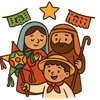
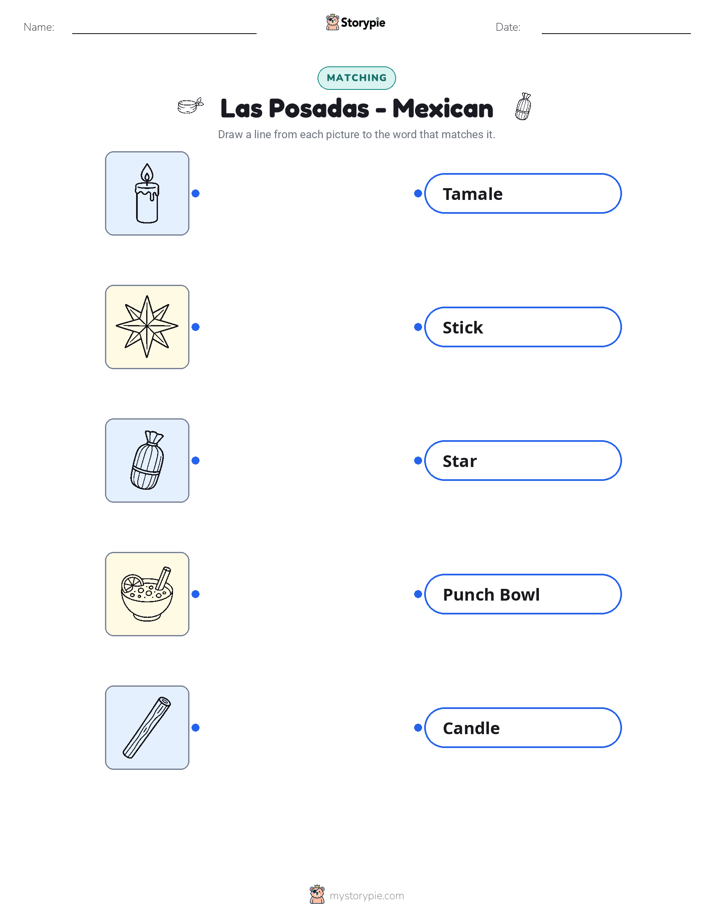
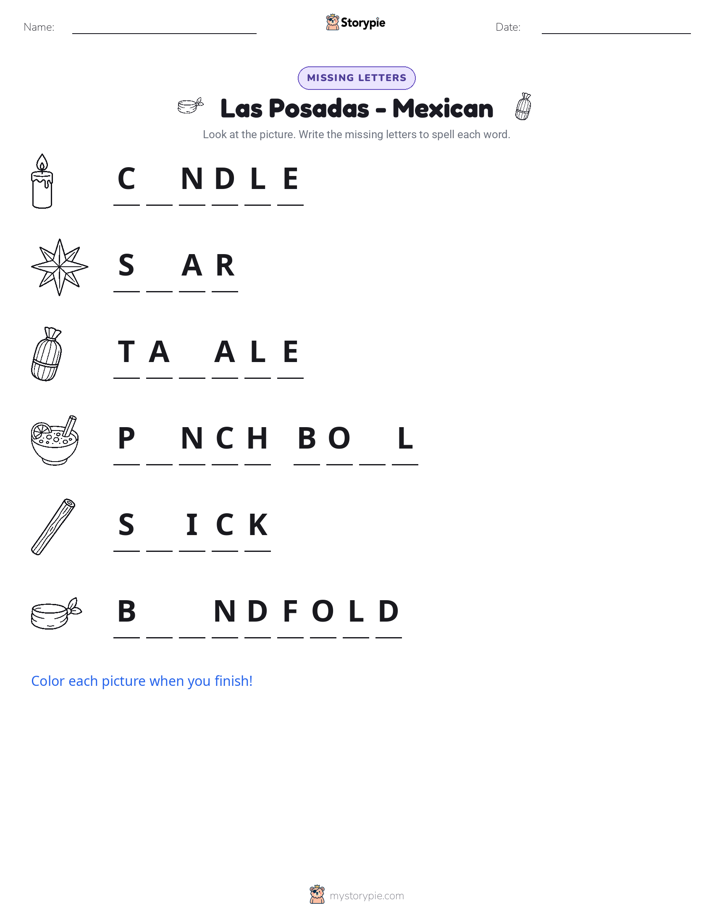
The heart of my celebration is the nightly procession. After dark, groups of children and adults gather to take part. They become 'peregrinos,' a Spanish word for pilgrims, acting out the roles of Mary and Joseph on their search. To light their way, participants often carry candles, which create a warm glow in the evening streets. Some also carry small statues of Mary and Joseph to represent the travelers. As they walk through their neighborhoods, the peregrinos sing special songs that tell their story and ask for a place to stay for the night.
As the procession of pilgrims moves along its path, it stops at several pre-selected houses. At each door, the people outside sing a song, asking the 'innkeeper' for a room. From inside the house, another group sings a reply, explaining that there is no space and that the travelers must move on. This call-and-response happens a few times, reenacting the difficulty Mary and Joseph faced. Finally, the procession arrives at the designated host home for that evening. Here, the song changes. The innkeepers inside joyfully sing that they have room, and they open their doors to welcome everyone inside for a celebration.
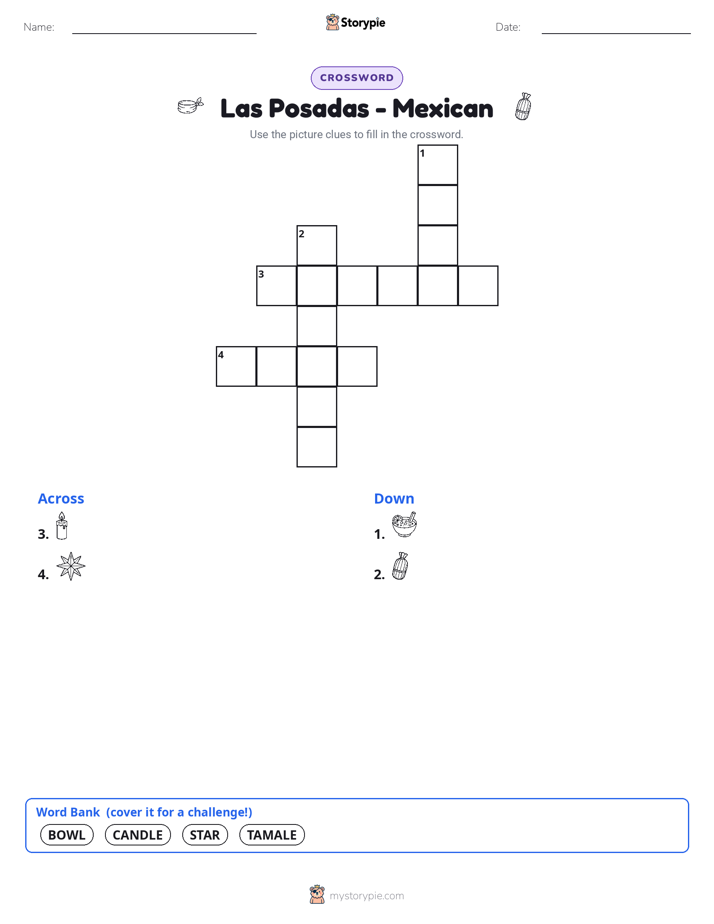
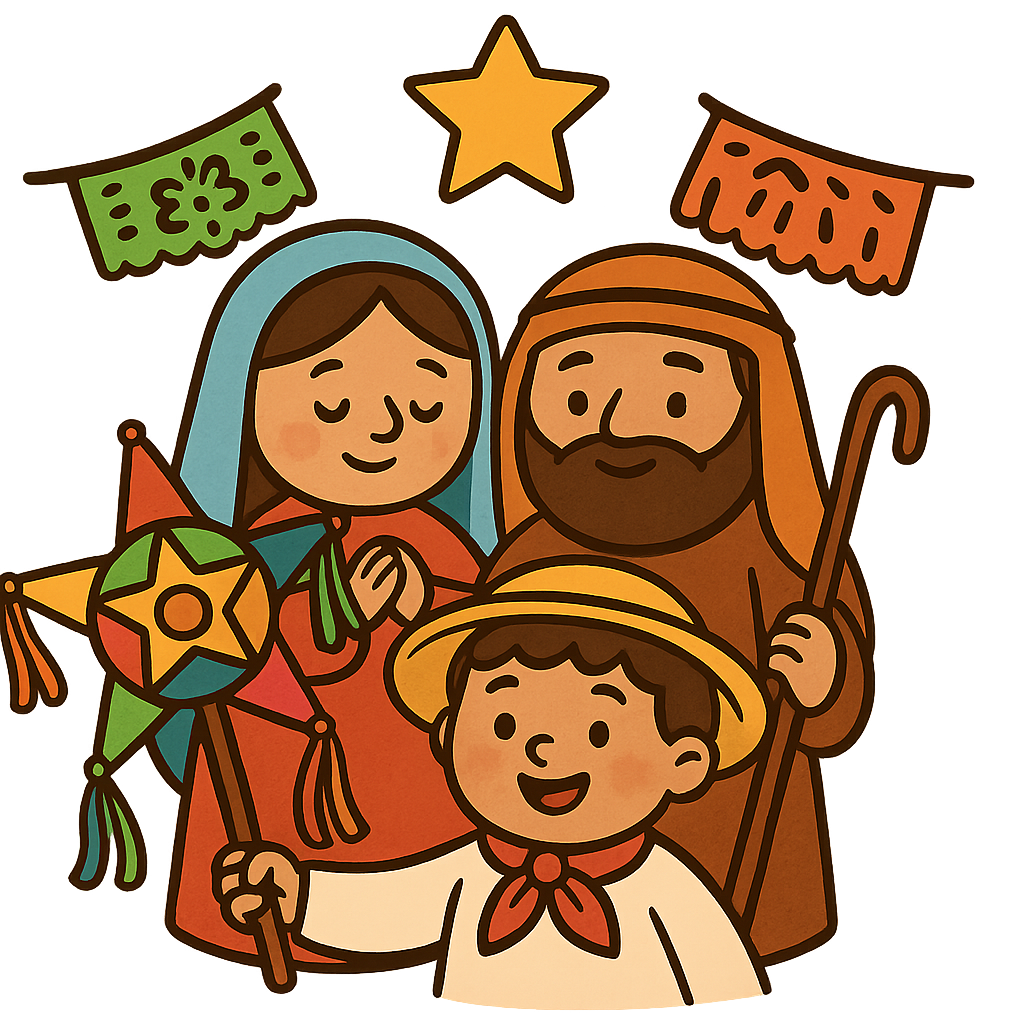
Once the pilgrims are welcomed into the host's home, the formal part of the evening ends and a festive party begins. One of my most popular traditions is the breaking of a piñata. The piñata is often made in the shape of a seven-pointed star. In the Catholic tradition, this star shape is a symbol for the seven deadly sins. When participants break the piñata, it represents good winning over evil. After the piñata is broken and candy spills out for the children, everyone enjoys festive foods. Popular treats include savory tamales and a warm, spiced fruit punch called ponche, which people share as they celebrate together.
Wow facts
About
A nine-day Christmas celebration originating in Mexico that commemorates Mary and Joseph's journey to Bethlehem and their search for lodging.
Take a Quiz
Question 1 of 5
In the story, what does the word 'commemorate' mean?
Want to do even more?
Go beyond exploring. Unlock tools that turn every story into real learning.

Storypie Plus for families
Full stories, quizzes, and printables. Nights and car rides, sorted.
- Unlimited audio stories
- Create Mode: your child stars in the story
- Offline downloads
- Printable worksheets & coloring pages

Why Storypie for Schools
Students engaged. Prep in seconds. Evenings back to you.
- Worksheets & Quizzes
- Classroom Management
- Formative Assessment
- Custom Curriculum & Lesson Plans
- 27 Languages

Why Storypie for Homeschool
Curriculum done. They'll ask for more. Hours back in your day.
- Worksheet Generator
- First-Person Audio Stories
- Built-in Comprehension Quizzes
- Custom Curriculum & Lesson Plans
- Print & Go Activities