English

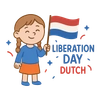
Liberation Day - Dutch
Liberation Day (Bevrijdingsdag) is a national holiday in the Netherlands celebrated annually on May 5th to…
Reads at Grades 3–5 Listens at Grades 1–5
Print & create
Answer keys·No prep·Free with an account
28 worksheets · answer keys · full story · quiz · Ages 8-10 · CEFR B1
Plus adds 279,000+ more stories in 27 languages, audio for every one, and printables for all of them.
Just want Liberation Day - Dutch?
I am Liberation Day, known as Bevrijdingsdag in the Dutch language. My story is one of joy and remembrance, and it begins on a very important date in the history of the Netherlands: May 5th, 1945. This was the day that marked the end of a long and difficult period for the country during World War II. For five years, the Netherlands had been under foreign occupation, a time of hardship and struggle. But on that spring day, the German forces that had controlled the country officially surrendered to the Allied forces who had come to help. This act of surrender was a moment of profound relief and happiness. It meant that the war in the Netherlands was over, and its people were free once again. As news spread, spontaneous celebrations erupted in streets and towns all across the nation.
My purpose is to celebrate that precious freedom and to serve as a yearly reminder that it should never be taken for granted. While I am a day of great joy, my observance is deeply connected to a more serious and reflective day that comes just before me. On May 4th, the people of the Netherlands observe Remembrance Day. It is a quiet, solemn time when they pause to remember all the soldiers and civilians who lost their lives in wars and conflicts. Then, when the sun rises on May 5th, the mood shifts completely. The quiet reflection of the day before gives way to my cheerful and vibrant events. This sharp contrast is intentional; the celebration of peace and liberty feels even more meaningful because it follows a moment of remembering the great cost at which that freedom was won.
Liberation Day: A Story of Freedom in the Netherlands
I am Liberation Day, known as Bevrijdingsdag in the Dutch language. My story is one of joy and remembrance, and it begins on a very important date in the history of the Netherlands: May 5th, 1945. This was the day that marked the end of a long and difficult period for the country during World War II. For five years, the Netherlands had been under foreign occupation, a time of hardship and struggle. But on that spring day, the German forces that had controlled the country officially surrendered to the Allied forces who had come to help. This act of surrender was a moment of profound relief and happiness. It meant that the war in the Netherlands was over, and its people were free once again. As news spread, spontaneous celebrations erupted in streets and towns all across the nation.
My purpose is to celebrate that precious freedom and to serve as a yearly reminder that it should never be taken for granted. While I am a day of great joy, my observance is deeply connected to a more serious and reflective day that comes just before me. On May 4th, the people of the Netherlands observe Remembrance Day. It is a quiet, solemn time when they pause to remember all the soldiers and civilians who lost their lives in wars and conflicts. Then, when the sun rises on May 5th, the mood shifts completely. The quiet reflection of the day before gives way to my cheerful and vibrant events. This sharp contrast is intentional; the celebration of peace and liberty feels even more meaningful because it follows a moment of remembering the great cost at which that freedom was won.
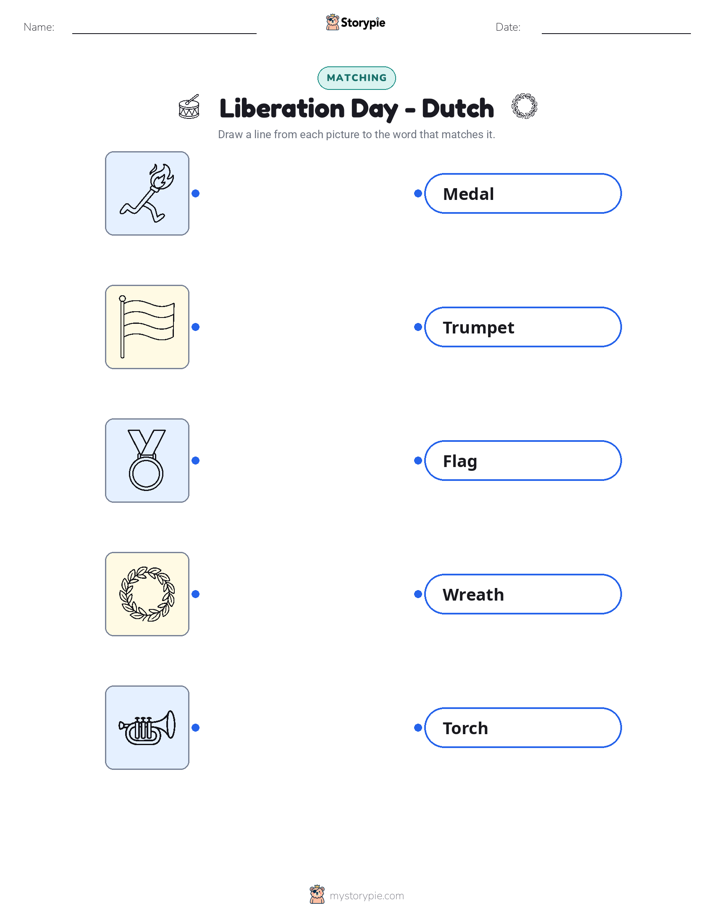
Each year, my celebrations begin with a powerful and symbolic tradition: the lighting of the Liberation Flame. This special ceremony takes place in the city of Wageningen. This city holds a special place in my history because it is where the document of surrender was officially signed back in 1945. In the middle of the night between May 4th and May 5th, a central flame is lit. From this single fire, hundreds of torches are lit. Groups of runners, participating in a massive relay race, then begin their journey. They run through the night, carrying the glowing torches from Wageningen to their own towns and cities all over the Netherlands. The arrival of this flame in each community signals the official start of the local festivities, physically connecting every celebration back to that one historical place and moment.
Once the flames arrive, people celebrate me with music, festivals, and community gatherings all over the country. The most well-known of these events are the fourteen official music festivals, called 'Bevrijdingsfestivals.' These festivals are large, open-air concerts, and they are completely free for everyone to attend, which reflects the spirit of freedom I represent. A special honor is given to a few famous Dutch artists each year, who are chosen to be 'Ambassadors of Freedom.' These ambassadors have a very exciting job. They travel between the different festival locations by helicopter, allowing them to perform for huge crowds in several cities on the same day. Through their music and presence, they help spread the message of freedom and connect the separate celebrations into one unified, nationwide event.
Today, I am an official national holiday observed every single year. Since 1990, my date, May 5th, has been recognized as a day when most people have time off from work, giving them the chance to participate fully in my traditions. My observance is not limited to just one day of festivities. In the days leading up to May 5th, my story and meaning are shared in classrooms across the country. Teachers hold special lessons about World War II and discuss with their students why freedom is so important. This helps ensure that new generations understand the history behind the celebration. My events officially conclude in the evening with a grand, televised concert held on the Amstel river in the capital city of Amsterdam. This final celebration is a major national event, and it is often attended by the King and Queen of the Netherlands, bringing my day of joy and remembrance to a close.
Wow facts
About
Liberation Day (Bevrijdingsdag) is a national holiday in the Netherlands celebrated annually on May 5th to mark the end of the Nazi German occupation during World War II. However, whether it is a day off for employees depends on their collective labour agreement (CAO) or employment contract.
Take a Quiz
Question 1 of 5
What is the special meaning of the city of Wageningen in the celebration of Liberation Day?
Want to do even more?
Go beyond exploring. Unlock tools that turn every story into real learning.

Storypie Plus for families
Full stories, quizzes, and printables. Nights and car rides, sorted.
- Unlimited audio stories
- Create Mode: your child stars in the story
- Offline downloads
- Printable worksheets & coloring pages

Why Storypie for Schools
Students engaged. Prep in seconds. Evenings back to you.
- Worksheets & Quizzes
- Classroom Management
- Formative Assessment
- Custom Curriculum & Lesson Plans
- 27 Languages

Why Storypie for Homeschool
Curriculum done. They'll ask for more. Hours back in your day.
- Worksheet Generator
- First-Person Audio Stories
- Built-in Comprehension Quizzes
- Custom Curriculum & Lesson Plans
- Print & Go Activities