English

Malanka - Ukrainian
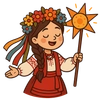
Malanka is a Ukrainian folk holiday celebrated on January 13th, the New Year's Eve of the Julian calendar…
Reads at Grades 6–8 Listens at Grades 4–8
Print & create
Answer keys·No prep·Free with an account
28 worksheets · answer keys · full story · quiz · Ages 10-12 · CEFR B2
Plus adds 279,000+ more stories in 27 languages, audio for every one, and printables for all of them.
Just want Malanka - Ukrainian?
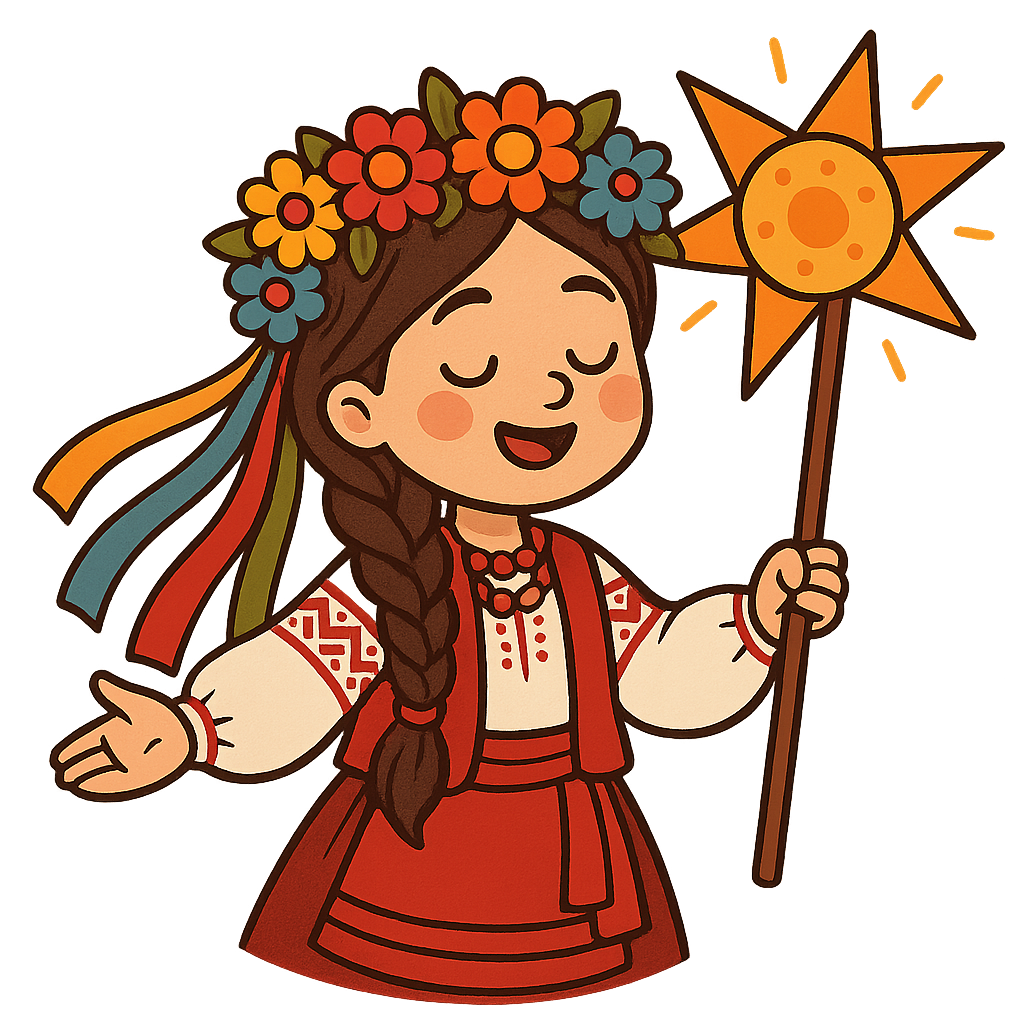
I am Malanka, a Ukrainian folk holiday that fills the night with music, laughter, and vibrant costumes. People celebrate me on January 13th, a date that marks New Year's Eve according to the Julian calendar, an older calendar still used for some cultural and religious observances. My celebrations are a powerful and joyful way for communities to say a final goodbye to the old year's challenges and to welcome the new one with great hope and excitement. The air during my observance is thick with anticipation, as people prepare for a night of performance, feasting, and ancient traditions designed to ensure a prosperous year ahead.
My roots are ancient, stretching back to a time long before Christianity arrived in the lands that are now modern Ukraine. Many of my oldest and most cherished traditions are directly connected to pre-Christian beliefs about the natural world. These early practices were deeply tied to the turning of the seasons. As winter held the land in its cold grip, people performed rituals meant to frighten away dark spirits they associated with the cold and darkness. My celebrations were a way to confront the harshness of winter with noise, light, and community spirit, and to actively welcome the promise of spring, with its warmth, new growth, and the rebirth of life.
Over the centuries, as new beliefs took hold, my identity evolved. When Christianity spread through the region, my ancient folk traditions began to blend with new stories and saints. My name, Malanka, is linked to a Christian figure, Saint Melania the Younger. Her feast day is observed on December 31st in the Julian calendar. Because the Julian calendar is 13 days behind the Gregorian calendar used by most of the world today, her feast day falls on January 13th. This is why people celebrate me on this specific night. It has become known as 'Old New Year's Eve,' a special occasion that connects modern celebrations to a much older way of marking time.
Malanka: A Ukrainian New Year's Celebration
I am Malanka, a Ukrainian folk holiday that fills the night with music, laughter, and vibrant costumes. People celebrate me on January 13th, a date that marks New Year's Eve according to the Julian calendar, an older calendar still used for some cultural and religious observances. My celebrations are a powerful and joyful way for communities to say a final goodbye to the old year's challenges and to welcome the new one with great hope and excitement. The air during my observance is thick with anticipation, as people prepare for a night of performance, feasting, and ancient traditions designed to ensure a prosperous year ahead.
My roots are ancient, stretching back to a time long before Christianity arrived in the lands that are now modern Ukraine. Many of my oldest and most cherished traditions are directly connected to pre-Christian beliefs about the natural world. These early practices were deeply tied to the turning of the seasons. As winter held the land in its cold grip, people performed rituals meant to frighten away dark spirits they associated with the cold and darkness. My celebrations were a way to confront the harshness of winter with noise, light, and community spirit, and to actively welcome the promise of spring, with its warmth, new growth, and the rebirth of life.
Over the centuries, as new beliefs took hold, my identity evolved. When Christianity spread through the region, my ancient folk traditions began to blend with new stories and saints. My name, Malanka, is linked to a Christian figure, Saint Melania the Younger. Her feast day is observed on December 31st in the Julian calendar. Because the Julian calendar is 13 days behind the Gregorian calendar used by most of the world today, her feast day falls on January 13th. This is why people celebrate me on this specific night. It has become known as 'Old New Year's Eve,' a special occasion that connects modern celebrations to a much older way of marking time.
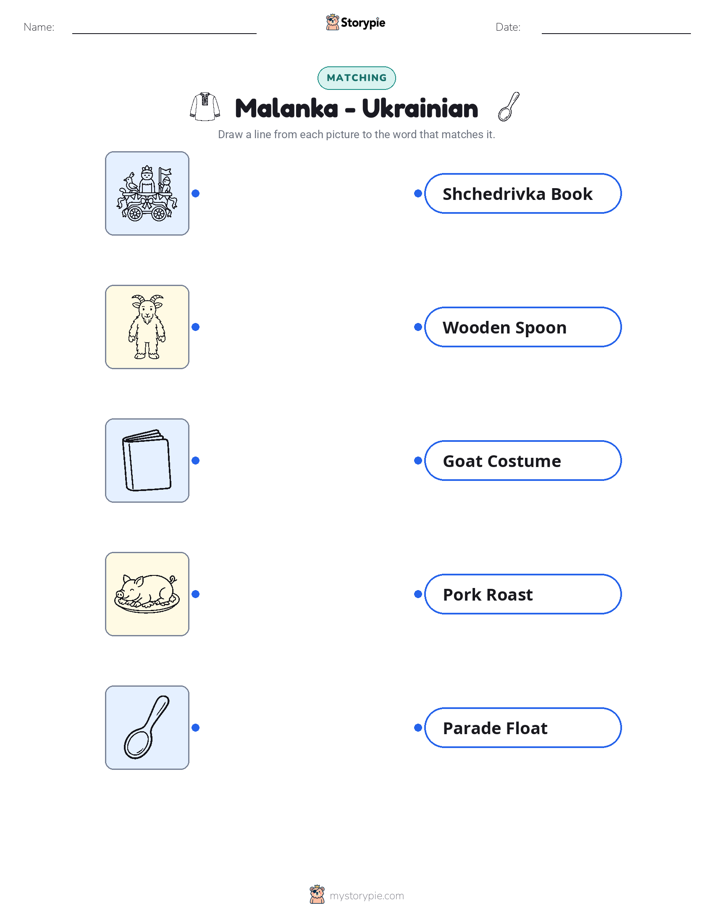
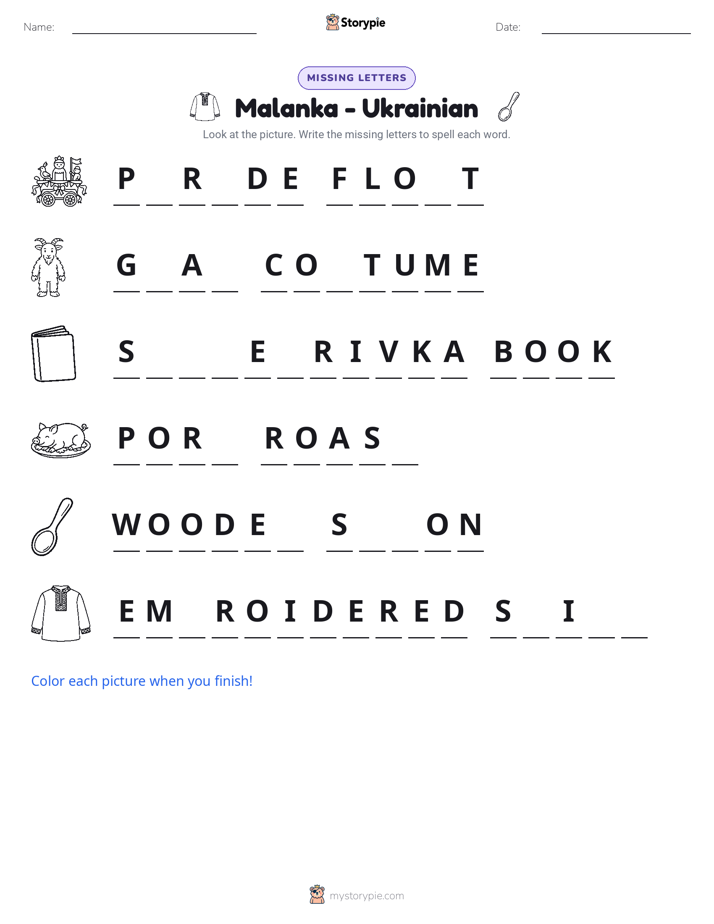
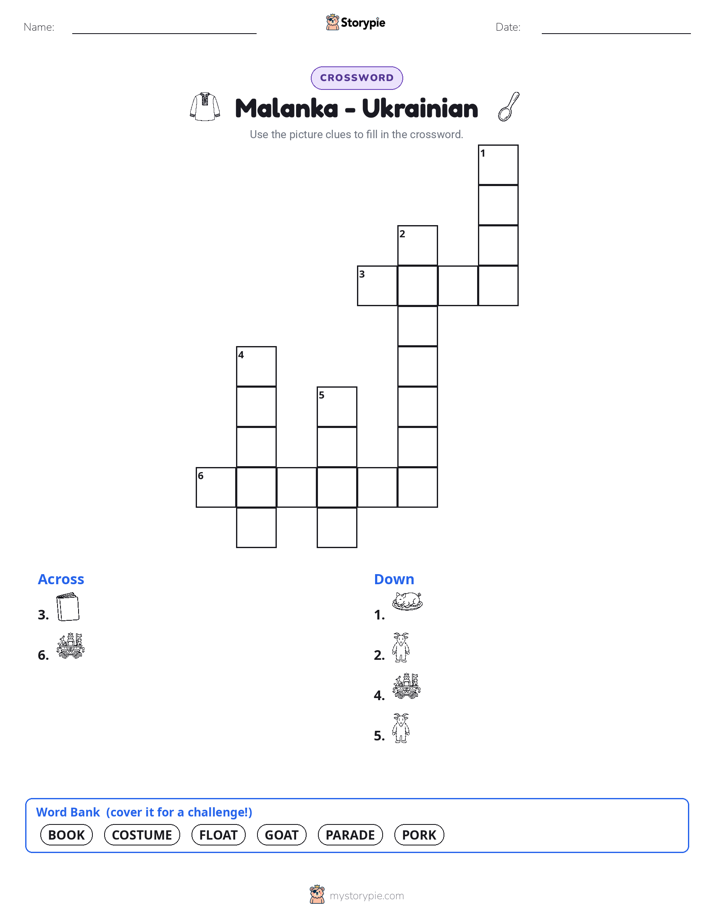
One of the most thrilling and visual parts of my celebration is the parade of costumed characters. These aren't just simple costumes; they are elaborate and symbolic representations of different forces in the world. The central character is Malanka herself, who represents the old year. In a playful twist, this role is often performed by a young man dressed as a girl. He is accompanied by Vasyl, who represents the coming new year. They are joined by a whole cast of other figures. The Old Man and Old Woman symbolize ancestors, while a goat costume is worn to represent wishes for a fertile land and a good harvest. A person dressed as a bear signifies strength, and a mischievous devil character is included so that he can be theatrically chased away, symbolizing the triumph of good over evil.
These groups of costumed performers, known as koliadnyky or malankari, form a lively procession that travels through their village. They go from house to house, bringing their unique brand of entertainment to each doorstep. Their arrival is announced by music and singing. They perform special songs called shchedrivky, which translates to 'generous songs.' These songs are filled with good wishes for the family, blessing their home, their health, and their farm animals for the coming year. The performers also put on funny skits and play harmless pranks, filling the night with laughter. In gratitude for the good wishes and entertainment, the homeowners give the performers gifts of food, drinks, or sometimes money, continuing the cycle of generosity.
My celebration is also a time for feasting. The evening is called Shchedryi Vechir, which means 'Generous Eve,' and the name perfectly describes the meal that families share. After a period of fasting for other holidays, this meal is meant to be abundant and rich, a symbol of the prosperity and plenty that everyone hopes for in the new year. Tables are laden with many different dishes. Unlike the traditional meatless Christmas Eve supper, the feast of Shchedryi Vechir often features a variety of meat dishes. Pork is a very traditional centerpiece, as it symbolizes wealth and good fortune. The generosity of the meal is a reflection of the generosity of spirit that defines my observance.
Today, I am celebrated with as much enthusiasm as ever. My traditions are kept alive not only in the small villages where they originated but also in large, modern cities across Ukraine. Furthermore, Ukrainian communities around the world continue to observe me, carrying my customs to new lands. Some places have become famous for the scale of their celebrations. The village of Krasnoilsk in western Ukraine, for instance, is known for its immense, carnivalesque parades that draw thousands of visitors who come to witness the spectacular costumes and energetic performances. While some details of the traditions may have changed over time and from place to place, my fundamental spirit remains the same: a joyful, noisy, and heartfelt celebration to usher in the new year with optimism and community strength.
Wow facts
About
Malanka is a Ukrainian folk holiday celebrated on January 13th, the New Year's Eve of the Julian calendar, featuring costumed parades, folk plays, and caroling to wish for a prosperous new year.
Take a Quiz
Question 1 of 5
The story explains that the songs sung during Malanka are called 'shchedrivky' or 'generous songs'. Why is the word 'generous' a fitting description?
Want to do even more?
Go beyond exploring. Unlock tools that turn every story into real learning.

Storypie Plus for families
Full stories, quizzes, and printables. Nights and car rides, sorted.
- Unlimited audio stories
- Create Mode: your child stars in the story
- Offline downloads
- Printable worksheets & coloring pages

Why Storypie for Schools
Students engaged. Prep in seconds. Evenings back to you.
- Worksheets & Quizzes
- Classroom Management
- Formative Assessment
- Custom Curriculum & Lesson Plans
- 27 Languages

Why Storypie for Homeschool
Curriculum done. They'll ask for more. Hours back in your day.
- Worksheet Generator
- First-Person Audio Stories
- Built-in Comprehension Quizzes
- Custom Curriculum & Lesson Plans
- Print & Go Activities