English

Nochevieja - Spanish
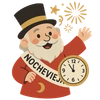
Nochevieja is the Spanish celebration of New Year's Eve on December 31st…
Reads at Grades 6–8 Listens at Grades 4–8
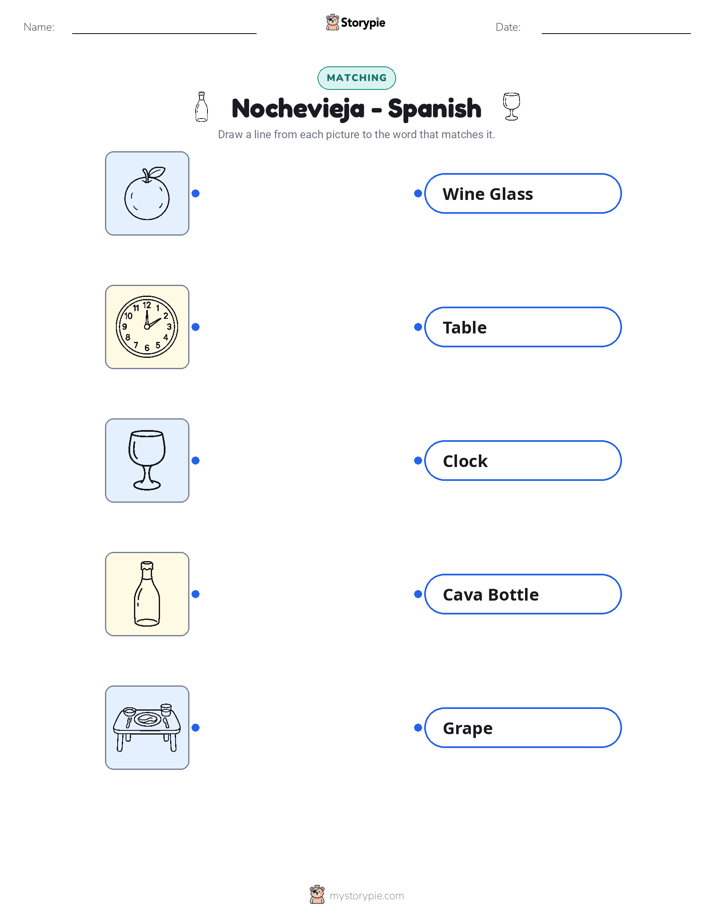
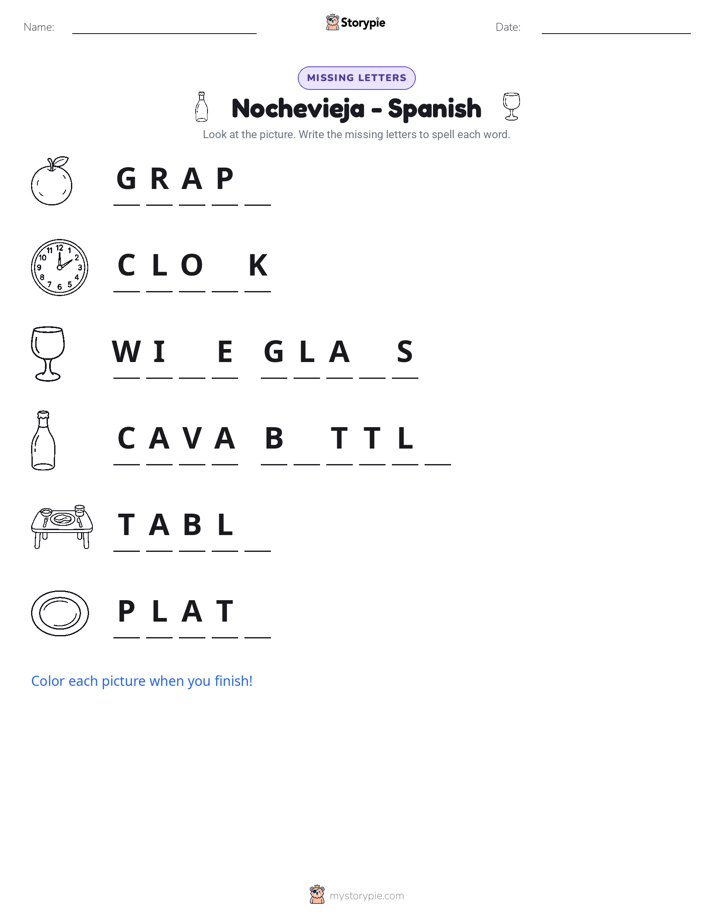
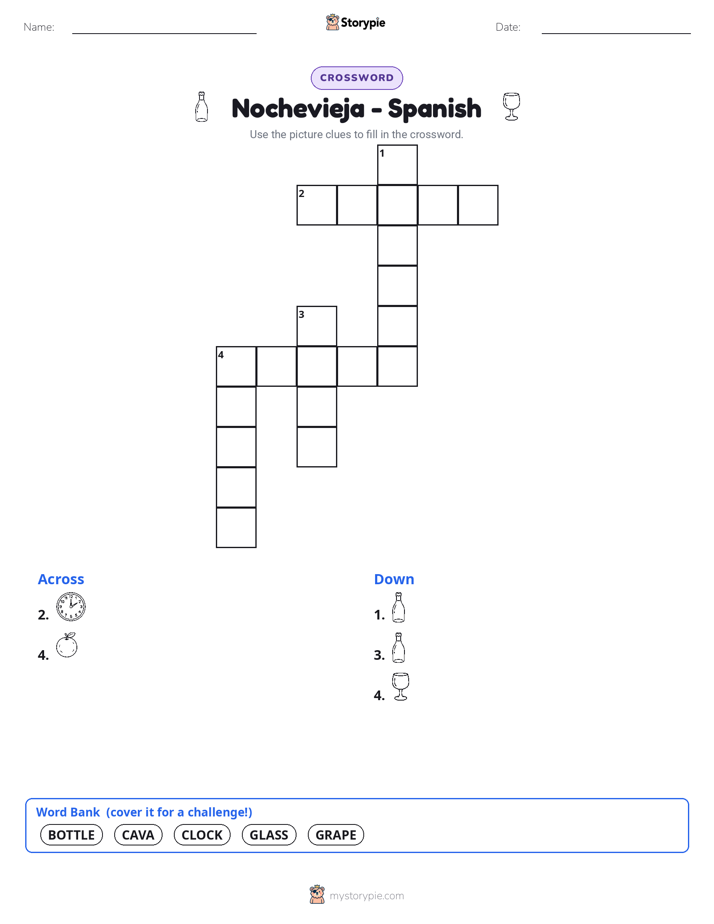
Print & create
Answer keys·No prep·Free with an account
28 worksheets · answer keys · full story · quiz · Ages 10-12 · CEFR B2
Plus adds 279,000+ more stories in 27 languages, audio for every one, and printables for all of them.
Just want Nochevieja - Spanish?
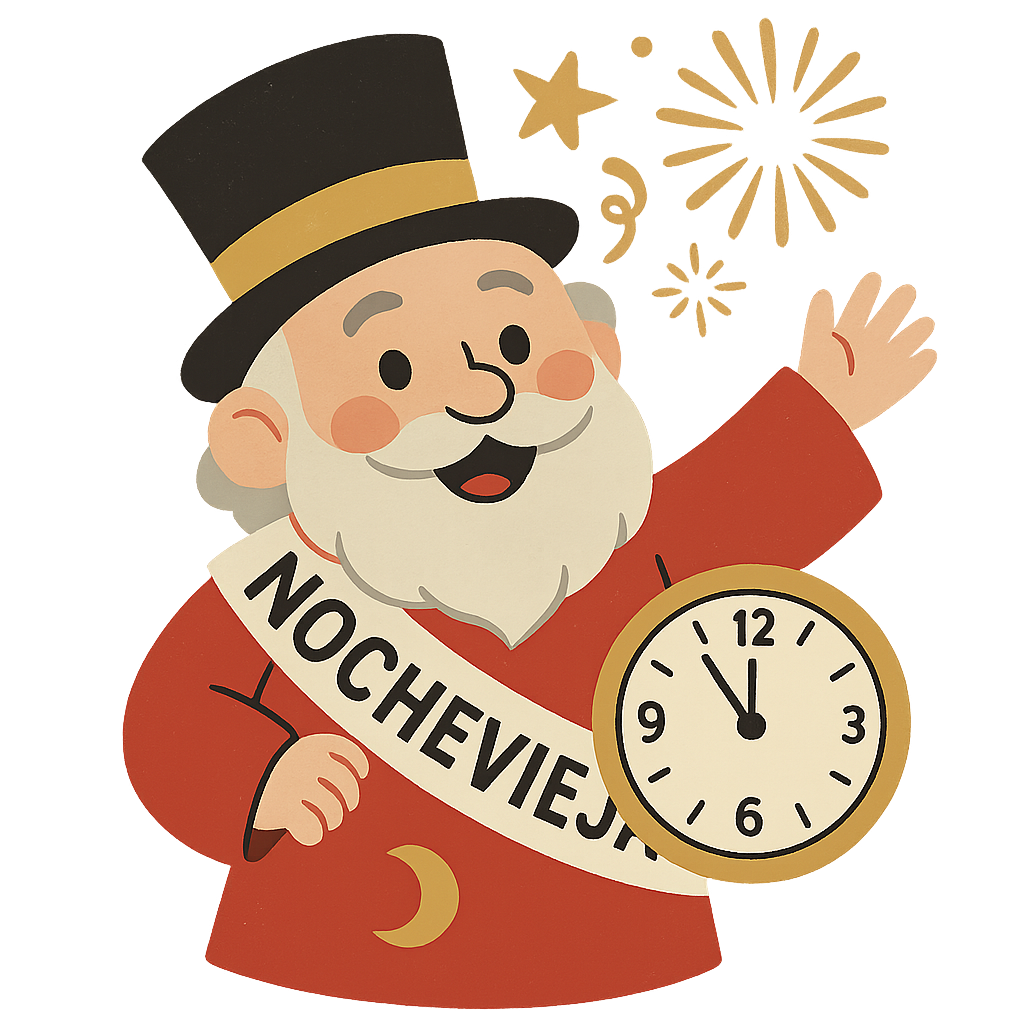
I am Nochevieja, which means 'Old Night' in Spanish. I am the celebration that marks the end of one year and the beginning of another, observed on the final day of the year, December 31st. While people around the world have many ways to greet the new year, my observance in Spain is known for a particularly unique and challenging tradition. This custom is called 'las doce uvas de la suerte,' or 'the twelve grapes of luck.'
As the clock approaches the stroke of midnight, people across the country prepare for this special moment. The tradition requires them to eat one grape for each of the twelve chimes that ring in the new year. This is a fast-paced challenge that is much harder than it might sound! The goal is to swallow all twelve grapes before the final chime finishes ringing. For those who participate, each grape is symbolic, representing a wish for good luck for each of the twelve months of the coming year.
The history of my famous grape-eating custom is connected to Spanish agriculture. The tradition became very popular throughout Spain around 1909. That year, grape growers in the Alicante region had an exceptionally large harvest and needed to find a way to sell their surplus fruit. They successfully promoted the idea of eating twelve grapes at midnight for good luck, and the custom spread across the country.
Before the exciting countdown begins, my observance is a time for family and feasting. Many families gather for a large, special dinner, sharing a final elaborate meal of the year. As midnight draws near, a central focus for many is the clock tower at the Puerta del Sol, a public square in Madrid. Huge crowds gather there, and millions more watch on television as its clock chimes the final seconds of the year. In addition to the grapes, some people follow another tradition for good fortune: wearing new, red underwear.
Nochevieja: The Old Night of Spain
I am Nochevieja, which means 'Old Night' in Spanish. I am the celebration that marks the end of one year and the beginning of another, observed on the final day of the year, December 31st. While people around the world have many ways to greet the new year, my observance in Spain is known for a particularly unique and challenging tradition. This custom is called 'las doce uvas de la suerte,' or 'the twelve grapes of luck.'
As the clock approaches the stroke of midnight, people across the country prepare for this special moment. The tradition requires them to eat one grape for each of the twelve chimes that ring in the new year. This is a fast-paced challenge that is much harder than it might sound! The goal is to swallow all twelve grapes before the final chime finishes ringing. For those who participate, each grape is symbolic, representing a wish for good luck for each of the twelve months of the coming year.
The history of my famous grape-eating custom is connected to Spanish agriculture. The tradition became very popular throughout Spain around 1909. That year, grape growers in the Alicante region had an exceptionally large harvest and needed to find a way to sell their surplus fruit. They successfully promoted the idea of eating twelve grapes at midnight for good luck, and the custom spread across the country.
Before the exciting countdown begins, my observance is a time for family and feasting. Many families gather for a large, special dinner, sharing a final elaborate meal of the year. As midnight draws near, a central focus for many is the clock tower at the Puerta del Sol, a public square in Madrid. Huge crowds gather there, and millions more watch on television as its clock chimes the final seconds of the year. In addition to the grapes, some people follow another tradition for good fortune: wearing new, red underwear.
Once the twelfth grape has been eaten and the clock has officially announced the start of the new year, the celebration erupts. People toast the occasion with glasses of cava, a Spanish sparkling wine. Hugs and kisses are exchanged, and everyone wishes each other '¡Feliz Año Nuevo!', the Spanish for 'Happy New Year!'. Through these shared customs, from the family dinner to the televised countdown and the toast with cava, I represent a moment of unity and hope as people look forward to the year ahead.
Wow facts
About
Nochevieja is the Spanish celebration of New Year's Eve on December 31st, famously marked by the tradition of eating twelve grapes at the stroke of midnight to bring good luck for the year ahead.
Take a Quiz
Question 1 of 5
According to the text, what historical event led to the popularization of the twelve grapes tradition in Spain?
Want to do even more?
Go beyond exploring. Unlock tools that turn every story into real learning.

Storypie Plus for families
Full stories, quizzes, and printables. Nights and car rides, sorted.
- Unlimited audio stories
- Create Mode: your child stars in the story
- Offline downloads
- Printable worksheets & coloring pages

Why Storypie for Schools
Students engaged. Prep in seconds. Evenings back to you.
- Worksheets & Quizzes
- Classroom Management
- Formative Assessment
- Custom Curriculum & Lesson Plans
- 27 Languages

Why Storypie for Homeschool
Curriculum done. They'll ask for more. Hours back in your day.
- Worksheet Generator
- First-Person Audio Stories
- Built-in Comprehension Quizzes
- Custom Curriculum & Lesson Plans
- Print & Go Activities