English

Nowruz
Nowruz is the Persian New Year, an ancient festival celebrating the spring equinox.
Reads at Grades 6–8 Listens at Grades 4–8
Print & create
Answer keys·No prep·Free with an account
28 worksheets · answer keys · full story · quiz · Ages 10-12 · CEFR B2
Plus adds 279,000+ more stories in 27 languages, audio for every one, and printables for all of them.
Just want Nowruz?
I am Nowruz, the ancient festival that welcomes the new year and celebrates the arrival of spring. My name comes from the Persian language and means “New Day,” a name that perfectly captures the spirit of hope and renewal that I bring. My arrival isn't marked by a fixed date on a calendar, but by a precise astronomical event: the vernal equinox. This is the exact moment, usually around March 20th or 21st, when the sun crosses the celestial equator, making day and night nearly equal in length all over the Earth. This beautiful balance in nature signals the end of winter's long nights and the beginning of brighter, longer days. For millions of people across a vast stretch of the world—from Iran and Afghanistan, through Central Asia, and into the Caucasus region—I am a cherished time for fresh starts, deep cleaning, and joyful gatherings.
My history is woven into the fabric of ancient civilizations, with roots stretching back more than 3,000 years. Many of my earliest traditions are connected to Zoroastrianism, one of the world's oldest religions, which began in ancient Persia. In the Zoroastrian worldview, the world is a stage for the struggle between light and darkness, warmth and cold, and good and evil. I represent a triumphant moment in this cycle: the victory of spring’s light and life over the darkness and cold of winter. My arrival was seen as a powerful affirmation that warmth and goodness would always return. Over the centuries, many stories and legends have become associated with me. One such legend connects my origins to the mythical Persian king, Jamshid, who is said to have been carried through the air on a throne of gems, bringing light and prosperity to the world. While stories like these are part of my rich cultural tapestry, the earliest historical records of my observance come from the Achaemenid Empire, which ruled Persia from around 550 to 330 BCE. These ancient accounts describe large-scale celebrations that were likely the early forms of the festival people observe today.
I Am Nowruz, the New Day
I am Nowruz, the ancient festival that welcomes the new year and celebrates the arrival of spring. My name comes from the Persian language and means “New Day,” a name that perfectly captures the spirit of hope and renewal that I bring. My arrival isn't marked by a fixed date on a calendar, but by a precise astronomical event: the vernal equinox. This is the exact moment, usually around March 20th or 21st, when the sun crosses the celestial equator, making day and night nearly equal in length all over the Earth. This beautiful balance in nature signals the end of winter's long nights and the beginning of brighter, longer days. For millions of people across a vast stretch of the world—from Iran and Afghanistan, through Central Asia, and into the Caucasus region—I am a cherished time for fresh starts, deep cleaning, and joyful gatherings.
My history is woven into the fabric of ancient civilizations, with roots stretching back more than 3,000 years. Many of my earliest traditions are connected to Zoroastrianism, one of the world's oldest religions, which began in ancient Persia. In the Zoroastrian worldview, the world is a stage for the struggle between light and darkness, warmth and cold, and good and evil. I represent a triumphant moment in this cycle: the victory of spring’s light and life over the darkness and cold of winter. My arrival was seen as a powerful affirmation that warmth and goodness would always return. Over the centuries, many stories and legends have become associated with me. One such legend connects my origins to the mythical Persian king, Jamshid, who is said to have been carried through the air on a throne of gems, bringing light and prosperity to the world. While stories like these are part of my rich cultural tapestry, the earliest historical records of my observance come from the Achaemenid Empire, which ruled Persia from around 550 to 330 BCE. These ancient accounts describe large-scale celebrations that were likely the early forms of the festival people observe today.
The preparations for my arrival begin well before the vernal equinox. Many families engage in a tradition of deep spring cleaning known as ‘khāne-takānī,’ which literally translates to “shaking the house.” This is more than just tidying up; it is a symbolic act of purification. Families work together to wash rugs, clean windows, and clear out any clutter that has accumulated over the past year. The idea is to sweep away the dust and gloom of the old year, creating a fresh, clean, and welcoming space for the new year's blessings to enter. This physical act of cleaning is mirrored by a personal one. People often buy new clothes to wear during my celebrations, symbolizing their own renewal and readiness to embrace a new beginning. These preparations fill the air with a sense of anticipation and excitement, as everyone gets ready to leave the past behind and step into a brighter future.
One of the most dramatic and exciting preparations takes place on the last Tuesday evening before I officially begin. This event is called ‘Chaharshanbe Suri,’ or the Festival of Fire. As dusk settles, communities gather outdoors to light bonfires. The crackling flames light up the night, and people of all ages take part in a thrilling tradition: leaping over the fires. This is not just for fun; it is a powerful ritual. As they jump, participants often chant a special phrase, asking the fire to take away their sicknesses and problems from the past year and to give them its warmth, health, and energy in return. The fire is seen as a purifying force, capable of burning away negativity and misfortune. This ancient ceremony acts as a final spiritual cleansing, ensuring that everyone can welcome me with a pure heart and a renewed spirit, ready for the new year to start.
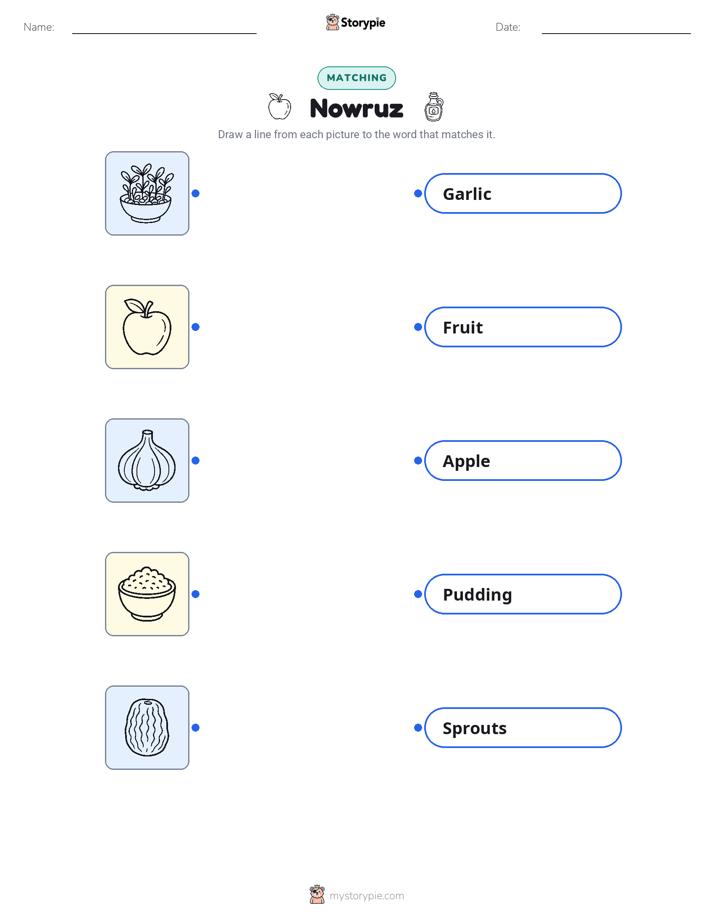
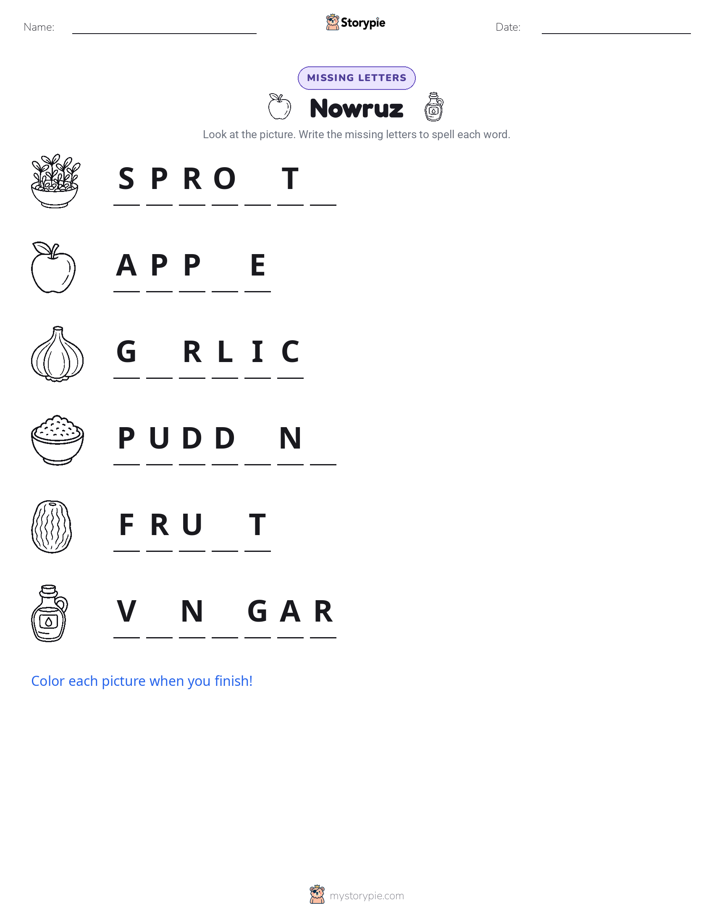
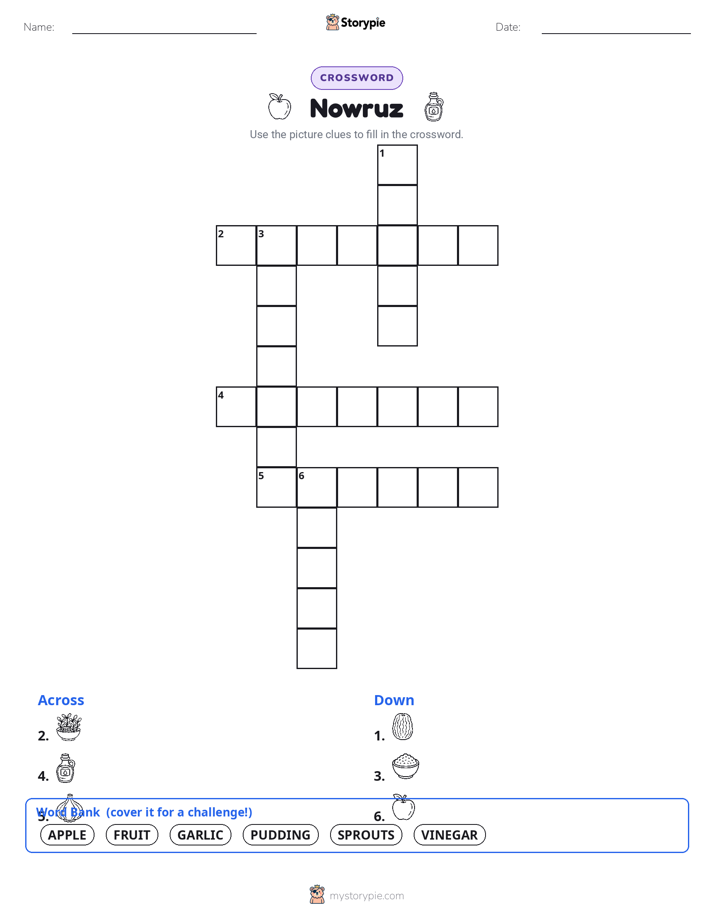
At the heart of my observance in many homes is a beautifully arranged table called the ‘Haft-Sin,’ which means “Seven S’s.” This special display is the centerpiece of the celebration, a visual representation of all the hopes for the new year. Families carefully set a table with seven specific items whose names begin with the letter ‘S’ in the Persian language. Each item holds a deep symbolic meaning. For instance, ‘sabzeh,’ which are sprouts of wheat, barley, or lentil grown in a dish, symbolize rebirth and the renewal of nature. ‘Sīb,’ a red apple, represents beauty and health, while ‘sīr,’ or garlic, is there for good health and medicine. Other items in the seven include ‘samanu’ (a sweet pudding) for wealth, ‘senjed’ (a dried fruit) for love, ‘serkeh’ (vinegar) for patience, and ‘somāq’ (sumac berries) for the color of sunrise and the victory of light over darkness. Beyond these seven core items, families add other objects to the Haft-Sin table to enrich its meaning. A mirror is often included to symbolize reflection and light, while candles represent enlightenment and creation. Painted eggs are placed on the table to signify fertility and new life, and a book of wisdom, such as the Shahnameh or a holy text, is included to represent wisdom.
My celebrations are not a single-day event; they unfold over 13 days, filled with social visits, festive meals, and shared joy. On my very first day, families gather together, often around the Haft-Sin table, to await the exact moment of the vernal equinox. When the moment arrives, they embrace, exchange good wishes for the new year, and often give gifts, especially to younger family members. This marks the official start of the new year and a period of intense socializing. In the days that follow, people spend their time visiting relatives, friends, and neighbors. Tradition dictates that the first visits should be to the eldest members of the family, as a sign of respect. These visits are a cornerstone of my observance, strengthening community bonds and renewing relationships for the year ahead. Guests are welcomed with sweets, tea, and fruits, and homes are filled with conversation and laughter. The festivities culminate on the 13th day in a celebration known as ‘Sizdah Bedar.’ On this day, it is considered unlucky to stay indoors, so nearly everyone heads outside for picnics in parks, by rivers, or in the mountains. This tradition represents a joyful embrace of spring and nature. The day ends with a final, meaningful gesture: families take the ‘sabzeh’ from their Haft-Sin table and throw it into running water. This act symbolizes casting away any negativity or misfortune from the household, letting the flowing water carry it away and ensuring a prosperous and happy year ahead.
Wow facts
About
Nowruz is the Persian New Year, an ancient festival celebrating the spring equinox. It marks the beginning of spring in the Northern Hemisphere and is celebrated by diverse communities worldwide.
Take a Quiz
Question 1 of 5
In the story, I mention that my name means 'New Day.' Why is this a fitting name for the festival?
Want to do even more?
Go beyond exploring. Unlock tools that turn every story into real learning.

Storypie Plus for families
Full stories, quizzes, and printables. Nights and car rides, sorted.
- Unlimited audio stories
- Create Mode: your child stars in the story
- Offline downloads
- Printable worksheets & coloring pages

Why Storypie for Schools
Students engaged. Prep in seconds. Evenings back to you.
- Worksheets & Quizzes
- Classroom Management
- Formative Assessment
- Custom Curriculum & Lesson Plans
- 27 Languages

Why Storypie for Homeschool
Curriculum done. They'll ask for more. Hours back in your day.
- Worksheet Generator
- First-Person Audio Stories
- Built-in Comprehension Quizzes
- Custom Curriculum & Lesson Plans
- Print & Go Activities