English

Nowruz
Nowruz is the Persian New Year, an ancient festival celebrating the spring equinox.
Reads at Grades K-2 Listens at K–3
Print & create
Answer keys·No prep·Free with an account
28 worksheets · answer keys · full story · quiz · Ages 6-8 · CEFR A2
Plus adds 279,000+ more stories in 27 languages, audio for every one, and printables for all of them.
Just want Nowruz?
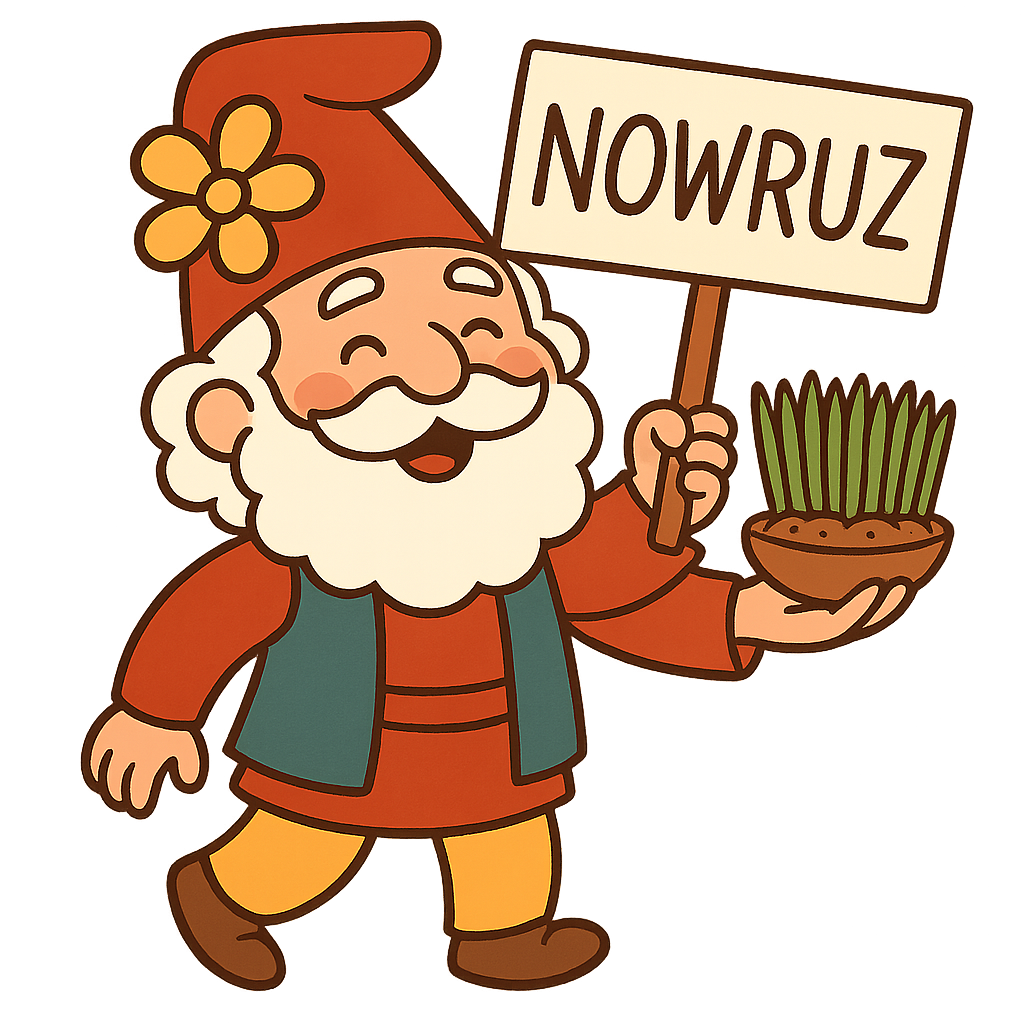
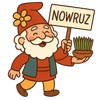
Hello! I am Nowruz. My name means “new day” in the Persian language. I am a very old celebration that marks the beginning of a brand new season: spring. People welcome me on the spring equinox. That’s a special day when the hours of daytime and nighttime are almost exactly the same length. My arrival is a sign of renewal, when plants begin to grow again and the world feels fresh and new.
My story started more than 3,000 years ago in a place called ancient Persia, which is now the country of Iran. My traditions are connected to an ancient religion called Zoroastrianism. Its followers honored the return of light and warmth after the long, cold winter. They saw the longer, sunnier days as a victory of light over darkness. This is why people celebrate me when spring begins, as the sun stays in the sky for a little longer each day.
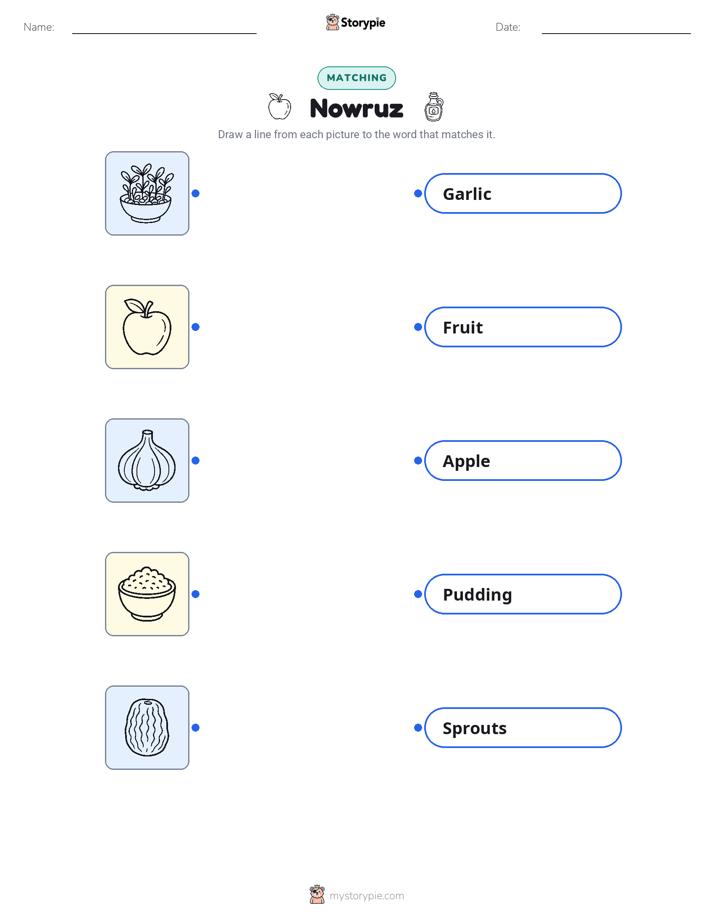
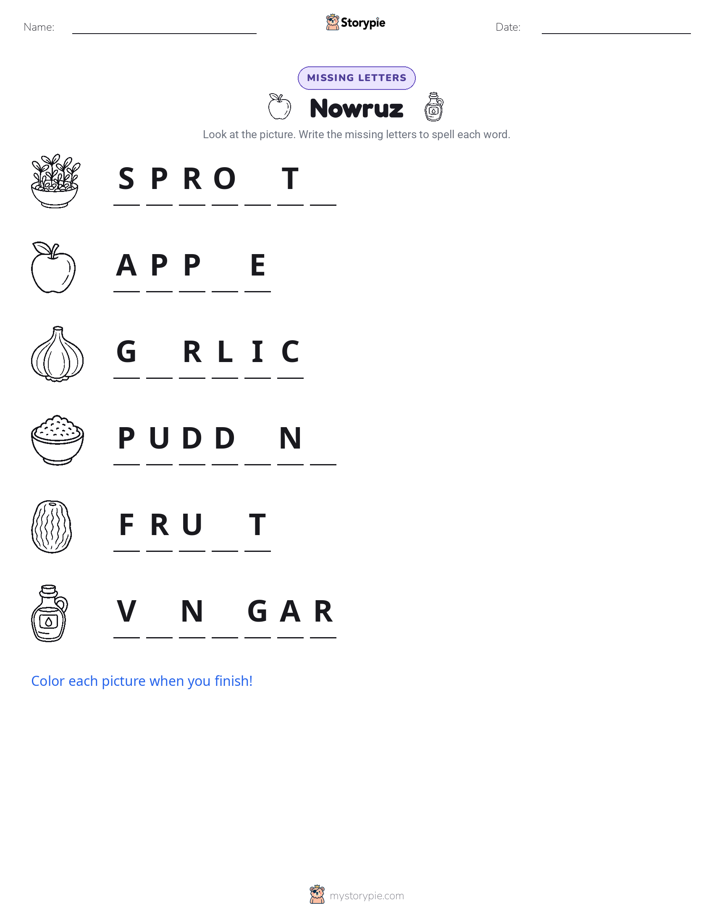
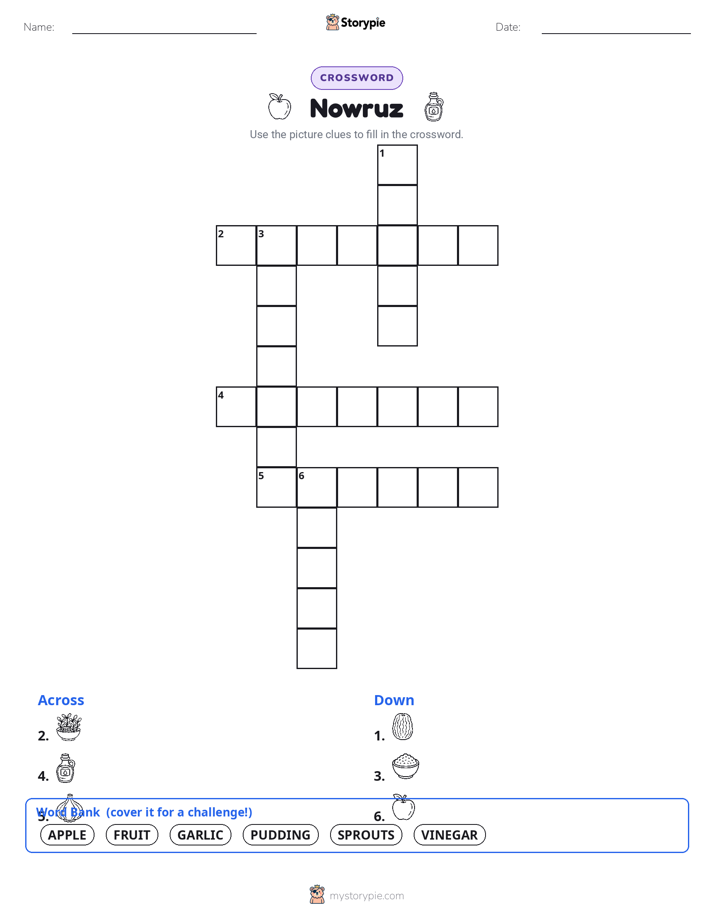
To prepare for my arrival, many families set up a special table called a Haft-sin. This is a beautiful display of seven items that all start with the ‘S’ sound in the Persian language. Each of these items is a symbol of hope and good wishes for the year ahead. For example, families place green sprouts, called sabzeh, on the table to represent rebirth and new life. They also include apples, or sib, which are a symbol of health and beauty. Another item is vinegar, called serkeh, which represents patience and the wisdom that comes with age. The table is a centerpiece for the celebration, reminding everyone of the good things they hope for.
My celebrations are filled with joyful and exciting customs. On the last Tuesday night before I begin, some people take part in a festival called Chaharshanbe Suri. During this event, people safely jump over small bonfires. This tradition is a symbolic way to leave behind any bad feelings or problems from the old year and start the new year fresh and clean. Throughout the thirteen days that I am celebrated, families spend time visiting one another. They share delicious meals, tell stories, and exchange gifts to show their love and friendship.
I Am Nowruz, a New Day
Hello! I am Nowruz. My name means “new day” in the Persian language. I am a very old celebration that marks the beginning of a brand new season: spring. People welcome me on the spring equinox. That’s a special day when the hours of daytime and nighttime are almost exactly the same length. My arrival is a sign of renewal, when plants begin to grow again and the world feels fresh and new.
My story started more than 3,000 years ago in a place called ancient Persia, which is now the country of Iran. My traditions are connected to an ancient religion called Zoroastrianism. Its followers honored the return of light and warmth after the long, cold winter. They saw the longer, sunnier days as a victory of light over darkness. This is why people celebrate me when spring begins, as the sun stays in the sky for a little longer each day.
To prepare for my arrival, many families set up a special table called a Haft-sin. This is a beautiful display of seven items that all start with the ‘S’ sound in the Persian language. Each of these items is a symbol of hope and good wishes for the year ahead. For example, families place green sprouts, called sabzeh, on the table to represent rebirth and new life. They also include apples, or sib, which are a symbol of health and beauty. Another item is vinegar, called serkeh, which represents patience and the wisdom that comes with age. The table is a centerpiece for the celebration, reminding everyone of the good things they hope for.
My celebrations are filled with joyful and exciting customs. On the last Tuesday night before I begin, some people take part in a festival called Chaharshanbe Suri. During this event, people safely jump over small bonfires. This tradition is a symbolic way to leave behind any bad feelings or problems from the old year and start the new year fresh and clean. Throughout the thirteen days that I am celebrated, families spend time visiting one another. They share delicious meals, tell stories, and exchange gifts to show their love and friendship.
Today, millions of people all over the world celebrate me. My traditions are enjoyed in many places, from Iran and Afghanistan to countries in Central Asia and beyond. While some customs might be a little different from one place to another, everyone shares the same happy spirit of welcoming a new beginning. My final day is called Sizdah Bedar. On this day, families and friends often pack picnics and go outdoors to parks or the countryside. They spend the day enjoying nature together, which is a perfect way to end the celebration of spring’s return.
Wow facts
About
Nowruz is the Persian New Year, an ancient festival celebrating the spring equinox. It marks the beginning of spring in the Northern Hemisphere and is celebrated by diverse communities worldwide.
Take a Quiz
Question 1 of 4
What does the name 'Nowruz' mean in the Persian language?
Want to do even more?
Go beyond exploring. Unlock tools that turn every story into real learning.

Storypie Plus for families
Full stories, quizzes, and printables. Nights and car rides, sorted.
- Unlimited audio stories
- Create Mode: your child stars in the story
- Offline downloads
- Printable worksheets & coloring pages

Why Storypie for Schools
Students engaged. Prep in seconds. Evenings back to you.
- Worksheets & Quizzes
- Classroom Management
- Formative Assessment
- Custom Curriculum & Lesson Plans
- 27 Languages

Why Storypie for Homeschool
Curriculum done. They'll ask for more. Hours back in your day.
- Worksheet Generator
- First-Person Audio Stories
- Built-in Comprehension Quizzes
- Custom Curriculum & Lesson Plans
- Print & Go Activities