English

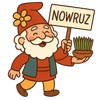
Nowruz
Nowruz is the Persian New Year, an ancient festival celebrating the spring equinox.
Reads at Grades 3–5 Listens at Grades 1–5
Print & create
Answer keys·No prep·Free with an account
28 worksheets · answer keys · full story · quiz · Ages 8-10 · CEFR B1
Plus adds 279,000+ more stories in 27 languages, audio for every one, and printables for all of them.
Just want Nowruz?
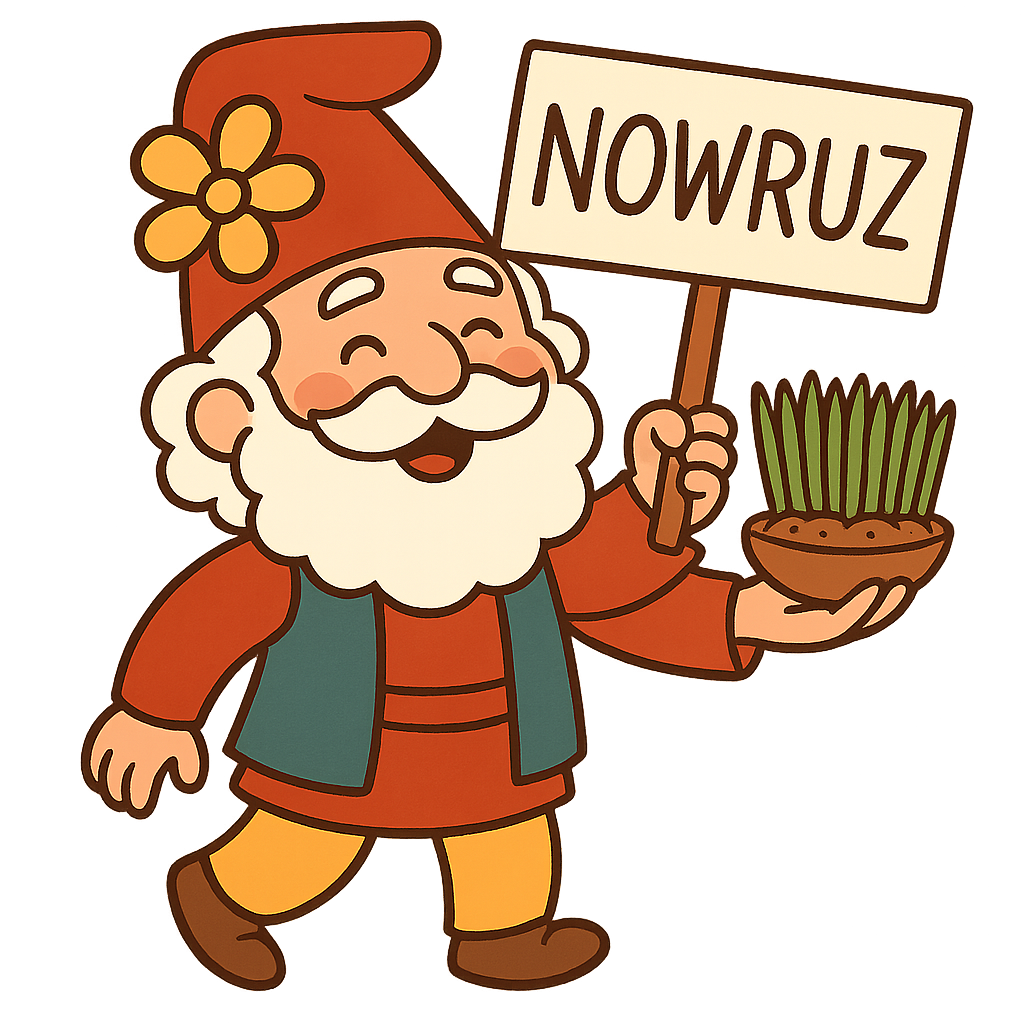
I am Nowruz, and my name holds a simple, beautiful promise. In the Persian language, it means 'New Day.' I am a very old festival, one that marks the end of winter's quiet and the bright beginning of spring. My arrival isn't on a fixed date on a calendar page; instead, I appear at a special moment in nature's own time. People welcome me at the exact instant of the spring equinox. This is the time of year when the length of the day and the length of the night are almost perfectly equal. This balance in the sky signals a time of balance and renewal on Earth. For thousands of years, my coming has represented rebirth, a chance for everything to begin again, fresh and full of life, just like the world outside.
My story is woven into the history of ancient lands. It began more than 3,000 years ago in a place called Persia, which you know today as the country of Iran. My traditions have deep roots in an ancient religion called Zoroastrianism. In this faith, the changing seasons held great meaning. Winter was a time of cold and darkness, so my arrival with the spring sun was a joyful event. People honored the return of warmth and light after the long, chilly months. My importance was so great that even the powerful kings of ancient Persia celebrated me. The great Achaemenid kings, who ruled a vast empire, held enormous festivals to mark my arrival, showing how central I was to the life and culture of the people.
The excitement for my arrival builds long before the spring equinox. In the weeks and days leading up to the new year, families engage in a tradition of deep spring cleaning. This is known as 'khaneh takani,' which beautifully translates to 'shaking the house.' It’s much more than just tidying up. People clean their homes from top to bottom, washing rugs, polishing windows, and clearing out anything old or unused. The purpose of this energetic effort is to sweep away the dust of the old year and prepare a fresh, clean space to welcome all the good things the new year will bring. To go along with their clean homes, many people also buy new clothes to wear for the celebrations. A new outfit is another way to symbolize a new beginning, leaving the past behind and stepping into the future feeling bright and renewed.
I Am Nowruz, the New Day
I am Nowruz, and my name holds a simple, beautiful promise. In the Persian language, it means 'New Day.' I am a very old festival, one that marks the end of winter's quiet and the bright beginning of spring. My arrival isn't on a fixed date on a calendar page; instead, I appear at a special moment in nature's own time. People welcome me at the exact instant of the spring equinox. This is the time of year when the length of the day and the length of the night are almost perfectly equal. This balance in the sky signals a time of balance and renewal on Earth. For thousands of years, my coming has represented rebirth, a chance for everything to begin again, fresh and full of life, just like the world outside.
My story is woven into the history of ancient lands. It began more than 3,000 years ago in a place called Persia, which you know today as the country of Iran. My traditions have deep roots in an ancient religion called Zoroastrianism. In this faith, the changing seasons held great meaning. Winter was a time of cold and darkness, so my arrival with the spring sun was a joyful event. People honored the return of warmth and light after the long, chilly months. My importance was so great that even the powerful kings of ancient Persia celebrated me. The great Achaemenid kings, who ruled a vast empire, held enormous festivals to mark my arrival, showing how central I was to the life and culture of the people.
The excitement for my arrival builds long before the spring equinox. In the weeks and days leading up to the new year, families engage in a tradition of deep spring cleaning. This is known as 'khaneh takani,' which beautifully translates to 'shaking the house.' It’s much more than just tidying up. People clean their homes from top to bottom, washing rugs, polishing windows, and clearing out anything old or unused. The purpose of this energetic effort is to sweep away the dust of the old year and prepare a fresh, clean space to welcome all the good things the new year will bring. To go along with their clean homes, many people also buy new clothes to wear for the celebrations. A new outfit is another way to symbolize a new beginning, leaving the past behind and stepping into the future feeling bright and renewed.
Just before I officially begin, there is a special night filled with light and energy. On the last Tuesday evening before the new year, people celebrate a festival of fire known as Chaharshanbe Suri. For this tradition, communities gather outside and light small, cheerful bonfires. As the sun sets, people take turns safely jumping over the flickering flames. This act is not just for fun; it is a powerful symbol of purification. The fire is thought to burn away any sickness, bad feelings, or negativity left over from the past year. By jumping over the flames, participants symbolically leave behind their troubles and embrace the warmth, light, and positive energy of the new year that is about to dawn. It’s a way of cleansing the spirit to be ready for a fresh start.
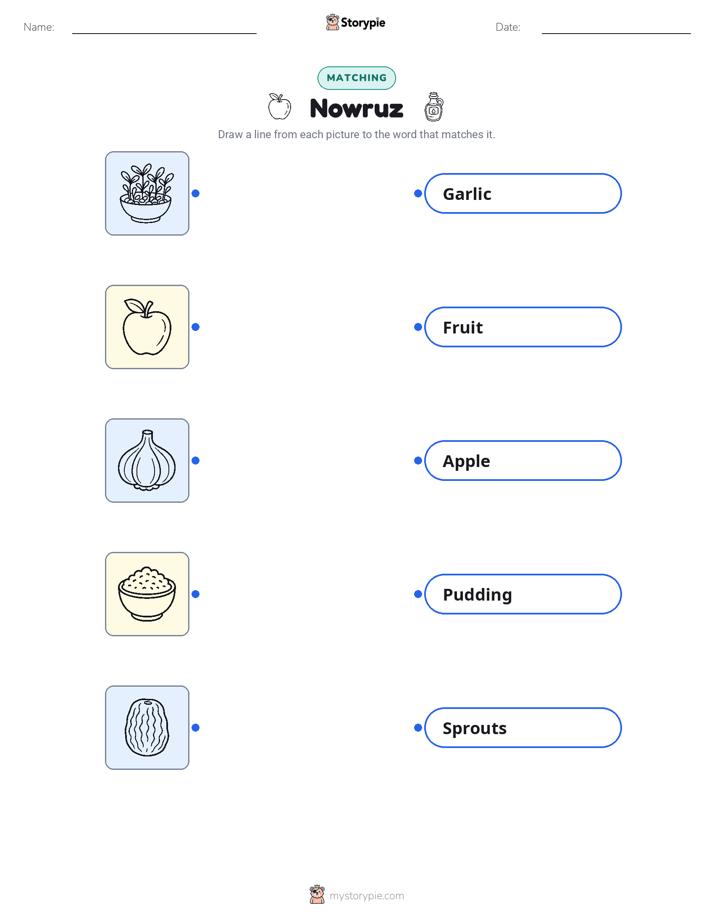
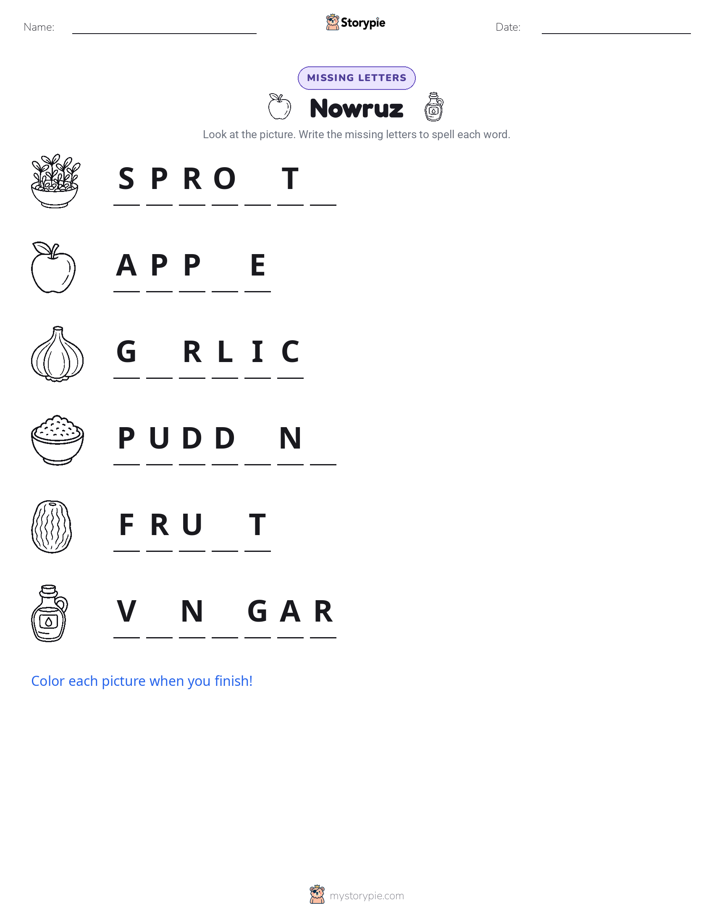
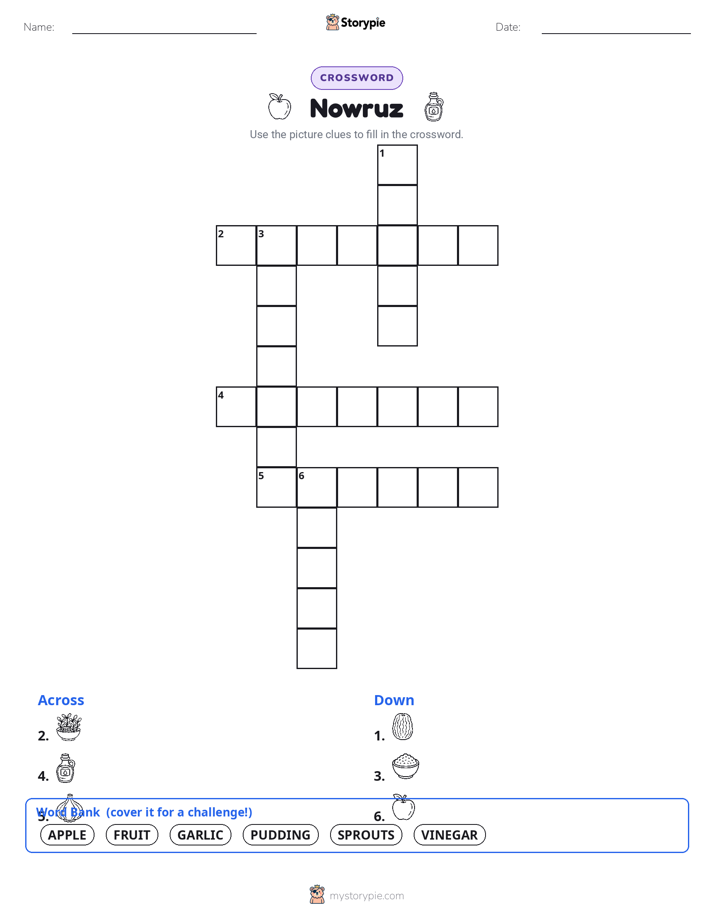
One of the most important and beautiful traditions associated with me is the creation of a special display table called the Haft-sin. The name means 'Seven S’s,' and it is the heart of the home during my celebrations. On a decorated cloth, families carefully arrange at least seven specific items. Each of these items has a name that begins with the 'S' sound in the Persian language, and each one carries a special meaning, representing hopes and wishes for the new year. For example, you will always find 'sabzeh,' which are green sprouts grown from wheat or lentils. The sabzeh stands for rebirth and the renewal of nature. A shiny red 'sib,' or apple, is placed on the table as a symbol of beauty. You might also see 'sir,' which is garlic, representing good health. Families often add other meaningful objects, but these seven 'S' items are essential. As the moment of the equinox arrives, families gather together around their Haft-sin table to welcome the new year as one.
Today, my spirit of renewal is celebrated by millions of people not just in Iran, but in many other countries across the world. My festivities are not just a single day; they last for a full 13 days, creating a long period of joy and connection. During this time, the most important activity is visiting family, friends, and neighbors. Homes are filled with guests, and people share delicious special foods and sweets prepared just for the occasion. It is also a time for generosity, and gifts are often exchanged. My celebration period concludes on the 13th day with a tradition called Sizdah Bedar. On this day, which is meant to be spent outdoors, families pack picnics and head to parks, fields, or riversides to enjoy nature. They bring their 'sabzeh' from the Haft-sin table with them. As a final act of letting go of the old, they throw the green sprouts into running water. This gesture symbolizes releasing any bad luck or negativity from the home, allowing the new year to flow forward with freshness and good fortune.
Wow facts
About
Nowruz is the Persian New Year, an ancient festival celebrating the spring equinox. It marks the beginning of spring in the Northern Hemisphere and is celebrated by diverse communities worldwide.
Take a Quiz
Question 1 of 5
What does the term 'khaneh takani' mean, and what does this tradition symbolize?
Want to do even more?
Go beyond exploring. Unlock tools that turn every story into real learning.

Storypie Plus for families
Full stories, quizzes, and printables. Nights and car rides, sorted.
- Unlimited audio stories
- Create Mode: your child stars in the story
- Offline downloads
- Printable worksheets & coloring pages

Why Storypie for Schools
Students engaged. Prep in seconds. Evenings back to you.
- Worksheets & Quizzes
- Classroom Management
- Formative Assessment
- Custom Curriculum & Lesson Plans
- 27 Languages

Why Storypie for Homeschool
Curriculum done. They'll ask for more. Hours back in your day.
- Worksheet Generator
- First-Person Audio Stories
- Built-in Comprehension Quizzes
- Custom Curriculum & Lesson Plans
- Print & Go Activities