English

Rosh Hashanah
Rosh Hashanah is the Jewish New Year, a two-day holiday marking the beginning of the High Holy Days.
Reads at Grades 6–8 Listens at Grades 4–8
Print & create
Answer keys·No prep·Free with an account
28 worksheets · answer keys · full story · quiz · Ages 10-12 · CEFR B2
Plus adds 279,000+ more stories in 27 languages, audio for every one, and printables for all of them.
Just want Rosh Hashanah?
I am Rosh Hashanah, the Jewish New Year. My name is Hebrew for “head of the year,” and my arrival marks the beginning of a significant period of reflection and prayer known as the High Holy Days. In Hebrew, this ten-day period is called the Yamim Noraim, which translates to the “Days of Awe.” During the time that people observe me, they are encouraged to look back at the year that has passed. It is a chance for Jewish people to carefully consider their actions, their choices, and their relationships. It is also a time to look forward and think about the kind of person they hope to be in the year that is just beginning. My observance is not just about marking the turn of a calendar page; it is about introspection, personal responsibility, and the hope for renewal.
My history stretches back into ancient times. The earliest reference to my observance appears in the Torah, which is the most sacred text in Judaism. There, I am not called Rosh Hashanah but rather Yom Teruah, a name that means the “Day of Blasting.” This name refers to the blasts of a horn that were part of the early ceremonies. Over many centuries, my customs and meanings were discussed and developed by Jewish scholars and communities. By about the year 200 CE, these evolving traditions were described in a collection of rabbinic writings called the Mishnah. It is in these important texts that I am clearly identified as the New Year. The Mishnah also describes me as a Day of Judgment, a time when many people believe that God considers each person’s deeds from the past year and decides their fate for the new one.
Rosh Hashanah: The Head of the Year
I am Rosh Hashanah, the Jewish New Year. My name is Hebrew for “head of the year,” and my arrival marks the beginning of a significant period of reflection and prayer known as the High Holy Days. In Hebrew, this ten-day period is called the Yamim Noraim, which translates to the “Days of Awe.” During the time that people observe me, they are encouraged to look back at the year that has passed. It is a chance for Jewish people to carefully consider their actions, their choices, and their relationships. It is also a time to look forward and think about the kind of person they hope to be in the year that is just beginning. My observance is not just about marking the turn of a calendar page; it is about introspection, personal responsibility, and the hope for renewal.
My history stretches back into ancient times. The earliest reference to my observance appears in the Torah, which is the most sacred text in Judaism. There, I am not called Rosh Hashanah but rather Yom Teruah, a name that means the “Day of Blasting.” This name refers to the blasts of a horn that were part of the early ceremonies. Over many centuries, my customs and meanings were discussed and developed by Jewish scholars and communities. By about the year 200 CE, these evolving traditions were described in a collection of rabbinic writings called the Mishnah. It is in these important texts that I am clearly identified as the New Year. The Mishnah also describes me as a Day of Judgment, a time when many people believe that God considers each person’s deeds from the past year and decides their fate for the new one.
People observe me for two days, beginning on the first day of the Hebrew month of Tishrei. The Hebrew calendar is a lunisolar calendar, which means its months are based on the cycles of the moon, but it is also adjusted to keep in sync with the solar year and the seasons. Because of this different system, my dates on the Gregorian calendar, which is used in most of the world, change every year. While my place at the start of Tishrei is constant on the Hebrew calendar, my arrival on the Gregorian calendar usually falls sometime during the months of September or October. This timing places me in the early autumn of the Northern Hemisphere, a season of transition that mirrors my theme of change and new beginnings.
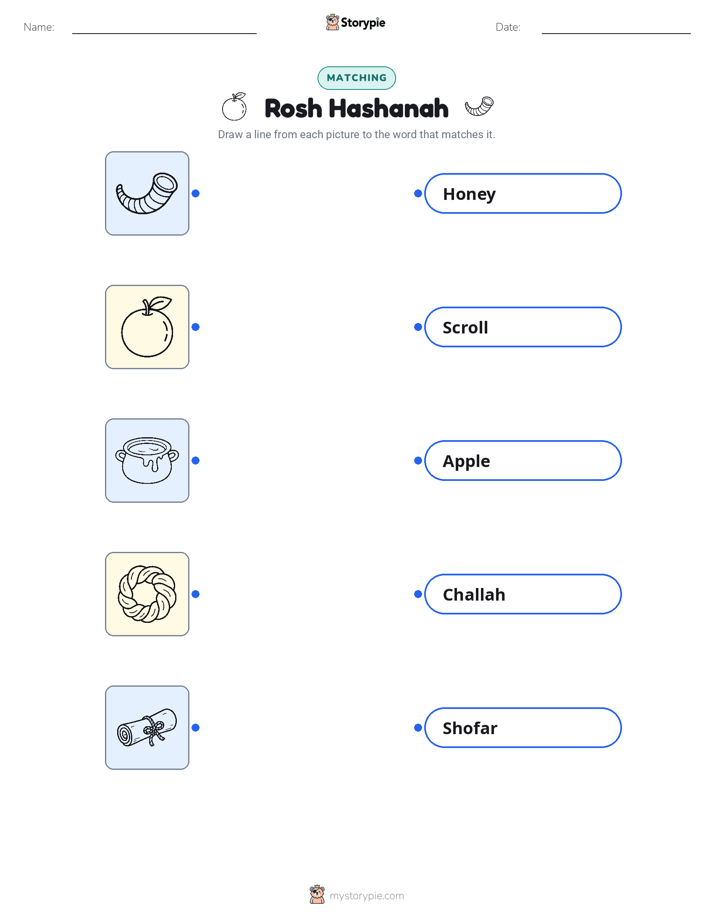
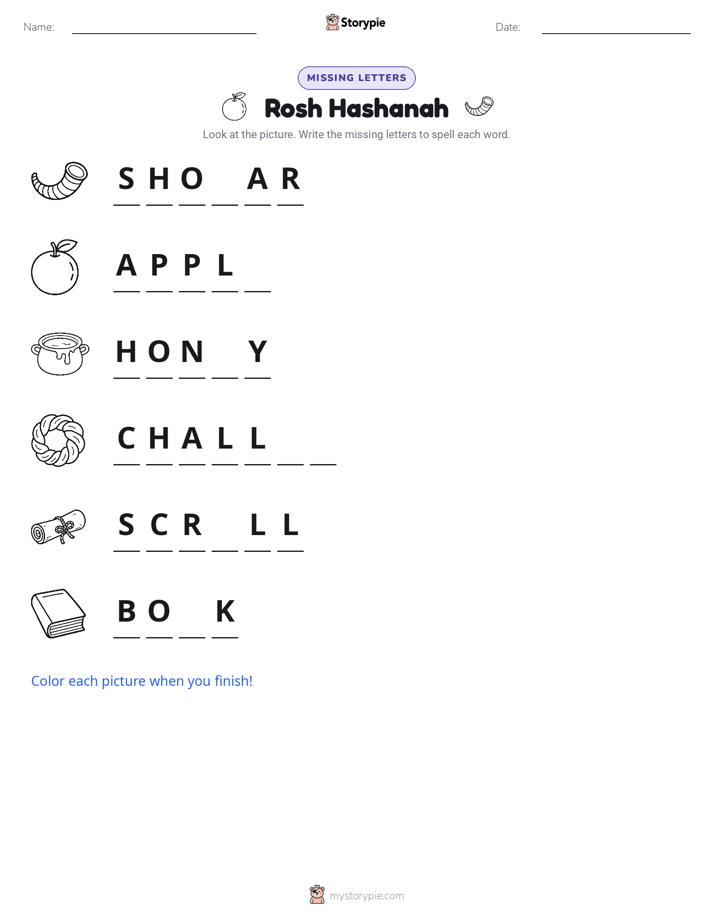
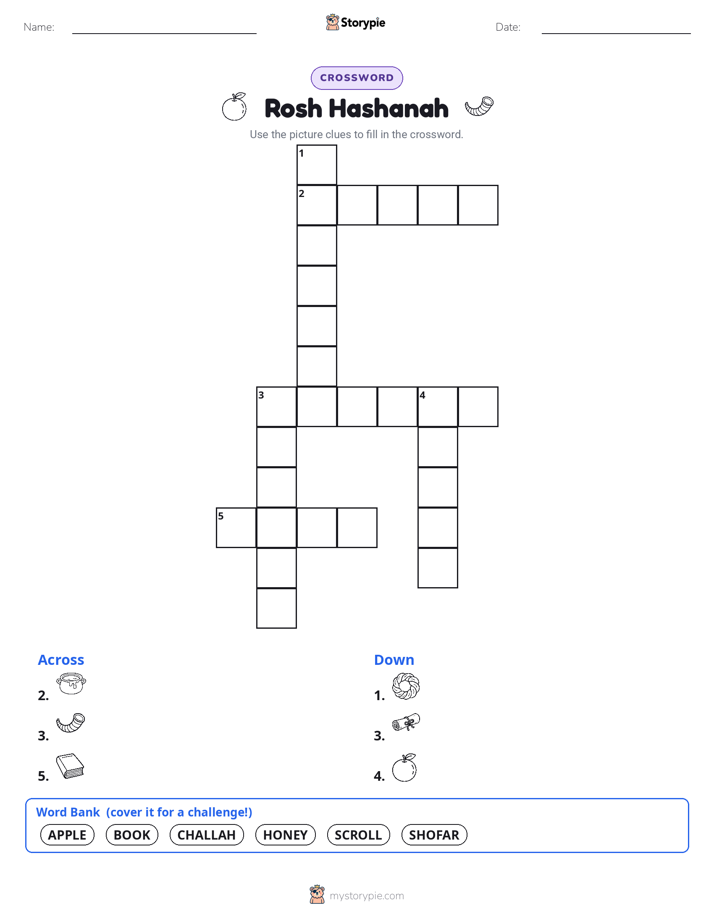
One of my most ancient and powerful traditions is the sounding of the shofar. A shofar is a special trumpet made from the hollowed-out horn of a ram. During services in a synagogue, a trained person blows into the shofar, producing a series of deep, piercing sounds that fill the sanctuary. The sounds are not like music; they are raw and urgent blasts intended to capture everyone’s attention. For many participants, hearing the shofar serves as a spiritual wake-up call. It is meant to jolt them from their everyday routines and remind them of the seriousness of this time. The blasts are a call to awaken the soul, to reflect deeply on one’s actions, and to renew a commitment to living according to the principles of their faith.
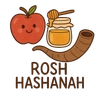
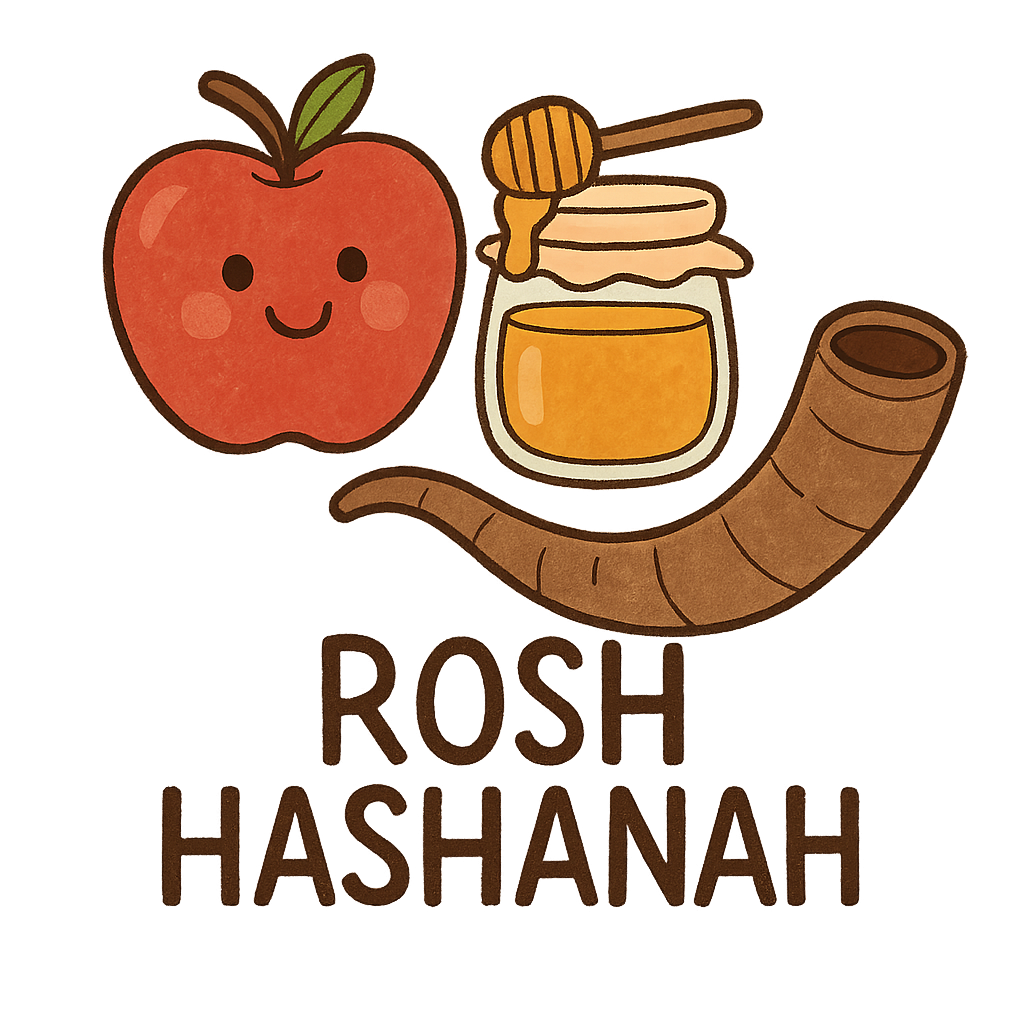
Food plays an important role in my observance, with many traditional dishes carrying symbolic meanings that connect to my central themes. A very common custom is to dip slices of crisp apple into sweet honey. This act is more than just a tasty snack; it is an expression of the hope for a sweet and prosperous new year, free from bitterness and hardship. Another special food is challah, a braided egg bread. While challah is eaten on many Jewish holidays, the loaves prepared for me are often baked in a round or spiral shape instead of a long braid. This circular form represents the unending cycle of life and the turning of the year. Each bite of these symbolic foods serves as a physical reminder of the hopes and prayers for the coming year.
My arrival is not the end of a process, but the beginning. I kick off the Ten Days of Repentance, a period that builds toward another major holy day, Yom Kippur, the Day of Atonement. During these ten days, people focus on making amends for their mistakes and seeking forgiveness. A meaningful ceremony that many people participate in during this time is called Tashlich. To perform this custom, people gather at a body of flowing water, like a river, a lake, or an ocean. There, they recite prayers and symbolically cast their sins away, often by tossing small pieces of bread into the water. The bread crumbs are carried away by the current, representing the desire to let go of past wrongdoings and to start the new year with a clean slate and a clear conscience.
Wow facts
About
Rosh Hashanah is the Jewish New Year, a two-day holiday marking the beginning of the High Holy Days. It is a time of prayer, reflection, festive meals, and the sounding of the shofar.
Take a Quiz
Question 1 of 5
In your own words, explain the main purpose of Rosh Hashanah as described in the story.
Want to do even more?
Go beyond exploring. Unlock tools that turn every story into real learning.

Storypie Plus for families
Full stories, quizzes, and printables. Nights and car rides, sorted.
- Unlimited audio stories
- Create Mode: your child stars in the story
- Offline downloads
- Printable worksheets & coloring pages

Why Storypie for Schools
Students engaged. Prep in seconds. Evenings back to you.
- Worksheets & Quizzes
- Classroom Management
- Formative Assessment
- Custom Curriculum & Lesson Plans
- 27 Languages

Why Storypie for Homeschool
Curriculum done. They'll ask for more. Hours back in your day.
- Worksheet Generator
- First-Person Audio Stories
- Built-in Comprehension Quizzes
- Custom Curriculum & Lesson Plans
- Print & Go Activities