English

Rosh Hashanah
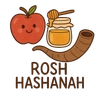
Rosh Hashanah is the Jewish New Year, a two-day holiday marking the beginning of the High Holy Days.
Reads at Grades K-2 Listens at K–3
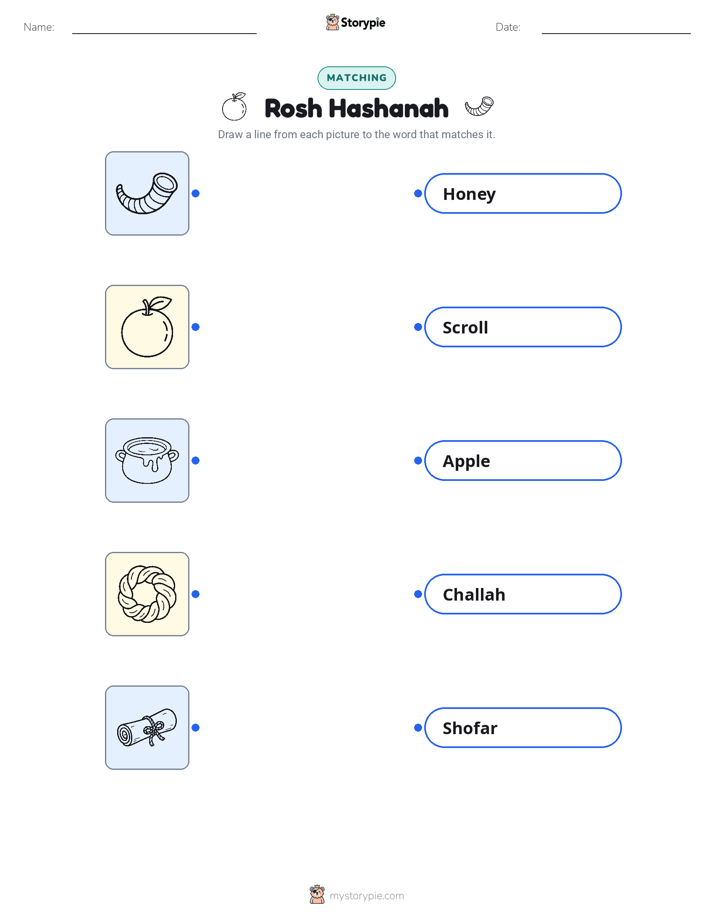
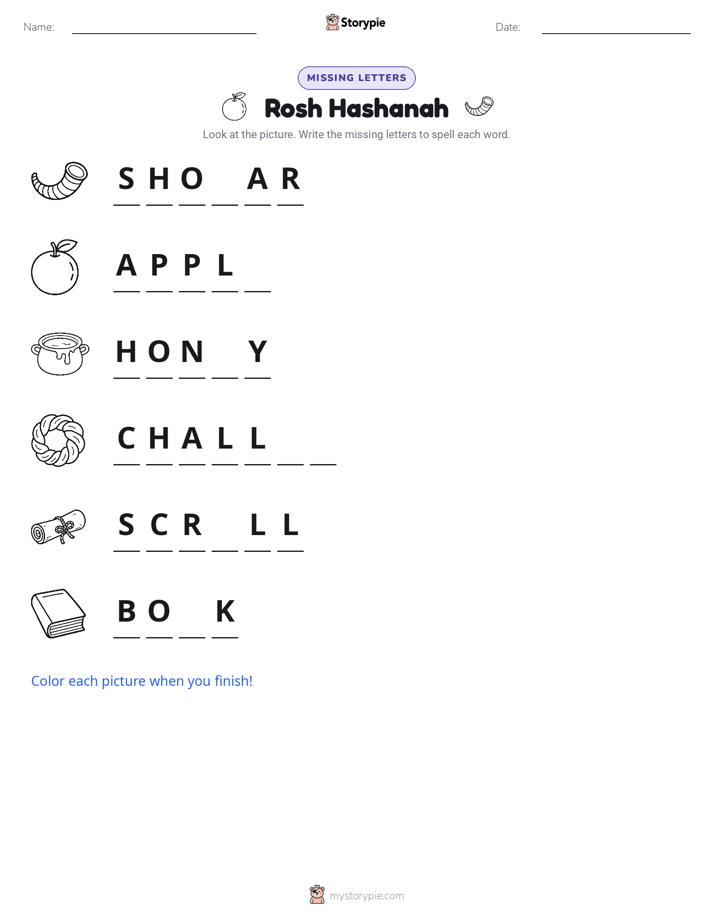
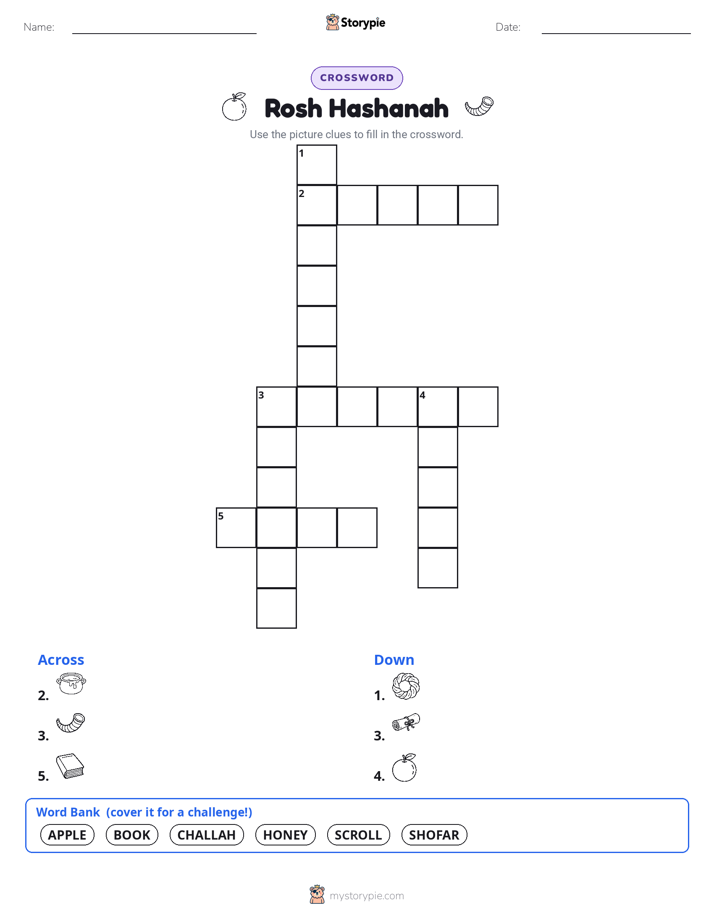
Print & create
Answer keys·No prep·Free with an account
28 worksheets · answer keys · full story · quiz · Ages 6-8 · CEFR A2
Plus adds 279,000+ more stories in 27 languages, audio for every one, and printables for all of them.
Just want Rosh Hashanah?
Hello! I am Rosh Hashanah. In the Hebrew language, my name means “head of the year,” because I am the Jewish New Year. I arrive in the early autumn, a time when the leaves might be starting to change color. People welcome me as a very special occasion. I am not just a party with loud music. Instead, I mark the beginning of a thoughtful and important time called the High Holy Days.
During my observance, Jewish people take time to reflect on the year that has just passed. To reflect means to think carefully about something. They think about their actions, the choices they made, and how they can be better people in the future. I am a quiet and hopeful time to prepare for the brand new year that is just beginning. It’s a chance for a fresh start.
One of my most ancient and important traditions is the sound of the shofar. A shofar is not an instrument you would see in a band. It is a horn from a ram, and it makes a very loud, powerful sound. In synagogues, which are Jewish places of worship, a person blows the shofar to announce that the new year has arrived. For many people, this sound is like a spiritual wake-up call. It’s a special signal that says, “Pay attention! A new year is here!” This tradition is so central that one of my other names in the Bible is Yom Teruah, which means “day of blasting.”
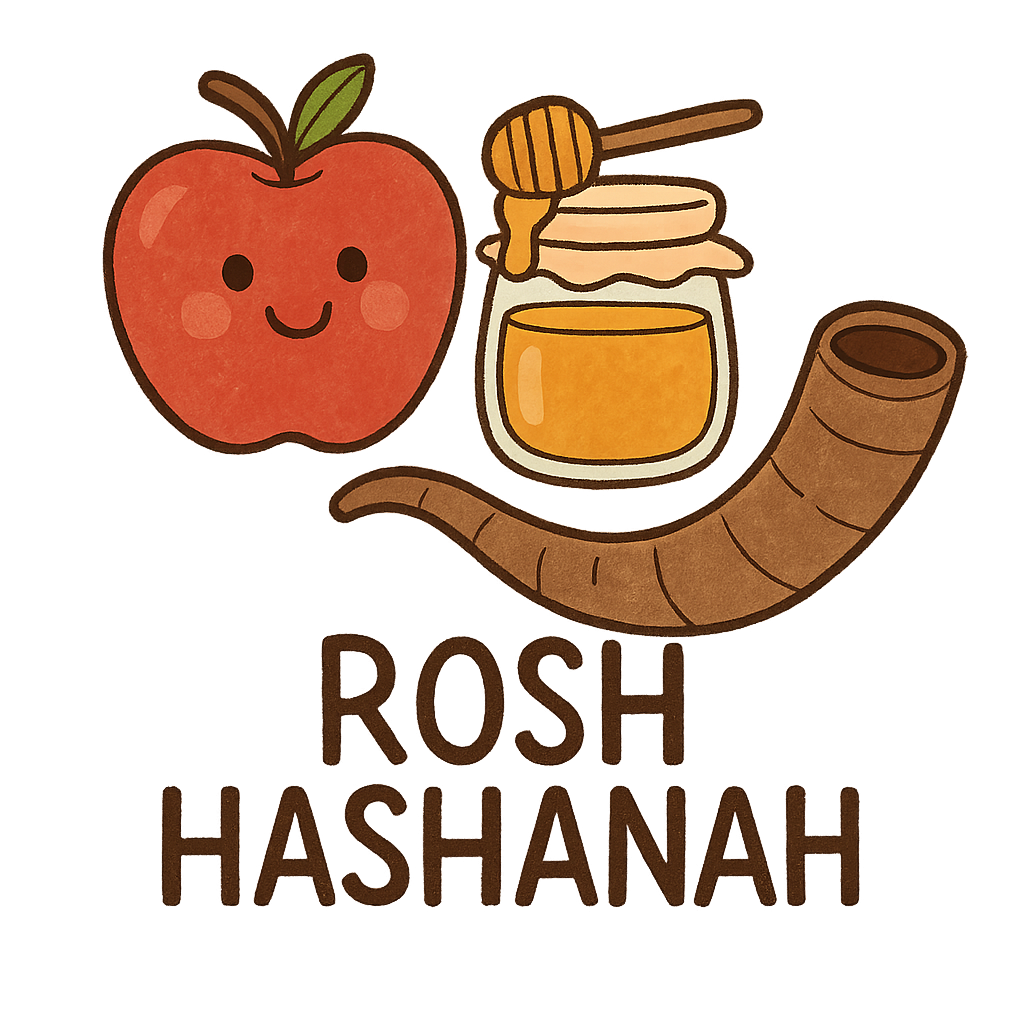
Food is also a very special part of how people observe me. Many of the foods are symbolic, which means they stand for an idea or a wish. To hope for a sweet and happy new year, families often eat apples dipped in honey. The sweetness of the fruit and the honey represents the hope for good things in the coming months. Another special food is a type of bread called challah. For me, the challah is often baked in a round shape instead of a long braid. This circle represents the cycle of life and the way that years come and go, one after another.
The Story of Rosh Hashanah
Hello! I am Rosh Hashanah. In the Hebrew language, my name means “head of the year,” because I am the Jewish New Year. I arrive in the early autumn, a time when the leaves might be starting to change color. People welcome me as a very special occasion. I am not just a party with loud music. Instead, I mark the beginning of a thoughtful and important time called the High Holy Days.
During my observance, Jewish people take time to reflect on the year that has just passed. To reflect means to think carefully about something. They think about their actions, the choices they made, and how they can be better people in the future. I am a quiet and hopeful time to prepare for the brand new year that is just beginning. It’s a chance for a fresh start.
One of my most ancient and important traditions is the sound of the shofar. A shofar is not an instrument you would see in a band. It is a horn from a ram, and it makes a very loud, powerful sound. In synagogues, which are Jewish places of worship, a person blows the shofar to announce that the new year has arrived. For many people, this sound is like a spiritual wake-up call. It’s a special signal that says, “Pay attention! A new year is here!” This tradition is so central that one of my other names in the Bible is Yom Teruah, which means “day of blasting.”
Food is also a very special part of how people observe me. Many of the foods are symbolic, which means they stand for an idea or a wish. To hope for a sweet and happy new year, families often eat apples dipped in honey. The sweetness of the fruit and the honey represents the hope for good things in the coming months. Another special food is a type of bread called challah. For me, the challah is often baked in a round shape instead of a long braid. This circle represents the cycle of life and the way that years come and go, one after another.
On my first afternoon, some families take part in a quiet ceremony called Tashlich. They walk to a nearby body of natural, flowing water, like a river or a stream. There, they perform a simple, meaningful action. They take small pieces of bread and toss them into the water. As the crumbs float away, people think about mistakes they made in the past year. This act is a symbol of casting those mistakes away and starting over. It represents letting go of the past and looking forward to making better choices. From the strong blast of the shofar to the sweet taste of apples and honey, my traditions help people welcome the new year with hope.
Wow facts
About
Rosh Hashanah is the Jewish New Year, a two-day holiday marking the beginning of the High Holy Days. It is a time of prayer, reflection, festive meals, and the sounding of the shofar.
Take a Quiz
Question 1 of 4
What does the name 'Rosh Hashanah' mean in Hebrew?
Want to do even more?
Go beyond exploring. Unlock tools that turn every story into real learning.

Storypie Plus for families
Full stories, quizzes, and printables. Nights and car rides, sorted.
- Unlimited audio stories
- Create Mode: your child stars in the story
- Offline downloads
- Printable worksheets & coloring pages

Why Storypie for Schools
Students engaged. Prep in seconds. Evenings back to you.
- Worksheets & Quizzes
- Classroom Management
- Formative Assessment
- Custom Curriculum & Lesson Plans
- 27 Languages

Why Storypie for Homeschool
Curriculum done. They'll ask for more. Hours back in your day.
- Worksheet Generator
- First-Person Audio Stories
- Built-in Comprehension Quizzes
- Custom Curriculum & Lesson Plans
- Print & Go Activities