English

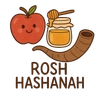
Rosh Hashanah
Rosh Hashanah is the Jewish New Year, a two-day holiday marking the beginning of the High Holy Days.
Reads at Grades 3–5 Listens at Grades 1–5
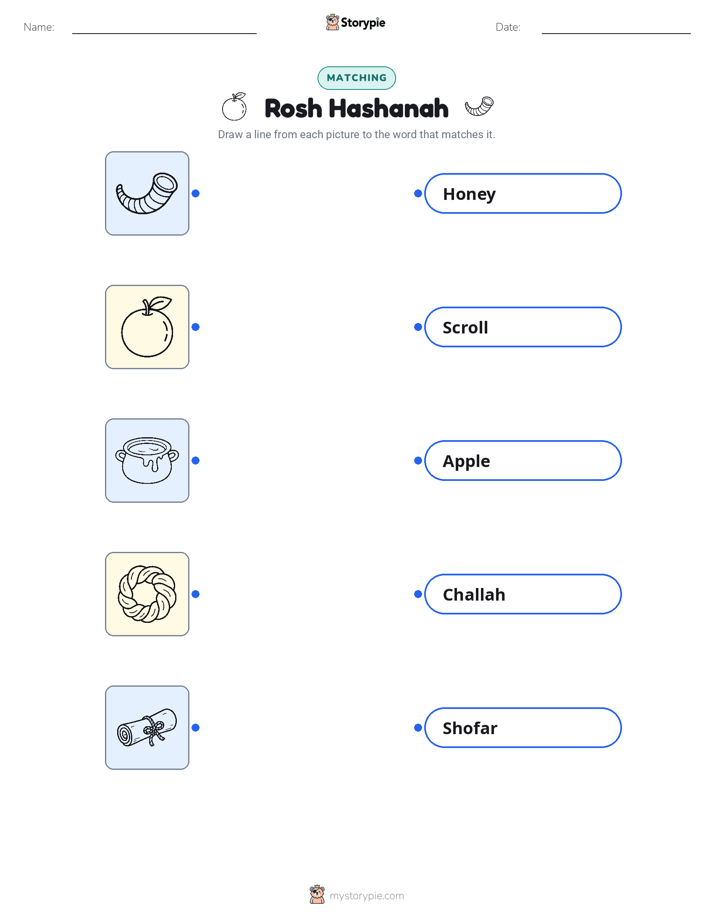
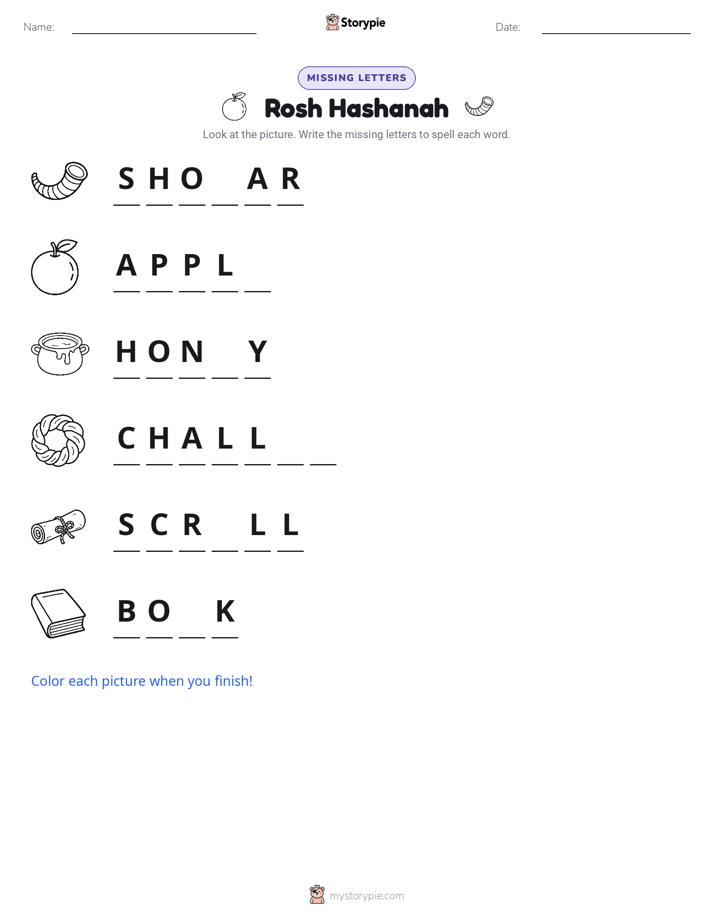
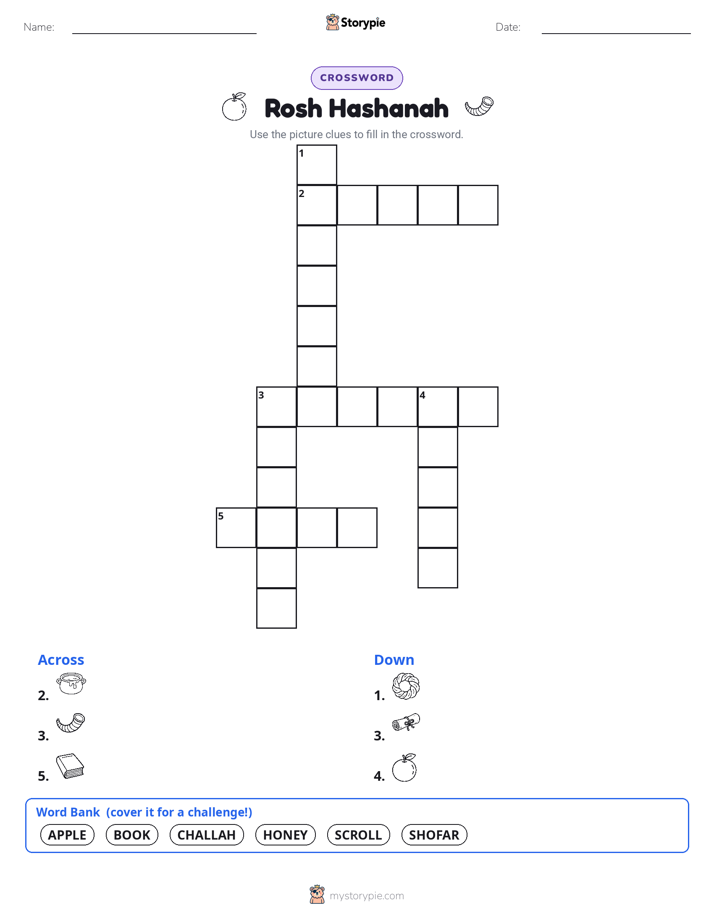
Print & create
Answer keys·No prep·Free with an account
28 worksheets · answer keys · full story · quiz · Ages 8-10 · CEFR B1
Plus adds 279,000+ more stories in 27 languages, audio for every one, and printables for all of them.
Just want Rosh Hashanah?
I am Rosh Hashanah, the Jewish New Year. My name, which comes from the Hebrew language, means “head of the year.” People observe me over two days, and my arrival marks the beginning of a very important period called the High Holy Days, the most sacred time in the Jewish calendar. For those who celebrate, my observance is a time to look back at the year that has just passed. It is an opportunity to think carefully about their actions and consider how they can make the next year a better one. I am a holiday that balances looking back at the past with looking forward to the future.
My history is very old, with my earliest roots described in the Torah, which is the most important text in Judaism. In a section of the Torah called the book of Leviticus, there is a passage that calls for a sacred day of rest. This day was to be observed on the first day of the seventh month of the Hebrew calendar. The text says it should be marked by the sounding of a horn. In that ancient writing, the day is called Yom Teruah, a name that means “day of shouting/blasting.” It was from this ancient instruction that I began to form. Over many, many centuries, Jewish scholars and communities developed the special traditions, prayers, and meanings that shaped me into the New Year celebration I am known as today.
One of my oldest and most recognizable traditions is the sounding of the shofar. A shofar is a special musical instrument, usually made from the curved horn of a ram. Hearing its distinct sound is a central part of my observance. In Jewish tradition, the powerful blasts from the shofar are meant to be a kind of spiritual wake-up call. The sounds encourage people to pause and reflect on their actions from the past year. It is a call to ask for forgiveness for mistakes and to remember their connection to God. During services at a synagogue, the shofar is typically blown one hundred times on each day of my celebration, creating a powerful and memorable sound.
I Am Rosh Hashanah, the Head of the Year
I am Rosh Hashanah, the Jewish New Year. My name, which comes from the Hebrew language, means “head of the year.” People observe me over two days, and my arrival marks the beginning of a very important period called the High Holy Days, the most sacred time in the Jewish calendar. For those who celebrate, my observance is a time to look back at the year that has just passed. It is an opportunity to think carefully about their actions and consider how they can make the next year a better one. I am a holiday that balances looking back at the past with looking forward to the future.
My history is very old, with my earliest roots described in the Torah, which is the most important text in Judaism. In a section of the Torah called the book of Leviticus, there is a passage that calls for a sacred day of rest. This day was to be observed on the first day of the seventh month of the Hebrew calendar. The text says it should be marked by the sounding of a horn. In that ancient writing, the day is called Yom Teruah, a name that means “day of shouting/blasting.” It was from this ancient instruction that I began to form. Over many, many centuries, Jewish scholars and communities developed the special traditions, prayers, and meanings that shaped me into the New Year celebration I am known as today.
One of my oldest and most recognizable traditions is the sounding of the shofar. A shofar is a special musical instrument, usually made from the curved horn of a ram. Hearing its distinct sound is a central part of my observance. In Jewish tradition, the powerful blasts from the shofar are meant to be a kind of spiritual wake-up call. The sounds encourage people to pause and reflect on their actions from the past year. It is a call to ask for forgiveness for mistakes and to remember their connection to God. During services at a synagogue, the shofar is typically blown one hundred times on each day of my celebration, creating a powerful and memorable sound.
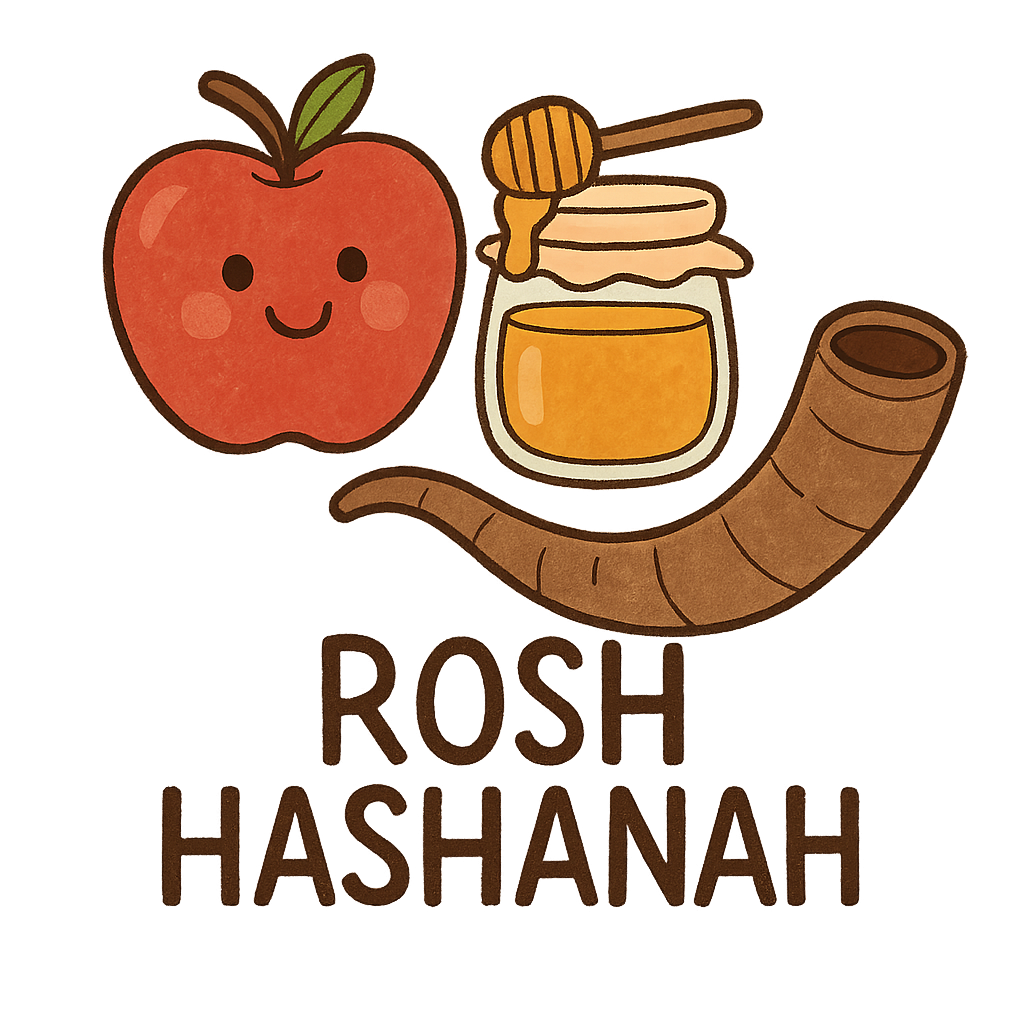
Food plays a very important part in my observance, and many of the foods eaten have special meanings. When people gather for festive meals, it is a common custom to dip slices of crisp apple into sweet honey. This act represents the shared hope for a sweet, happy, and prosperous new year. Another special food often seen on the table is a loaf of challah bread baked in a round shape. While challah is eaten on the weekly Sabbath, it is usually braided. My round challah is different because the circular shape symbolizes the circle of life and the continuous, repeating cycle of the seasons and the years.
My observance is also a time for deep thought and prayer. Many people spend time at a synagogue, where special prayer books are used. These books, called machzors, contain beautiful poems and prayers written long ago. The words focus on themes of justice, memory, and the chance for new beginnings. My arrival also signals the start of a ten-day period known as the Days of Repentance. This is a very important time for people to think seriously about any mistakes they have made, promise to do better in the future, and seek forgiveness. This period of reflection leads up to the holiest day of the Jewish year, Yom Kippur, the Day of Atonement.
Today, Jewish people all over the world observe me. I arrive in the early autumn, but my exact dates on the common Gregorian calendar change each year. That’s because my timing is set by the Hebrew calendar, and I always begin on the first day of the Hebrew month of Tishrei. During my two days, families and friends gather together to share festive meals. They attend services at their synagogues to hear the shofar and join in prayers. People wish each other “Shanah Tovah,” a Hebrew greeting that means “a good year.” I am a holiday that balances two important ideas: looking backward with thoughtful reflection and looking forward with hope for the future.
Wow facts
About
Rosh Hashanah is the Jewish New Year, a two-day holiday marking the beginning of the High Holy Days. It is a time of prayer, reflection, festive meals, and the sounding of the shofar.
Take a Quiz
Question 1 of 5
In the story, the sound of the shofar is called a 'wake-up call.' What does this phrase mean?
Want to do even more?
Go beyond exploring. Unlock tools that turn every story into real learning.

Storypie Plus for families
Full stories, quizzes, and printables. Nights and car rides, sorted.
- Unlimited audio stories
- Create Mode: your child stars in the story
- Offline downloads
- Printable worksheets & coloring pages

Why Storypie for Schools
Students engaged. Prep in seconds. Evenings back to you.
- Worksheets & Quizzes
- Classroom Management
- Formative Assessment
- Custom Curriculum & Lesson Plans
- 27 Languages

Why Storypie for Homeschool
Curriculum done. They'll ask for more. Hours back in your day.
- Worksheet Generator
- First-Person Audio Stories
- Built-in Comprehension Quizzes
- Custom Curriculum & Lesson Plans
- Print & Go Activities