English

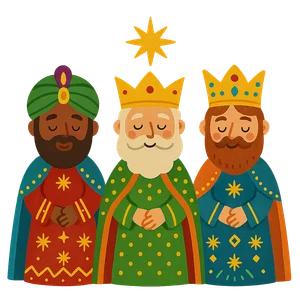
Three Kings' Day - Mexican
Celebrated on January 6th, Three Kings' Day, or Día de los Reyes Magos…
Reads at Grades 3–5 Listens at Grades 1–5
Print & create
Answer keys·No prep·Free with an account
28 worksheets · answer keys · full story · quiz · Ages 8-10 · CEFR B1
Plus adds 279,000+ more stories in 27 languages, audio for every one, and printables for all of them.
Just want Three Kings' Day - Mexican?
Hello, I am Día de los Reyes Magos, which is called Three Kings' Day in English. I am a special holiday celebrated in Mexico and many other places around the world. People observe me every year on January 6th. For many families, my arrival marks the official end of the Christmas season. The twelve days of Christmas festivities come to a cheerful and meaningful close with my celebration, which is filled with unique traditions, delicious food, and family gatherings.
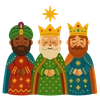
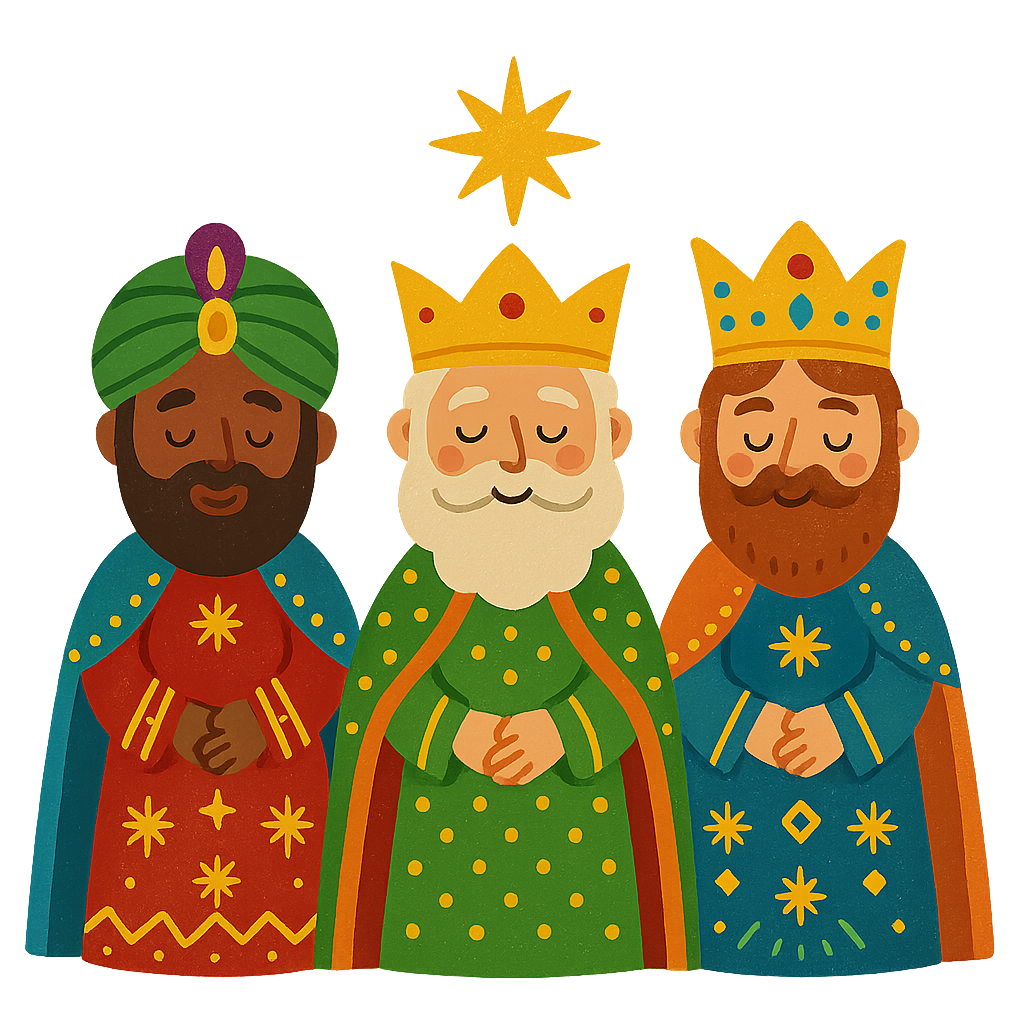
I exist to commemorate a very old story from Christian tradition. This story is about three wise men, who are also known as the Magi. Their names are remembered as Melchior, Gaspar, and Balthazar. According to the narrative, these three men were scholars who saw a new, exceptionally bright star in the sky and understood it as a sign that a new king had been born. They decided to follow the star on a long journey to find and honor him. The star led them all the way to the town of Bethlehem. There, they found the newborn baby Jesus with his family. As a sign of respect and honor, they presented him with three special gifts: gold, frankincense, and myrrh. My celebration on January 6th remembers this journey and the arrival of the Magi.
My own journey to Mexico is a part of a much larger history. My traditions were first brought to the region during the 16th century by Spanish missionaries. These religious teachers traveled from Europe and introduced many of their own customs and beliefs to the people already living in Mexico. Over many hundreds of years, these European traditions did not simply replace the old ones. Instead, they began to blend and mix with the vibrant local culture. This created a rich and unique fusion of customs. It is this historical blend of Spanish and Indigenous influences that makes my celebration in Mexico so special and distinct today.
The Story of Three Kings' Day in Mexico
Hello, I am Día de los Reyes Magos, which is called Three Kings' Day in English. I am a special holiday celebrated in Mexico and many other places around the world. People observe me every year on January 6th. For many families, my arrival marks the official end of the Christmas season. The twelve days of Christmas festivities come to a cheerful and meaningful close with my celebration, which is filled with unique traditions, delicious food, and family gatherings.
I exist to commemorate a very old story from Christian tradition. This story is about three wise men, who are also known as the Magi. Their names are remembered as Melchior, Gaspar, and Balthazar. According to the narrative, these three men were scholars who saw a new, exceptionally bright star in the sky and understood it as a sign that a new king had been born. They decided to follow the star on a long journey to find and honor him. The star led them all the way to the town of Bethlehem. There, they found the newborn baby Jesus with his family. As a sign of respect and honor, they presented him with three special gifts: gold, frankincense, and myrrh. My celebration on January 6th remembers this journey and the arrival of the Magi.
My own journey to Mexico is a part of a much larger history. My traditions were first brought to the region during the 16th century by Spanish missionaries. These religious teachers traveled from Europe and introduced many of their own customs and beliefs to the people already living in Mexico. Over many hundreds of years, these European traditions did not simply replace the old ones. Instead, they began to blend and mix with the vibrant local culture. This created a rich and unique fusion of customs. It is this historical blend of Spanish and Indigenous influences that makes my celebration in Mexico so special and distinct today.
One of my most cherished and well-known traditions involves a special kind of sweet bread. It is called the 'Rosca de Reyes,' which translates to 'Kings' Wreath.' This isn't just any bread; its shape and decorations are full of meaning. The Rosca is baked in a circular or oval shape, designed to look like a king's crown. To make it even more beautiful and symbolic, bakers decorate the top with colorful dried and candied fruits. These bright, sweet gems are carefully placed on the bread to represent the precious jewels that would adorn a royal crown, reminding everyone of the three kings I commemorate.
There is another, even more exciting, part of the Rosca de Reyes tradition: a hidden surprise. Before the bread is baked, a tiny figure, usually made of plastic or porcelain, is tucked deep inside the dough. This small figure represents the baby Jesus. This custom is a reminder of the part of the Christian story where Jesus’s family had to hide to keep him safe from a ruler named King Herod, who felt threatened by the news of a new king's birth. When the Rosca is served, each person cuts a slice, hoping to be the one who finds the figure. The person who discovers the tiny baby Jesus in their piece of bread is considered to be very lucky. Along with this good fortune, they are also given a special responsibility for an upcoming celebration.
Today, people in Mexico observe me as a day for family, food, and gifts. On the evening of January 6th, many families gather together to share the delicious Rosca de Reyes, often enjoying it with mugs of warm hot chocolate. In a tradition that delights many children, they often leave out their shoes the night before, sometimes with a bit of hay or a glass of water for the kings' camels. They do this in the hope that the Three Kings—Melchior, Gaspar, and Balthazar—will visit during the night and fill their shoes with small gifts and toys. The celebration continues long after my day is over. The person who found the baby Jesus figure in the Rosca has the honor of hosting a party on February 2nd. This day is another holiday called 'Día de la Candelaria,' or Candlemas. At this party, they traditionally provide tamales, a classic Mexican dish, for all their friends and family to enjoy, completing the cycle of my festive season.
Wow facts
About
Celebrated on January 6th, Three Kings' Day, or Día de los Reyes Magos, is a Mexican holiday that commemorates the biblical story of the Magi visiting the infant Jesus. Key traditions include sharing the Rosca de Reyes bread and gift-giving.
Take a Quiz
Question 1 of 5
According to the story, what does the oval shape of the Rosca de Reyes represent?
Want to do even more?
Go beyond exploring. Unlock tools that turn every story into real learning.

Storypie Plus for families
Full stories, quizzes, and printables. Nights and car rides, sorted.
- Unlimited audio stories
- Create Mode: your child stars in the story
- Offline downloads
- Printable worksheets & coloring pages

Why Storypie for Schools
Students engaged. Prep in seconds. Evenings back to you.
- Worksheets & Quizzes
- Classroom Management
- Formative Assessment
- Custom Curriculum & Lesson Plans
- 27 Languages

Why Storypie for Homeschool
Curriculum done. They'll ask for more. Hours back in your day.
- Worksheet Generator
- First-Person Audio Stories
- Built-in Comprehension Quizzes
- Custom Curriculum & Lesson Plans
- Print & Go Activities