English

Color Television
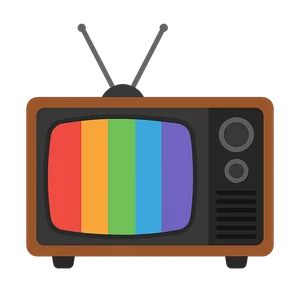
An electronic device that receives broadcast signals and displays them as moving images in full color…
Reads at Grades K-2 Listens at K–3
Print & create
Answer keys·No prep·Free with an account
28 worksheets · answer keys · full story · quiz · Ages 6-8 · CEFR A2
Plus adds 164,000+ more stories in 27 languages, audio for every one, and printables for all of them.
Just want Color Television?
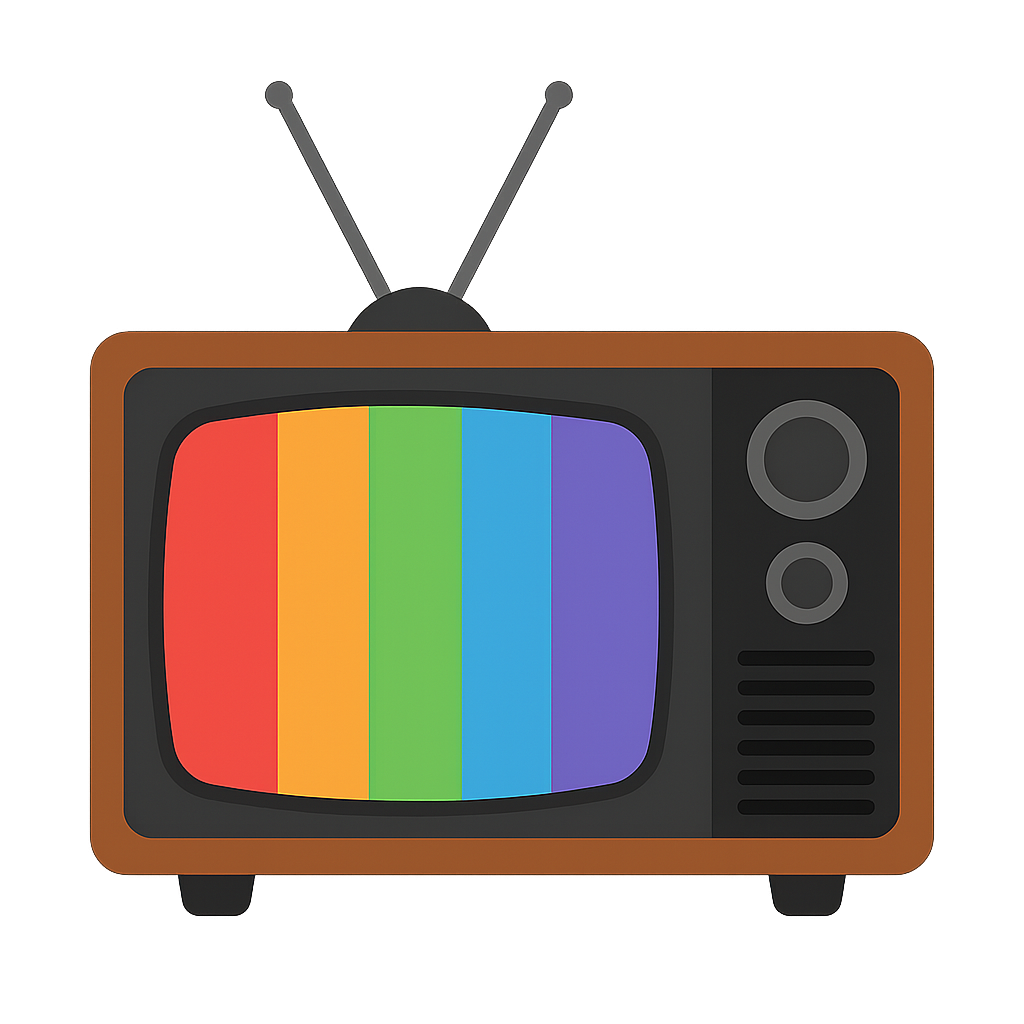
Hello there. My name is Color Television, but you can call me Color TV. Before I came along, my older brothers and sisters, the black-and-white televisions, could only show you pictures in shades of gray, like a pencil drawing. Imagine watching a beautiful sunset, but only seeing light gray and dark gray. People loved watching shows, but they dreamed of more. They wished they could see the bright red of a fire truck, the deep blue of the ocean, and the cheerful green of a grassy park right on their screens. The world was full of amazing colors, and everyone wanted to bring that rainbow inside their homes. I knew I had a special job to do.
The dream of a colorful screen took a lot of clever thinking. One of the first people to have a bright idea was a man named John Logie Baird. On July 3rd, 1928, he showed a very early version of me to the world in London. It was a bit like a magic trick. He used a special spinning wheel with red, green, and blue colors on it. It spun so fast that it tricked people's eyes into seeing a colored picture. Can you imagine that. It was so exciting. I thought, ‘Wow, this is my beginning.’. It was a wonderful start, but his spinning wheel was a little noisy and the picture was small. A new, quieter idea was needed to make me ready to live in everyone’s home. The journey to bring a full rainbow to the screen was just beginning.
Instead of a spinning wheel, some very smart scientists at a company in America called RCA had a different idea. They wanted to paint pictures with light. They worked for many years, trying to figure out how to use special electronic beams of red, green, and blue light to create every color you can imagine. It was hard work, but they never gave up. Then, a very important day arrived. On December 17th, 1953, everyone decided that the RCA scientists' idea was the best one. I was finally ready. My first big show was on January 1st, 1954. I broadcast the Tournament of Roses Parade. For the first time, families gathered around and saw sparkling, colorful floats and bright flowers on their screens. It was like a rainbow was born right in their living rooms. I felt so proud to show them the world in its true, beautiful colors.
The Television in Technicolor
Hello there. My name is Color Television, but you can call me Color TV. Before I came along, my older brothers and sisters, the black-and-white televisions, could only show you pictures in shades of gray, like a pencil drawing. Imagine watching a beautiful sunset, but only seeing light gray and dark gray. People loved watching shows, but they dreamed of more. They wished they could see the bright red of a fire truck, the deep blue of the ocean, and the cheerful green of a grassy park right on their screens. The world was full of amazing colors, and everyone wanted to bring that rainbow inside their homes. I knew I had a special job to do.
The dream of a colorful screen took a lot of clever thinking. One of the first people to have a bright idea was a man named John Logie Baird. On July 3rd, 1928, he showed a very early version of me to the world in London. It was a bit like a magic trick. He used a special spinning wheel with red, green, and blue colors on it. It spun so fast that it tricked people's eyes into seeing a colored picture. Can you imagine that. It was so exciting. I thought, ‘Wow, this is my beginning.’. It was a wonderful start, but his spinning wheel was a little noisy and the picture was small. A new, quieter idea was needed to make me ready to live in everyone’s home. The journey to bring a full rainbow to the screen was just beginning.
Instead of a spinning wheel, some very smart scientists at a company in America called RCA had a different idea. They wanted to paint pictures with light. They worked for many years, trying to figure out how to use special electronic beams of red, green, and blue light to create every color you can imagine. It was hard work, but they never gave up. Then, a very important day arrived. On December 17th, 1953, everyone decided that the RCA scientists' idea was the best one. I was finally ready. My first big show was on January 1st, 1954. I broadcast the Tournament of Roses Parade. For the first time, families gathered around and saw sparkling, colorful floats and bright flowers on their screens. It was like a rainbow was born right in their living rooms. I felt so proud to show them the world in its true, beautiful colors.
After my big parade debut, it took a little while for me to get to every house. But during the 1960s, more and more families invited me into their homes. Oh, the fun we had. Children could watch their favorite cartoons with characters in bright yellow and blue outfits. Families could explore jungles on nature shows and see the amazing colors of tropical birds and fish. I showed them news from around the world, not in gray, but in full color, making it feel so much more real. I’ve changed a lot since then. I’ve become thinner and my screen is much bigger, like the flat-screen TVs you see today. But my job is still the same, to open a window in your home and fill your world with color, stories, and wonder.
Wow facts
About
An electronic device that receives broadcast signals and displays them as moving images in full color, revolutionizing home entertainment and communication.
Take a Quiz
Question 1 of 4
Who showed the world the very first version of a color television?
Explore next






Want to do even more?
Go beyond exploring. Unlock tools that turn every story into real learning.

Storypie Plus for families
Full stories, quizzes, and printables. Nights and car rides, sorted.
- Unlimited audio stories
- Create Mode: your child stars in the story
- Offline downloads
- Printable worksheets & coloring pages

Why Storypie for Schools
Students engaged. Prep in seconds. Evenings back to you.
- Worksheets & Quizzes
- Classroom Management
- Formative Assessment
- Custom Curriculum & Lesson Plans
- 27 Languages

Why Storypie for Homeschool
Curriculum done. They'll ask for more. Hours back in your day.
- Worksheet Generator
- First-Person Audio Stories
- Built-in Comprehension Quizzes
- Custom Curriculum & Lesson Plans
- Print & Go Activities