English

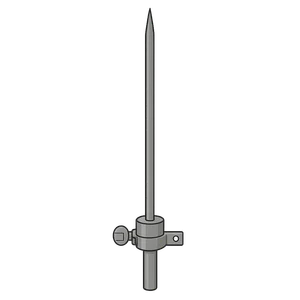
Lightning Rod
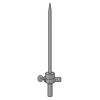
A metal rod fixed to an exposed part of a building to divert lightning harmlessly into the ground.
Reads at Grades 3–5 Listens at Grades 1–5
Print & create
Answer keys·No prep·Free with an account
28 worksheets · answer keys · full story · quiz · Ages 8-10 · CEFR B1
Plus adds 208,000+ more stories in 27 languages, audio for every one, and printables for all of them.
Just want Lightning Rod?
Before I came to be, the world held its breath when dark clouds gathered. I am a lightning rod, and my story begins in a time of fear. Imagine a world where a thunderstorm wasn’t just loud and wet, but a true danger. A jagged bolt of light could tear through the sky and, in an instant, strike the tallest thing it could find—a church steeple, a barn, or a family’s home. The wood would splinter, and a fire would bloom, eating away at everything people had built. The sound of thunder was often followed by the ringing of fire bells and the smell of smoke. Storms were terrifying because they brought destruction from the sky. But one very clever man looked up at those flashing, angry clouds not with fear, but with deep curiosity. He had a question that would change everything: what if lightning wasn't a mysterious force of anger, but something that could be understood? That question was the spark that led to my creation.
The man with the big question was named Benjamin Franklin. He lived in a busy city called Philadelphia in the 1740s, and he was one of the most brilliant thinkers of his time. He was endlessly curious about a strange force called electricity. He had seen how it could make sparks jump between metal objects and make a person’s hair stand on end. He noticed that the sparks from his experiments looked and sounded just like tiny lightning bolts. An idea began to form in his mind: could lightning be a gigantic spark of electricity? He decided he had to find out, but proving it would be incredibly dangerous. On a stormy June day in 1752, he put his daring plan into action. He and his son went out into a field with a simple kite made of silk, with a sharp metal wire attached to the top to attract the electrical charge from the clouds. The kite string was hemp, which would get wet in the rain and conduct electricity down from the sky. Near his hand, he tied a metal key to the string. He was careful to hold only the dry silk ribbon he had attached to the string for insulation, so the electricity wouldn't travel through his body. As the storm grew stronger, he watched and waited. Then, he saw the little threads of the hemp string stand on end, a sign that they were filled with electricity. He bravely moved his knuckle close to the key. ZAP. A spark jumped from the key to his hand. It didn't hurt him, but it proved his theory. Lightning was electricity. In that moment of discovery, the idea for me, the lightning rod, was truly born.
The Story of the Lightning Rod
Before I came to be, the world held its breath when dark clouds gathered. I am a lightning rod, and my story begins in a time of fear. Imagine a world where a thunderstorm wasn’t just loud and wet, but a true danger. A jagged bolt of light could tear through the sky and, in an instant, strike the tallest thing it could find—a church steeple, a barn, or a family’s home. The wood would splinter, and a fire would bloom, eating away at everything people had built. The sound of thunder was often followed by the ringing of fire bells and the smell of smoke. Storms were terrifying because they brought destruction from the sky. But one very clever man looked up at those flashing, angry clouds not with fear, but with deep curiosity. He had a question that would change everything: what if lightning wasn't a mysterious force of anger, but something that could be understood? That question was the spark that led to my creation.
The man with the big question was named Benjamin Franklin. He lived in a busy city called Philadelphia in the 1740s, and he was one of the most brilliant thinkers of his time. He was endlessly curious about a strange force called electricity. He had seen how it could make sparks jump between metal objects and make a person’s hair stand on end. He noticed that the sparks from his experiments looked and sounded just like tiny lightning bolts. An idea began to form in his mind: could lightning be a gigantic spark of electricity? He decided he had to find out, but proving it would be incredibly dangerous. On a stormy June day in 1752, he put his daring plan into action. He and his son went out into a field with a simple kite made of silk, with a sharp metal wire attached to the top to attract the electrical charge from the clouds. The kite string was hemp, which would get wet in the rain and conduct electricity down from the sky. Near his hand, he tied a metal key to the string. He was careful to hold only the dry silk ribbon he had attached to the string for insulation, so the electricity wouldn't travel through his body. As the storm grew stronger, he watched and waited. Then, he saw the little threads of the hemp string stand on end, a sign that they were filled with electricity. He bravely moved his knuckle close to the key. ZAP. A spark jumped from the key to his hand. It didn't hurt him, but it proved his theory. Lightning was electricity. In that moment of discovery, the idea for me, the lightning rod, was truly born.
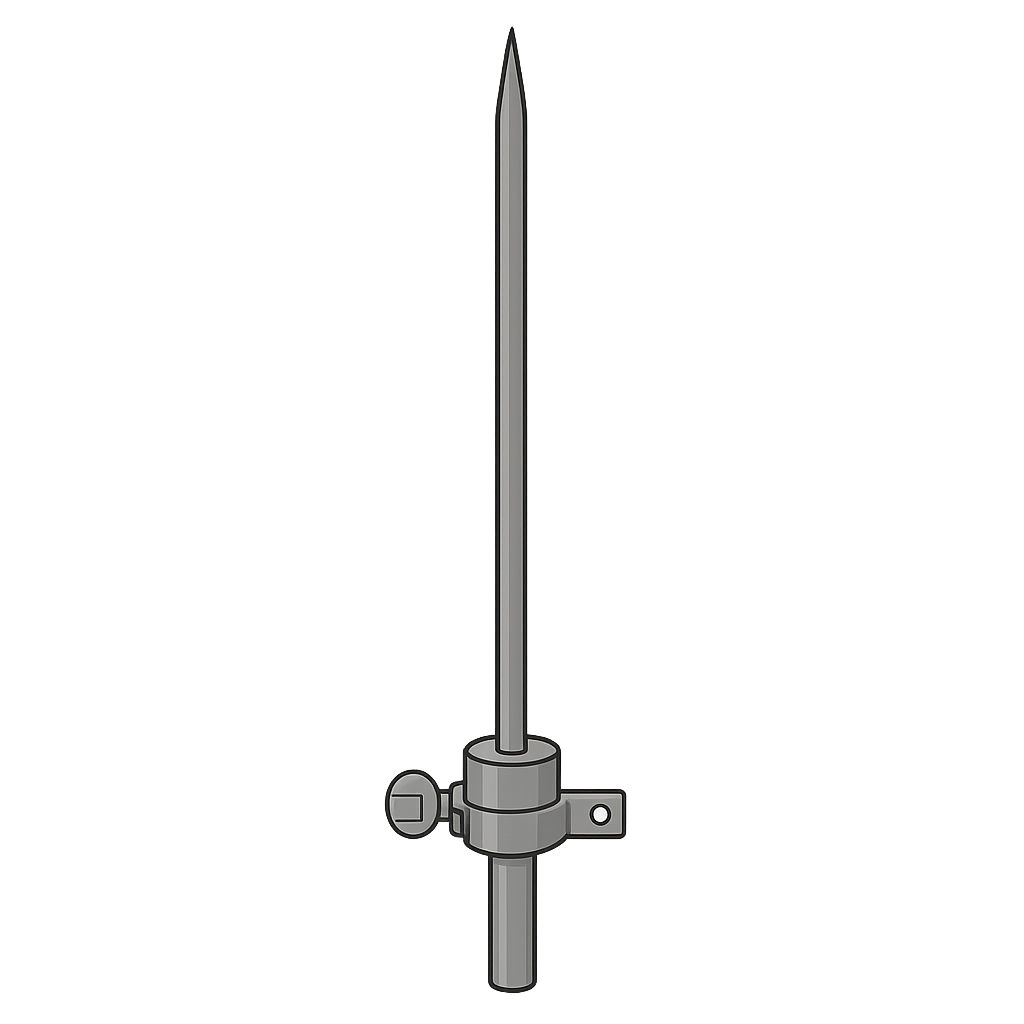
That one little spark from the key gave Benjamin Franklin everything he needed to design me. My job is simple, but very important. I am a tall, pointed metal pole, and I am placed on the very highest point of a building, like a silent guardian on the roof. When a storm comes, the electrical energy in the clouds is looking for the quickest path to the ground. Because I am tall and made of metal, I am the most attractive target. The lightning strikes me, but instead of crashing through the building, the powerful electricity flows safely down a thick wire that runs along the side of the building all the way into the earth. I give the lightning a safe road to travel, guiding it away from the wood and stone that could burn. The very first of my kind were installed on buildings in Philadelphia in 1752, right after the kite experiment proved I would work. I stood proudly on homes and important buildings, ready for the next storm. For hundreds of years, I have been doing this same job, protecting countless places from fire and destruction. I may just be a simple metal rod, but I am a quiet hero on rooftops everywhere, a symbol of how human curiosity can tame even the most powerful forces of nature.
Wow facts
About
A metal rod fixed to an exposed part of a building to divert lightning harmlessly into the ground. It was invented by Benjamin Franklin in the mid-18th century to protect structures from lightning-induced fires.
Take a Quiz
Question 1 of 5
In the story, the lightning rod is described as a 'silent guardian on the roof.' What does the word 'guardian' mean in this sentence?
Explore next




Want to do even more?
Go beyond exploring. Unlock tools that turn every story into real learning.

Storypie Plus for families
Full stories, quizzes, and printables. Nights and car rides, sorted.
- Unlimited audio stories
- Create Mode: your child stars in the story
- Offline downloads
- Printable worksheets & coloring pages

Why Storypie for Schools
Students engaged. Prep in seconds. Evenings back to you.
- Worksheets & Quizzes
- Classroom Management
- Formative Assessment
- Custom Curriculum & Lesson Plans
- 27 Languages

Why Storypie for Homeschool
Curriculum done. They'll ask for more. Hours back in your day.
- Worksheet Generator
- First-Person Audio Stories
- Built-in Comprehension Quizzes
- Custom Curriculum & Lesson Plans
- Print & Go Activities