English

Refrigeration
Refrigeration is the process of removing heat from a space to lower its temperature…
Reads at Grades 6–8 Listens at Grades 4–8
Print & create
Answer keys·No prep·Free with an account
28 worksheets · answer keys · full story · quiz · Ages 10-12 · CEFR B2
Plus adds 244,000+ more stories in 27 languages, audio for every one, and printables for all of them.
Just want Refrigeration?
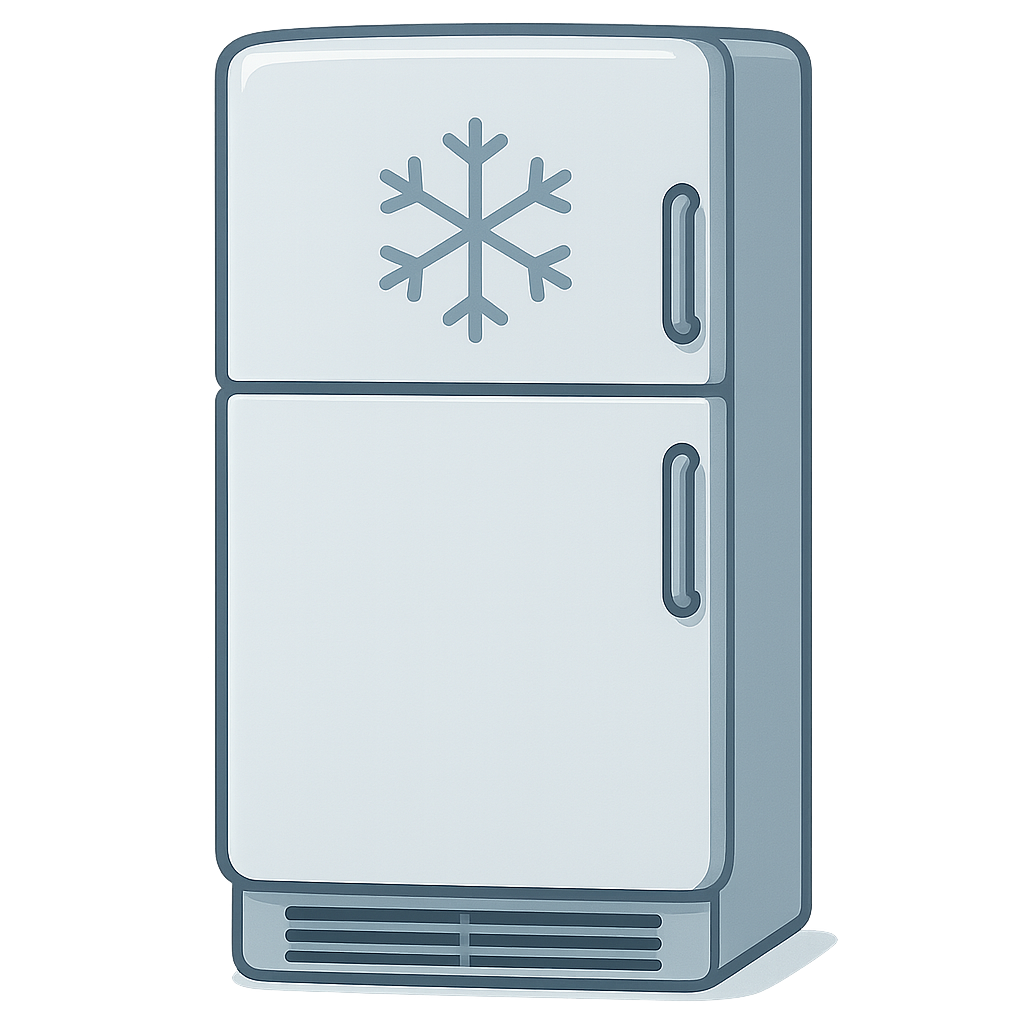
Hello there. You might not notice me humming quietly in the corner of your kitchen, but I am Refrigeration, and I work day and night to keep your world fresh. Before I came along, the world was a much warmer, and often less pleasant, place. Imagine a time in the 1700s and early 1800s, a world without me. A glass of milk, so refreshing on a summer day, could turn sour in just a few hours. Fresh fruits and vegetables would wilt and spoil before they could be enjoyed. Families had to eat their food almost as soon as they got it, or risk it going bad. There was no such thing as saving leftovers for tomorrow or stocking up on groceries for the week. Life was a constant race against decay.
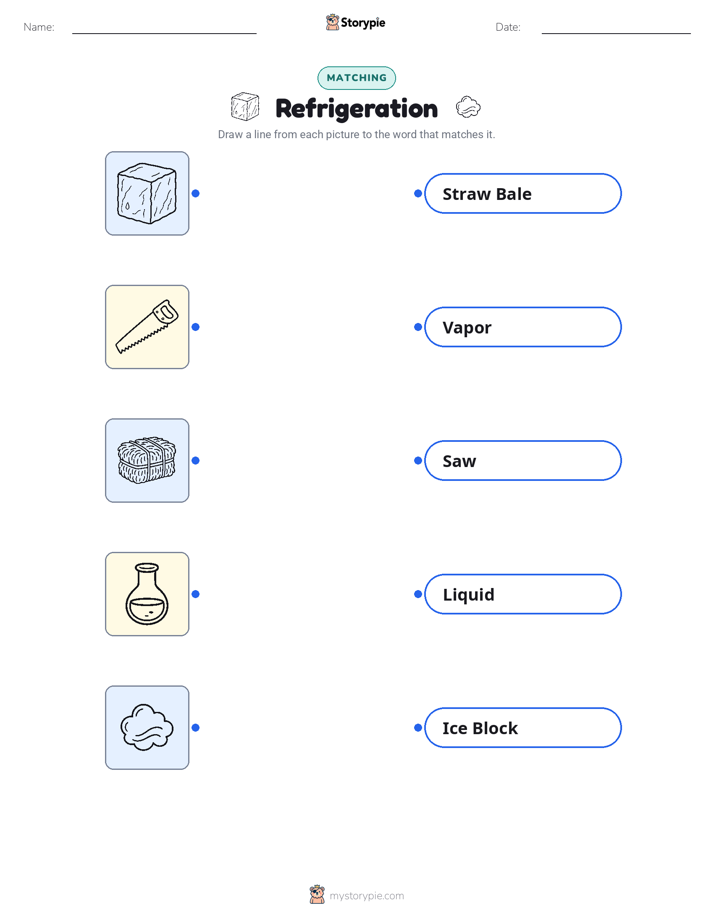
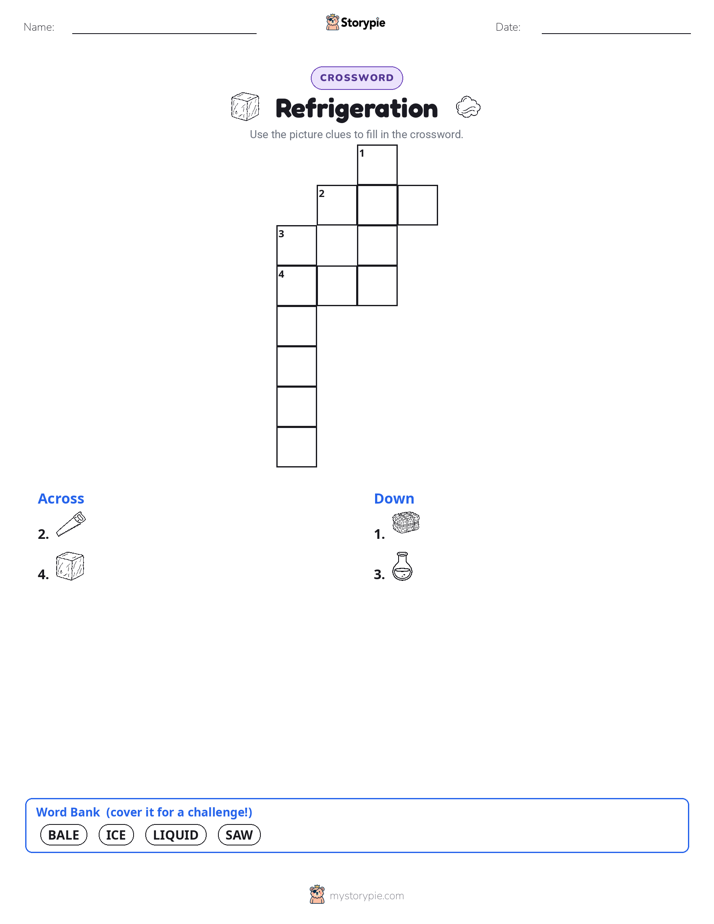
To fight the heat, people came up with a clever but difficult solution: icehouses. During the coldest winter months, workers would venture onto frozen lakes and rivers, cutting massive blocks of ice with long saws. It was grueling, dangerous work. They would then haul these heavy blocks to insulated buildings, often buried partially underground, and pack them in sawdust or straw. If they were lucky, the ice would last through the summer, providing a precious source of cold. But it was expensive, inefficient, and only available to a few. The world desperately needed a better way, a reliable and constant source of cold that didn't depend on the seasons. That is the problem I was born to solve.
My story doesn't begin with a machine, but with an idea, a whisper of scientific curiosity. It was in Scotland, in the year 1756, that a professor named William Cullen first demonstrated a fascinating principle. He showed that as a liquid evaporated, it absorbed heat and created a cooling effect. It was the first glimmer of my potential, the scientific secret that would one day bring me to life. For decades, this idea remained mostly in laboratories. Then, across the Atlantic Ocean, an American inventor named Oliver Evans saw its true power. In 1805, he sketched out a brilliant design for a machine that could produce ice using a cycle of compressing and expanding a vapor. He was a visionary. He imagined a world where cold could be created on demand. Sadly, he never built his machine, and his idea was a blueprint waiting for a builder.
I Am Refrigeration: A Cool Story
Hello there. You might not notice me humming quietly in the corner of your kitchen, but I am Refrigeration, and I work day and night to keep your world fresh. Before I came along, the world was a much warmer, and often less pleasant, place. Imagine a time in the 1700s and early 1800s, a world without me. A glass of milk, so refreshing on a summer day, could turn sour in just a few hours. Fresh fruits and vegetables would wilt and spoil before they could be enjoyed. Families had to eat their food almost as soon as they got it, or risk it going bad. There was no such thing as saving leftovers for tomorrow or stocking up on groceries for the week. Life was a constant race against decay.
To fight the heat, people came up with a clever but difficult solution: icehouses. During the coldest winter months, workers would venture onto frozen lakes and rivers, cutting massive blocks of ice with long saws. It was grueling, dangerous work. They would then haul these heavy blocks to insulated buildings, often buried partially underground, and pack them in sawdust or straw. If they were lucky, the ice would last through the summer, providing a precious source of cold. But it was expensive, inefficient, and only available to a few. The world desperately needed a better way, a reliable and constant source of cold that didn't depend on the seasons. That is the problem I was born to solve.
My story doesn't begin with a machine, but with an idea, a whisper of scientific curiosity. It was in Scotland, in the year 1756, that a professor named William Cullen first demonstrated a fascinating principle. He showed that as a liquid evaporated, it absorbed heat and created a cooling effect. It was the first glimmer of my potential, the scientific secret that would one day bring me to life. For decades, this idea remained mostly in laboratories. Then, across the Atlantic Ocean, an American inventor named Oliver Evans saw its true power. In 1805, he sketched out a brilliant design for a machine that could produce ice using a cycle of compressing and expanding a vapor. He was a visionary. He imagined a world where cold could be created on demand. Sadly, he never built his machine, and his idea was a blueprint waiting for a builder.
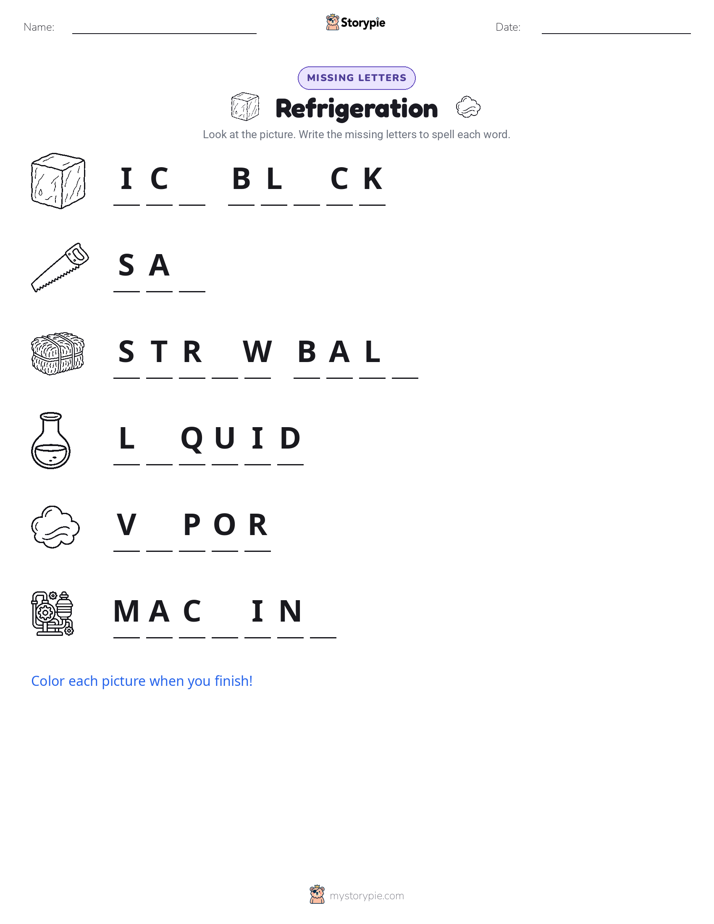
That builder was Jacob Perkins, another American inventor who was working in London. He took the concepts that Evans had dreamed of and, on August 14th, 1834, he was granted a patent for the first working vapor-compression refrigeration machine. I was finally real. My first form was clunky and large, but the magic was there. Here is how I worked: I took a gas and squeezed it very tightly, a process called compression. This made the gas turn into a warm liquid, releasing its heat into the surrounding air. Then, I let that liquid expand back into a gas through a tiny valve. As it expanded, it absorbed a tremendous amount of heat from its surroundings, making everything around it intensely cold. It was this cycle of squeezing and expanding, of releasing and absorbing heat, that allowed me to create a constant chill, a power that would soon change everything.
For many years, I was too big and expensive for a family’s kitchen. I was an industrial giant, working in places that needed a lot of cold. A German engineer named Carl von Linde made significant improvements to my design in the 1870s, making me more efficient and reliable. Soon, I was hard at work in breweries, keeping beer perfectly chilled, and in meatpacking plants, allowing meat to be stored and shipped safely over long distances. Refrigerated railroad cars began to cross the country, carrying fresh produce from farms in California to families in New York. I was connecting the nation, changing what people ate and how they lived, even if they never saw me themselves. I was the invisible force that made the modern food system possible.
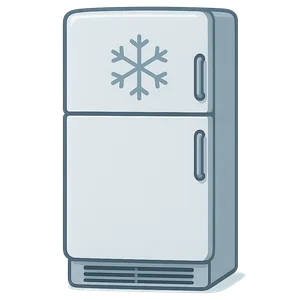
My biggest transformation, however, was when I finally moved into the home. The true breakthrough came in 1913, when an inventor in Fort Wayne, Indiana, named Fred W. Wolf created the first commercially successful electric home refrigerator. He called it the DOMELRE, which stood for Domestic Electric Refrigerator. It was a simple unit, designed to be placed on top of a family's existing icebox. It was a sensation. For the first time, families had a reliable 'cold box' in their own kitchen. No more waiting for the iceman to deliver a block of ice. No more worrying about milk spoiling or food going to waste. Life became safer, healthier, and much more convenient. I had found my true calling: to be a silent guardian in every home.
Today, my work continues, often in ways you might not expect. Yes, I am the faithful refrigerator in your kitchen, but I am also the massive cooling systems in grocery stores that keep aisles of food fresh. I am on the trucks, ships, and planes that transport food from one continent to another, ensuring that a strawberry grown in Spain can be enjoyed in Sweden. My role has grown even more critical. I am essential in hospitals and laboratories, where I safeguard life-saving medicines, blood supplies, and vaccines, which must be kept at precise, cold temperatures to remain effective. From a simple scientific principle to a global necessity, my journey has been long. I am a quiet but essential helper, working tirelessly to keep your world healthy, connected, and full of delicious possibilities.
Wow facts
About
Refrigeration is the process of removing heat from a space to lower its temperature, commonly used to preserve food, medicine, and other perishable items.
Take a Quiz
Question 1 of 5
What was the main problem that the invention of refrigeration was created to solve?
Explore next






Want to do even more?
Go beyond exploring. Unlock tools that turn every story into real learning.

Storypie Plus for families
Full stories, quizzes, and printables. Nights and car rides, sorted.
- Unlimited audio stories
- Create Mode: your child stars in the story
- Offline downloads
- Printable worksheets & coloring pages

Why Storypie for Schools
Students engaged. Prep in seconds. Evenings back to you.
- Worksheets & Quizzes
- Classroom Management
- Formative Assessment
- Custom Curriculum & Lesson Plans
- 27 Languages

Why Storypie for Homeschool
Curriculum done. They'll ask for more. Hours back in your day.
- Worksheet Generator
- First-Person Audio Stories
- Built-in Comprehension Quizzes
- Custom Curriculum & Lesson Plans
- Print & Go Activities