English

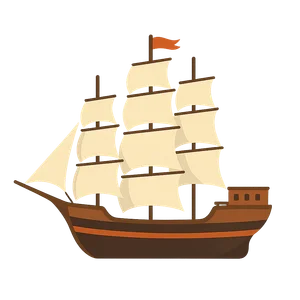
Ship
A vessel designed for navigation on water, which has evolved from simple rafts to complex modern vessels…
Reads at Grades 6–8 Listens at Grades 4–8
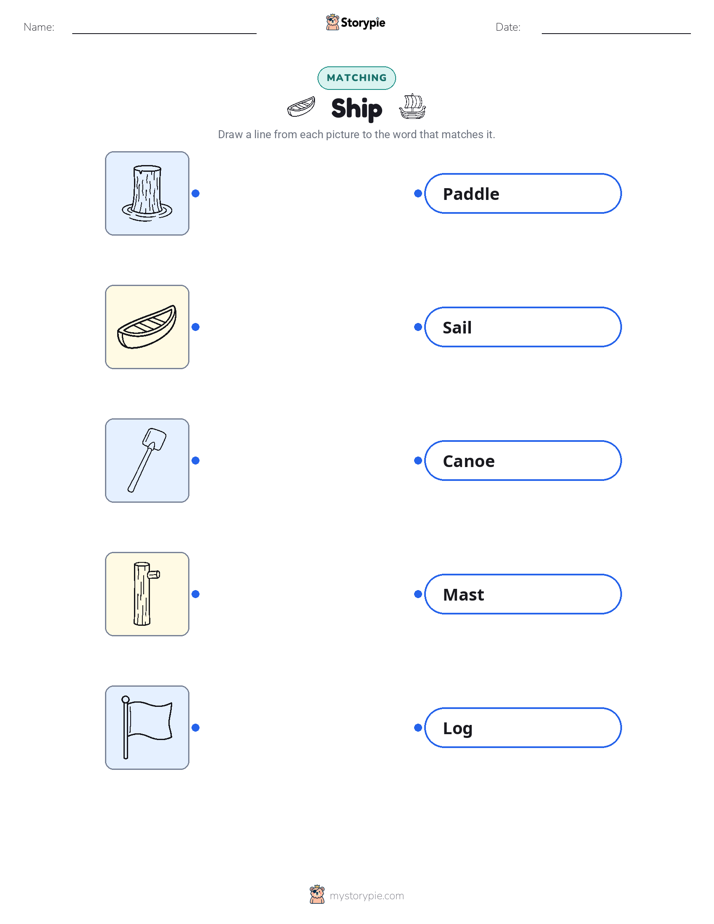
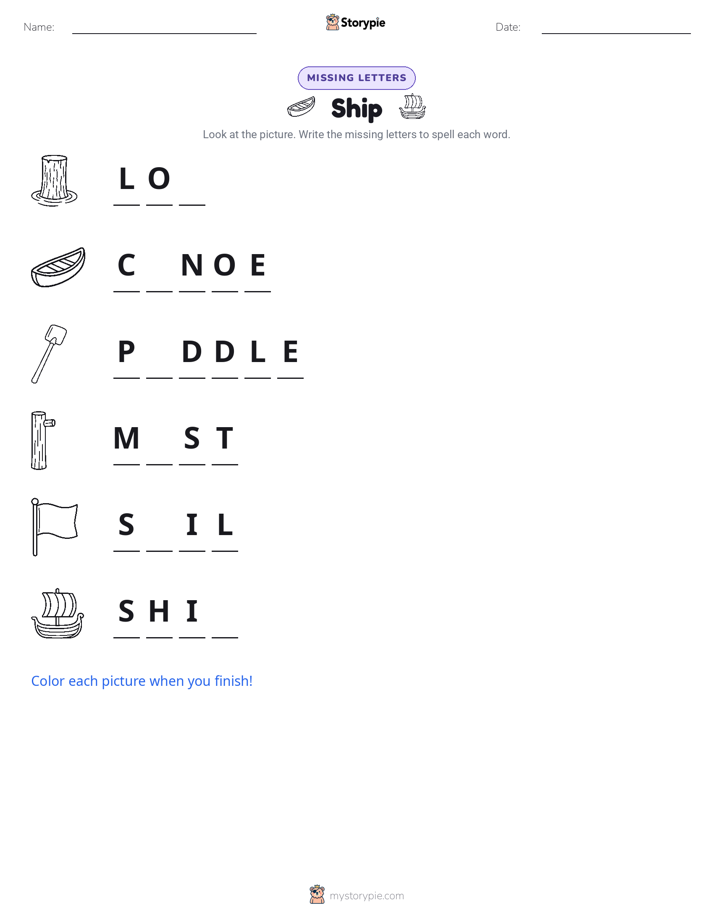
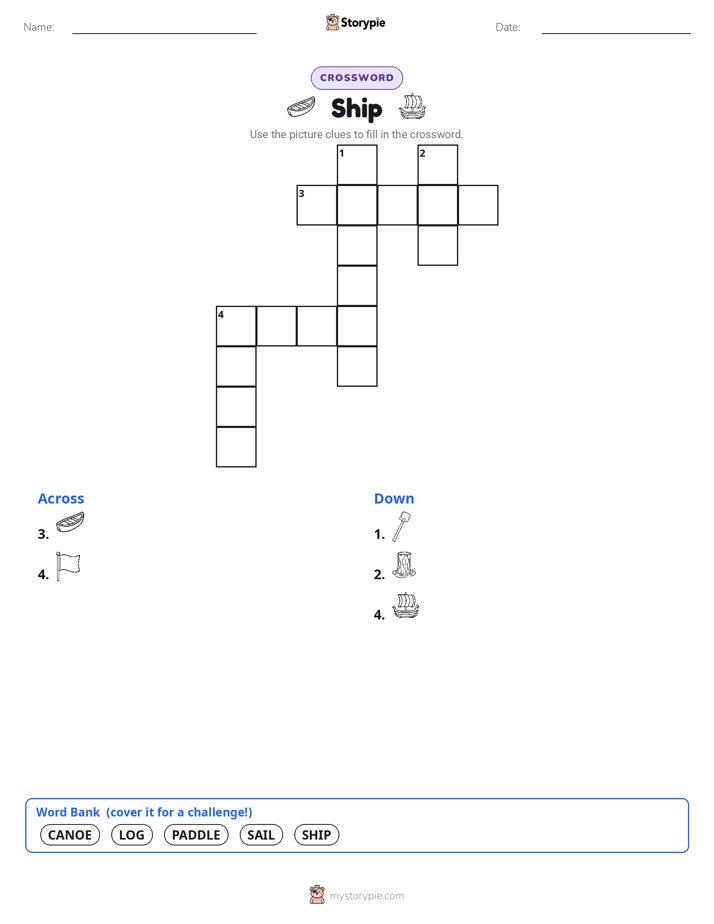
Print & create
Answer keys·No prep·Free with an account
28 worksheets · answer keys · full story · quiz · Ages 10-12 · CEFR B2
Plus adds 164,000+ more stories in 27 languages, audio for every one, and printables for all of them.
Just want Ship?
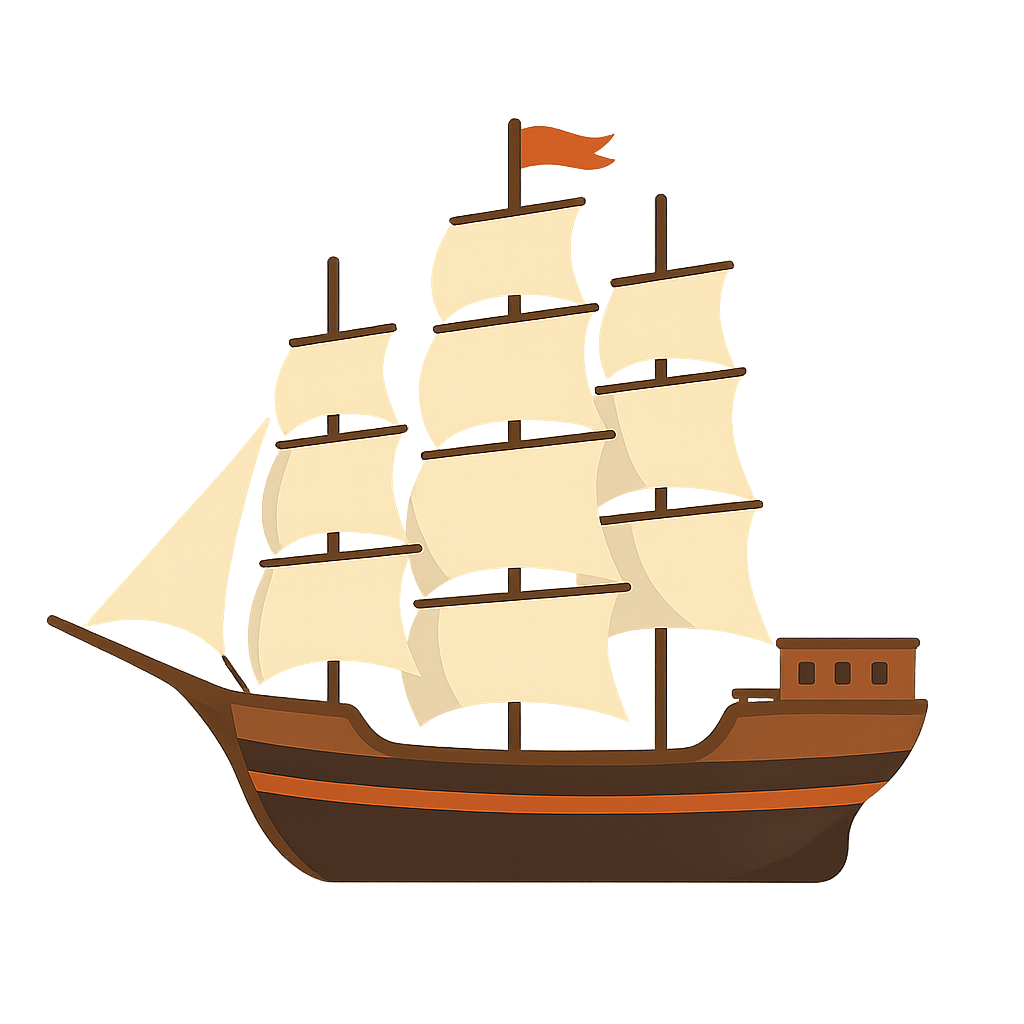
Before I had a name, I was just an idea, a longing in the heart of a human staring across a wide, rushing river. They saw a barrier, but also a challenge. They saw a fallen log floating by and wondered if it could carry them. That was my very first thought, my first spark of existence. My earliest form was humble, born from a single tree trunk more than 10,000 years ago. Human hands, using fire and sharp stones, painstakingly hollowed out the wood, carving me into a dugout canoe. I was simple, but I was revolutionary. I became an extension of their will, allowing them to glide over the water's surface instead of being stopped by it. With me, they could fish in deeper waters, hunt on distant shores, and visit neighboring tribes they could never have reached on foot. I was not grand or fast, but I was the first bridge across the water, the first tool that turned a boundary into a pathway. I was the beginning of a connection that would one day span the entire globe, all starting from that single, floating log.
For thousands of years, I remained a simple vessel, pushed by poles or paddles. But then, in the warm lands of ancient Egypt, my life changed forever. Around 3000 BCE, the brilliant people living along the Nile River gave me a gift that felt like a superpower: a sail. They erected a tall wooden mast in my center and stretched a large, square piece of linen across it. Suddenly, I could catch the wind. It was like learning to dance with an invisible partner who could push me with incredible strength. I no longer had to fight against the river's current; I could harness the power of the sky to move upstream. This new ability made me essential. I carried the massive stones needed to build the great pyramids and transported grains, oils, and precious goods, helping the Egyptian civilization flourish. I grew in size and elegance. By 2500 BCE, I had become as magnificent as the Khufu ship, a 143-foot-long vessel of cedarwood, so perfectly built that it could be reassembled today. I sailed not only the Nile but also the vast, blue expanse of the Mediterranean Sea, a true dancer on the waves.
I Am the Ship: A Journey Through Time
Before I had a name, I was just an idea, a longing in the heart of a human staring across a wide, rushing river. They saw a barrier, but also a challenge. They saw a fallen log floating by and wondered if it could carry them. That was my very first thought, my first spark of existence. My earliest form was humble, born from a single tree trunk more than 10,000 years ago. Human hands, using fire and sharp stones, painstakingly hollowed out the wood, carving me into a dugout canoe. I was simple, but I was revolutionary. I became an extension of their will, allowing them to glide over the water's surface instead of being stopped by it. With me, they could fish in deeper waters, hunt on distant shores, and visit neighboring tribes they could never have reached on foot. I was not grand or fast, but I was the first bridge across the water, the first tool that turned a boundary into a pathway. I was the beginning of a connection that would one day span the entire globe, all starting from that single, floating log.
For thousands of years, I remained a simple vessel, pushed by poles or paddles. But then, in the warm lands of ancient Egypt, my life changed forever. Around 3000 BCE, the brilliant people living along the Nile River gave me a gift that felt like a superpower: a sail. They erected a tall wooden mast in my center and stretched a large, square piece of linen across it. Suddenly, I could catch the wind. It was like learning to dance with an invisible partner who could push me with incredible strength. I no longer had to fight against the river's current; I could harness the power of the sky to move upstream. This new ability made me essential. I carried the massive stones needed to build the great pyramids and transported grains, oils, and precious goods, helping the Egyptian civilization flourish. I grew in size and elegance. By 2500 BCE, I had become as magnificent as the Khufu ship, a 143-foot-long vessel of cedarwood, so perfectly built that it could be reassembled today. I sailed not only the Nile but also the vast, blue expanse of the Mediterranean Sea, a true dancer on the waves.
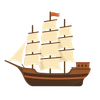
My purpose and my form were destined for even greater things. As centuries passed, humanity's curiosity about the world grew, and they needed me to be stronger, faster, and more resilient than ever. During the 1400s and 1500s, an era you call the Age of Exploration, shipbuilders gave me a new body. I became the caravel, with a rounded hull to withstand mighty ocean waves and a combination of square and triangular sails that allowed me to sail more effectively against the wind. I was built for the unknown. I felt the mix of fear and excitement in the hearts of the sailors who walked my decks. In 1492, I carried Christopher Columbus and his crew across the vast, uncharted Atlantic, a journey that connected worlds that had been separate for all of history. A few decades later, starting in 1519, I was part of Ferdinand Magellan's daring expedition to circumnavigate the globe. I faced terrifying storms that threatened to tear my timbers apart and endured months of endless blue horizons. I was more than wood and canvas; I was the vessel of human courage, the physical manifestation of the desire to discover what lay beyond the edge of the map. I was the bridge that linked continents and cultures forever.
Just as I thought I had reached my peak, another revolution transformed me from the inside out. The Industrial Revolution of the 18th and 19th centuries gave me a new kind of power, one that didn't rely on the whims of the wind. They gave me a heart of fire and steam. On August 17th, 1807, I chugged up the Hudson River in New York as Robert Fulton's steamboat, the Clermont. People on the shore stared in disbelief as I moved steadily against the current with no sails, smoke billowing from my stack. The rhythmic thump of my new steam engine was the sound of progress, a promise of reliable travel on rivers and, soon, oceans. My transformation didn't stop there. My wooden skin, always vulnerable to rot and storms, was replaced by something much stronger. In the mid-1800s, shipbuilders began constructing me with plates of iron, and later steel. I could now grow to sizes previously unimaginable. In 1838, as the SS Great Western, I crossed the Atlantic Ocean powered only by steam in a record-breaking 15 days. I was no longer a fragile dancer on the waves; I was a powerful iron beast, shrinking the oceans and bringing the world closer together at a speed no one had ever dreamed possible.
Today, I am a giant. My journey from a hollowed log to my current forms is a testament to human ingenuity. You see me in every port around the world, though you might not recognize me as the same spirit from 10,000 years ago. I am the enormous container ship, a floating warehouse longer than skyscrapers are tall, carrying nearly everything you use in your daily life—your clothes, your toys, your food. I move the lifeblood of the global economy silently across the seas. I am also the luxurious cruise liner, a glittering city on the water, offering people a chance to see the world in comfort and style. In my most adventurous form, I am a sophisticated research vessel, carrying scientists to the deepest trenches of the ocean, helping humanity understand the final frontiers of our own planet. My purpose remains the same as it was in the beginning: to connect, to explore, and to serve. I am a constant reminder that with creativity and perseverance, no barrier is too great to overcome, and no ocean is too wide to cross.
Wow facts
About
A vessel designed for navigation on water, which has evolved from simple rafts to complex modern vessels, enabling global exploration, trade, and transportation.
Take a Quiz
Question 1 of 5
What does the phrase 'a heart of fire and steam' refer to in the story?
Explore next

Want to do even more?
Go beyond exploring. Unlock tools that turn every story into real learning.

Storypie Plus for families
Full stories, quizzes, and printables. Nights and car rides, sorted.
- Unlimited audio stories
- Create Mode: your child stars in the story
- Offline downloads
- Printable worksheets & coloring pages

Why Storypie for Schools
Students engaged. Prep in seconds. Evenings back to you.
- Worksheets & Quizzes
- Classroom Management
- Formative Assessment
- Custom Curriculum & Lesson Plans
- 27 Languages

Why Storypie for Homeschool
Curriculum done. They'll ask for more. Hours back in your day.
- Worksheet Generator
- First-Person Audio Stories
- Built-in Comprehension Quizzes
- Custom Curriculum & Lesson Plans
- Print & Go Activities